
Understanding how to figure a loan is one of the most critical skills in personal and business finance. Whether you are looking to purchase a primary residence, finance a vehicle, or secure a business expansion loan, the ability to dissect the numbers behind the agreement empowers you to make informed decisions. A loan is not merely a monthly payment; it is a complex interaction of principal, interest rates, time, and compounding cycles. By mastering these variables, you move from being a passive borrower to a strategic financial manager.
The Anatomy of a Loan: Understanding the Variables
Before diving into the mathematics of debt, one must understand the foundational components that dictate the cost of borrowing. Every loan is built upon three primary pillars: the principal, the interest rate, and the term.
Principal: The Foundation of Debt
The principal is the initial amount of money borrowed. While it seems straightforward, the principal is the base upon which all interest is calculated. In many loan structures, particularly those involving amortization, the principal balance decreases over time as payments are made. However, in the early stages of a long-term loan, such as a 30-year mortgage, the reduction of principal happens at a glacial pace because the majority of the monthly payment is diverted toward interest. Understanding how your principal reduces is the key to calculating equity and total debt exposure.
Interest Rates: The Cost of Capital
Interest is effectively the “rent” you pay to use someone else’s money. It is usually expressed as an Annual Percentage Rate (APR). There are two main types of interest structures: fixed and variable. A fixed interest rate remains constant throughout the life of the loan, providing predictability in budgeting. Conversely, variable or floating rates are tied to an index, such as the Prime Rate or LIBOR (or its successor, SOFR). When figuring a loan with a variable rate, you must account for the “worst-case scenario” regarding interest rate hikes, as a 1% or 2% increase can significantly alter the total cost over several years.
The Term: Time as a Financial Variable
The term refers to the duration of the loan. While a longer term—such as a seven-year auto loan compared to a three-year one—results in lower monthly payments, it invariably increases the total interest paid over the life of the loan. Time is the greatest multiplier in finance. When figuring a loan, you must balance the need for a manageable monthly cash flow against the long-term objective of minimizing interest expenses.
The Mathematics of Borrowing: How Numbers Define Your Debt
To truly figure a loan, you must look beyond the sticker price and calculate the actual flow of capital. There are different methods used to calculate interest, and knowing which one applies to your loan is vital.
Simple Interest vs. Compound Interest
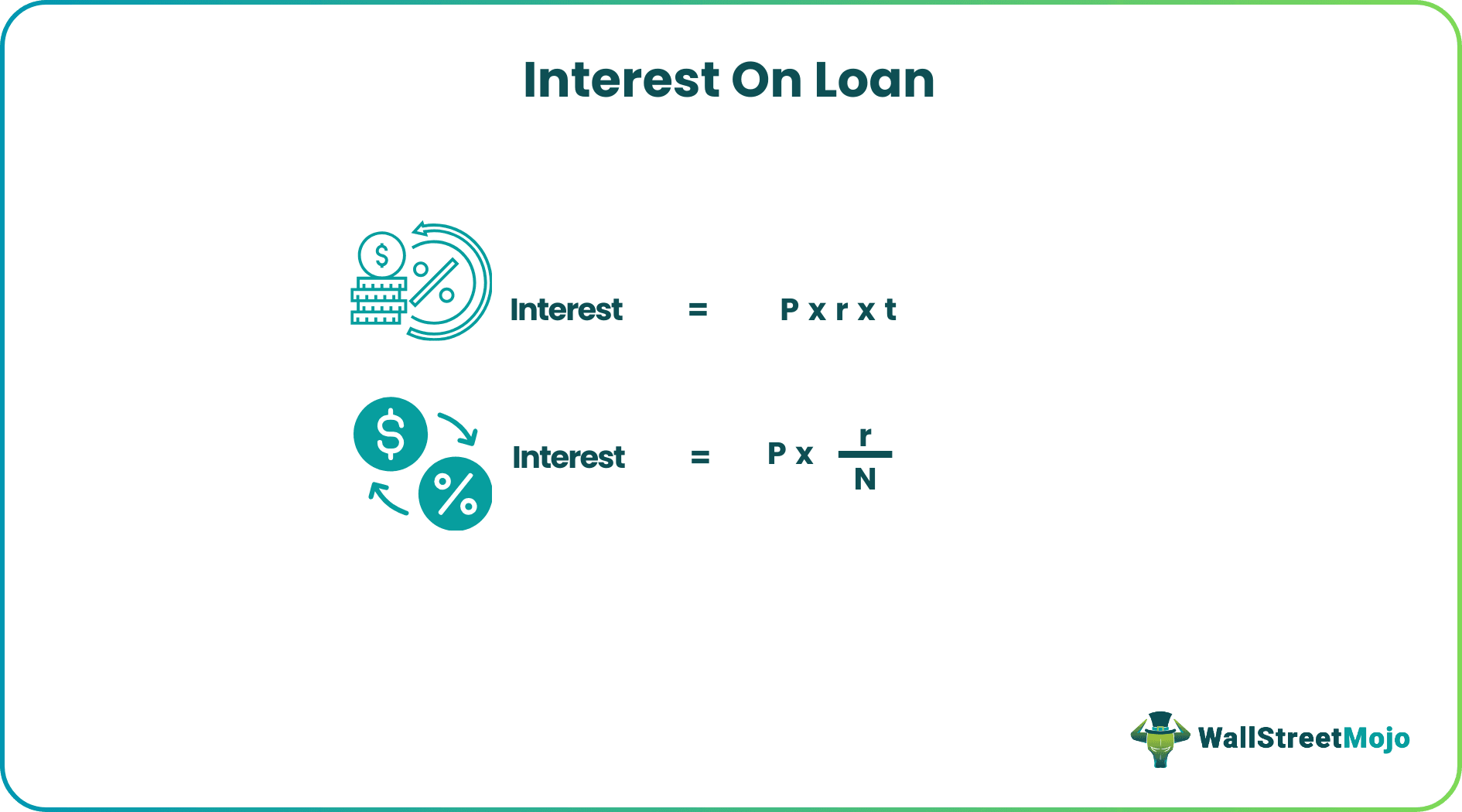
Simple interest is the most basic form of calculation, often used for short-term personal loans or certain types of consumer credit. The formula is:
Interest = Principal × Rate × Time
In this model, you only pay interest on the original amount borrowed. However, most modern financial products utilize compound interest, where interest is calculated on the initial principal and also on the accumulated interest of previous periods. While “interest on interest” is a powerful tool for investors, it is a significant burden for borrowers. When figuring a loan, always identify the compounding frequency—daily, monthly, or annually—as more frequent compounding increases the effective interest rate.
Calculating the Monthly Payment
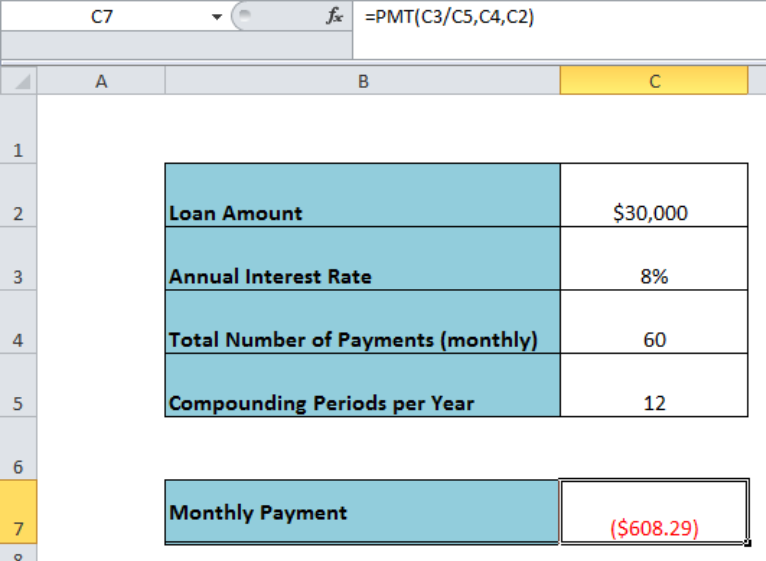
The most common question borrowers ask is: “What will this cost me every month?” For an amortized loan, the formula is more complex than simple division. To calculate the monthly payment (M), you use the following formula:
M = P [ i(1 + i)^n ] / [ (1 + i)^n – 1 ]
In this equation:
-
P is the principal loan amount.
-
i is the monthly interest rate (annual rate divided by 12).
-
n is the total number of months (term in years multiplied by 12).
By running these numbers, you can see how even a half-percentage point difference in the interest rate can fluctuate the monthly payment and, more importantly, the total interest paid over decades.
The Significance of the Amortization Schedule
An amortization schedule is a table detailing each periodic payment on a loan. It breaks down how much of each payment goes toward interest versus principal. In the beginning of the loan term, the interest portion is at its highest because the outstanding balance is at its peak. As you pay down the principal, the interest portion of the payment decreases. Figuring a loan requires looking at this schedule to determine the “break-even” point or to decide if paying extra toward the principal in the early years makes financial sense.
Comparing Loan Offers: The Role of APR and Fees
When shopping for a loan, comparing interest rates alone is insufficient. To figure the true cost of a loan, you must evaluate the Annual Percentage Rate (APR) and the associated fees that lenders often hide in the fine print.
Interest Rate vs. APR
The interest rate is the cost of borrowing the principal, but the APR represents the total cost of the loan on an annual basis, including fees. These fees might include origination fees, mortgage broker fees, points (prepaid interest), and certain closing costs. For example, if two lenders offer a 5% interest rate, but one charges a $2,000 origination fee and the other charges nothing, the APR for the first loan will be higher. When figuring a loan, the APR is the most accurate tool for “apples-to-apples” comparisons between different lenders.
Factoring in Closing Costs and Points
In real estate and large business loans, closing costs can range from 2% to 5% of the total loan amount. These costs are often overlooked when borrowers calculate their budget. Furthermore, lenders may offer “points” to lower the interest rate. One point typically costs 1% of the loan amount and reduces the interest rate by a set margin (usually 0.25%). To figure if buying points is worth it, you must calculate the “break-even point”—how many months of lower payments it will take to recoup the upfront cost of the points.
The Impact of Private Mortgage Insurance (PMI) and Escrow
For home loans with a down payment of less than 20%, lenders usually require Private Mortgage Insurance (PMI). This is an additional monthly cost that does not go toward your principal or interest; it protects the lender in case of default. Additionally, many loans require an escrow account to cover property taxes and homeowners insurance. When figuring your monthly obligation, you must add these “PITI” (Principal, Interest, Taxes, and Insurance) components together to see the true impact on your net income.
Strategic Analysis: When Does a Loan Make Sense?
Figuring a loan isn’t just about the math; it’s about the strategy. Debt can be a tool for wealth creation or a trap for financial ruin. Successful financial management involves analyzing the opportunity cost and the return on investment (ROI) associated with borrowed capital.
The Debt-to-Income Ratio (DTI)
Lenders use the DTI ratio to determine your creditworthiness, but you should use it to determine your own safety margin. The DTI is calculated by dividing your total monthly debt payments by your gross monthly income. Most financial experts suggest keeping this ratio below 36%, with no more than 28% dedicated to housing costs. If figuring your loan puts your DTI in the 40% to 50% range, you are “house poor” or “debt heavy,” leaving very little margin for emergencies or investments.
Leverage and Opportunity Cost
In business and high-level personal finance, loans are used as leverage. If you can borrow money at a 4% interest rate and invest that capital into a business or asset that returns 8%, the loan is working in your favor. This is the concept of positive leverage. However, figuring a loan in this context requires a realistic assessment of risk. If the investment fails or returns less than the cost of the debt, the leverage works against you.
Early Repayment and Prepayment Penalties
One of the most effective ways to reduce the cost of a loan is to pay it off early. By making one extra payment per year or adding a small amount to the monthly principal, you can shave years off a mortgage and save tens of thousands in interest. However, you must check for prepayment penalties. Some lenders, particularly in the subprime or auto loan markets, charge a fee if you pay the loan off too quickly, as they lose out on the projected interest income. When figuring a loan, always ensure the terms allow for penalty-free early repayment.

Conclusion: Developing a Quantitative Mindset
Figuring a loan is a process of deconstruction. It requires taking a large, often intimidating number and breaking it down into its constituent parts: interest, time, fees, and principal. By utilizing the formulas for amortization, understanding the difference between interest rates and APR, and analyzing the long-term impact of the loan term, you can navigate the financial landscape with confidence.
In the modern economy, credit is a constant presence. Those who understand the mechanics of debt are able to use it to build assets, while those who ignore the math often find themselves serving the debt rather than the debt serving them. Whether you are using a spreadsheet, a dedicated financial calculator, or manual formulas, the goal remains the same: total clarity on the cost of capital. Knowledge is the best hedge against the high cost of borrowing.
aViewFromTheCave is a participant in the Amazon Services LLC Associates Program, an affiliate advertising program designed to provide a means for sites to earn advertising fees by advertising and linking to Amazon.com. Amazon, the Amazon logo, AmazonSupply, and the AmazonSupply logo are trademarks of Amazon.com, Inc. or its affiliates. As an Amazon Associate we earn affiliate commissions from qualifying purchases.