
Purchasing a car, whether it’s a brand-new model or a reliable used vehicle, often represents a significant financial commitment. For most consumers, this commitment translates into a series of monthly car payments, a regular deduction from their budget that can span several years. The question, “how long are car payments?” is far more complex than a simple number; it delves into the intricate interplay of personal finance, market dynamics, and individual financial goals. The duration of your car loan profoundly impacts not just your monthly budget, but also the total cost of ownership, your financial flexibility, and even your overall financial health. Understanding the various factors that influence loan length, the common durations offered, and the strategic implications of each choice is paramount for making an informed decision that aligns with your financial well-being. This article will dissect the world of auto loan durations, offering insights into how to navigate this critical aspect of vehicle financing.

Understanding the Factors Influencing Car Loan Length
The length of your car payment term is not arbitrarily determined but is a product of several converging factors. These elements collectively shape the available options and ultimately dictate how long you’ll be making those monthly installments. Grasping these influences is the first step toward making a financially sound decision.
The Impact of Vehicle Price and Down Payment
Naturally, the more expensive the vehicle you purchase, the more you’ll need to finance, assuming a consistent down payment. A higher principal amount almost inevitably leads to longer loan terms if you’re aiming for manageable monthly payments. Conversely, making a substantial down payment reduces the amount you need to borrow, which can either significantly lower your monthly payments for a given term or allow you to choose a shorter loan duration without excessively straining your budget. A larger down payment also signals financial stability to lenders, potentially opening doors to better rates and terms. Without a significant down payment, especially on a high-value car, lenders might push for longer terms to reduce the monthly burden on the borrower, thereby increasing the total interest paid over the life of the loan.
Interest Rates and Lender Policies
The annual percentage rate (APR) you secure on your car loan plays a critical role in the total cost and, indirectly, the loan duration. A lower interest rate means more of your monthly payment goes towards the principal, accelerating equity build-up. Lenders, whether banks, credit unions, or captive finance companies (those affiliated with car manufacturers), have varying policies regarding maximum loan terms. Some lenders might cap terms at 72 months, while others might extend to 84 months or even longer for specific vehicles or highly qualified borrowers. These policies are often influenced by prevailing economic conditions, risk assessment, and their own lending portfolios. A higher interest rate, especially when coupled with a desire for lower monthly payments, can quickly necessitate a longer loan term to spread out the cost, exacerbating the total interest burden.
Borrower’s Creditworthiness
Your credit score and overall credit history are perhaps the most influential factors in determining not only the interest rate you qualify for but also the range of loan terms available to you. Borrowers with excellent credit (typically FICO scores above 720) are seen as lower risk and are often offered the most favorable interest rates and a wider selection of loan durations, including shorter terms that lead to less interest paid. Conversely, individuals with poor or limited credit may find themselves limited to higher interest rates and, paradoxically, often longer loan terms. Lenders might offer longer terms to reduce the monthly payment to an affordable level for higher-risk borrowers, but this comes at the cost of significantly more interest over the loan’s life and a higher risk of becoming “upside down” on the loan (owing more than the car is worth).
New vs. Used Vehicles
There’s a general distinction in typical loan lengths for new versus used vehicles. New car loans often have a broader spectrum of available terms, commonly ranging from 36 to 84 months. Lenders are often more comfortable offering longer terms on new cars because they depreciate predictably and tend to have fewer immediate mechanical issues, reducing the risk of default due to unexpected repair costs. Used car loans, while also offering various terms, might have slightly shorter maximum durations, often capping at 60 or 72 months. This is due to the inherent higher risk associated with used vehicles, which have accumulated wear and tear and may have less predictable depreciation curves. Older used cars, in particular, may only qualify for even shorter loan terms due to their limited remaining useful life.
Common Car Loan Durations and Their Implications
While the specific loan term can be tailored to some extent, the auto finance industry has gravitated towards several common durations that most consumers will encounter. Each comes with its own set of financial implications.
The Standard 60-Month (5-Year) Loan
For many years, the 60-month, or five-year, car loan was considered the industry standard. It strikes a balance between manageable monthly payments and a reasonable total interest cost. For a majority of borrowers, a five-year term provides enough time to spread out the cost of a new or moderately priced used car without dragging out the debt excessively. It also typically keeps the loan balance closer to the vehicle’s actual value, reducing the risk of being upside down. While monthly payments are higher than longer terms, the cumulative interest paid is significantly less, and the car is paid off within a timeframe where it’s still relatively new and under warranty, often before major repair costs become frequent.
The Rise of 72-Month (6-Year) and 84-Month (7-Year) Loans
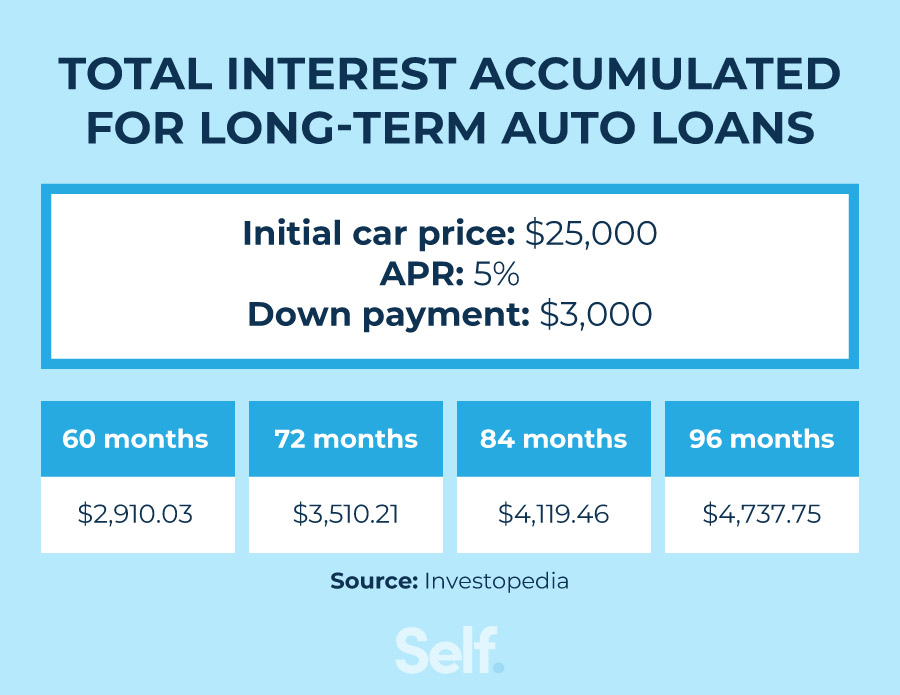
In recent years, longer loan terms, particularly 72-month and 84-month options, have become increasingly prevalent. The primary driver behind this trend is the ever-increasing average price of new vehicles. To make these higher-priced cars affordable on a monthly basis, lenders and dealerships extend the loan duration, thereby lowering the monthly payment. From a consumer perspective, this can seem appealing as it fits expensive cars into tighter budgets. However, the drawbacks are significant. A 72-month loan, and especially an 84-month loan, means paying substantially more in total interest over the life of the loan. It also means you’ll be making payments for a considerably longer period, during which the car will depreciate significantly. This increases the likelihood of being “upside down,” especially in the early years of the loan, where you owe more than the car is worth. This can create a precarious situation if you need to sell or trade in the vehicle prematurely or if it’s totaled.
Shorter-Term Loans (36-Month, 48-Month)
While less common for new car purchases today due to their higher monthly payments, shorter-term loans (36-month or 48-month) offer distinct advantages for those who can afford them. These terms significantly reduce the total interest paid over the life of the loan, saving the borrower a substantial amount of money. They also allow for faster equity build-up, meaning you’ll own the car outright much sooner. This quick path to debt freedom frees up financial resources for other goals and eliminates the worry of being upside down on your loan. Such terms are often pursued by individuals with strong financial standing, substantial down payments, or those financing less expensive used vehicles.
The Pros and Cons of Different Loan Durations
Choosing the right car loan length involves a careful weighing of the immediate financial burden against long-term financial health. Each loan duration comes with its own set of advantages and disadvantages.
Advantages of Shorter Loan Terms
The primary benefit of a shorter loan term (e.g., 36 or 48 months) is the significant reduction in total interest paid. Because you’re paying off the principal more quickly, the interest has less time to accrue, saving you hundreds or even thousands of dollars. Shorter terms also lead to faster equity build-up, meaning you own more of your car sooner and are less likely to be “upside down” on the loan. This provides greater financial flexibility if you decide to sell or trade in the vehicle. Furthermore, being debt-free sooner liberates your monthly cash flow, allowing you to allocate funds towards other financial goals, such as saving for a down payment on a home, investing, or building an emergency fund.
Disadvantages of Shorter Loan Terms
The most apparent drawback of a shorter loan term is the higher monthly payment. This can strain your monthly budget, making it challenging to afford if your income is tight or unpredictable. It demands a more substantial commitment each month, which might leave less room for other expenses or savings. For many, the allure of lower monthly payments offered by longer terms often outweighs the long-term financial benefits of a shorter duration.
Advantages of Longer Loan Terms
The main draw of a longer loan term (e.g., 72 or 84 months) is the lower monthly payment. This makes more expensive vehicles seem affordable and can free up immediate cash flow for other monthly expenses or discretionary spending. For individuals with limited budgets or those needing to preserve cash flow, longer terms can make car ownership more accessible. This flexibility can be crucial for some households trying to manage multiple financial obligations.
Disadvantages of Longer Loan Terms
The disadvantages of longer car loan terms are considerable and often overlooked. The most significant is the substantially higher total interest paid. Extending a loan by a year or two can add thousands to the overall cost of the car. Furthermore, you remain in debt for a longer period, sometimes well beyond the vehicle’s prime years. This increases the risk of negative equity (being “upside down”), where the car’s depreciation outpaces your loan payments, causing you to owe more than the car is worth. This is particularly problematic if you need to sell the car or if it’s totaled in an accident, as you’d still be liable for the difference. Moreover, as cars age, they typically require more maintenance and repairs. With a long loan term, you could be making payments on a vehicle that’s experiencing significant mechanical issues, essentially paying for a depreciating asset that is also costing you more in upkeep.
Strategic Considerations for Choosing Your Loan Length
Making an informed decision about your car loan duration requires a strategic approach that extends beyond simply comparing monthly payments. It involves a holistic view of your financial health and future goals.
Assessing Your Budget and Financial Health
Before committing to any loan term, a thorough assessment of your current budget and overall financial health is critical. Be realistic about what you can comfortably afford each month, not just the car payment, but also associated costs like insurance, fuel, maintenance, and potential repairs. Do you have an emergency fund? Are you contributing to savings and retirement? Your car payment should fit comfortably within your budget without jeopardizing these other crucial financial goals. Prioritize an affordable total cost of ownership over just the lowest possible monthly payment.
The True Cost of Ownership: Beyond the Monthly Payment
The sticker price and monthly payment are only parts of the car ownership equation. The “true cost of ownership” encompasses depreciation, insurance premiums, fuel costs, scheduled maintenance, and unforeseen repairs. A longer loan term might reduce your monthly payment, but it doesn’t reduce these other costs, which can become more significant as the car ages. Factor in how long you typically keep a car. If you usually trade in vehicles every few years, a longer loan term might mean you’re still upside down when it’s time to get a new car, creating a cycle of rolling negative equity into new loans.
Calculating Total Interest Paid
It’s imperative to calculate the total interest paid for different loan terms. Many online calculators can demonstrate how extending a loan from 60 to 72 or 84 months dramatically increases the overall cost. A seemingly small difference in monthly payments can translate into thousands of dollars in extra interest over the life of the loan. Focus on the total financial outlay, not just the immediate cash flow impact. This long-term perspective is crucial for understanding the true financial burden.
Avoiding the “Payment Trap”
One of the most insidious pitfalls in car financing is the “payment trap.” This occurs when consumers focus exclusively on achieving the lowest possible monthly payment, often at the expense of a much higher total cost. Dealerships are skilled at negotiating based on monthly payments, which can obscure the true price of the car and the amount of interest you’ll pay over a longer term. Always negotiate the total price of the car first, then discuss the financing terms. This approach ensures you’re getting a good deal on the vehicle itself before you even consider how long you’ll be paying for it.
The Role of Down Payments and Trade-ins
A significant down payment or the value from a trade-in can dramatically influence your loan options. A larger initial investment reduces the amount you need to borrow, which can allow you to either choose a shorter loan term with manageable payments or significantly lower your payments on a standard term. This not only saves you interest but also helps mitigate the risk of being upside down. Strategically leveraging a down payment is one of the most effective ways to take control of your car financing and reduce the duration or cost of your payments.
Navigating Loan Options and Making an Informed Decision
Armed with an understanding of factors, common durations, and strategic considerations, you’re better equipped to navigate the complex landscape of car financing and make a decision that benefits your financial future.
Pre-Approval and Rate Shopping
One of the most powerful tools at your disposal is getting pre-approved for a loan before you even step foot in a dealership. Pre-approval from a bank or credit union gives you a concrete interest rate and an understanding of the loan terms you qualify for, empowering you with leverage during negotiations. It allows you to shop for the car with confidence, knowing your financing is already secured. Additionally, always shop around for the best rates. Don’t just settle for the financing offered by the dealership. Compare offers from multiple lenders to ensure you’re getting the most competitive APR and favorable terms.
Understanding Loan Terms and Fine Print
Before signing any agreement, meticulously review all loan documentation. Pay close attention to the interest rate, the total amount financed, the total cost of the loan (principal + interest), and any fees. Be aware of potential prepayment penalties – some loans charge a fee if you pay off the loan early. While less common with auto loans, it’s always worth checking. Understand whether the interest is simple or compound. Ask questions about anything you don’t fully comprehend. A truly informed decision requires understanding every clause in your agreement.
Refinancing as a Strategy
If you’ve already taken out a car loan and your financial situation has improved, or interest rates have dropped, refinancing could be a viable strategy. Refinancing involves taking out a new loan to pay off your existing car loan. This can allow you to secure a lower interest rate, which can reduce your monthly payments and/or the total interest paid. Alternatively, you might refinance to shorten your loan term if you can now afford higher monthly payments, accelerating your path to debt freedom. However, be mindful of any fees associated with refinancing and ensure the new loan genuinely offers better terms.
The Goal: Financial Freedom
Ultimately, the goal of responsible car financing is to integrate it seamlessly into your broader financial plan, moving you closer to financial freedom rather than detracting from it. A car is a depreciating asset, and while often a necessity, it should not become a disproportionate drain on your resources. By thoughtfully considering loan duration, prioritizing lower total costs over minimal monthly payments, and understanding the full financial implications, you can make a choice that supports your long-term financial stability and allows you to enjoy your vehicle without undue financial stress.

Conclusion
The question “how long are car payments?” unlocks a crucial discussion about financial planning, risk management, and the true cost of vehicle ownership. While shorter loan terms (36-60 months) generally lead to significant savings in total interest and faster equity accumulation, they come with higher monthly payments. Conversely, longer terms (72-84 months) offer lower monthly payments but at the substantial cost of increased interest, extended debt, and a higher risk of negative equity.
Making an informed decision requires a deep dive into your personal financial situation, including your creditworthiness, budget, and long-term financial goals. It means looking beyond the alluring low monthly payment and understanding the total financial outlay over the life of the loan. By strategically assessing factors like vehicle price, down payment, interest rates, and lender policies, and by actively shopping for the best terms, you empower yourself to choose a loan duration that aligns with your financial well-being. Ultimately, responsible car financing is about striking a prudent balance between immediate affordability and long-term financial health, ensuring your car payments serve you, rather than becoming a prolonged burden.
aViewFromTheCave is a participant in the Amazon Services LLC Associates Program, an affiliate advertising program designed to provide a means for sites to earn advertising fees by advertising and linking to Amazon.com. Amazon, the Amazon logo, AmazonSupply, and the AmazonSupply logo are trademarks of Amazon.com, Inc. or its affiliates. As an Amazon Associate we earn affiliate commissions from qualifying purchases.