
Embarking on the journey to purchase a new vehicle often starts with a pivotal question: “How much car loan can I qualify for?” This isn’t just about curiosity; it’s a strategic inquiry that lays the groundwork for responsible car ownership. Understanding your qualification potential before stepping into a dealership or an online application can save you time, prevent disappointment, and ultimately secure more favorable loan terms. Lenders evaluate a multifaceted profile to determine your eligibility and the maximum amount they’re willing to extend. This comprehensive guide will dissect the critical factors that influence your car loan qualification, offering insights into how to prepare your finances and navigate the application process effectively within the “Money” niche.

Understanding the Core Factors Lenders Consider
When you apply for a car loan, lenders aren’t just looking at your enthusiasm for a new ride; they’re assessing their risk. They want assurance that you can, and will, repay the loan. This assessment revolves around several key financial indicators that paint a picture of your financial health and reliability.
Your Credit Score: The Ultimate Indicator
At the top of the list is your credit score. This three-digit number, primarily FICO or VantageScore, is a snapshot of your creditworthiness, reflecting your history of borrowing and repayment. Lenders use it as a primary filter to gauge your likelihood of defaulting on a loan.
-
Excellent Credit (780-850): Borrowers in this range typically qualify for the lowest interest rates and most generous loan terms. They are seen as very low risk.
-
Good Credit (670-779): Most consumers fall into this category. You’ll likely qualify for competitive rates, though perhaps not the absolute best.
-
Fair Credit (580-669): Qualification is still possible, but you can expect higher interest rates, which means a higher total cost over the life of the loan. Lenders might also impose stricter terms.
-
Poor Credit (300-579): Securing a traditional car loan can be challenging with a poor credit score. If approved, interest rates will be significantly higher, often requiring a larger down payment or a co-signer to mitigate the lender’s risk.
A higher credit score signals a history of responsible financial behavior, making you a more attractive borrower and potentially qualifying you for a larger loan amount at a lower annual percentage rate (APR).
Debt-to-Income Ratio: Balancing Your Finances
Your debt-to-income (DTI) ratio is another critical metric. It’s calculated by dividing your total monthly debt payments (credit cards, student loans, mortgage, personal loans, etc.) by your gross monthly income. This ratio tells lenders how much of your income is already allocated to debt, indicating your capacity to take on additional payments.
-
Ideal DTI: Most lenders prefer a DTI ratio of 36% or lower, though some might go up to 43% for car loans. A lower DTI signifies that you have ample disposable income to manage new debt, increasing your qualification amount.
-
High DTI: A high DTI suggests that a significant portion of your income is already committed to existing debts, leaving less room for a new car payment. This can limit the loan amount you qualify for or lead to higher interest rates. Lenders are cautious about over-burdening borrowers, as it increases the risk of default.
Income Stability and Employment History
Lenders want assurance that you have a consistent and reliable source of income to make your monthly payments. They will typically look at your employment history, duration at your current job, and the consistency of your income.
-
Steady Employment: A stable job history, ideally with the same employer for at least two years, demonstrates reliability. Self-employed individuals may need to provide tax returns for the past two to three years to prove consistent income.
-
Sufficient Income: Your income must be sufficient to cover the projected monthly car payment in addition to your existing financial obligations. Lenders have internal guidelines for how much of your income can realistically go towards a car payment. While there’s no fixed rule, they want to see a comfortable buffer.
Down Payment and Trade-In Value
The amount of money you’re willing to put down upfront, either through a cash down payment or the value of a trade-in vehicle, significantly impacts your loan qualification and terms.
-
Reduced Risk: A larger down payment reduces the amount you need to borrow, thereby lowering the lender’s risk. It also means you’ll have smaller monthly payments and pay less interest over the life of the loan.
-
Loan-to-Value (LTV) Ratio: Lenders consider the loan-to-value (LTV) ratio, which compares the loan amount to the car’s value. A high LTV (e.g., borrowing 100% or more of the car’s value, which can happen if you roll negative equity from a trade-in into the new loan) is riskier for the lender and can lead to less favorable terms or even rejection. A substantial down payment helps keep your LTV low and attractive.
Preparing Your Finances for a Car Loan Application
Proactive financial preparation can dramatically improve your chances of qualifying for a car loan with optimal terms. A little groundwork can translate into significant savings and a smoother borrowing experience.
Checking Your Credit Report and Score
Before applying, obtain a free copy of your credit report from AnnualCreditReport.com (one free report from each of the three major bureaus annually). Review it meticulously for any errors or inaccuracies, such as accounts you didn’t open or payments incorrectly marked as late. Disputing and correcting these errors can boost your credit score. Simultaneously, check your actual credit score through services like Credit Karma, your bank, or other financial apps. Understanding your current standing allows you to set realistic expectations and identify areas for improvement.
Reducing Existing Debt
Lowering your existing debt, especially high-interest credit card balances, can have a dual positive effect. Firstly, it reduces your debt-to-income ratio, making you appear less risky to lenders. Secondly, by freeing up more of your monthly income, it demonstrates a greater capacity to handle a new car payment comfortably. Focus on paying down smaller debts entirely or making significant payments on larger balances.
Saving for a Down Payment
Aim to save for a substantial down payment. While 10-20% is often recommended for new cars and 10% for used cars, any amount you can put down will help. A larger down payment:
-
Reduces your monthly payment.
-
Decreases the total interest paid over the life of the loan.
-
Improves your loan-to-value ratio, making you a more attractive borrower.
-
Helps avoid being “underwater” on your loan (owing more than the car is worth) early in ownership.
Gathering Necessary Documentation
Being organized with your financial documents streamlines the application process. Lenders will typically require:
-
Proof of identity (driver’s license, passport).
-
Proof of residence (utility bill, lease agreement).
-
Proof of income (pay stubs, tax returns, bank statements).
-
Social Security number.
-
Information about existing debts and assets.
Having these readily available demonstrates seriousness and efficiency.
Navigating Loan Options and Types
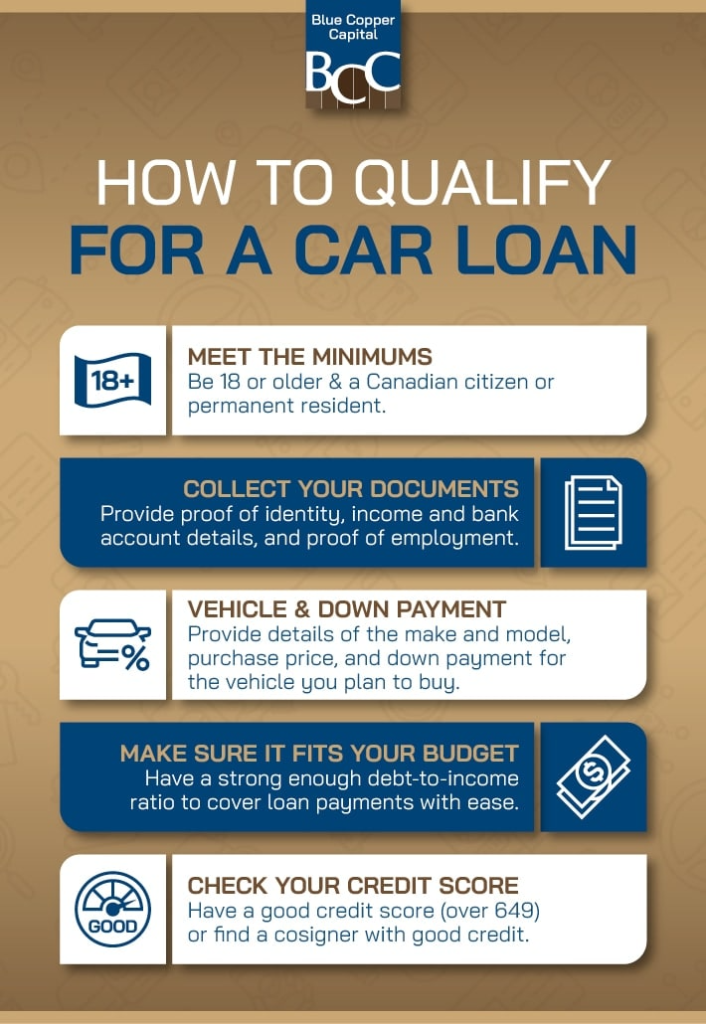
Not all car loans are created equal. Understanding the different types and sources of financing can help you make an informed decision and potentially qualify for better rates and terms.
Secured vs. Unsecured Loans
Car loans are almost always secured loans. This means the vehicle itself serves as collateral. If you default on payments, the lender has the right to repossess the car. Because of the collateral, secured loans typically come with lower interest rates compared to unsecured loans (like personal loans, which have no collateral). While an unsecured personal loan could be used to buy a car, it’s generally not advisable due to higher interest rates and often shorter repayment terms.
Direct Lending vs. Dealership Financing
You essentially have two main avenues for securing a car loan:
-
Direct Lending: This involves applying directly to banks, credit unions, or online lenders before you visit the dealership. Getting pre-approved through a direct lender gives you a strong bargaining chip and a clear understanding of your budget. Credit unions, in particular, often offer competitive rates to their members.
-
Dealership Financing: Dealerships act as intermediaries, working with a network of lenders to find you a loan. While convenient, the dealer might mark up the interest rate to earn a profit. However, dealerships also sometimes offer special manufacturer incentives or low APR programs that direct lenders cannot match. It’s wise to compare offers from both direct lenders and dealerships.
New vs. Used Car Loans: What’s the Difference?
The type of car you’re buying can also affect your loan terms:
-
New Car Loans: Generally come with lower interest rates and longer repayment periods (e.g., 60-72 months) because new cars have a higher and more predictable value, making them less risky for lenders.
-
Used Car Loans: Often have slightly higher interest rates and shorter repayment terms. This is because used cars can be more difficult to value, may have unforeseen mechanical issues, and their value depreciates more rapidly. The age and mileage of the used car also play a role; very old or high-mileage vehicles might not qualify for traditional financing and could require specialized loans with higher rates.
The Application Process: Step-by-Step
Knowing what to expect during the application process can reduce stress and empower you to make more confident financial decisions.
Pre-Approval: Your Strategic Advantage
Getting pre-approved for a car loan is perhaps the most powerful step you can take. A pre-approval from a bank or credit union gives you:
-
A Solid Budget: You’ll know exactly how much you can borrow, allowing you to shop within your means.
-
Negotiating Power: You enter the dealership as a cash buyer, shifting the focus from “can I get a loan?” to “what’s the best price for this car?” This can prevent dealers from manipulating the loan terms to increase their profit.
-
Rate Comparison: You’ll have an established interest rate, which you can then use to compare against any offers from the dealership, ensuring you get the most favorable terms.
Shopping for the Car (and the Loan)
With pre-approval in hand, you’re ready to shop for your vehicle. Once you’ve chosen a car, you can then compare your pre-approved loan offer with any financing options the dealership presents. Don’t be afraid to negotiate the interest rate or other loan terms. Remember, you have choices, and competition among lenders is fierce.
Understanding the Loan Offer and Fine Print
Before signing any documents, meticulously review the entire loan agreement. Pay close attention to:
-
APR (Annual Percentage Rate): This is the true cost of borrowing, encompassing the interest rate and any fees.
-
Loan Term: The length of the loan (e.g., 36, 48, 60, 72 months). Longer terms mean lower monthly payments but more interest paid over time.
-
Total Amount Financed: Ensure this matches your understanding, accounting for the car’s price, fees, and down payment.
-
Prepayment Penalties: Check if there are any fees for paying off the loan early.
-
Additional Fees: Scrutinize any origination fees, documentation fees, or extended warranty costs that might be rolled into the loan.
Don’t hesitate to ask questions about anything you don’t understand. A reputable lender will be transparent and willing to explain all terms.
Maximizing Your Qualification Potential and Loan Terms
Even if your current financial standing isn’t perfect, there are strategies you can employ to improve your qualification and secure better loan terms.
Improving Your Credit Score Over Time
If your credit score needs work, dedicate some time to improving it before applying for a car loan. Strategies include:
-
Paying Bills on Time: Payment history is the most significant factor in your credit score.
-
Reducing Credit Utilization: Keep your credit card balances low relative to your credit limits.
-
Avoiding New Credit: Don’t open new credit accounts right before applying for a car loan, as this can temporarily ding your score.
-
Disputing Errors: As mentioned, correct any inaccuracies on your credit report.
Negotiation Strategies for Better Rates
Don’t accept the first loan offer you receive. Lenders often have some flexibility, especially if you have good credit.
-
Get Multiple Quotes: Apply to several lenders (within a short timeframe to minimize credit score impact) to compare their best offers.
-
Use Your Pre-Approval: Leverage a strong pre-approval offer to negotiate a better rate from the dealership’s financing department.
-
Highlight Your Strengths: If you have a stable job, low DTI, or a significant down payment, emphasize these points.

The Role of a Co-Signer
If you have a limited credit history or a lower credit score, a co-signer with excellent credit can significantly boost your qualification chances and help you secure better loan terms.
-
Shared Responsibility: A co-signer agrees to be legally responsible for the loan if you fail to make payments.
-
Careful Consideration: This is a significant commitment for the co-signer, as their credit will also be impacted if you miss payments. Ensure both parties fully understand the implications.
Ultimately, qualifying for a car loan, and the amount you qualify for, is a reflection of your overall financial health. By understanding the key metrics lenders use, preparing your finances diligently, exploring various loan options, and approaching the application process strategically, you can confidently navigate the path to car ownership and drive away with a loan that aligns with your financial well-being.
aViewFromTheCave is a participant in the Amazon Services LLC Associates Program, an affiliate advertising program designed to provide a means for sites to earn advertising fees by advertising and linking to Amazon.com. Amazon, the Amazon logo, AmazonSupply, and the AmazonSupply logo are trademarks of Amazon.com, Inc. or its affiliates. As an Amazon Associate we earn affiliate commissions from qualifying purchases.