
Bitcoin, the pioneering cryptocurrency, has captured the world’s imagination not just for its technological innovation, but primarily for its meteoric rise in value. From a virtually worthless digital experiment to an asset often trading in the tens of thousands of dollars, its journey has been nothing short of extraordinary. This remarkable appreciation has baffled skeptics, enriched early adopters, and presented a compelling new frontier for investors and financial institutions alike. Understanding “why are bitcoins worth so much” requires a deep dive into its inherent design, market dynamics, utility, and its evolving role in the global financial landscape. It’s a story rooted in economics, psychology, and a profound shift in how we perceive and manage value.

The Scarcity Principle and Digital Gold Narrative
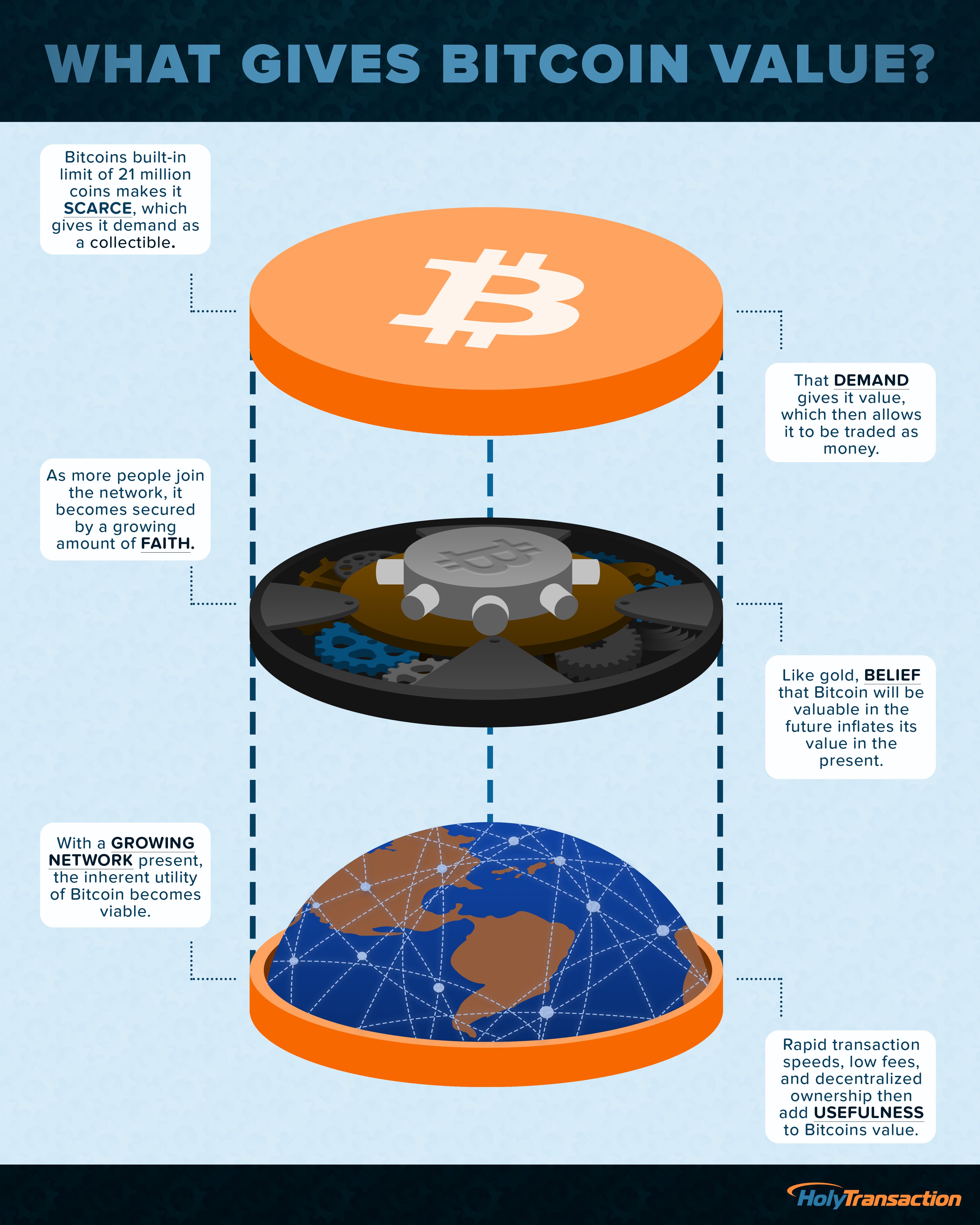
At the heart of Bitcoin’s substantial value proposition lies an economic principle as old as currency itself: scarcity. Unlike traditional fiat currencies that can be printed by central banks at will, Bitcoin operates under a strict, immutable supply cap. This fundamental design choice creates an asset inherently limited in quantity, mirroring the characteristics that have historically made precious metals like gold valuable.
Fixed Supply Cap: A Deliberate Design
When Satoshi Nakamoto created Bitcoin, they embedded a definitive cap on the total number of bitcoins that will ever exist: 21 million. This hard limit is coded into Bitcoin’s protocol and cannot be altered. Every four years, roughly, the reward for mining new blocks (which creates new bitcoins) is cut in half, an event known as “halving.” This predictable and ever-decreasing rate of new supply issuance ensures that Bitcoin’s scarcity intensifies over time. The economic implication is profound: as demand grows, and supply remains finite, the intrinsic value of each unit naturally increases, assuming sustained interest and utility. This engineered scarcity stands in stark contrast to the inflationary nature of fiat currencies, whose supply can be expanded indefinitely, often leading to a dilution of purchasing power. Investors increasingly view this fixed supply as a crucial safeguard against inflation, positioning Bitcoin as a potential hedge in an era of unprecedented monetary expansion by central banks.
Halving Events: Reinforcing Scarcity and Price Action
The Bitcoin halving event is a pivotal moment in its economic cycle. Approximately every four years, the reward for successfully mining a new block of transactions is halved, reducing the rate at which new bitcoins enter circulation. This predictable supply shock has historically preceded significant price rallies. The logic is straightforward: if demand remains constant or increases, while the influx of new supply is suddenly cut in half, the market dynamics shift dramatically, placing upward pressure on prices. These events are not speculative anomalies but are hardwired into Bitcoin’s protocol, providing transparent and predictable supply-side adjustments. Each halving reinforces the asset’s scarcity narrative, reminding the market of its finite nature and the deliberate mechanisms designed to maintain its value proposition over the long term. For many investors, understanding the halving cycles is key to appreciating Bitcoin’s unique economic model and its historical price trajectory.
Bitcoin as a Store of Value: The “Digital Gold” Thesis
The “digital gold” narrative is perhaps the most compelling argument for Bitcoin’s high valuation. In an increasingly digital world, Bitcoin offers many of the same attributes that have historically made gold a revered store of value: scarcity, durability, divisibility, portability, and fungibility. However, Bitcoin often surpasses gold in several key areas. It can be sent anywhere in the world instantly and securely, is incredibly divisible (down to eight decimal places), and its authenticity is verifiable through cryptographic proof, making counterfeiting impossible. In an age of economic uncertainty, geopolitical instability, and concerns over fiat currency debasement, Bitcoin provides an alternative, censorship-resistant asset that exists outside the control of any single government or financial institution. This independence and inherent resistance to inflation have attracted both individual and institutional investors seeking a safe haven asset, further solidifying its perceived worth and contributing significantly to its market price. The “digital gold” thesis is not just a catchy phrase; it’s a fundamental re-evaluation of what constitutes a valuable asset in the 21st century.
Market Dynamics and Investor Sentiment
Beyond its inherent design, Bitcoin’s value is heavily influenced by the ever-shifting tides of market dynamics and the collective sentiment of its participants. Like any other asset class, supply and demand fundamentals play a crucial role, but the cryptocurrency market also exhibits unique characteristics driven by rapid technological adoption, regulatory uncertainty, and a strong community ethos.
Supply and Demand Fundamentals
While Bitcoin’s supply schedule is fixed and transparent, its demand side is far more volatile and multifaceted. Demand stems from various sources: individual investors seeking speculative gains or a long-term store of value, institutional players diversifying portfolios, companies accepting Bitcoin for payments, and even nation-states exploring its adoption. Price discovery occurs on myriad exchanges globally, where buyers and sellers constantly interact. When demand outstrips the available supply on these exchanges, prices rise; conversely, an excess of sellers drives prices down. Factors influencing demand include global economic conditions, technological advancements in the crypto space, media coverage, and public perception. The relative illiquidity compared to traditional assets, especially in its early days, meant that even relatively small buy or sell orders could have a disproportionate impact on its price, contributing to its famed volatility but also its explosive growth. As the market matures, liquidity is improving, but supply and demand remain the primary short-term price drivers.
Institutional Adoption and Mainstream Acceptance
A significant factor contributing to Bitcoin’s elevated worth, particularly in recent years, has been the increasing interest and adoption by institutional investors and mainstream financial corporations. What was once seen as a fringe asset for tech enthusiasts and libertarians has steadily gained legitimacy in the eyes of hedge funds, asset managers, corporations, and even public companies. The entry of players like MicroStrategy, Tesla (albeit temporarily for payment acceptance), and various investment funds into Bitcoin signifies a crucial shift. The launch of Bitcoin Exchange-Traded Funds (ETFs) in several countries, including the landmark spot Bitcoin ETFs in the U.S., has provided regulated, accessible avenues for traditional investors to gain exposure to Bitcoin without directly holding the asset. This institutional validation not only brings significant capital inflows but also lends credibility and stability to the market, convincing more hesitant investors to allocate a portion of their portfolios to this new asset class. Mainstream acceptance signals a maturation of the asset, moving it from the periphery to a more integrated position within the broader financial ecosystem.
Retail Investor FOMO and Speculative Cycles
While institutional money provides a foundation, a substantial portion of Bitcoin’s price surges can often be attributed to “Fear Of Missing Out” (FOMO) among retail investors. Bitcoin’s parabolic rallies frequently generate significant media attention, drawing in new participants eager to capitalize on potential gains. This speculative interest can create self-fulfilling prophecies, where rising prices attract more buyers, pushing prices even higher in a positive feedback loop. These cycles are characteristic of emerging asset classes and are often accompanied by periods of extreme volatility and subsequent corrections. Social media, online forums, and crypto-specific news outlets play a crucial role in amplifying sentiment, sometimes leading to irrational exuberance or panic selling. Understanding Bitcoin’s worth involves acknowledging this speculative component, which, while contributing to its rapid ascent, also underscores the inherent risks and volatility associated with investing in such a dynamic and nascent market.
Utility and Disruptive Potential in Finance
Beyond its role as a speculative asset or a store of value, Bitcoin’s underlying technology and design offer profound utility that promises to disrupt traditional financial systems. This practical application and the potential for greater efficiency and inclusion significantly contribute to its long-term value proposition.
Decentralization and Freedom from Intermediaries
One of Bitcoin’s most revolutionary features is its decentralized nature. It operates on a peer-to-peer network, meaning transactions occur directly between users without the need for traditional financial intermediaries like banks, payment processors, or governments. This eliminates single points of failure, reduces censorship risk, and removes the need for trust in a central authority. For individuals in regions with unstable banking systems, high inflation, or authoritarian regimes, Bitcoin offers an unparalleled level of financial autonomy and control over their assets. This freedom from intermediaries translates into lower transaction costs, faster settlement times, and greater accessibility, particularly for the unbanked or underbanked global population. The utility derived from these features is a powerful driver of its intrinsic value, positioning Bitcoin as a foundational layer for a more resilient and equitable global financial system.
Borderless Transactions and Financial Inclusion
Bitcoin’s ability to facilitate borderless, permissionless transactions is a game-changer for international remittances and global commerce. Sending money across borders using traditional systems is often slow, expensive, and subject to various regulatory hurdles. Bitcoin, however, allows for value to be transferred anywhere in the world, 24/7, with minimal fees and in a matter of minutes or hours, regardless of the amount. This capability has profound implications for financial inclusion, enabling individuals in developing countries to participate more readily in the global economy. It empowers migrant workers to send money home more efficiently, supports international trade for small businesses, and provides a pathway for those without access to traditional banking services to store and transact value securely. The practical utility of Bitcoin as a global payment rail and an instrument for financial empowerment significantly bolsters its long-term economic relevance and contributes to its high market capitalization.
Inflation Hedge and Macroeconomic Uncertainty
In an era marked by quantitative easing, rising national debts, and fluctuating fiat currency values, Bitcoin has increasingly been viewed as an effective inflation hedge. Its fixed supply, as discussed, stands in stark contrast to the ever-expanding supply of fiat currencies, whose purchasing power can be eroded by inflation. As central banks globally have pursued expansionary monetary policies, many investors, both retail and institutional, have sought assets outside the traditional system to preserve wealth. Bitcoin’s performance during periods of heightened inflation has, at times, correlated with its growing appeal as a store of value. It offers an alternative investment that is not directly tied to the fiscal policies of any single nation-state, providing diversification against macroeconomic uncertainties and currency devaluations. This function as a hedge against a potentially unstable global financial system is a compelling reason for its adoption and contributes significantly to its perceived worth in times of economic turbulence.
The Evolving Regulatory Landscape and Future Outlook
Bitcoin’s journey from an obscure digital token to a globally recognized asset has necessitated interactions with governments and regulatory bodies worldwide. The evolving regulatory landscape, coupled with continuous infrastructure development, will play a critical role in shaping Bitcoin’s future valuation and its integration into mainstream finance.
Maturing Infrastructure: ETFs and Regulated Products
The maturation of Bitcoin’s financial infrastructure has been a crucial step in its journey to mainstream acceptance and higher valuation. The introduction of regulated investment vehicles, most notably spot Bitcoin Exchange-Traded Funds (ETFs) in major markets like the U.S., represents a watershed moment. These products allow a broader spectrum of investors, including large institutional players, to gain exposure to Bitcoin through familiar, regulated channels without the complexities of direct custody. Beyond ETFs, the emergence of regulated crypto exchanges, custodian services, and derivatives markets has professionalized the industry, reducing barriers to entry and mitigating some of the risks traditionally associated with digital assets. This expanding and maturing financial infrastructure provides a smoother on-ramp for capital, increasing liquidity and depth in the market, which inherently supports Bitcoin’s price and long-term stability. It signifies Bitcoin’s transition from a speculative digital commodity to a recognized asset class within the conventional financial system.
Global Regulatory Approaches and Their Impact
The varied and often conflicting regulatory approaches taken by governments worldwide present both challenges and opportunities for Bitcoin’s value. While some nations have embraced Bitcoin, seeing its potential for innovation and economic growth, others have imposed strict restrictions or outright bans. Clear and supportive regulation can foster innovation, attract institutional capital, and provide legal certainty for investors, thereby boosting confidence and demand. Conversely, restrictive regulations or outright bans can suppress adoption and create market uncertainty, negatively impacting prices. The global nature of Bitcoin means that a patchwork of regulations creates complexities, but also highlights its resilience and adaptability. As governments increasingly grapple with how to categorize and govern digital assets, a trend towards clearer, more harmonized frameworks could unlock significant further value for Bitcoin by reducing regulatory arbitrage and increasing its legitimacy across borders. The regulatory environment remains a significant factor influencing its market dynamics and overall worth.

Bitcoin’s Long-Term Role in a Diversified Portfolio
Looking ahead, Bitcoin’s long-term worth will increasingly be determined by its established role within diversified investment portfolios. As it moves beyond its purely speculative phase, financial advisors and institutional asset managers are evaluating Bitcoin for its potential to act as a non-correlated asset (offering diversification benefits), an inflation hedge, and a high-growth investment opportunity. Its unique blend of scarcity, decentralization, and global reach positions it differently from traditional assets like stocks, bonds, or even gold. While volatility remains a factor, the professionalization of the market and clearer regulatory pathways are enabling more sophisticated risk management strategies. For investors seeking to navigate an uncertain economic future, a small allocation to Bitcoin is increasingly viewed not as a gamble, but as a strategic diversification against potential systemic risks in traditional finance. Its persistent presence, growing infrastructure, and increasing mainstream acceptance suggest that Bitcoin is poised to carve out a permanent and significant niche in the global financial landscape, justifying its substantial and growing worth.
aViewFromTheCave is a participant in the Amazon Services LLC Associates Program, an affiliate advertising program designed to provide a means for sites to earn advertising fees by advertising and linking to Amazon.com. Amazon, the Amazon logo, AmazonSupply, and the AmazonSupply logo are trademarks of Amazon.com, Inc. or its affiliates. As an Amazon Associate we earn affiliate commissions from qualifying purchases.