
In the rapidly evolving world of digital assets, few topics spark as much curiosity and debate as Bitcoin. Often dubbed “digital gold,” Bitcoin has captivated investors, financial institutions, and the general public alike, not least because of its dramatic price swings. The question “how much is 3 Bitcoins?” is more than just a simple arithmetic problem; it’s an inquiry into a dynamic, volatile, and globally influenced market that demands a nuanced understanding.
At its core, determining the value of any amount of Bitcoin requires looking at its current market price. However, this seemingly straightforward calculation belies a complex interplay of economic, technological, and psychological factors that constantly shape its valuation. Unlike traditional currencies backed by governments or physical commodities, Bitcoin’s value is derived from decentralized consensus, scarcity, and its utility within the blockchain ecosystem. For anyone considering an investment in this digital asset, or simply trying to comprehend its place in the modern financial landscape, understanding these underlying mechanisms is paramount.
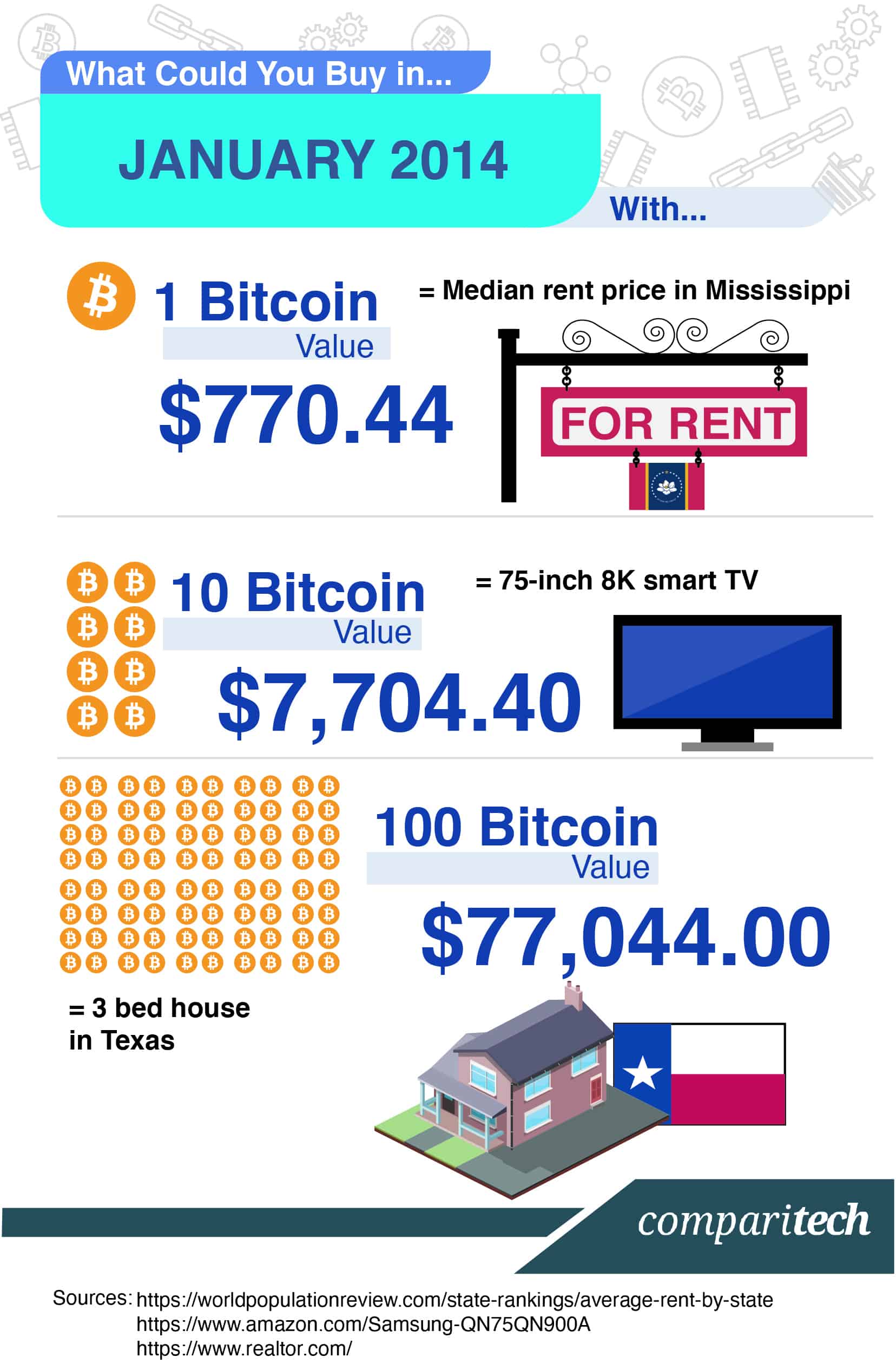
The Dynamic Nature of Bitcoin’s Price
Bitcoin’s price is not static; it fluctuates continuously, often by significant margins, within minutes or even seconds. This inherent volatility is one of its defining characteristics, making real-time valuation crucial for accurate assessment.
Real-Time Valuation: Why the Price Fluctuates
The value of Bitcoin is determined by supply and demand dynamics on global cryptocurrency exchanges. Millions of transactions occur daily across hundreds of platforms worldwide, each contributing to the asset’s constantly shifting price. When demand outstrips supply, the price rises; conversely, an excess of sellers drives the price down. This continuous negotiation between buyers and sellers, often influenced by high-frequency trading algorithms, creates the real-time ticker tape we observe.
Several factors contribute to these fluctuations. News events, regulatory announcements, technological developments, and even social media sentiment can trigger rapid shifts. For instance, a major country legalizing Bitcoin as tender or a prominent corporation adding it to its balance sheet can send prices soaring. Conversely, news of a security breach at an exchange or a government crackdown on crypto mining can cause sharp declines. This makes Bitcoin a highly speculative asset, where timing and market analysis play critical roles in investment outcomes.
Key Factors Influencing Bitcoin’s Market Value
Beyond the immediate supply and demand, several overarching factors shape Bitcoin’s long-term and short-term market value:
-
Supply and Demand: Bitcoin has a hard cap of 21 million coins that will ever be mined, making it a scarce asset. The “halving” events, which occur approximately every four years and reduce the supply of new Bitcoin entering circulation, are often correlated with subsequent price appreciation.
-
Macroeconomic Environment: Global economic conditions significantly impact Bitcoin. During periods of high inflation or economic uncertainty, some investors view Bitcoin as a “safe haven” or an inflation hedge, similar to gold. Conversely, rising interest rates or a strong dollar might divert capital away from riskier assets like Bitcoin.
-
Regulatory Landscape: Government regulations, or the lack thereof, profoundly affect Bitcoin’s perceived legitimacy and utility. Positive regulatory frameworks, such as those permitting Bitcoin ETFs, can boost institutional adoption, while restrictive measures can stifle growth.
-
Technological Developments and Network Health: The robustness and security of the Bitcoin network itself, including advancements like the Lightning Network for faster transactions, contribute to its intrinsic value. Any perceived vulnerability or significant upgrade can influence investor confidence.
-
Mainstream Adoption and Utility: As more businesses accept Bitcoin for payments, and as financial institutions integrate it into their services, its utility and adoption grow, potentially increasing demand and value.
-
Market Sentiment and News Cycles: The cryptocurrency market is heavily influenced by sentiment. Positive news, endorsements from influential figures, or even viral social media trends can create “FOMO” (Fear Of Missing Out) and drive buying frenzies. Negative news, on the other hand, can trigger panic selling.
Calculating the Value of Your Bitcoin Holdings
Given Bitcoin’s dynamic nature, calculating the value of 3 Bitcoins isn’t a one-time operation but rather a snapshot at a specific moment in time.
Using Exchange Rates and Converters
The most straightforward way to determine the value of 3 Bitcoins is to multiply the current market price of one Bitcoin by three. Cryptocurrency exchanges (like Coinbase, Binance, Kraken, Gemini) and financial data websites (like CoinMarketCap, CoinGecko, Google Finance) provide real-time prices. For example, if 1 Bitcoin is trading at $60,000, then 3 Bitcoins would be worth $180,000. It’s crucial to check the price on a reliable platform moments before you need the calculation, as the value can change rapidly. Many platforms also offer built-in calculators or converters for convenience.
Transaction Costs and Their Impact
When buying, selling, or transferring Bitcoin, you’ll likely encounter transaction fees. These can include:
-
Exchange Fees: Most exchanges charge a percentage-based fee on trades (e.g., 0.1% to 1.5% per trade), or a flat fee for smaller transactions. These fees reduce the net amount you receive when selling or increase the total cost when buying.
-
Network Fees (Miner Fees): These are paid to the Bitcoin miners who process and validate transactions on the blockchain. Network fees vary based on network congestion and the size of your transaction. While typically small, they can impact the profitability of frequent, small trades.
-
Withdrawal Fees: Some exchanges charge a fee to withdraw Bitcoin or fiat currency from their platform to an external wallet or bank account.
These costs, though seemingly minor, can accumulate and impact the real-world value of your Bitcoin holdings, especially for large amounts or frequent trading. An investor holding 3 Bitcoins must factor in these costs when calculating potential gains or losses.
Understanding Different Fiat Currency Equivalents
Bitcoin’s price is often quoted against major fiat currencies like the US Dollar (USD), Euro (EUR), or Japanese Yen (JPY). However, its value can also be expressed against other cryptocurrencies (e.g., BTC/ETH). For international investors, it’s essential to consider the exchange rate between your local currency and the currency in which Bitcoin is quoted. For instance, if Bitcoin is $60,000, and your local currency is the Canadian Dollar (CAD), you would convert $180,000 USD to CAD using the prevailing USD/CAD exchange rate to get the value in CAD. This adds another layer of currency risk and conversion costs.
Bitcoin as an Investment: Opportunities and Risks
For many, Bitcoin is more than just a digital currency; it’s a significant investment vehicle. Understanding both its potential for growth and the inherent risks is crucial for any financial strategy.
Potential for Capital Appreciation
Bitcoin’s history is marked by extraordinary rallies, with early investors seeing monumental returns. Its fundamental characteristics – scarcity, decentralization, and increasing adoption – are often cited as drivers for continued capital appreciation. Proponents believe that as digital economies expand and traditional financial systems face challenges, Bitcoin’s role as a store of value and a medium of exchange will strengthen, pushing its price higher. The limited supply creates a powerful demand-side pressure, especially as more institutional investors, corporations, and even sovereign states consider integrating Bitcoin into their treasuries.
Navigating Market Volatility and Risk Management
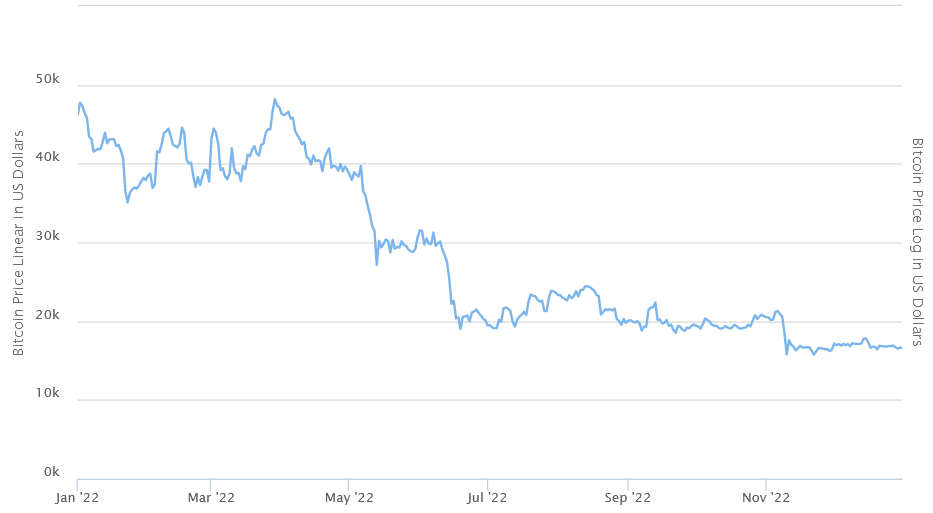
Despite its potential, Bitcoin remains a highly volatile asset. Price corrections of 20%, 30%, or even 50% are not uncommon. This volatility makes it a high-risk investment, and investors must be prepared for significant fluctuations. Effective risk management strategies are vital:
-
Dollar-Cost Averaging (DCA): Investing a fixed amount regularly, regardless of the price, can help average out the purchase cost over time and reduce the impact of volatility.
-
Stop-Loss Orders: For active traders, setting stop-loss orders can limit potential losses by automatically selling Bitcoin if it drops to a predetermined price.
-
Never Invest More Than You Can Afford to Lose: This golden rule of investing is especially pertinent for cryptocurrencies. Given the speculative nature, only allocate capital that, if lost, would not significantly impact your financial well-being.
-
Thorough Research: Understand the technology, market dynamics, and regulatory environment before investing.
The Role of Diversification in a Crypto Portfolio
While Bitcoin often dominates headlines, the cryptocurrency market is vast, with thousands of other digital assets (altcoins). Diversification within a crypto portfolio means spreading investments across different cryptocurrencies, not just Bitcoin. This can help mitigate risk, as different assets may perform well under varying market conditions. For example, some altcoins focus on decentralized finance (DeFi), others on gaming (GameFi), and others on specific blockchain applications. While Bitcoin often acts as a barometer for the broader crypto market, a well-diversified portfolio might include a mix of large-cap cryptocurrencies (like Ethereum), smaller-cap promising projects, and stablecoins (cryptocurrencies pegged to fiat currencies) to balance risk and potential return.
Practical Considerations for Buying, Holding, and Selling Bitcoin
Engaging with Bitcoin requires practical knowledge about how to acquire, secure, and liquidate your holdings responsibly.
Choosing a Reputable Exchange
The first step for most individuals is to choose a reputable cryptocurrency exchange. Key considerations include:
-
Security: Look for exchanges with strong security measures, including two-factor authentication (2FA), cold storage for assets, and insurance policies.
-
Fees: Compare trading, deposit, and withdrawal fees.
-
Liquidity: Ensure the exchange has sufficient trading volume to facilitate quick and fair transactions.
-
Regulatory Compliance: Opt for exchanges that comply with local financial regulations and have appropriate licenses.
-
User Experience: A user-friendly interface and responsive customer support are important, especially for beginners.
Popular choices include Coinbase, Binance, Kraken, and Gemini, but regional options may also be available.
Secure Storage: Wallets and Custodial Services
Once you own Bitcoin, secure storage is paramount. There are two main categories of wallets:
-
Hot Wallets (Online/Software Wallets): Connected to the internet, these include exchange wallets, mobile apps, and desktop software wallets. While convenient for frequent trading, they are more susceptible to hacking risks.
-
Cold Wallets (Hardware Wallets): Physical devices (like Ledger or Trezor) that store your private keys offline. These offer the highest level of security for long-term holding and are highly recommended for significant amounts of Bitcoin, such as 3 BTC.
For larger holdings like 3 Bitcoins, storing them in a hardware wallet is generally considered the safest option. Alternatively, some institutions offer custodial services, where they securely hold your assets on your behalf, often with insurance, though this comes with associated fees.
Tax Implications of Cryptocurrency Transactions
Taxation is a critical aspect of owning and trading Bitcoin that often gets overlooked. In many jurisdictions, cryptocurrencies are treated as property for tax purposes, meaning:
-
Capital Gains Tax: If you sell Bitcoin for more than you bought it for, you may incur capital gains tax. The tax rate often depends on how long you held the asset (short-term vs. long-term).
-
Income Tax: Earning Bitcoin through mining, staking, or as payment for goods/services may be considered taxable income.
-
Record Keeping: It’s essential to keep meticulous records of all your Bitcoin transactions, including purchase dates, prices, sale dates, prices, and fees, to accurately calculate your tax obligations.
-
Specific Rules: Tax laws for cryptocurrencies vary significantly by country and can change. Consulting with a tax professional experienced in digital assets is highly advisable to ensure compliance.
The Future Outlook: What Drives Bitcoin’s Long-Term Value?
Looking ahead, the question of “how much is 3 Bitcoins?” will continue to be framed by its evolving role in the global financial system.
Institutional Adoption and Mainstream Integration
The increasing embrace of Bitcoin by institutional investors, corporations, and even governments is a significant long-term driver of value. The launch of Bitcoin ETFs, the acceptance of Bitcoin as a payment method by major companies, and its inclusion in corporate treasury strategies lend legitimacy and stability to the asset. As more traditional financial rails integrate Bitcoin, its liquidity deepens, and its risk profile may, over time, become less volatile as it matures.
Technological Advancements and Network Security
The underlying blockchain technology and the continuous development around the Bitcoin network are vital for its long-term viability. Enhancements in scalability (e.g., Lightning Network), privacy, and security ensure that Bitcoin remains robust and capable of handling increasing transaction volumes efficiently. A secure and reliable network underpins confidence in Bitcoin as a store of value and a medium of exchange.
The Digital Gold Narrative and Inflation Hedge
One of the most compelling narratives for Bitcoin’s long-term value is its positioning as “digital gold.” In an era of unprecedented fiat currency printing and concerns about inflation, Bitcoin’s fixed supply and decentralized nature appeal to investors seeking an asset that cannot be devalued by government policy. While its volatility means it doesn’t always act as a perfect inflation hedge in the short term, many believe its long-term trajectory will increasingly reflect its role as a scarce, censorship-resistant store of value in the digital age.
In conclusion, understanding “how much is 3 Bitcoins” goes beyond a simple price check. It involves appreciating the complex market forces that drive its value, implementing sound financial practices for investment and security, and considering its profound potential in the evolving global economy. For those navigating the world of digital finance, Bitcoin remains a fascinating and potentially lucrative, albeit risky, asset to comprehend.
aViewFromTheCave is a participant in the Amazon Services LLC Associates Program, an affiliate advertising program designed to provide a means for sites to earn advertising fees by advertising and linking to Amazon.com. Amazon, the Amazon logo, AmazonSupply, and the AmazonSupply logo are trademarks of Amazon.com, Inc. or its affiliates. As an Amazon Associate we earn affiliate commissions from qualifying purchases.