
The question “how much is it to buy one Bitcoin?” is perhaps one of the most frequently asked queries in the world of personal finance and investing today. While seemingly straightforward, the answer is anything but a fixed number. Bitcoin, as a decentralized digital currency, operates on a global marketplace, and its price is a dynamic, ever-fluctuating entity shaped by a multitude of economic, technological, and psychological factors. For prospective investors and seasoned financial enthusiasts alike, understanding the true cost of acquiring Bitcoin extends far beyond merely looking up its current market price. It involves delving into market mechanics, transaction costs, security considerations, and the broader financial implications of holding such a volatile asset.
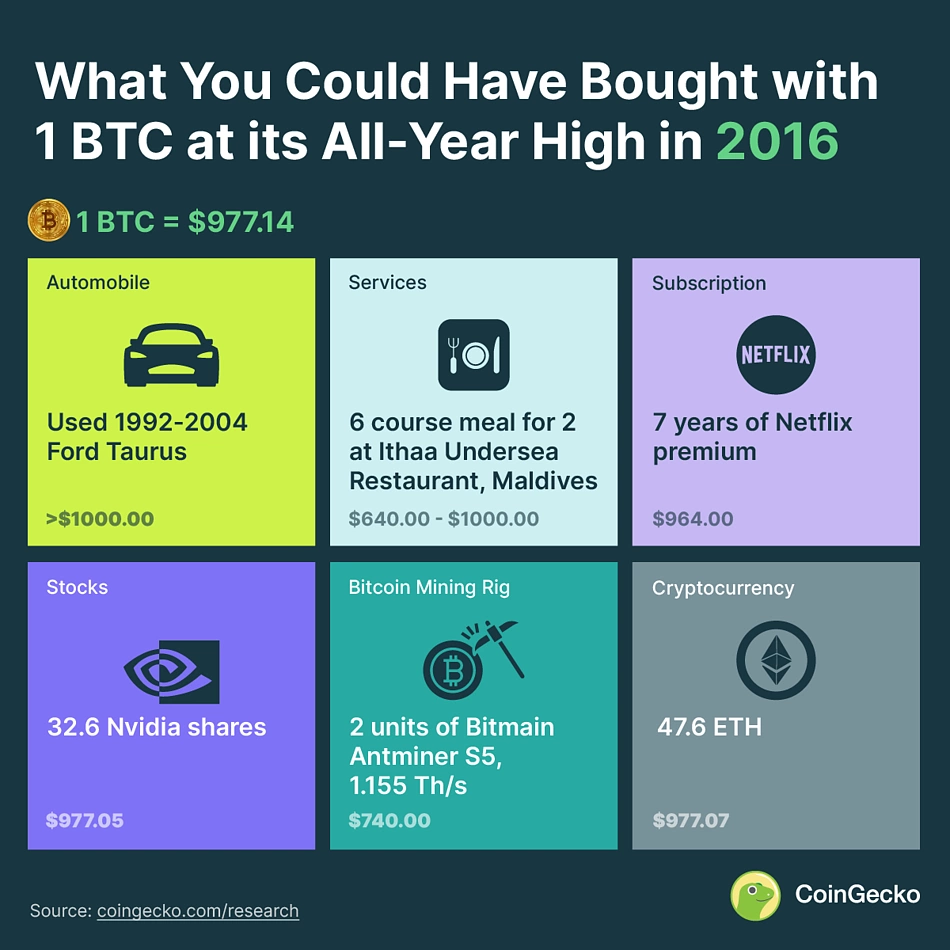
This article will explore the complexities surrounding the cost of Bitcoin, offering a comprehensive look at the factors influencing its price, the various fees involved in its acquisition, and strategic financial considerations for integrating it into a personal investment portfolio. Our goal is to provide an insightful and professional guide to help you navigate the landscape of Bitcoin investment, empowering you with the knowledge to make informed financial decisions.
The Dynamic Nature of Bitcoin’s Price
Unlike traditional assets with fixed par values or government-set exchange rates, Bitcoin’s price is determined by an interplay of forces on a global scale. It’s a continuous auction, with millions of buyers and sellers worldwide influencing its value every second of every day.
Market Forces of Supply and Demand
At its core, Bitcoin’s price is a function of supply and demand, just like any other commodity or asset. The supply of Bitcoin is finite and programmatically capped at 21 million coins, with new coins being “mined” at a decreasing rate through a process called halving. This scarcity is a fundamental aspect of its value proposition. On the demand side, factors such as increasing adoption by institutions, retail investor interest, perceived utility as a store of value, and its role as a hedge against inflation or economic uncertainty all contribute. When demand outstrips the available supply, the price tends to rise; conversely, an increase in selling pressure relative to buying demand will typically drive the price down.
Global Events and Macroeconomic Influences
Bitcoin does not exist in a vacuum. Its price is significantly impacted by broader global economic trends and geopolitical events. For instance, periods of high inflation in traditional fiat currencies can increase demand for Bitcoin as a potential inflation hedge, often referred to as “digital gold.” Similarly, central bank monetary policies, interest rate changes, and global economic recessions or booms can sway investor sentiment towards risk assets like Bitcoin. Regulatory developments in major economies, such as new laws governing cryptocurrency exchanges or taxes on digital assets, can also have immediate and profound effects on its market price, often leading to rapid price swings as investors react to perceived opportunities or threats.
Investor Sentiment and Speculation
Perhaps one of the most challenging aspects of Bitcoin’s price dynamics to quantify is the role of investor sentiment and speculative trading. Bitcoin markets are known for their high volatility, often experiencing significant price movements based on news, social media trends, or even influential figures’ endorsements (or criticisms). Fear of missing out (FOMO) can drive parabolic rallies, while fear, uncertainty, and doubt (FUD) can trigger sharp sell-offs. This speculative component means that Bitcoin’s price can sometimes decouple from underlying fundamentals, making it a highly emotional and unpredictable asset for short-term traders. Understanding this psychological aspect is crucial for any investor considering an allocation to Bitcoin.
Unpacking the “True Cost” of Acquiring Bitcoin
While the spot price of Bitcoin gives you a baseline, the actual amount of money you’ll spend to acquire one Bitcoin (or a fraction thereof) involves several additional layers of costs. These fees and financial considerations are crucial for calculating your actual entry price and understanding your investment’s profitability.
Exchange Fees: Trading, Deposit, and Withdrawal Costs
When you buy Bitcoin through a cryptocurrency exchange, you’ll encounter various fees.
-
Trading Fees: These are typically charged as a percentage of your trade volume and can vary based on the exchange, your trading volume, and whether you are a “maker” (adding liquidity to the order book) or a “taker” (removing liquidity). Taker fees are generally higher. For example, an exchange might charge 0.1% to 0.5% per trade.
-
Deposit Fees: While many exchanges offer free fiat deposits via bank transfer, some might charge a fee for methods like credit cards, debit cards, or certain payment processors. Cryptocurrency deposits are usually free.
-
Withdrawal Fees: When you decide to move your Bitcoin from the exchange to a personal wallet, or withdraw fiat currency, you will likely incur a withdrawal fee. These can be fixed amounts or a percentage, and for Bitcoin withdrawals, they often include a network transaction fee component.
These fees, though seemingly small, can add up, especially for frequent traders or large transactions, eroding potential profits.
Network Transaction Fees (Gas Fees)
Beyond exchange-specific fees, every transaction on the Bitcoin blockchain incurs a network transaction fee, often referred to as a “miner fee.” This fee is paid to the miners who process and confirm transactions on the network. The amount of this fee is not fixed; it depends on the network congestion at the time of your transaction and the data size of your transaction (measured in bytes), not the value of the Bitcoin being moved. During periods of high network activity, these fees can surge significantly, making small transactions uneconomical. While most exchanges bundle this fee into their withdrawal cost, it’s essential to be aware that this is a separate, blockchain-driven cost component.
Understanding Bid-Ask Spreads
In financial markets, the “bid-ask spread” is the difference between the highest price a buyer is willing to pay (the bid) and the lowest price a seller is willing to accept (the ask). When you buy Bitcoin, you typically pay the ask price, and when you sell, you receive the bid price. This spread is essentially an indirect cost of trading. On highly liquid exchanges with many participants, the spread can be very narrow, sometimes just a few cents. However, on less liquid platforms or during periods of extreme volatility, the spread can widen considerably, meaning you pay a premium when buying and receive less when selling, further impacting your effective purchase price.
Tax Implications: A Critical Financial Consideration
Perhaps one of the most overlooked “costs” associated with buying Bitcoin is the tax liability. In most jurisdictions, cryptocurrencies are treated as property for tax purposes. This means that if you sell Bitcoin for a profit, exchange it for another cryptocurrency, or use it to pay for goods and services, you may incur capital gains tax. The specific tax rates and rules vary widely by country and even by state or province. Holding periods (short-term vs. long-term) often dictate different tax rates. It is crucial for every investor to understand their local tax obligations and to keep meticulous records of all cryptocurrency transactions, including purchase price, sale price, and dates. Failure to do so can lead to significant penalties, making it an essential part of the financial planning for any Bitcoin investor.
A Step-by-Step Guide to Purchasing Bitcoin
Acquiring Bitcoin has become significantly easier and more accessible over the years, with a robust infrastructure of platforms and services designed for retail and institutional investors. Here’s a streamlined guide to navigating the purchase process.
Choosing the Right Cryptocurrency Exchange
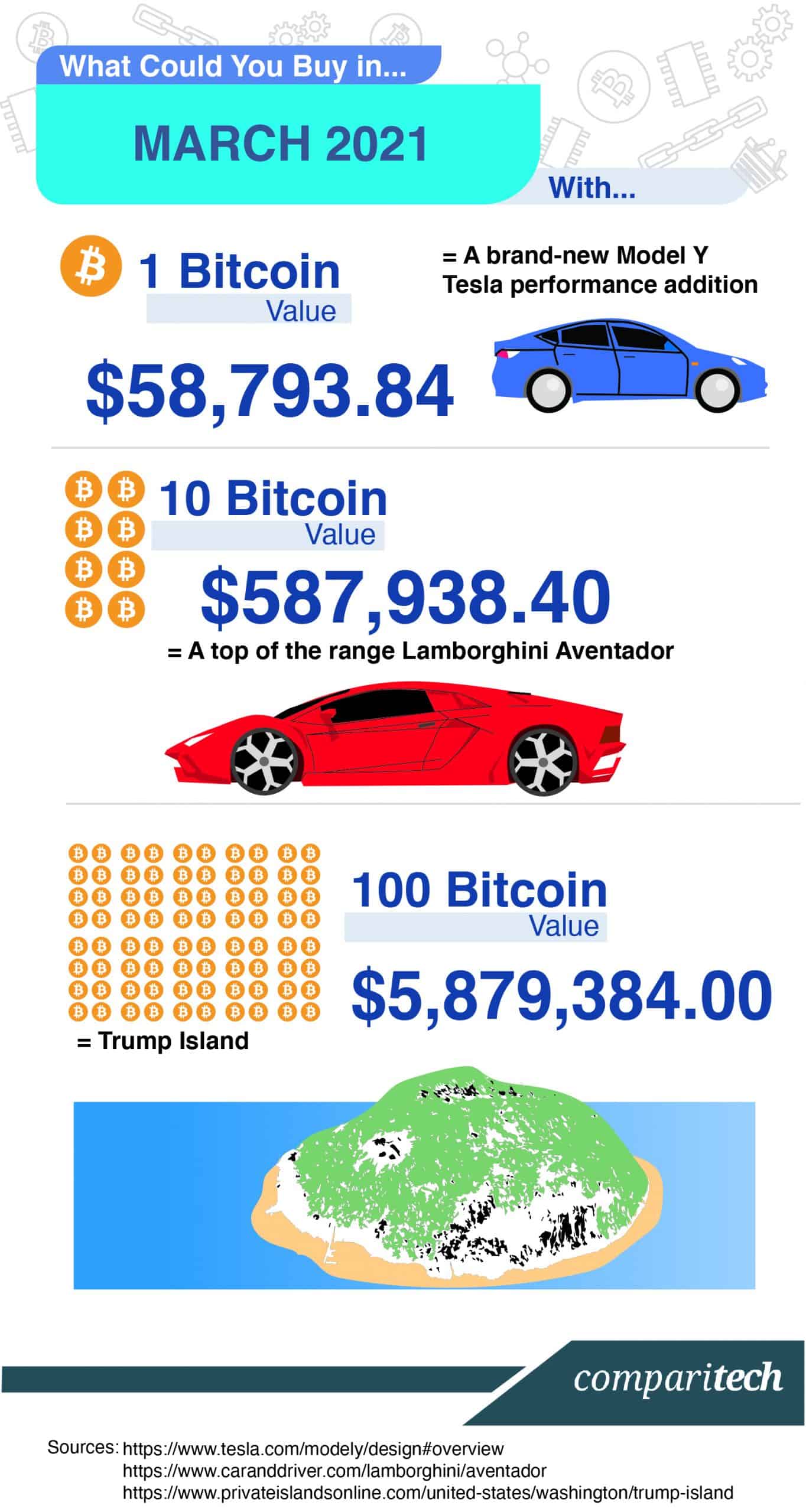
The first step is selecting a reputable cryptocurrency exchange. These platforms act as intermediaries, allowing you to buy, sell, and trade various digital assets. Key factors to consider include:
-
Security: Look for exchanges with strong security measures like two-factor authentication (2FA), cold storage for user funds, and a proven track record of protecting assets.
-
Fees: Compare trading, deposit, and withdrawal fees across different platforms to minimize your costs.
-
Liquidity: High liquidity ensures that you can buy and sell Bitcoin quickly at competitive prices.
-
Supported Currencies and Payment Methods: Ensure the exchange supports your local fiat currency and preferred payment methods (bank transfer, debit/credit card, etc.).
-
User Interface and Customer Support: A user-friendly interface and responsive customer support are invaluable, especially for new investors.
-
Regulatory Compliance: Choose exchanges that are compliant with local financial regulations. Popular choices include Coinbase, Binance, Kraken, Gemini, and FTX (though always research their current status).
Navigating Identity Verification (KYC/AML)
Before you can trade, almost all legitimate centralized cryptocurrency exchanges require you to complete a Know Your Customer (KYC) and Anti-Money Laundering (AML) process. This involves verifying your identity by providing personal information such as your full name, address, date of birth, and a government-issued ID (passport, driver’s license). This process is mandated by financial regulations to prevent fraud and illicit activities. While it might seem intrusive, it’s a standard practice in regulated financial services and is a sign of a compliant and trustworthy exchange. The verification process can take anywhere from a few minutes to several days, depending on the platform and the completeness of your submission.
Funding Your Account and Placing Your Order
Once your account is verified, you’ll need to fund it with fiat currency. Common methods include bank transfers (ACH, SEPA, wire transfer), debit cards, and credit cards. Bank transfers typically have lower fees but can take longer, while card payments are faster but often come with higher transaction fees. Once your funds are available, you can place an order to buy Bitcoin.
-
Market Order: This buys Bitcoin immediately at the current best available market price. It’s fast but doesn’t guarantee a specific price due to potential slippage in volatile markets.
-
Limit Order: This allows you to set a specific price at which you want to buy Bitcoin. Your order will only execute if the market price reaches your specified limit. This gives you more control over your purchase price but might mean your order isn’t filled immediately.
For beginners, starting with a market order for a small amount might be the simplest approach, while more experienced investors might prefer limit orders to optimize their entry point.
Securing Your Investment: Wallet Choices
After purchasing Bitcoin, you have a critical decision regarding its storage. Leaving your Bitcoin on an exchange (custodial wallet) is convenient but exposes you to potential risks like exchange hacks or regulatory shutdowns. A more secure option, especially for larger amounts, is to transfer your Bitcoin to a personal, non-custodial wallet, where you control the private keys.
-
Hot Wallets: These are connected to the internet (e.g., mobile apps, desktop software, web wallets). They offer convenience for active trading but are more vulnerable to online threats.
-
Cold Wallets: These are offline storage solutions (e.g., hardware wallets like Ledger or Trezor, or paper wallets). They offer the highest level of security for long-term storage but are less convenient for frequent transactions.
Understanding the trade-off between convenience and security is paramount for protecting your investment. For significant holdings, a hardware wallet is often recommended by financial security experts.
Strategic Considerations for Bitcoin Investing
Investing in Bitcoin requires a thoughtful approach that goes beyond simply executing a purchase. Given its unique characteristics and market dynamics, specific strategies can help mitigate risks and align the investment with your broader financial goals.
Mitigating Volatility with Dollar-Cost Averaging (DCA)
Bitcoin’s notorious price volatility can be a daunting prospect for new investors. One of the most effective strategies to navigate this is Dollar-Cost Averaging (DCA). DCA involves investing a fixed amount of money at regular intervals (e.g., weekly or monthly), regardless of the asset’s price. This approach averages out your purchase price over time, reducing the risk of buying a large amount at a market peak. When the price is high, your fixed investment buys fewer units; when the price is low, it buys more. Over the long term, DCA can smooth out the impact of price swings and help build a position gradually without needing to time the market—a feat even professional investors struggle with.
Risk Management and Portfolio Diversification
No single investment should dominate a well-structured financial portfolio, and Bitcoin is no exception. Given its high risk and potential for significant price swings, it’s prudent to allocate only a small percentage of your overall investment capital to Bitcoin—an amount you are comfortable losing. This principle of diversification is fundamental to sound financial planning. By spreading your investments across various asset classes (stocks, bonds, real estate, commodities, and a small allocation to cryptocurrencies), you can reduce overall portfolio risk and protect yourself from adverse movements in any single asset. Bitcoin should be viewed as a high-risk, high-reward component within a broader, diversified investment strategy.
Long-Term Vision vs. Short-Term Speculation
Before investing, it’s crucial to define your investment horizon and goals. Are you looking for short-term gains by actively trading on price fluctuations, or are you investing for the long term, believing in Bitcoin’s potential as a future store of value or a transformative technology?
-
Short-term speculation is inherently riskier and requires significant market knowledge, time commitment, and emotional discipline. It’s often associated with higher fees and potential tax liabilities from frequent trading.
-
Long-term investing (often aligned with DCA) focuses on Bitcoin’s fundamental value proposition and its potential to appreciate over several years. This approach typically involves less stress and fewer transaction costs, aligning more closely with traditional wealth-building principles. For many financial planners, the latter is often recommended for most retail investors.
Bitcoin’s Role in a Modern Financial Portfolio
Bitcoin has evolved beyond a niche digital curiosity to a recognized, albeit controversial, asset class. Its potential integration into traditional finance and its role in an evolving global economy warrant careful consideration for modern financial planning.
The Digital Gold Narrative and Inflation Hedge Potential
Many proponents view Bitcoin as “digital gold”—a decentralized, immutable, and scarce asset that can serve as a store of value, particularly during periods of economic uncertainty or inflation. Unlike fiat currencies, which can be printed indefinitely by central banks, Bitcoin’s supply is capped. This scarcity, combined with its resistance to censorship and seizure, positions it as a potential hedge against currency debasement and geopolitical instability. While this narrative is still being tested and debated, its appeal to those concerned about the long-term stability of traditional financial systems is clear. For investors seeking diversification away from traditional inflation hedges like physical gold, Bitcoin presents a compelling, albeit higher-risk, alternative.
Regulatory Landscape and Future Integration
The regulatory environment for Bitcoin and cryptocurrencies is constantly evolving. Governments worldwide are grappling with how to classify, tax, and oversee digital assets. Clearer regulations could bring increased institutional adoption, greater investor protection, and potentially stabilize markets. Conversely, overly restrictive regulations could stifle innovation and impact Bitcoin’s value. The future integration of Bitcoin into mainstream finance—through ETFs, institutional investment products, and broader payment systems—hinges heavily on these regulatory developments. Keeping abreast of global regulatory changes is a critical, ongoing aspect of financial due diligence for any Bitcoin investor.

The Importance of Personal Due Diligence
Ultimately, the decision to buy Bitcoin and how much to invest rests solely with the individual. It is imperative to conduct thorough personal due diligence. This means researching not only the technology and market dynamics but also understanding your own risk tolerance, financial goals, and local tax laws. Never invest more than you can afford to lose, and always be skeptical of get-rich-quick schemes. Consider consulting with a qualified financial advisor who understands digital assets to integrate Bitcoin thoughtfully into your overall financial strategy. While Bitcoin offers exciting opportunities, it also carries significant risks, and a well-informed approach is your best defense against potential pitfalls.
In conclusion, the cost of one Bitcoin is a moving target, influenced by a complex web of market forces, fees, and broader economic factors. Beyond the fluctuating spot price, investors must account for exchange fees, network costs, and crucially, tax implications. By understanding these components and adopting strategic financial planning principles like Dollar-Cost Averaging and diversification, individuals can approach Bitcoin investment with greater insight and a more robust risk management framework. As the world of digital assets continues to mature, an informed and disciplined approach will remain the cornerstone of successful participation.
aViewFromTheCave is a participant in the Amazon Services LLC Associates Program, an affiliate advertising program designed to provide a means for sites to earn advertising fees by advertising and linking to Amazon.com. Amazon, the Amazon logo, AmazonSupply, and the AmazonSupply logo are trademarks of Amazon.com, Inc. or its affiliates. As an Amazon Associate we earn affiliate commissions from qualifying purchases.