
In the era of the “Great Cord-Cutting,” many consumers initially flocked to streaming services as a fiscally responsible alternative to the bloated costs of traditional cable. However, as the digital landscape has matured, the price of premium live TV streaming has climbed steadily. YouTube TV, Google’s flagship live television service, has seen several price hikes since its inception, moving from a disruptor price point of $35 per month to its current premium positioning at $72.99 per month.
For the budget-conscious consumer, this cost represents a significant line item in a monthly financial plan. However, with strategic management, savvy financial tools, and an understanding of the service’s ecosystem, it is possible to significantly reduce this expense. Reducing your YouTube TV bill is not just about finding a one-time coupon; it is about implementing a comprehensive strategy for digital subscription management.
Leveraging Introductory Offers and Promotional Cycles
The most immediate way to lower the cost of YouTube TV is to capitalize on the competitive nature of the streaming market. Alphabet Inc. frequently utilizes aggressive acquisition strategies to bring new users onto the platform.
Capitalizing on New Customer Discounts
YouTube TV almost always offers a tiered introductory rate for new subscribers. This often looks like a discounted rate of $50 to $60 per month for the first three months. For a household looking to save nearly $70 over a quarter, this is the most straightforward entry point. To maximize this, consumers should time their sign-up with major televised events—such as the start of the NFL season or the Olympics—when promotional offers are most aggressive.
Utilizing the Referral Program
YouTube TV maintains a robust referral ecosystem that functions as a micro-side hustle for existing users. By sharing a unique referral link, current subscribers can often receive a substantial credit (frequently around $45) toward their next bill, while the person joining receives a discount on their first month. For those with a network of friends or family members looking to cut the cord, managing a few referrals per year can effectively eliminate several months of subscription costs.
Timing the “Win-Back” Offers
If you have previously been a subscriber but canceled your service, you are a prime candidate for “win-back” marketing. Companies spend significantly more to acquire a new customer than to retain an old one. By remaining off the platform for a few months, you will often find targeted advertisements in your inbox offering “special returner rates” that are lower than the standard monthly fee.
Strategic Subscription Management and Account Optimization
Beyond simple discounts, the way you structure your account and manage your add-ons can have a profound impact on your annual cash flow.
The Power of Family Sharing
One of the most significant value propositions of YouTube TV is the “Family Group” feature. A single subscription allows for up to six individual accounts and three concurrent streams. From a personal finance perspective, this is a game-changer. While YouTube TV’s terms of service specify that family members must live in the same household, the ability to split the $72.99 cost among three active streaming parties within a household reduces the per-person cost to approximately $24.33. This turns a premium service into a budget-friendly utility.
Audit and Pruning of Premium Add-ons
The base price of YouTube TV is often inflated by “feature creep.” Users frequently sign up for add-ons like 4K Plus, Sports Plus, or premium networks like Max and Showtime during a trial period and forget to remove them. The 4K Plus add-on, for instance, adds nearly $10 to the monthly bill. If your hardware doesn’t support 4K or if you rarely watch live sports in that resolution, this is an unnecessary drain on your finances. A monthly audit of “Active Subscriptions” within the YouTube TV settings is essential for maintaining a lean entertainment budget.
The “Pause” vs. Cancel Strategy
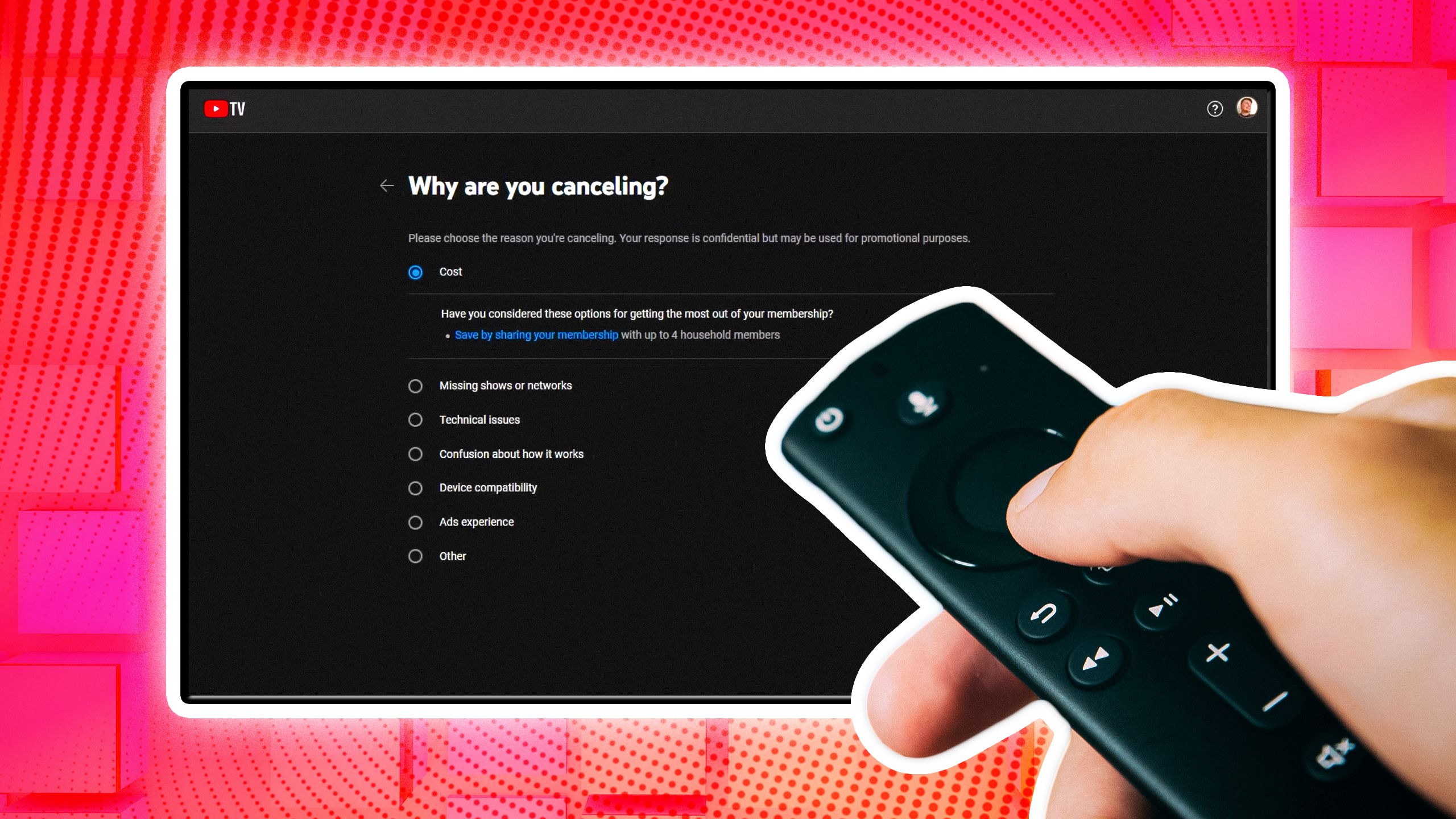
YouTube TV offers a unique “Pause” feature that allows users to halt their subscription for up to six months. During this time, your DVR recordings are preserved, but you are not billed. This is an excellent tool for seasonal viewers. For example, if you only subscribe to YouTube TV to watch the NBA or NFL, pausing the service during the off-season can save you over $350 annually. This tactical approach to subscription management ensures you are only paying for value when you are actually consuming it.

Leveraging Third-Party Partnerships and Financial Tools
In the modern financial ecosystem, your choice of mobile carrier and credit card can serve as a direct subsidy for your streaming costs.
Mobile Carrier Incentives and Bundles
Telecommunications giants like T-Mobile and Verizon frequently partner with Google to offer YouTube TV at a discount. T-Mobile, for example, has historically offered a “Life’s Better with T-Mobile” promotion that provides a $10 monthly discount on YouTube TV for its customers. Over a year, this $120 saving represents a nearly 15% reduction in the total cost of the service. Before paying full price, always check your mobile service provider’s “Benefits” or “Rewards” portal.
Optimizing Credit Card Rewards and Statement Credits
The “Money” category of savings isn’t just about the price tag; it’s about the “cash back” you earn on the backend. Certain credit cards categorize YouTube TV as “Streaming Services” or “Utilities,” which can trigger high-percentage cash back rewards.
-
The Amex Blue Cash Preferred Card: Often offers 6% cash back on select U.S. streaming subscriptions. On a $73 bill, this is a monthly “rebate” of roughly $4.38.
-
Chase Freedom Flex: Frequently features “Streaming Services” as a 5% rotating category.
-
Statement Credits: Platforms like American Express often have “Amex Offers” where spending a certain amount on a utility or cable provider triggers a $20 or $30 one-time statement credit.
Gift Card Arbitrage
For the truly dedicated optimizer, purchasing Google Play or YouTube TV gift cards through grocery stores or big-box retailers during “4x Fuel Points” or “10% back” promotions can further lower the cost. If you buy a $100 gift card at a 10% discount through a warehouse club like Costco or Sam’s Club, you are effectively paying $65 for $73 worth of service.
Evaluating the “Value Per Hour” and Alternatives
In personal finance, the “cheapest” option isn’t always the one with the lowest price tag; it’s the one with the best Return on Investment (ROI).
The “Sling TV” Pivot
If your YouTube TV usage is limited to just a few specific channels (like ESPN or CNN), it may be financially prudent to downgrade to a service like Sling TV. Sling’s Orange or Blue tiers often cost half as much as YouTube TV. While the user interface and DVR capabilities may be slightly inferior, from a pure wealth-building perspective, saving $35 a month and investing that money into a low-cost index fund could result in thousands of dollars over a decade.
The “Rotation” Method
The most effective way to keep streaming costs low is the “Rotation Method.” Instead of maintaining YouTube TV, Netflix, Disney+, and Hulu simultaneously, savvy consumers subscribe to one at a time. Live TV is often the most expensive component of an entertainment budget. By only activating YouTube TV during the months when live events are a priority and relying on cheaper on-demand services for the rest of the year, a household can cut their annual entertainment spend by 50% or more.
Utilizing Free Ad-Supported Television (FAST)
Before committing to a $73/month bill, evaluate if your needs can be met by FAST services like Pluto TV, Tubi, or Freevee. For news and background noise—two primary uses for live TV—these free services provide an infinite ROI. When you combine these with a one-time purchase of a digital antenna for local broadcast networks (ABC, CBS, NBC, FOX), you can eliminate the need for a live streaming service entirely.
Conclusion: Developing a Subscription Wealth Mindset
Getting YouTube TV “cheaper” is a microcosm of broader financial health. It requires moving away from “passive consumption”—where bills are automatically deducted from your account regardless of usage—toward “active management.”
By combining introductory offers, leveraging family sharing, optimizing credit card rewards, and utilizing carrier discounts, the effective cost of YouTube TV can be brought down significantly. However, the ultimate financial win comes from the discipline to pause or cancel the service when its value no longer justifies its price point. In the modern economy, your attention is a commodity; your subscription fee is the price you pay for it. By managing that price with the same rigor you apply to your investment portfolio, you ensure that your digital life supports your financial goals rather than hindering them.
aViewFromTheCave is a participant in the Amazon Services LLC Associates Program, an affiliate advertising program designed to provide a means for sites to earn advertising fees by advertising and linking to Amazon.com. Amazon, the Amazon logo, AmazonSupply, and the AmazonSupply logo are trademarks of Amazon.com, Inc. or its affiliates. As an Amazon Associate we earn affiliate commissions from qualifying purchases.