
The landscape of home entertainment has undergone a seismic shift over the last decade, moving away from the rigid infrastructure of coaxial cables and set-top boxes toward the flexibility of cloud-based streaming. At the forefront of this digital transformation is YouTube TV. As Google’s premier live television offering, YouTube TV represents a sophisticated blend of traditional broadcast media and modern cloud computing. However, for many consumers looking to cut the cord, the primary question remains: what is the actual cost of entry for this tech-heavy alternative to cable?
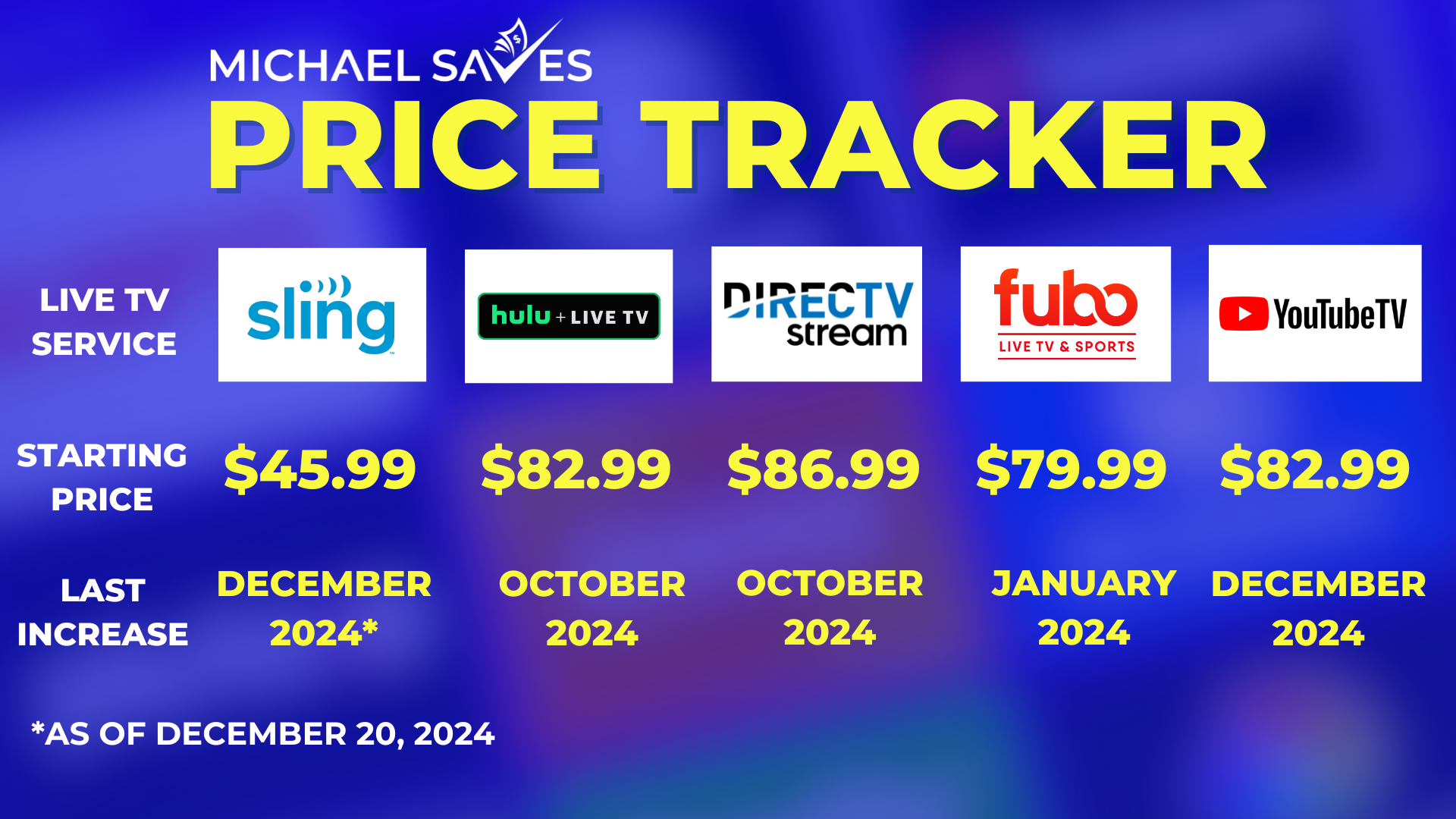
Understanding the pricing structure of YouTube TV requires more than just looking at a monthly sticker price. It involves evaluating the software ecosystem, the hardware compatibility, and the technological features that justify its premium positioning in the market.
The Core Investment: Understanding the Base Plan
As of the current market cycle, the standard subscription for YouTube TV is positioned at $72.99 per month. While this reflects a significant increase from the service’s initial launch price years ago, the value proposition has scaled alongside the cost. This base plan is the foundation of the YouTube TV experience, providing access to over 100 channels, including local network affiliates (ABC, CBS, FOX, NBC), sports mainstays like ESPN and FS1, and a variety of news and entertainment outlets.
The Cloud DVR Advantage
One of the most significant technological advantages included in the base price is the unlimited Cloud DVR. Unlike traditional cable boxes that rely on physical hard drive space—often limiting users to 50 or 100 hours of content—YouTube TV leverages Google’s massive data center infrastructure. Subscribers can record an unlimited number of shows simultaneously. The recordings are stored for up to nine months, and because the processing happens on the server side rather than on the user’s local hardware, there is zero impact on device performance or local storage.
Multi-User Profiles and Concurrent Streams
A single YouTube TV subscription allows for up to six individual accounts within a household. Each account receives its own personalized recommendations and private DVR library, powered by Google’s advanced machine learning algorithms. Furthermore, the service allows for three concurrent streams. From a technical standpoint, this means the software must manage high-bandwidth data delivery to three different IP addresses or devices simultaneously without degrading the bitrate, a feat that highlights the robustness of YouTube’s Content Delivery Network (CDN).
Advanced Tech Tiers: 4K Plus and Enhanced Performance
For tech enthusiasts who demand the highest possible visual fidelity, the base plan is only the starting point. YouTube TV offers an optional “4K Plus” add-on, which typically costs an additional $9.99 per month (though promotional pricing often applies for the first year).
High-Resolution Streaming and Bitrates
The 4K Plus package is a targeted upgrade for users with high-end OLED or QLED displays and high-speed internet connections. It unlocks 4K Ultra High Definition (UHD) streaming for select live content and on-demand programs. Beyond just pixel count, this tier addresses the technical limitations of standard streaming by offering higher bitrates, which reduces compression artifacts during high-motion scenes, such as live sports or action cinema.
Offline Viewing and Unlimited Home Streams
The 4K Plus add-on also introduces two critical software features: offline viewing and unlimited streams at home. Offline viewing allows users to download DVR recordings to mobile devices (iOS and Android), facilitating a seamless experience during travel where internet connectivity is intermittent. The “Unlimited Streams” feature expands the concurrent stream limit from three to an unlimited number, provided all devices are connected to the primary home Wi-Fi network. This is a crucial technical solution for large households with multiple smart TVs and mobile devices operating at once.
Specialized Add-ons: Tailoring the Software Experience

YouTube TV operates on a modular software model, allowing users to stack “add-on” networks to their base subscription. This “a la carte” approach is a direct evolution of the digital marketplace, giving users the power to customize their channel lineup through the app interface.
The Sports Plus Pack
For $10.99 per month, the Sports Plus pack adds over 10 premium sports channels, including NFL RedZone, beIN SPORTS, and Fox Soccer Plus. From a technical perspective, this add-on integrates seamlessly into the existing electronic program guide (EPG). The software utilizes metadata to alert users when a high-stakes moment is happening in a specific game, allowing for rapid switching between feeds.
Premium Entertainment Suites
Users can also integrate premium networks like Max (formerly HBO Max), Paramount+ with SHOWTIME, and STARZ directly into the YouTube TV UI. The technical benefit here is “Single Sign-On” and centralized billing. Rather than managing five different apps with five different passwords, the content is aggregated within the YouTube TV ecosystem. This reduces “app fatigue” and allows Google’s search functionality to index content across all subscribed platforms, making it easier to find a specific movie or series via voice search or the universal search bar.
The NFL Sunday Ticket Integration
Perhaps the most significant technological and financial milestone for the platform is the exclusive rights to NFL Sunday Ticket. This can be purchased as a standalone service or bundled with a YouTube TV subscription. While the price fluctuates based on seasonal promotions (ranging from $349 to $449 per season), the tech behind it is the real story. YouTube TV introduced “Multiview” specifically to handle the demands of NFL Sunday Ticket, allowing users to watch up to four different live games on a single screen. This requires the backend to synchronize four different live high-definition feeds into one composite stream, a process that must be executed with minimal latency to ensure the “live” aspect of the broadcast is preserved.
Hardware and Ecosystem Compatibility
When calculating the cost of YouTube TV, one must also consider the hardware environment. Because YouTube TV is a software-based service, it does not require a proprietary lease for a cable box, which can save users $10–$20 per month in hidden fees associated with traditional providers.
Device Agnosticism
YouTube TV is compatible with a vast array of hardware, including:
-
Smart TV Platforms: Android TV/Google TV, Samsung Tizen, LG webOS, and Vizio SmartCast.
-
Streaming Sticks: Chromecast with Google TV, Roku, Amazon Fire TV, and Apple TV 4K.
-
Gaming Consoles: PlayStation 5 and Xbox Series X/S.
-
Mobile and Web: iOS, Android, and all major web browsers.
This device agnosticism ensures that the user is not locked into a specific hardware ecosystem. The app is optimized for each platform, utilizing the native hardware acceleration of the device to ensure smooth 60fps (frames per second) playback, which is the gold standard for live sports and news.
Internet Bandwidth Requirements
A hidden “cost” of any streaming service is the required internet infrastructure. To run YouTube TV at 1080p on a single device, a stable connection of at least 7 Mbps is required. For 4K streaming or multiple simultaneous users, a robust fiber or high-speed cable connection (100 Mbps or higher) is recommended. Users must ensure their home networking hardware—specifically the router—can handle the sustained data throughput required for high-definition live video, especially if utilizing the “Unlimited Streams” feature.
The Future of Streaming Tech: Is the Price Justified?
The evolution of YouTube TV from a $35 experiment to a $72.99 industry leader reflects the increasing costs of content licensing, but it also reflects the massive R&D investment in the platform’s software. When we analyze “how much it costs,” we are essentially looking at the price of a sophisticated media-management platform.
YouTube TV’s integration with the broader Google ecosystem—such as the ability to control the TV via Google Assistant or the seamless handoff between a mobile device and a Chromecast—adds a layer of technical utility that traditional cable cannot match. The platform is also experimenting with “Views,” such as the “Stats View” for sports, which overlays real-time data onto the live broadcast using a low-latency data layer.
Ultimately, the cost of YouTube TV is a reflection of the transition from hardware-dependent broadcasting to software-defined entertainment. While the monthly fee is comparable to a mid-tier cable package, the lack of hidden equipment fees, the power of the unlimited Cloud DVR, and the flexibility of the multi-user software architecture make it a superior technological choice for the modern digital home. As AI and machine learning continue to refine personalized content delivery, the “cost” of the service will likely continue to be defined by the balance between premium content access and cutting-edge software features.
aViewFromTheCave is a participant in the Amazon Services LLC Associates Program, an affiliate advertising program designed to provide a means for sites to earn advertising fees by advertising and linking to Amazon.com. Amazon, the Amazon logo, AmazonSupply, and the AmazonSupply logo are trademarks of Amazon.com, Inc. or its affiliates. As an Amazon Associate we earn affiliate commissions from qualifying purchases.