
The history of American finance is inextricably linked to the expansion of the Western frontier. When examining the origins of the nation’s most recognizable banking institutions, few stories are as compelling as that of Wells Fargo. Founded during a period of unprecedented economic volatility and geographic expansion, the company has evolved from a fledgling express mail service into one of the “Big Four” banks in the United States. To understand when Wells Fargo started is to understand the birth of modern commercial banking and the infrastructure required to move capital across a vast, developing continent.

The Origins of Wells Fargo: 1852 and the Gold Rush Era
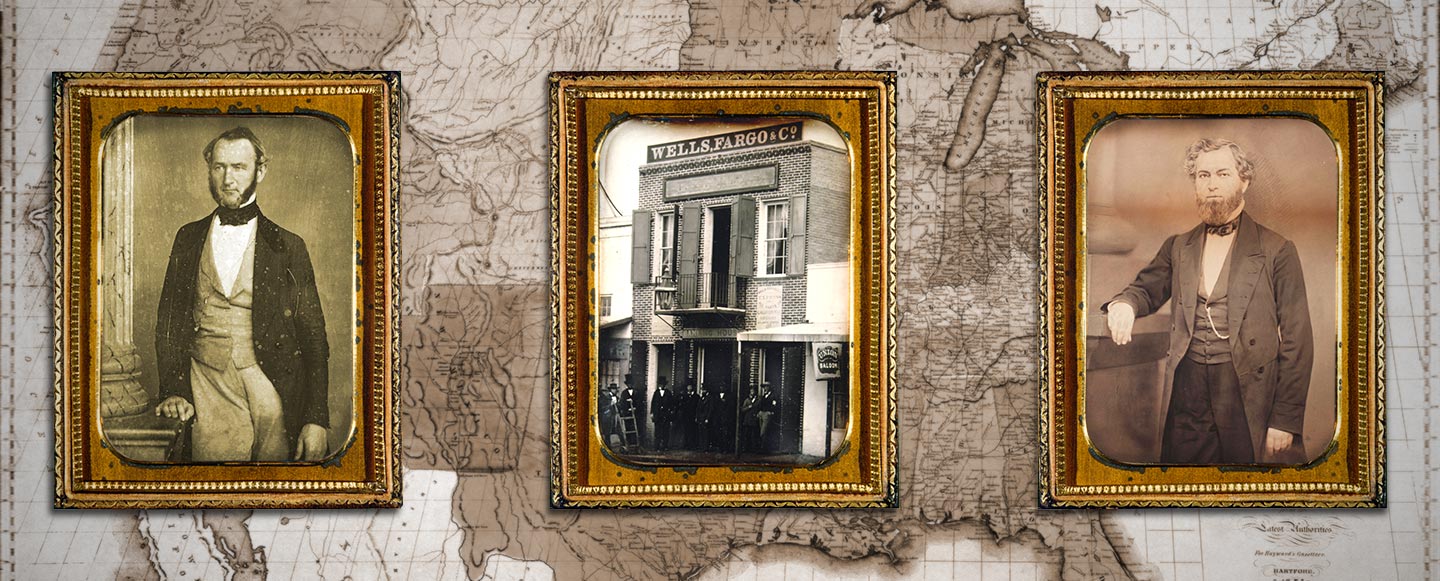
Wells Fargo & Company officially began its journey on March 18, 1852. The timing was not coincidental; it was a strategic response to the California Gold Rush. Following the discovery of gold at Sutter’s Mill in 1848, the West Coast was flooded with prospectors and entrepreneurs. However, the financial infrastructure of the era was primitive. There was no reliable way to transport gold from the mines to the East Coast, nor was there a secure method for miners to manage their earnings.
Henry Wells and William G. Fargo: The Men Behind the Vision
The architects of the company, Henry Wells and William G. Fargo, were already veterans of the express business. They were among the founders of American Express in 1850. However, when the board of American Express hesitated to expand operations into California—citing the risks associated with the rugged terrain and lawless environment—Wells and Fargo decided to strike out on their own.
They envisioned a company that could provide both “express” services (the rapid delivery of mail, gold, and goods) and “banking” services (buying gold dust, selling paper bank drafts, and providing a safe repository for wealth). By establishing their headquarters in San Francisco, they positioned themselves at the epicenter of the world’s most active commodity market.
Bridging the Gap: Express Mail and Banking
In the mid-19th century, the distinction between logistics and finance was blurred. For a business to succeed in the West, it had to master both. Wells Fargo acted as a crucial intermediary. They provided the “financial tools” of the day: bills of exchange that allowed a miner in California to send money back to his family in New York or Europe without the physical risk of carrying gold bars across the country.
The company’s ability to provide immediate liquidity—trading cash or bank drafts for raw gold—made them indispensable. Within a year of their founding, Wells Fargo had established offices in nearly every significant mining camp in California, creating a financial network that outpaced the slow-moving federal government and less agile local competitors.
The Stagecoach Era: Building a Network of Financial Trust
While today we associate Wells Fargo with digital apps and global investment portfolios, its early reputation was built on the wheels of the Concord stagecoach. This era, spanning from the 1850s through the late 1800s, defined the company’s corporate identity and established its reputation for reliability in business finance.
Securing the Frontier’s Wealth
The primary challenge of 19th-century banking was security. In a landscape populated by “road agents” and outlaws, the physical transport of wealth was a high-stakes endeavor. Wells Fargo invested heavily in security measures that would become legendary. They employed armed guards, known as “shotgun messengers,” to protect the green treasure boxes bolted to the floorboards of their coaches.
This commitment to security was more than just a logistical necessity; it was a marketing strategy. In an era when banks frequently failed and currency was often unstable, Wells Fargo’s ability to consistently deliver gold and honor its drafts built a level of brand equity that few other firms could match. For the personal finance needs of the average citizen, the sight of a Wells Fargo stagecoach meant that their hard-earned money was safe.
The Iconic Symbol of Reliability
By the 1860s, Wells Fargo had secured a virtual monopoly on the express business in the West. Through a series of strategic acquisitions and the management of the western leg of the Pony Express, the company became the primary artery for information and capital. The stagecoach became an enduring symbol of the brand, representing a promise that the company would go to any length to fulfill its financial obligations.
This period also saw the company survive the “Panic of 1855,” a financial crisis that collapsed many California banks. Wells Fargo remained open, paying out all depositors in gold. This event cemented their status as a pillar of the financial community, proving that their business model was resilient enough to withstand economic downturns.
Modernization and Global Expansion in the 20th Century
As the frontier closed and the railroad replaced the stagecoach, Wells Fargo faced a pivotal transition. The company had to pivot from a logistics-focused entity to a pure financial institution. This shift accelerated in 1905 when the banking operations were formally separated from the express business.
Navigating the Great Depression
The early 20th century was a period of consolidation. Wells Fargo merged with the Nevada National Bank to form the Wells Fargo Nevada National Bank, creating a dominant force in West Coast commercial banking. This consolidation provided the capital reserves necessary to navigate the most significant financial challenge in American history: The Great Depression.
During the 1930s, while thousands of banks across the United States shuttered, Wells Fargo utilized conservative fiscal management to remain solvent. They were one of the few institutions that emerged from the era with their reputation intact, allowing them to capitalize on the post-World War II economic boom. As California’s economy surged through the 1950s and 60s, Wells Fargo expanded its retail footprint, transitioning from a bank for miners and merchants to a bank for the suburban middle class.
The Shift to Commercial and Retail Banking Dominance
In the latter half of the 20th century, the company’s strategy shifted toward aggressive growth and technological adoption. Wells Fargo was an early pioneer in electronic banking, recognizing that the future of finance lay in data and speed rather than physical proximity.
By the 1980s, the bank had become a leader in the “middle market”—providing sophisticated financial tools and lending to medium-sized businesses. This focus on business finance allowed them to build a diversified portfolio that insulated them from regional economic fluctuations. They also began a series of high-profile acquisitions, such as the purchase of Crocker National Bank, which doubled their presence in Southern California.
Lessons in Financial Resilience and Corporate Strategy
The modern history of Wells Fargo is often studied in business schools as a masterclass in mergers, acquisitions, and the “cross-selling” model of retail banking. The company’s growth in the late 1990s and early 2000s redefined how large-scale financial institutions operate.
M&A Strategy: The Norwest Merger
One of the most significant dates in the company’s timeline is 1998, when Wells Fargo merged with Norwest Corporation, a Minneapolis-based bank. Although Norwest was technically the acquirer, the combined entity kept the Wells Fargo name due to its historical prestige and nationwide recognition.
This merger was a turning point for the company’s strategy. It shifted the focus toward a “diversified financial services” model. The goal was to provide every possible financial product—mortgages, insurance, credit cards, and investment accounts—to every customer. This approach helped Wells Fargo become one of the most profitable banks in the world, maintaining a high return on equity and a “fortress balance sheet” that helped them navigate the 2008 financial crisis better than many of their peers.
Adapting to Digital Transformation in Personal Finance
As the 21st century progressed, the definition of a bank changed. Wells Fargo invested billions into its digital infrastructure to compete with emerging fintech startups. The focus shifted from physical branches to mobile-first banking experiences. Today, the company manages trillions in assets through a combination of traditional retail banking and sophisticated online platforms designed for wealth management and personal finance.
The transition to digital has allowed the bank to offer real-time financial tools, such as automated savings features and AI-driven spending analysis. These innovations are the modern equivalent of the stagecoach—tools designed to move and manage money with maximum efficiency and security.
Wells Fargo Today: Navigating the Modern Financial Landscape
From its start in a small office in San Francisco in 1852, Wells Fargo has grown into a global powerhouse with interests in every corner of the financial world. Its current operations are divided into four main segments: Consumer Banking and Lending, Commercial Banking, Corporate and Investment Banking, and Wealth and Investment Management.
Wealth Management and Investment Services
A major component of Wells Fargo’s current business finance strategy is its focus on high-net-worth individuals and institutional investors. Through its wealth management division, the bank provides complex financial planning, estate services, and investment portfolios. This shift reflects the broader trend in the banking industry toward “fee-based” income, which provides a more stable revenue stream than traditional interest-based lending.

The Role of Wells Fargo in Contemporary Business Finance
For modern entrepreneurs and large corporations, Wells Fargo serves as a primary source of capital and strategic advice. The bank plays a vital role in the debt capital markets, helping companies issue bonds and secure the credit lines necessary for expansion. Their deep historical roots in California have also made them a key player in the tech-heavy economy of the West Coast, bridging the gap between traditional banking and the fast-paced world of venture-backed growth.
In conclusion, the story of when Wells Fargo started is a narrative of adaptation. The company began by solving the most pressing financial problem of the 1850s—the safe transport of gold—and has continued to reinvent itself to solve the financial problems of each subsequent generation. Whether through stagecoaches, transcontinental railroads, or digital cloud-based banking, the core mission of managing and protecting wealth has remained constant for over 170 years.
aViewFromTheCave is a participant in the Amazon Services LLC Associates Program, an affiliate advertising program designed to provide a means for sites to earn advertising fees by advertising and linking to Amazon.com. Amazon, the Amazon logo, AmazonSupply, and the AmazonSupply logo are trademarks of Amazon.com, Inc. or its affiliates. As an Amazon Associate we earn affiliate commissions from qualifying purchases.