
The shift in the global economy over the last decade has transformed real estate from a static asset class into a dynamic, high-yield business opportunity. For many entrepreneurs, “getting an Airbnb” is no longer about booking a vacation home; it is about acquiring a cash-flowing asset that outperforms traditional long-term rentals. However, as the market matures and competition intensifies, the barrier to entry has moved beyond mere property ownership. Success in the short-term rental (STR) space now requires a sophisticated understanding of market analytics, creative financing, and operational excellence.
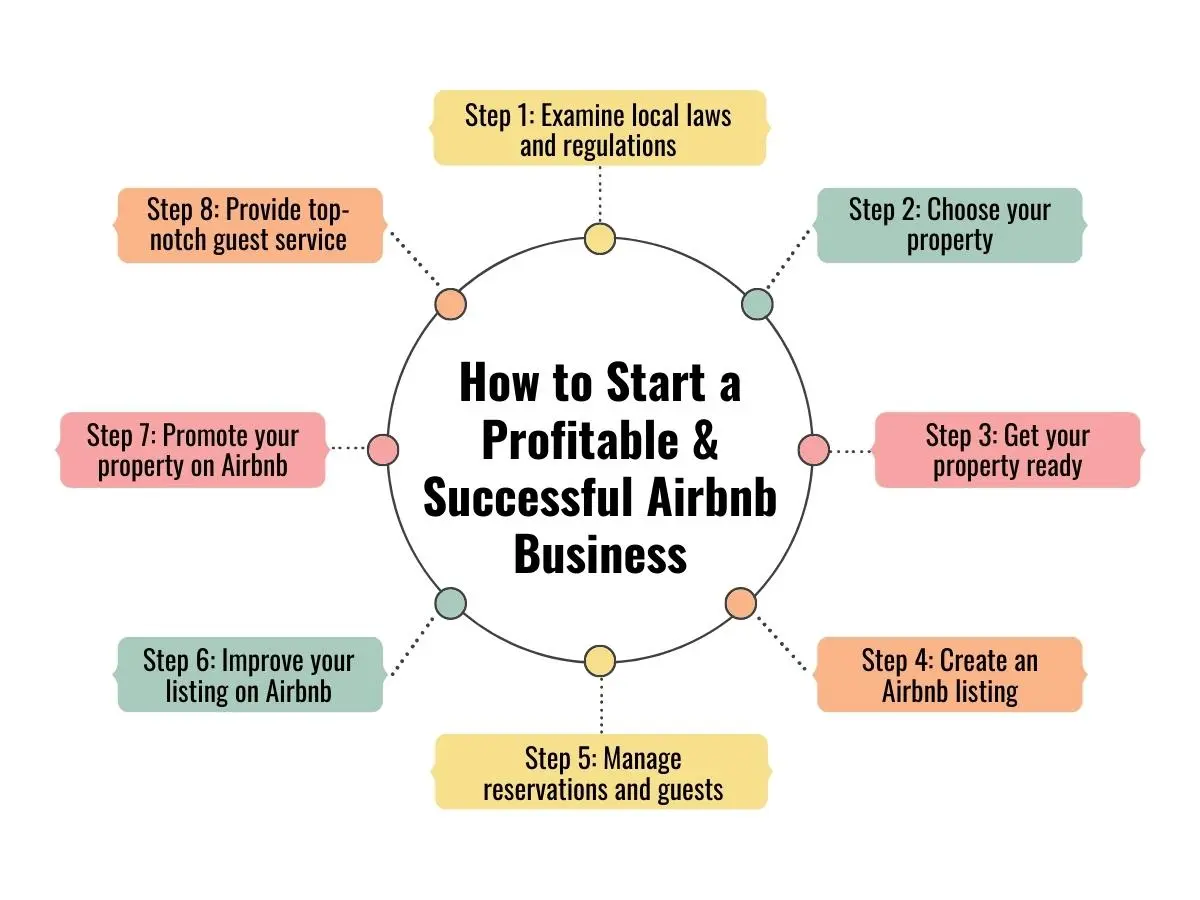
To successfully launch an Airbnb business, one must approach it not as a passive investment, but as a hospitality-driven enterprise. This guide explores the financial frameworks and strategic pathways to acquiring and operating a successful Airbnb, focusing on maximizing return on investment (ROI) while mitigating the inherent risks of the gig economy.
The Financial Foundation: Market Analysis and Feasibility
The first step in getting an Airbnb is identifying a location where the numbers actually work. Not every beautiful home makes for a profitable rental. In the world of personal finance and real estate investing, the delta between your fixed costs and your projected revenue is the only metric that matters.
Leveraging Data for Market Selection
To minimize risk, investors must look past aesthetics and focus on “RevPAR” (Revenue Per Available Room). Tools such as AirDNA or Rabbu allow potential hosts to analyze historical data, including average daily rates (ADR) and occupancy levels in specific zip codes. A high-performing market usually balances three factors: seasonal demand (tourism), professional demand (business travel), and regulatory stability.
Before committing capital, perform a “back-of-the-envelope” calculation. Total your expected monthly mortgage or rent payment, utilities, insurance, property management fees, and a 10% maintenance buffer. If your conservative revenue projections—based on a 60% occupancy rate—do not exceed these costs by at least 20%, the deal is likely too thin for the volatility of the STR market.
Understanding the Regulatory Landscape
Financial loss in the Airbnb space often stems from a lack of due diligence regarding local laws. Many municipalities have implemented strict zoning laws, occupancy taxes, and permit requirements. “Getting an Airbnb” in a city like New York or Florence is vastly different from doing so in a vacation-centric market like the Smoky Mountains or the Gulf Coast. Investors must verify if a property is in a “non-owner occupied” friendly zone. Losing a permit after investing thousands in furniture is a common financial pitfall that can be avoided through early legal consultation and zoning checks.
Acquisition Strategies: Ownership vs. Rental Arbitrage
There are two primary ways to “get” an Airbnb: owning the underlying real estate or utilizing the rental arbitrage model. Each has distinct financial profiles, risk levels, and long-term wealth implications.
The Real Estate Investment Model
This is the traditional route to building wealth. By purchasing a property specifically for Airbnb use, the investor benefits from three financial engines: monthly cash flow, tax depreciation, and long-term equity appreciation.
From a financing perspective, many investors utilize Debt Service Coverage Ratio (DSCR) loans. Unlike traditional mortgages that focus on the borrower’s personal income, DSCR loans focus on the property’s ability to generate enough income to cover the debt. This allows investors to scale their portfolios more rapidly. While the initial capital requirement is higher (often a 20-25% down payment), the security of owning the asset provides a hedge against platform changes or market fluctuations.
The Rental Arbitrage Model
For those with limited capital but high operational skills, rental arbitrage is a viable side hustle that can scale into a full-time business. This involves signing a long-term lease on a property with the landlord’s explicit permission to sub-lease it on short-term platforms.
The financial appeal of arbitrage is the low cost of entry. Instead of a $100,000 down payment, an investor might only need $15,000 for the first month’s rent, a security deposit, and furnishings. The goal is to ensure the Airbnb revenue significantly exceeds the monthly rent paid to the landlord. However, this is a high-risk strategy; if the market dips or the landlord decides not to renew the lease, the business owner is left with a garage full of furniture and no cash-flowing asset.
Optimizing the Asset for Maximum Revenue
Once the property is secured, the focus shifts to revenue management. In a crowded marketplace, “getting an Airbnb” to perform at its peak requires a blend of psychology, design, and algorithmic optimization.
The ROI of Interior Design and Professional Photography
In the digital economy, your listing’s “click-through rate” (CTR) is driven entirely by visual appeal. Professional staging and high-end photography are not expenses; they are essential capital investments. A property that looks “Instagrammable” can often command a 30-50% premium over a similarly sized property with basic furnishings.
Investors should focus on “The Big Three”: high-quality linens, a cohesive color palette, and unique amenities (such as a hot tub, a dedicated workspace, or a high-end coffee station). These features not only justify a higher ADR but also encourage five-star reviews, which the Airbnb algorithm rewards with higher search placement.
Implementing Dynamic Pricing
Static pricing—setting a flat rate for every night of the year—is a recipe for financial underperformance. Sophisticated hosts use dynamic pricing software like PriceLabs or Wheelhouse. These tools sync with your Airbnb calendar and automatically adjust rates based on local events, holidays, and competitor occupancy. By lowering prices during low-demand Tuesdays and aggressively raising them during high-demand festival weekends, hosts can see a 10-40% increase in annual revenue compared to manual pricing.
Scaling and Operational Efficiency
A single Airbnb is a job; a portfolio of Airbnbs is a business. To move from a side hustle to a genuine financial engine, one must automate the “three pillars” of STR operations: communication, cleaning, and maintenance.
Building a Tech Stack
Modern property management software (PMS) acts as the central nervous system for an Airbnb business. Tools like Guesty or Hospitable allow hosts to automate guest messaging, sync calendars across multiple platforms (like VRBO and Booking.com), and automatically schedule cleaning crews. By removing yourself from the day-to-day communication, you free up time to focus on the next acquisition or high-level financial strategy.
Outsourcing and SOPs
Scale requires Standard Operating Procedures (SOPs). This includes having a reliable cleaning team that follows a rigorous checklist and a “handyman on call” for emergencies. From a business finance perspective, these costs should be factored into your pricing model. Guests pay a cleaning fee, which should ideally cover 100% of your labor costs for the turnover, making the operational side of the business self-sustaining.
Risk Management and Financial Compliance
As with any investment, “getting an Airbnb” comes with liabilities. Protecting your assets and ensuring tax efficiency are the final steps in securing your financial future in this niche.
Insurance and Liability Protection
Standard homeowner’s insurance rarely covers short-term rental activity. Operating without specialized STR insurance (such as Proper Insurance or Safely) is a massive financial risk. While Airbnb provides “AirCover,” it is often insufficient for major liability claims or significant structural damage. Furthermore, most professional hosts operate their properties under a Limited Liability Company (LLC) to separate their personal assets from their business liabilities.

Tax Planning for the Short-Term Rental Loophole
One of the most powerful financial incentives for getting an Airbnb is what many call the “STR Tax Loophole.” According to current tax codes in many jurisdictions, if the average stay in your property is seven days or less, and you “materially participate” in the management of the property, the rental income can be treated as active rather than passive. This allows investors to use property depreciation to offset their W-2 or other active income, potentially saving tens of thousands of dollars in annual taxes. Consulting with a CPA who specializes in real estate is essential to maximizing these benefits.
In conclusion, “getting an Airbnb” is a multi-faceted financial journey that begins with data-driven research and ends with a scalable, automated business. By choosing the right acquisition model, optimizing the property for the digital market, and implementing professional management systems, an individual can transform a simple property into a powerful vehicle for wealth creation. Whether it is a single room for extra income or a diverse portfolio of luxury villas, the principles of hospitality, finance, and technology remain the keys to long-term success in the short-term rental industry.
aViewFromTheCave is a participant in the Amazon Services LLC Associates Program, an affiliate advertising program designed to provide a means for sites to earn advertising fees by advertising and linking to Amazon.com. Amazon, the Amazon logo, AmazonSupply, and the AmazonSupply logo are trademarks of Amazon.com, Inc. or its affiliates. As an Amazon Associate we earn affiliate commissions from qualifying purchases.