
Determining the exact cost of an Airbnb for a 48-hour stay is more complex than simply multiplying a nightly rate by two. For the financially conscious traveler, understanding the underlying economics of short-term rentals is essential for effective budgeting. Unlike traditional hotels, which often have a standardized pricing model, Airbnb operates on a decentralized, dynamic pricing system influenced by host preferences, platform algorithms, and local tax regulations. When you book a two-day stay, you are interacting with a sophisticated financial ecosystem where the base rate is often just the starting point.
To accurately budget for a short-term rental, one must dissect the various line items that constitute the final checkout price. This guide explores the financial intricacies of booking a two-day stay, from fee structures to market volatility, providing you with the insights needed to maximize your travel ROI.
Decoding the Cost Structure of Short-Term Rentals
The sticker price you see while browsing is rarely the final amount charged to your credit card. For a short stay of two days, the “non-nightly” fees represent a much higher percentage of your total expenditure than they would for a week-long stay. Understanding these components is the first step in mastering travel finance.
The Base Nightly Rate and Dynamic Pricing
The base rate is set by the host, but it is rarely static. Most hosts use dynamic pricing tools—software that adjusts rates in real-time based on local demand, supply, and historical data. For a two-day stay, you may find that a Tuesday-Wednesday booking is significantly cheaper than a Friday-Saturday booking. In the world of personal finance, this is a lesson in supply and demand. If you have the flexibility to shift your two-day window to mid-week, you can often realize savings of 20% to 40% on the base rate alone.
The Impact of Cleaning Fees on Short Stays
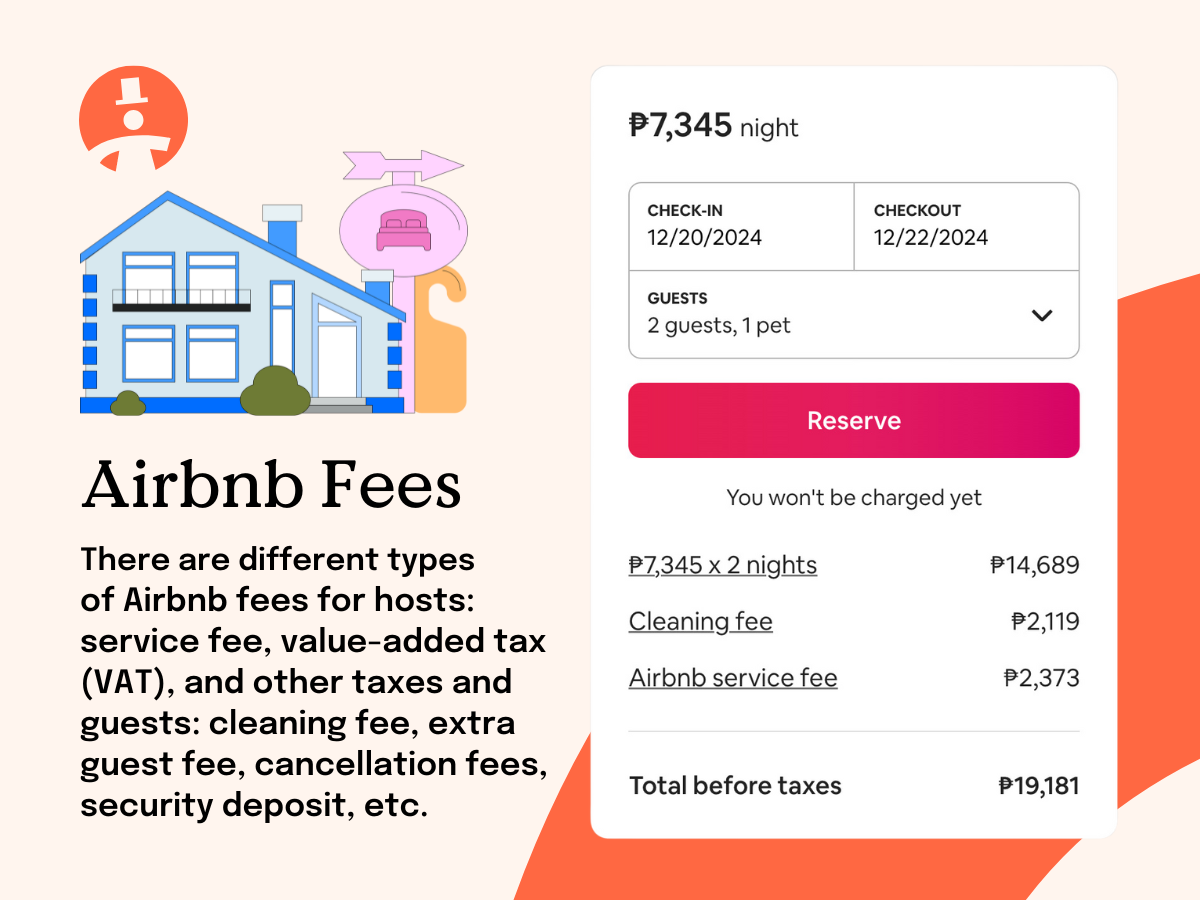
The cleaning fee is a one-time charge intended to cover the cost of preparing the unit for the next guest. From a financial perspective, this fee is the most significant “hidden” cost of a two-day stay. Because the fee is the same regardless of whether you stay for two days or ten, its “per-night” impact is much heavier on short trips. For example, a $100 cleaning fee on a two-day stay adds $50 to your nightly cost. On a five-day stay, it only adds $20. When budgeting, travelers must look at the “all-in” price rather than the nightly rate to ensure the property fits within their financial parameters.
Service Fees and Value-Added Taxes (VAT)
Airbnb charges a service fee to guests, typically hovering around 14% of the booking subtotal (nightly rate plus cleaning fee). This fee covers the platform’s operational costs and 24/7 customer support. Additionally, depending on the jurisdiction, occupancy taxes and VAT may be applied. In cities like New York, London, or Paris, these taxes can add an additional 10% to 15% to your bill. When calculating the total cost for two days, it is prudent to add a 25% “tax and fee buffer” to the base nightly rates you see during your initial search.
Variables That Move the Needle: Location, Timing, and Type
The total cost of a two-day stay is highly sensitive to external market factors. As with any investment or purchase, the “where” and “when” dictate the “how much.”
Geographic Location and Market Tier
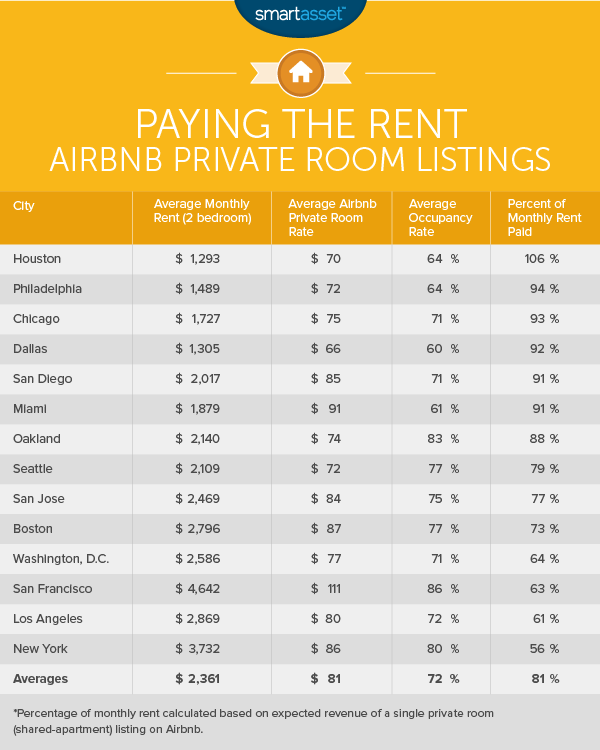
The primary driver of cost is the real estate market of the destination. A two-day stay in a high-demand urban center like San Francisco or Tokyo will naturally command a premium due to high property values and operational costs for the host. Conversely, a two-day stay in a secondary market or a rural area may offer better value. From a wealth-management perspective, choosing “adjacent” neighborhoods—those just outside the main tourist zones—can reduce the two-day total by significant margins while offering a similar experience.
Seasonality and Event-Driven Spikes
Personal finance is often about timing, and Airbnb pricing is no different. During peak seasons (summer in Europe, winter in ski resorts) or major events (festivals, conferences, or sporting events), prices can double or triple. For a two-day stay, these spikes are particularly painful because there is less time to “average out” the cost. If your two-day trip coincides with a major local event, expect to pay a “scarcity premium.” Savvy budgeters use historical pricing tools or check hotel benchmarks to see if the Airbnb rates are being artificially inflated by temporary demand.
Property Type and Amenity Value
The type of listing—entire home, private room, or unique stay—dictates the price floor. For a 48-hour business trip, a private room might offer the best financial efficiency. However, for those seeking “experience-based” travel, unique stays like treehouses or luxury villas carry a much higher price tag. When evaluating the cost, consider the “amenity ROI.” If an Airbnb costs $50 more per night than a hotel but includes a full kitchen and free parking, the savings on meals and garage fees may make it the more financially sound choice for a two-day excursion.
Comparing the Financial Viability of Airbnb vs. Hotels for 48-Hour Stays
One of the most common questions in travel finance is whether a short-term rental is actually cheaper than a traditional hotel. For a two-day stay, the answer is often surprising.
The Breakeven Point
Because of the front-loaded fees (cleaning and service charges), Airbnb often has a higher “entry cost” than hotels. Most hotels do not charge a separate cleaning fee for a two-night stay. Therefore, for a very short trip, a hotel room at $200 a night might actually be cheaper than an Airbnb listed at $150 a night once the $100 cleaning fee and $45 service fee are added to the latter. A disciplined traveler must calculate the “Total Cost of Occupancy” for both options before booking.
Indirect Savings and Opportunity Costs
While the checkout price is one metric, the indirect financial benefits of an Airbnb can change the math. A two-day stay in an Airbnb often provides access to laundry facilities and a kitchen. For a family of four, the ability to cook breakfast and dinner for two days can save $100 to $200 in restaurant bills, effectively offsetting the cleaning fee. Furthermore, Airbnb listings often provide more square footage per dollar, which can be translated into a “value per square foot” metric familiar to real estate investors.
Cancellation Policies and Financial Risk
Risk management is a core tenet of finance. Hotels often offer flexible cancellation up to 24 hours before arrival. Airbnb hosts, however, choose from a variety of cancellation policies ranging from “Flexible” to “Strict.” For a short two-day trip, where plans are more susceptible to minor disruptions, booking a “Strict” policy represents a financial risk. If you have to cancel, you could lose 50% to 100% of your investment. When comparing costs, factor in the “flexibility premium”—a cheaper non-refundable rate may not be the best value if the risk of forfeiture is high.
Strategic Budgeting Tips to Reduce Your Total Bill
If you have settled on an Airbnb for your two-day stay, there are several tactical moves you can make to optimize your expenditure and ensure you are getting the best possible price.
Negotiating for Last-Minute Bookings
If you are booking a two-day stay within 48 to 72 hours of arrival, you have significant leverage. An unbooked property is a “perishing asset”—once the night passes, the host can never recover that potential revenue. Many hosts are willing to offer a discount to secure a last-minute booking rather than let the property sit empty. Sending a polite message asking if they have a “special offer” for a last-minute two-day gap in their calendar can often result in a 10% to 20% reduction in the base rate.
Leveraging Credit Card Rewards and Portals
Travelers should view their Airbnb booking through the lens of credit card optimization. Some premium credit cards offer “travel credits” that can be applied to Airbnb, or they categorize the purchase in a way that earns 3x to 5x points. Additionally, some airline loyalty programs have partnerships with Airbnb, allowing you to earn frequent flyer miles for every dollar spent. For a $500 two-day stay, earning 1,500 miles and $15 in cash back effectively reduces your net cost.
Looking for “New Listing” Discounts
Airbnb often encourages new hosts to offer a 20% discount on their first few bookings to build up their review profile. For a two-day stay, finding a high-quality new listing can be a goldmine. While there is a slightly higher risk due to the lack of historical reviews, the financial savings can be substantial. Ensure you vet the host’s communication and the photos thoroughly to mitigate the risk of an “investment” that doesn’t pay off in comfort.

The Economic Impact of the Two-Day Booking
The rise of the “micro-cation”—trips lasting two to four days—has fundamentally changed the revenue models for hosts. From a business finance perspective, two-day stays are high-turnover events. They require more frequent cleaning, higher utility spikes, and more administrative interaction per dollar earned.
Consequently, some hosts implement “minimum stay” requirements of three or four nights to avoid the labor-intensive nature of two-day bookings. When you find a property that allows a two-day stay, you are often paying a slight premium for that flexibility. Understanding this allows the guest to appreciate why certain fees exist and how to navigate them.
In conclusion, the cost of an Airbnb for two days is a variable figure that depends heavily on fee structures, local taxes, and market demand. By moving beyond the nightly rate and analyzing the total cost of occupancy, accounting for indirect savings, and employing strategic booking tactics, you can ensure that your short-term stay is not only a pleasant experience but a financially sound one. Whether you are traveling for business or a weekend getaway, applying these personal finance principles will help you secure the best value in the modern sharing economy.
aViewFromTheCave is a participant in the Amazon Services LLC Associates Program, an affiliate advertising program designed to provide a means for sites to earn advertising fees by advertising and linking to Amazon.com. Amazon, the Amazon logo, AmazonSupply, and the AmazonSupply logo are trademarks of Amazon.com, Inc. or its affiliates. As an Amazon Associate we earn affiliate commissions from qualifying purchases.