
To understand what Vanguard owns is to understand the modern financial landscape of the entire world. With over $8 trillion in assets under management (AUM), Vanguard is not just an investment firm; it is a structural pillar of the global economy. However, the answer to “what they own” is more nuanced than it appears on a balance sheet. Unlike a traditional corporation, Vanguard’s ownership structure is unique, and its holdings represent the collective wealth of tens of millions of individual investors.
Vanguard’s footprint extends into nearly every publicly traded company in the United States, significant portions of international markets, and vast swaths of the debt and real estate sectors. To grasp the scale of their influence, one must look past the ticker symbols and into the mechanics of passive indexing and corporate governance.
The Ownership Paradox: How Vanguard Owns Itself and Its Investors
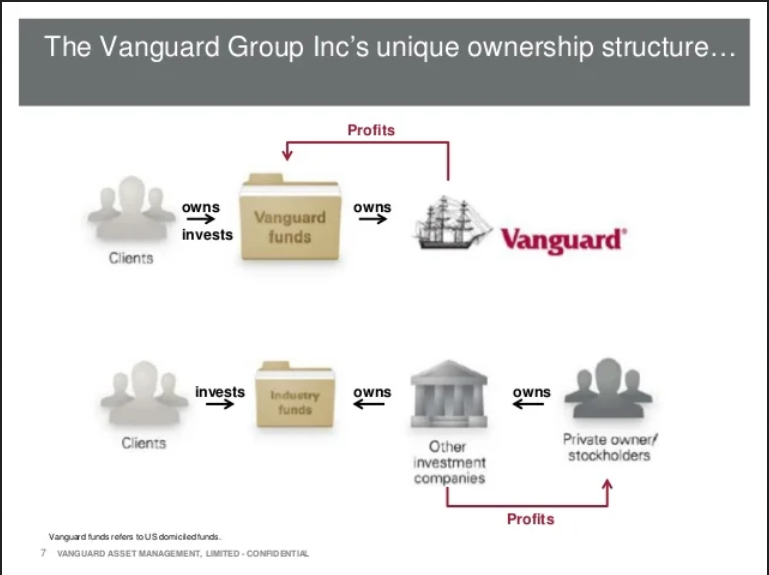
Before listing the stocks and bonds in the Vanguard vault, it is essential to clarify the firm’s unique corporate structure. In a traditional investment firm, shareholders own the company, and the company manages money for clients. Vanguard flipped this model on its head under the leadership of its founder, John C. Bogle.
The Client-Owned Model
Vanguard is owned by its funds. Those funds, in turn, are owned by their shareholders—the investors. This means that if you own shares in the Vanguard Total Stock Market Index Fund (VTSAX), you are technically a part-owner of the company that manages your money. This structural choice eliminates the conflict of interest between outside owners seeking profits and clients seeking low costs. When we ask what Vanguard owns, we are effectively asking what the collective body of Vanguard investors owns.
Fiduciary Responsibility and Asset Custody
Technically, Vanguard Group Inc. does not “own” the trillions of dollars in its care in the same way a person owns a car. It acts as a custodian and manager. The assets are legally held by the individual funds (like the Vanguard 500 Index Fund). However, for all practical purposes regarding market influence, voting power, and economic impact, Vanguard is the entity that exercises control over these assets. This makes Vanguard the largest shareholder in nearly every major American corporation, giving them a seat at the table in almost every industry imaginable.
The Equity Empire: Dominating the S&P 500
The core of Vanguard’s holdings lies in its equity funds. Because Vanguard is the pioneer of index investing, its holdings mirror the composition of the world’s most significant stock indices. If a company is large enough to be in the S&P 500 or the Russell 3000, Vanguard likely owns a massive stake in it.
The Tech Titans: Apple, Microsoft, and NVIDIA
As of recent filings, Vanguard’s largest individual stock holdings are concentrated in the technology sector, reflecting the market-cap-weighted nature of their most popular funds. Vanguard is typically the first or second-largest shareholder in:
-
Apple Inc. (AAPL): Vanguard holds hundreds of millions of shares, usually representing between 7% and 9% of the total company.
-
Microsoft Corp. (MSFT): Similar to Apple, Vanguard’s stake in Microsoft is a cornerstone of its institutional portfolio, often exceeding $200 billion in value.
-
NVIDIA (NVDA): With the rise of AI, NVIDIA has become one of Vanguard’s most valuable holdings, as it now sits at the top of the S&P 500.
These holdings are not active “bets” by fund managers; they are the result of Vanguard’s commitment to matching the market. As these companies grow, Vanguard’s ownership increases proportionally.
Diversification Across Every Sector
Beyond the “Magnificent Seven” tech stocks, Vanguard owns significant portions of the entire industrial and consumer landscape. This includes:
-
Financials: Major stakes in JPMorgan Chase, Bank of America, and Berkshire Hathaway.
-
Healthcare: Massive positions in UnitedHealth Group, Johnson & Johnson, and Eli Lilly.
-
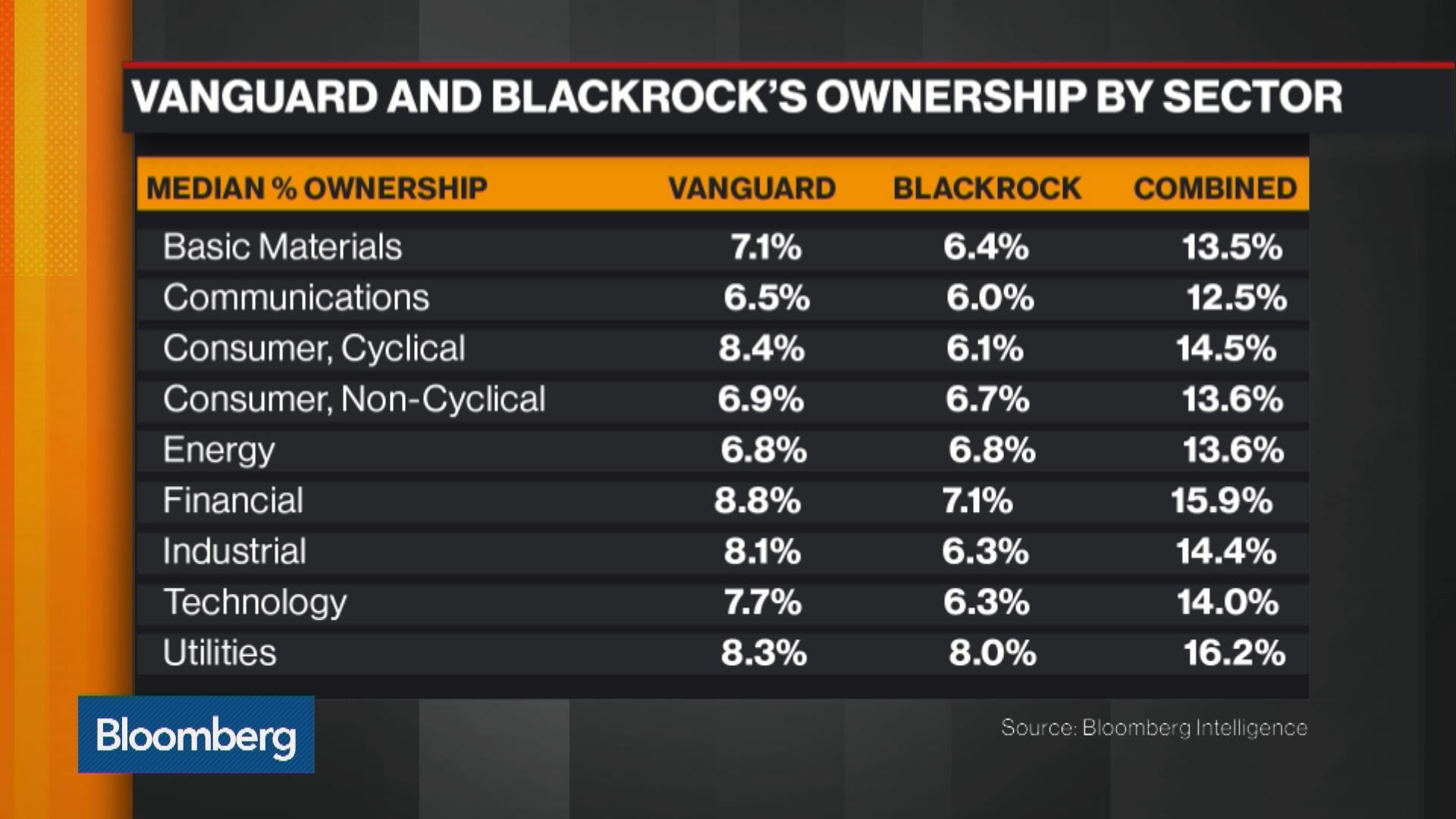
Consumer Staples: Vanguard is a top owner of Walmart, Procter & Gamble, and Coca-Cola.
In total, through the Vanguard Total Stock Market Index Fund, the firm owns a piece of nearly 4,000 different U.S. companies. This ubiquity means that whenever you buy a product or service from a public company, a fraction of that transaction is likely flowing back into a portfolio managed by Vanguard.
The Debt Market: Bonds and Fixed Income Holdings
While the stock market gets the most headlines, Vanguard’s presence in the bond market is equally massive. Through its fixed-income funds, Vanguard owns trillions of dollars in debt, effectively acting as a major lender to governments and corporations around the world.
Government Securities and Treasuries
Vanguard is one of the largest private holders of U.S. Treasury securities. Through funds like the Vanguard Total Bond Market ETF (BND), the firm holds billions in short-term, intermediate, and long-term government debt. This makes Vanguard investors critical participants in the financing of the U.S. national debt. They also hold Treasury Inflation-Protected Securities (TIPS), which provide a hedge against rising prices.
Corporate and Municipal Credit
Beyond government debt, Vanguard owns the “IOUs” of thousands of corporations. When a company like Amazon or ExxonMobil issues bonds to fund expansion, Vanguard’s bond funds are often the primary purchasers. Furthermore, through municipal bond funds, Vanguard owns debt issued by cities, states, and local authorities to build schools, bridges, and highways. This means Vanguard’s ownership extends into the very infrastructure of the United States.
Real Estate and Alternative Assets
Vanguard’s ownership is not limited to pieces of paper representing stocks and bonds. Through its Real Estate Investment Trusts (REITs), the firm owns significant interests in physical property.
The Vanguard Real Estate ETF (VNQ)
This specific fund is one of the largest of its kind, owning shares in companies that own and manage physical real estate. This includes:
-
Data Centers: Stakes in companies like Equinix and Digital Realty.
-
Residential Property: Ownership in large-scale apartment complexes and single-family rental portfolios through companies like Invitation Homes.
-
Commercial and Industrial: Malls, office buildings, and warehouses (such as those owned by Prologis).
By holding these assets, Vanguard provides its investors with exposure to the rent payments and property appreciation of millions of square feet of real estate across the globe.
Expansion into Private Equity
While historically focused on public markets, Vanguard has recently begun expanding into private equity for institutional and accredited investors. This move allows the firm to own stakes in companies that are not yet traded on the New York Stock Exchange or NASDAQ, further broadening the scope of what “Vanguard owns.”
The Power of Proxy: What Ownership Means for Corporate Governance
The most controversial aspect of “what Vanguard owns” is not the monetary value of the shares, but the voting power that comes with them. As the largest shareholder in most public companies, Vanguard holds immense sway over how these companies are run.
Passive Investing, Active Influence
Every year, public companies hold annual meetings where shareholders vote on board members, executive compensation, and environmental or social proposals. Because Vanguard holds the shares on behalf of its investors, its Investment Stewardship team is responsible for casting those votes.
Vanguard’s philosophy is generally one of “long-term value creation.” They tend to support boards that demonstrate strong corporate governance and sustainable business practices. However, because they own so much of the market, their “yes” or “no” vote can decide the fate of a CEO or the direction of a multi-billion dollar merger.
The Shift Toward Voting Choice
In response to criticisms regarding the centralization of power, Vanguard has begun pilot programs that allow individual investors to have a say in how the shares in their funds are voted. This represents a significant shift in the concept of ownership—moving from a model where Vanguard votes on your behalf to one where the ultimate owner (the individual investor) regains control over the corporate influence of their capital.
Conclusion: A Mirror of the Global Economy
Ultimately, Vanguard owns a representative slice of human productivity. Their portfolio is not a curated list of “picks,” but a comprehensive map of the modern economic world. From the iPhone in your pocket to the debt used to build your local library, Vanguard’s presence is everywhere.
As an investor in Vanguard, you are not just a customer; you are a participant in this vast ownership network. By holding the world’s stocks, bonds, and real estate, Vanguard provides a mechanism for the average individual to own a piece of the global engine of wealth creation. To ask what Vanguard owns is to realize that, through their unique structure, they have enabled the democratization of ownership on a scale never before seen in financial history.
aViewFromTheCave is a participant in the Amazon Services LLC Associates Program, an affiliate advertising program designed to provide a means for sites to earn advertising fees by advertising and linking to Amazon.com. Amazon, the Amazon logo, AmazonSupply, and the AmazonSupply logo are trademarks of Amazon.com, Inc. or its affiliates. As an Amazon Associate we earn affiliate commissions from qualifying purchases.