
Truist Bank, a name that has become increasingly familiar in the American financial landscape, represents a relatively new chapter in the long and storied histories of two banking giants. For many, the transition from established names like BB&T and SunTrust to the singular Truist brand sparked curiosity: what exactly was Truist Bank before its inception? The answer lies at the intersection of corporate strategy, market evolution, and a profound exercise in brand transformation. This article delves into the rich corporate identities that converged to form Truist, exploring the strategic imperatives, the branding challenges, and the lasting legacies that shaped this financial powerhouse.
The Foundations of a Financial Giant: BB&T and SunTrust
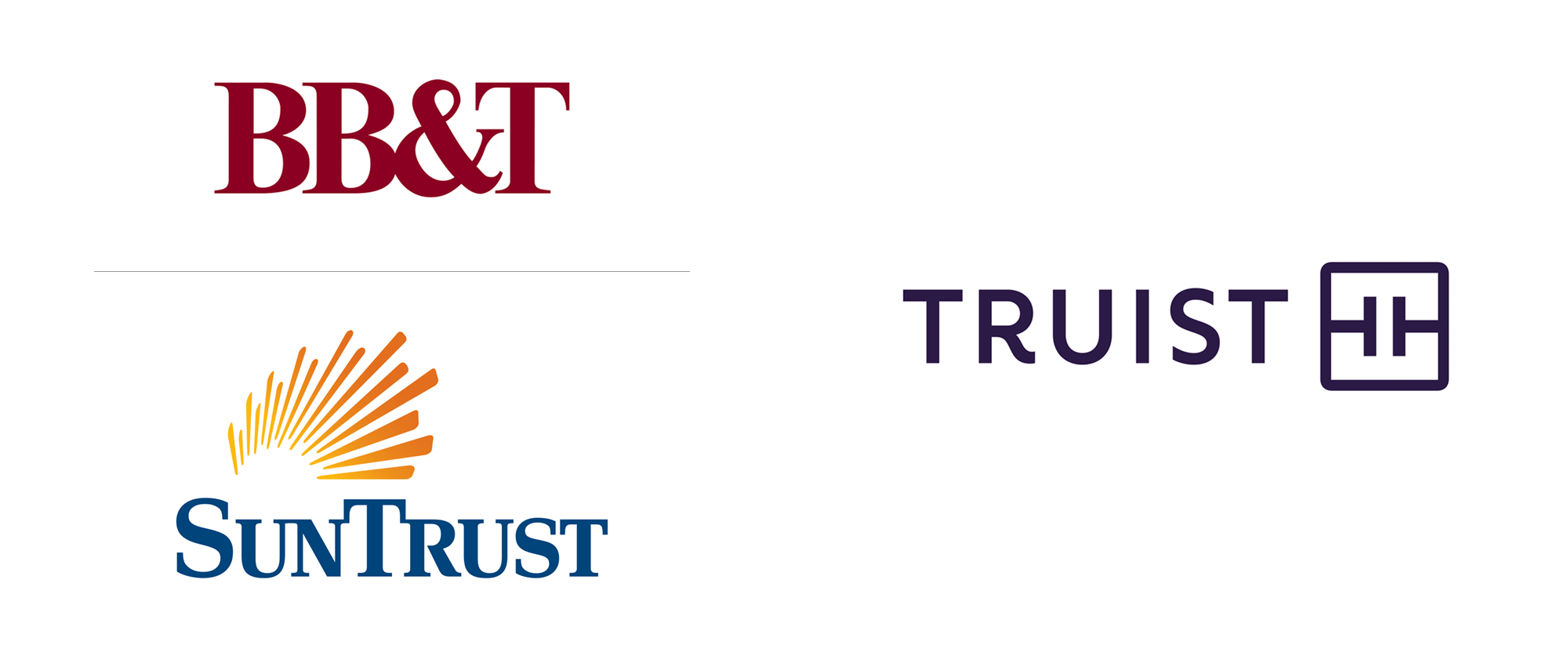
Before Truist emerged as a unified entity, the financial services sector recognized two distinct and formidable players: Branch Banking and Trust Company (BB&T) and SunTrust Banks, Inc. Each carried a unique corporate identity, a distinct brand narrative, and a loyal customer base cultivated over more than a century of operations. Understanding these predecessors is paramount to grasping the strategic depth of the Truist merger.
Branch Banking and Trust Company (BB&T): A Legacy of Community Banking
BB&T, headquartered in Winston-Salem, North Carolina, began its journey in 1872. Over its extensive history, it cultivated a reputation as a highly relationship-driven, community-focused bank. Its brand identity was deeply rooted in traditional banking values: personal service, local expertise, and a steady, reliable presence in the communities it served.
BB&T’s growth strategy was characterized by a meticulous series of acquisitions, particularly throughout the southeastern and mid-Atlantic United States. These acquisitions were often of smaller, regional banks, allowing BB&T to expand its geographic footprint while ostensibly maintaining a local feel. Its corporate identity projected strength, stability, and an approachable demeanor, making it a trusted institution for individuals, families, and small to medium-sized businesses. The brand emphasized human connection and comprehensive financial advice, striving to be more than just a transaction provider but a financial partner. This approach fostered a strong sense of loyalty among its clientele, who valued the personalized touch and local decision-making power that BB&T often demonstrated.
SunTrust Banks, Inc.: A Southeastern Powerhouse with National Ambitions
SunTrust Banks, Inc., with its roots tracing back to 1891 in Atlanta, Georgia, developed into another significant financial institution, primarily dominating the southeastern United States. SunTrust’s brand identity was often perceived as slightly more corporate and growth-oriented than BB&T’s, though still deeply integrated into its regional economy. It had a strong presence in major metropolitan areas and had built a robust portfolio across consumer banking, wealth management, and corporate and investment banking.
The SunTrust brand carried an aura of sophistication and broad financial capability. While also emphasizing relationships, its narrative leaned more towards comprehensive solutions for a diverse client base, including larger corporations and affluent individuals. Its growth trajectory included notable acquisitions, such as that of Crestar Financial Corporation, which expanded its reach into the mid-Atlantic. SunTrust was known for its technological advancements and its ability to serve complex financial needs, positioning itself as a modern, forward-thinking financial institution capable of competing with national and international banks. Its brand messaging often highlighted innovation and a commitment to helping clients achieve their financial goals through a wide array of services.
The Genesis of Truist: A Landmark Merger of Equals
The announcement in 2019 that BB&T and SunTrust would merge to form Truist Financial Corporation sent ripples through the financial industry. This wasn’t merely another acquisition; it was billed as a “merger of equals,” a complex strategic maneuver designed to create a new entity poised for significant market impact. The creation of Truist was less about one brand subsuming another and more about forging a completely new corporate identity from the combined strengths of two established players.
Strategic Rationale: Why Merge?
The decision to merge two institutions of this magnitude was driven by a powerful confluence of strategic imperatives. From a corporate identity perspective, the merger aimed to transcend the limitations of their individual brands and create a super-regional bank with national scale and enhanced capabilities.
-
Scale and Efficiency: Combining operations promised significant cost synergies, allowing the new entity to invest more heavily in technology, talent, and customer experience. A larger asset base would also provide greater lending capacity and market influence.
-
Competitive Advantage: In an increasingly consolidated banking sector, and with the rise of digital-first competitors, a larger, more diversified institution could better compete with mega-banks and fintech disruptors. The merger allowed Truist to achieve greater market share and geographic reach, particularly strengthening its presence in the high-growth Southeast and mid-Atlantic.
-
Expanded Capabilities: The complementary strengths of BB&T (strong community banking, insurance expertise) and SunTrust (wealth management, corporate and investment banking, technology focus) meant that the combined entity could offer a broader and deeper suite of financial products and services, creating a more holistic brand offering.
-
Investment in Innovation: The combined resources were intended to fuel significant investments in digital transformation, enhancing online and mobile banking experiences, and developing cutting-edge financial tools. This was crucial for a brand looking to position itself for the future.
Navigating the Merger Process: Operational and Cultural Integration
The journey from two distinct corporate identities to one unified Truist was fraught with significant challenges, extending far beyond simply combining balance sheets. Operational and cultural integration presented a monumental task, impacting everything from IT systems to employee morale.
Regulatory approvals were just the first hurdle. Integrating vast and often disparate IT infrastructures from two large banks required meticulous planning to ensure seamless customer transitions and prevent service disruptions. From a branding perspective, the bigger challenge was the integration of distinct corporate cultures. BB&T’s more conservative, community-focused ethos had to blend with SunTrust’s somewhat more corporate and technologically forward-thinking environment. This demanded careful communication, alignment of values, and extensive internal branding efforts to create a cohesive employee experience under the new Truist banner. The success of the new brand identity hinged on its employees, who would be the primary ambassadors of the new Truist promise.
Forging a New Corporate Identity: The Truist Brand
Perhaps the most visible and significant outcome of the merger was the creation of the Truist brand itself. This was not a passive rebranding; it was a deliberate, strategic construction of a new corporate identity designed to represent the combined strengths and future aspirations of the merged institutions.

The Birth of a Name: From Legacy to Future
The decision to adopt an entirely new name, “Truist,” rather than retaining one of the legacy names, was a bold strategic move. While initially met with some skepticism, it signaled a clear intention to move beyond the individual identities of BB&T and SunTrust and establish a forward-looking, unified brand. The name “Truist” was chosen to evoke trust and optimism, core values deemed essential for a financial institution in the modern era. It aimed to convey integrity, reliability, and a commitment to helping clients succeed – traits that both predecessor banks valued, but now articulated through a new, distinctive brand voice. This renaming process involved extensive market research, linguistic analysis, and collaboration with branding agencies to ensure the chosen name resonated with target audiences and avoided negative connotations.
Designing the Visual Identity: Logo, Colors, and Messaging
Alongside the new name, a comprehensive visual identity was developed to embody the Truist brand. The logo, color palette, and core messaging were all meticulously crafted to reflect the new entity’s values and vision.
The Truist logo, often described as a distinctive “T” or a merging of two arcs, was designed to symbolize collaboration, partnership, and forward momentum. It aimed to be modern yet approachable, reflecting a digital-first mindset while retaining a human element. The chosen color palette often features shades of purple, blue, and orange – colors intended to convey sophistication, trust, and warmth, a departure from the more traditional palettes of the predecessor banks. Brand messaging focused on themes like “purpose-driven banking,” “care,” and “optimism,” emphasizing Truist’s commitment to building a better financial future for its clients and communities. This holistic approach to visual and verbal branding was critical in establishing a clear, differentiated identity for the new bank.
Reconciling Legacies: Bridging the Past and Present
A critical aspect of the Truist brand strategy was the delicate balance of honoring the rich histories of BB&T and SunTrust while firmly establishing the new corporate identity. The challenge was to acknowledge the strong brand equity and loyal customer bases of the legacy institutions without being perceived as simply a “rebrand” of one or the other.
Truist’s communication strategy often emphasized that the new bank was “built on the shoulders of giants,” acknowledging the deep roots and trusted relationships cultivated by its predecessors. While the names BB&T and SunTrust faded from public signage, their operational strengths, customer relationships, and community commitments were intended to be integrated into the Truist experience. This reconciliation involved carefully communicating the benefits of the merger to legacy customers, assuring them that the core values and excellent service they had come to expect would not only continue but would be enhanced under the new brand. The goal was to build a future-proof brand that still resonated with the trust and heritage of its origins.
The Brand Evolution in Action: Challenges and Opportunities
The launch of Truist was merely the beginning of its brand evolution. A new corporate identity, however well-conceived, requires sustained effort to take root, resonate with stakeholders, and deliver on its promises. The transition presented both significant challenges and unparalleled opportunities for brand building.
Communicating the New Brand: Marketing and Public Perception
The initial rollout of the Truist brand required a massive marketing and public relations campaign. The objective was clear: educate the public about the new name, articulate its value proposition, and manage any potential confusion or skepticism. This involved extensive advertising across various media, public announcements from leadership, and direct communication with customers and communities.
Public perception during such a transition is critical. While some welcomed the change as a sign of progress, others expressed nostalgia for the legacy brands or questioned the necessity of a new name. Managing these diverse reactions and consistently reinforcing the benefits of the new, combined entity was a continuous effort. Truist had to clearly demonstrate how the merger would lead to enhanced services, greater convenience, and a more robust financial partner for its diverse customer base, thereby shifting the perception from a forced change to a beneficial evolution.
Internal Branding: Unifying Employees Under a New Banner
Beyond external messaging, internal branding was paramount. Thousands of employees, previously loyal to either BB&T or SunTrust, needed to be unified under a single Truist culture and brand vision. This involved more than just changing email addresses; it required fostering a shared sense of purpose, aligning values, and building a cohesive team identity.
Internal communications, training programs, and leadership engagement were crucial in helping employees understand the rationale behind the merger and embrace the new Truist brand. Empowering employees to become authentic brand ambassadors was a key objective, as their interactions with customers would ultimately define the brand experience. Cultural integration workshops, combined leadership training, and initiatives to foster a common work environment were implemented to ensure that the internal brand narrative was consistent and compelling.

Customer Experience: Translating Brand Promises into Reality
Ultimately, the success of the Truist brand hinges on its ability to deliver a superior customer experience that aligns with its stated brand promises of trust, care, and innovation. The transition phase inevitably involved challenges as IT systems were integrated and operational processes were harmonized.
Truist’s brand strategy required a relentless focus on translating its corporate identity into tangible benefits for customers. This meant ensuring that digital platforms were intuitive and reliable, that customer service was seamless across all channels, and that product offerings truly met the evolving needs of individuals and businesses. The brand’s long-term success depends on consistently demonstrating that the scale and resources of the combined entity lead to a genuinely enhanced and more valuable banking relationship for every customer, thereby cementing its new corporate identity as a leading financial institution built for the future.
In conclusion, “what Truist Bank was before” is a story not just of two banks, but of two distinct corporate identities that strategically converged. It is a testament to the complex art of brand strategy, illustrating how a deliberate transformation can create a new entity designed to meet the demands of a dynamic market while honoring the rich legacies upon which it is built. Truist is a living case study in how new identity can be forged through strategic vision, meticulous execution, and a commitment to integrating the best of its past into a future-focused brand.
aViewFromTheCave is a participant in the Amazon Services LLC Associates Program, an affiliate advertising program designed to provide a means for sites to earn advertising fees by advertising and linking to Amazon.com. Amazon, the Amazon logo, AmazonSupply, and the AmazonSupply logo are trademarks of Amazon.com, Inc. or its affiliates. As an Amazon Associate we earn affiliate commissions from qualifying purchases.