
For many, paying off their mortgage is the ultimate financial dream – a monumental milestone that signals the culmination of decades of diligent payments, responsible budgeting, and often, significant sacrifice. It’s a moment imbued with profound financial implications and an equally powerful emotional resonance. While the immediate relief of eliminating that hefty monthly payment is undeniable, understanding the full spectrum of what truly happens when you pay off your house requires a deeper dive into the financial, psychological, and strategic shifts that follow. It’s not merely the absence of a bill; it’s an entire realignment of your personal finance landscape.
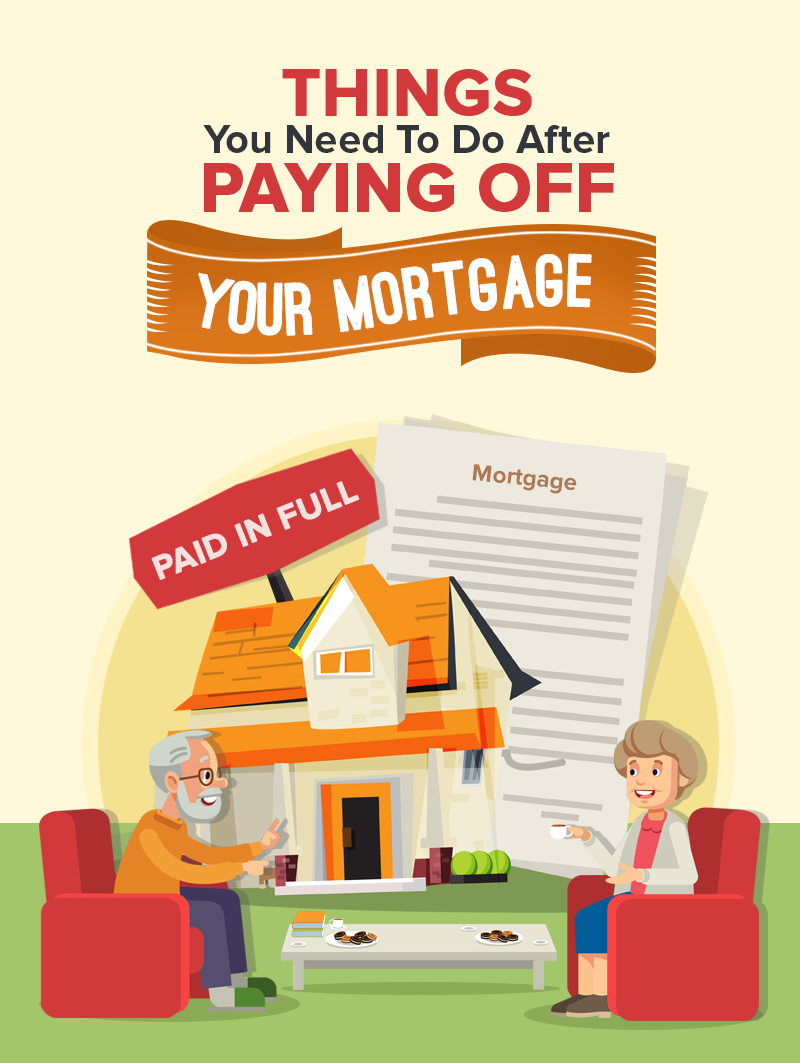
The journey to mortgage-free living is often long and arduous, demanding consistent commitment. When that final payment clears, a new chapter opens, offering both challenges and unprecedented opportunities. This article will explore the immediate impacts, the strategic shifts in your financial planning, the ongoing responsibilities, and the psychological freedom that accompanies this significant achievement.
The Immediate Financial & Emotional Impact
The moment you make that last mortgage payment, a powerful shift occurs, both in your ledger and in your mindset. It’s an instant liberation from what is, for most, their single largest monthly expense. This immediate impact lays the groundwork for a complete re-evaluation of your financial strategy and daily living.
Eliminating the Mortgage Payment
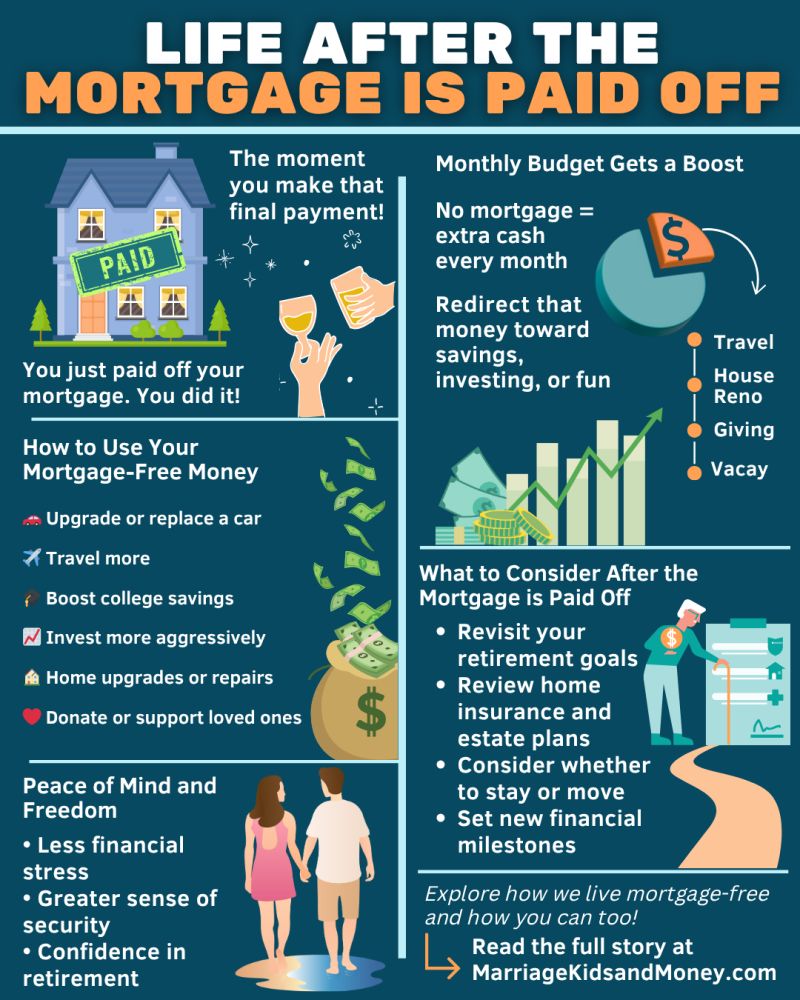
The most tangible and immediate effect is the complete removal of your mortgage payment from your monthly budget. This isn’t just about the principal and interest; it includes any escrowed amounts for property taxes and homeowner’s insurance (though these costs don’t disappear entirely, as we’ll discuss later). Suddenly, a significant portion of your income that was previously allocated to housing costs is now free. For many households, this can represent hundreds or even thousands of dollars each month. This newfound liquidity immediately enhances your cash flow, offering a substantial boost to your discretionary income or, more strategically, to your savings and investment potential. It’s crucial to recognize this as an opportunity, not merely an invitation for increased spending.
Sense of Freedom and Accomplishment
Beyond the purely financial, the emotional impact is profound. Paying off a mortgage often brings an immense sense of accomplishment and relief. The psychological burden of debt, particularly one as large and long-term as a mortgage, can be surprisingly heavy. Eliminating it fosters a feeling of genuine financial freedom and security. There’s a reduced sense of vulnerability to economic downturns or unexpected job loss, knowing that the roof over your head is truly yours, free and clear. This emotional uplift can positively influence other areas of your life, from reduced stress levels to increased confidence in your overall financial management. It’s a culmination of a major life goal, providing a solid foundation for future aspirations.
New Budgeting Opportunities
With the mortgage payment out of the picture, your budget undergoes a fundamental transformation. What was once a non-negotiable fixed expense now becomes a flexible allocation. This opens up entirely new avenues for budgeting. You can redirect these funds towards other financial goals, such as accelerating the payoff of other debts (student loans, car loans, credit cards), substantially increasing retirement contributions, funding college savings for children, or even saving for a major luxury purchase or travel. The key is to be intentional and strategic with this newfound financial flexibility, ensuring that it aligns with your broader long-term financial objectives rather than simply expanding your consumption habits. This is a prime opportunity to build robust financial resilience.
Shifting Financial Priorities and Strategies
Achieving mortgage-free status doesn’t mean your financial journey ends; rather, it marks a significant pivot point. Your financial priorities and strategies must evolve to leverage this new position of strength, ensuring continued growth and security.
Reallocating Former Mortgage Funds
The most critical strategic decision after paying off your house is how to reallocate the funds previously dedicated to your mortgage. This is not “extra” money; it’s a redeployment of existing income streams. For many, the first priority might be to bolster their emergency fund, ensuring they have at least 6-12 months of living expenses readily available, especially now that fixed housing costs are lower. Others might focus on eliminating remaining high-interest debts, such as credit card balances or personal loans, effectively becoming completely debt-free. This systematic approach frees up even more cash flow in the long run. The strategic choice here should always be aligned with your personal financial plan and risk tolerance.
Building Wealth and Investment Opportunities
With the mortgage gone, a powerful wealth-building engine is unleashed. The funds can be channeled into various investment vehicles, significantly accelerating your path to financial independence.
- Retirement Accounts: Maxing out contributions to tax-advantaged accounts like 401(k)s, 403(b)s, and IRAs should be a top priority. The power of compounding interest over time, combined with potential tax benefits, makes these essential for long-term wealth accumulation.
- Taxable Brokerage Accounts: For those already maximizing retirement contributions, investing in a diversified portfolio of stocks, bonds, and mutual funds in a taxable brokerage account can provide further growth potential and flexibility.
- Real Estate Investing: Some might consider leveraging their mortgage-free status to invest in income-generating rental properties, further diversifying their asset base and creating passive income streams.
- Education Savings: For families, this can be an opportune time to aggressively fund 529 plans or other education savings vehicles, reducing the potential burden of student loans for future generations.
Debt Repayment Acceleration (Other Debts)
Becoming mortgage-free often ignites a desire to become completely debt-free. The momentum gained from paying off your largest debt can be powerfully applied to tackling any remaining consumer debts, car loans, or student loans. By directing the former mortgage payment towards these obligations, you can eliminate them much faster, saving thousands in interest and further simplifying your financial life. This “debt snowball” or “debt avalanche” strategy becomes incredibly effective once the largest debt is cleared.
Emergency Fund Enhancement
While an emergency fund should ideally be established before paying off your mortgage, being mortgage-free presents an excellent opportunity to fortify it. A larger emergency fund provides an unparalleled sense of security, acting as a buffer against unexpected life events such as job loss, medical emergencies, or major home repairs. With no mortgage payment looming, the amount needed for a comfortable emergency fund might even be slightly reduced, making it easier to reach your target.
Understanding Ongoing Costs of Homeownership
A common misconception is that once the mortgage is paid off, homeownership becomes “free.” While the largest monthly expense is eliminated, owning a home always comes with ongoing financial responsibilities. Understanding these costs is crucial for maintaining financial stability and avoiding unpleasant surprises.

Property Taxes
Property taxes are an unavoidable aspect of homeownership, levied by local governments to fund public services like schools, roads, and emergency services. These taxes are typically assessed annually and can change over time based on property valuations and local municipal budgets. Even without a mortgage, you are responsible for paying these directly. It’s wise to set aside funds monthly into a separate savings account to cover this annual or semi-annual expense, replicating the escrow function of a mortgage without the lender’s involvement.
Homeowner’s Insurance
Protecting your most valuable asset from perils like fire, theft, and natural disasters remains essential. Homeowner’s insurance is a continuous cost that must be budgeted for. While a lender no longer mandates it, going without insurance is a significant financial risk. Premiums can vary based on location, property value, coverage limits, and chosen deductible. Regularly reviewing your policy and shopping around can help ensure you’re getting competitive rates.
Maintenance and Repairs
Homes require ongoing maintenance to preserve their value and functionality. From routine tasks like lawn care and gutter cleaning to unexpected repairs of appliances, roofs, or HVAC systems, these costs are inevitable. Experts often recommend budgeting 1-3% of your home’s value annually for maintenance and repairs, though this can vary depending on the age and condition of the property. Having a dedicated “home maintenance fund” is a prudent financial strategy for all homeowners, especially those without a mortgage.
Utility Expenses
Electricity, gas, water, internet, and waste management services are recurring costs that remain regardless of mortgage status. While not directly tied to the home’s financing, they are essential for comfortable living and must be factored into your ongoing budget. Energy efficiency upgrades, such as new windows or improved insulation, can help reduce some of these expenses over time.
Implications for Estate Planning and Future Generations
Paying off your house also has significant implications for your long-term legacy and how your assets will be managed and distributed after you’re gone. It simplifies certain aspects of estate planning and can be a powerful gift to your heirs.
Simplified Estate Planning
A mortgage-free home simplifies your estate. There’s no outstanding debt tied to the property that your heirs would need to assume or settle. This makes the transfer of ownership smoother and less complicated. It also ensures that the full value of the home can be passed on according to your wishes, whether through a will, trust, or other estate planning mechanisms, without the need for beneficiaries to secure financing or sell the property to cover a remaining loan. Establishing a clear estate plan, including how the property will be transferred, is paramount to avoid probate and ensure your intentions are honored.
Leaving a Legacy
For many, a mortgage-free home represents a substantial legacy to leave to their children or other beneficiaries. It can provide them with a significant head start, either by giving them a debt-free place to live or by providing a substantial asset that can be sold to fund their own financial goals. This gift can alleviate future financial burdens for your heirs and contribute to intergenerational wealth transfer, providing a lasting positive impact.
Reverse Mortgages: A Consideration for Retirement Income
While having a paid-off home is a tremendous asset, for some retirees, it can also become a source of income through a reverse mortgage. This financial product allows homeowners aged 62 and older to convert a portion of their home equity into cash, either as a lump sum, a line of credit, or fixed monthly payments, without having to sell the home or make monthly mortgage payments. The loan is typically repaid when the last borrower moves out, sells the home, or passes away. While it can provide crucial income for those on fixed budgets, it’s a complex financial product with fees and considerations that require careful evaluation and professional advice.
The Psychological and Lifestyle Shift
Beyond the hard numbers and strategic financial shifts, paying off your house brings about a profound psychological and lifestyle transformation. It redefines your relationship with money, work, and personal freedom.
Reduced Financial Stress
The most immediate psychological benefit is a significant reduction in financial stress. The weight of a large, long-term debt is lifted, and with it, much of the anxiety associated with maintaining employment or managing unexpected expenses. Knowing that your primary shelter is secure and fully owned provides an unparalleled sense of calm and stability. This newfound peace of mind can improve overall well-being, sleep quality, and relationships, as financial worries often permeate all aspects of life.
Increased Flexibility and Choice
With no mortgage payment, your monthly budget gains immense flexibility. This translates directly into more choices in your lifestyle. You might feel more comfortable taking career risks, such as starting a business or pursuing a passion project, knowing your housing costs are minimal. It can facilitate early retirement for some, as their fixed expenses are substantially lower. Travel becomes more feasible, and the ability to say “yes” to experiences or “no” to financially driven obligations becomes more pronounced. This financial agility empowers you to design a life more aligned with your personal values and desires.
A New Definition of “Financial Freedom”
For many, paying off the house is the embodiment of true financial freedom. While it doesn’t mean you’ll never have another bill, it signifies independence from the largest and longest-standing debt obligation. This freedom extends beyond just money; it’s freedom from worry, freedom to pursue passions, and freedom to make life choices without the constant pressure of a mortgage payment. It allows you to redefine your relationship with your finances, moving from a position of obligation to one of empowerment and proactive choice in building your wealth and living your ideal life.
In conclusion, paying off your house is far more than a simple transaction; it’s a transformative event that reshapes your financial landscape, psychological well-being, and future opportunities. It demands a strategic realignment of your financial plan, opens doors to accelerated wealth building, and offers a profound sense of security and freedom. By understanding and strategically navigating these shifts, you can fully capitalize on this monumental achievement and truly enjoy the fruits of your labor.
aViewFromTheCave is a participant in the Amazon Services LLC Associates Program, an affiliate advertising program designed to provide a means for sites to earn advertising fees by advertising and linking to Amazon.com. Amazon, the Amazon logo, AmazonSupply, and the AmazonSupply logo are trademarks of Amazon.com, Inc. or its affiliates. As an Amazon Associate we earn affiliate commissions from qualifying purchases.