
Navigating the complexities of the tax season requires more than just financial records and a calculator; it requires the correct documentation. For many taxpayers, the first hurdle in fulfilling their annual obligation is simply locating the necessary forms. While the internal revenue landscape has shifted toward a “digital-first” approach, the methods for obtaining tax forms remain diverse, catering to tech-savvy filers, traditionalists who prefer paper, and business owners with specialized requirements. Understanding where to source these documents—and ensuring they are the most current versions—is a fundamental step in personal finance management and regulatory compliance.

Digital Access: The Fastest Way to Retrieve Federal Tax Forms
In the modern financial era, the Internal Revenue Service (IRS) has prioritized digital accessibility. For the vast majority of taxpayers, the internet is the most efficient repository for both current-year forms and historical archives.
The IRS Official Website (IRS.gov)
The definitive source for any federal tax document is IRS.gov. The website hosts an expansive “Forms, Instructions & Publications” section that is updated in real-time as legislation changes. Users can search by form number (e.g., “Form 1040”) or by keyword (e.g., “Individual Income Tax”). One of the primary advantages of using the official site is the availability of “Fillable PDFs.” These allow users to type their information directly into the form before printing or saving, reducing the errors associated with handwritten entries. Furthermore, the IRS provides “Instructions” booklets for every form, which are essential for understanding complex deductions, credits, and filing statuses.
IRS Free File and Fillable Forms
Beyond static PDFs, the IRS offers the Free File program for eligible taxpayers (generally those with an Adjusted Gross Income below a certain threshold). This program provides access to brand-name tax preparation software at no cost, which automatically generates the necessary forms based on user input. For those who exceed the income limit but still want a digital experience without the “hand-holding” of software, “Free File Fillable Forms” are available. These are electronic versions of paper forms that perform basic calculations, providing a middle ground between manual filing and automated software.
Third-Party Tax Software Integration
For many, the question of “where to get forms” is solved by utilizing tax preparation platforms like TurboTax, H&R Block, or FreeTaxUSA. These services do not require you to download individual forms manually. Instead, they use an interview-style interface to collect data and then populate the relevant forms—such as the 1040, Schedule C for business income, or Form 8812 for child tax credits—in the background. When the filing is complete, these platforms allow users to download a comprehensive PDF package of every form submitted to the IRS for their personal records.
Physical Locations: Where to Find Hard Copies of Tax Forms
Despite the shift toward digital filing, a significant portion of the population still requires or prefers physical paper forms. Whether due to a lack of reliable internet access, a preference for manual record-keeping, or specific filing requirements, hard copies remain available through several public and governmental channels.
Local Libraries and Post Offices
Historically, post offices and public libraries were the primary distribution points for tax products. While the IRS has scaled back the volume of forms sent to these locations due to budget constraints and the rise of e-filing, many still participate in the Tax Forms Outlet Program (TFOP). During the peak tax season (typically January through April), many local libraries stock the basic Form 1040 and its primary schedules. It is advisable to call ahead, as supplies can be limited. Even if a library does not have pre-printed forms, they almost always provide computer terminals and printers where taxpayers can print the forms they need from the IRS website, often for a nominal per-page fee.
IRS Taxpayer Assistance Centers (TACs)
For those who need specialized forms or personal assistance, the IRS maintains Taxpayer Assistance Centers across the country. These offices are staffed by IRS employees who can provide specific forms and publications. However, most TACs now operate on an appointment-only basis. While you can walk in to pick up a form, it is significantly more efficient to check the IRS website for the nearest location and verify their current stock of physical documents.
Ordering by Phone or Mail
If you cannot find a local pickup point and do not have a printer, the IRS allows you to order forms and instructions by mail. By calling 1-800-TAX-FORM (1-800-829-3676), taxpayers can request that specific forms be sent to their home address. It is important to note that mail orders can take 7 to 15 business days to arrive, especially during the height of the filing season. Therefore, this method requires early planning to ensure that the April filing deadline is met.
Understanding Different Types of Federal Forms
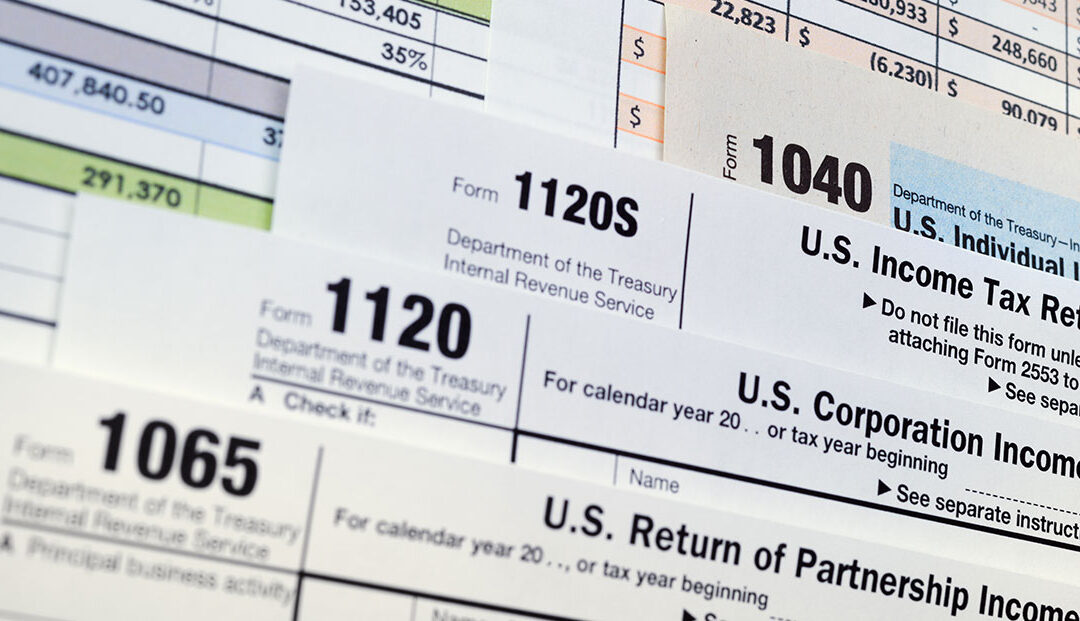
Knowing where to get forms is only half the battle; identifying which forms you actually need is equally critical for accurate financial reporting. The IRS catalog contains hundreds of documents, but most individual taxpayers only interact with a select few.
Form 1040 and Its Schedules
Form 1040 is the “U.S. Individual Income Tax Return.” Since 2018, this form has been redesigned to be shorter, with much of the detail moved to various “Schedules.”
-
Schedule 1: Used for additional income (like unemployment or gambling winnings) and adjustments to income (like student loan interest deductions).
-
Schedule 2: Used for additional taxes, such as the Alternative Minimum Tax (AMT) or self-employment tax.
-
Schedule 3: Used for non-refundable and refundable credits other than the child tax credit.
Understanding these attachments is vital because a standard 1040 alone may not capture your full financial picture.
Information Returns: W-2s and 1099s
It is a common misconception that taxpayers need to “get” a W-2 or 1099 from the IRS. In reality, these are “Information Returns” that are provided to you by your employer, bank, or brokerage firm. If you have not received a W-2 by early February, you should first contact your employer’s payroll department. If the document is still not provided, you can contact the IRS, and they will intervene by contacting the employer on your behalf. For freelancers and gig workers, the 1099-NEC is the standard form for reporting non-employee compensation, and these are typically accessible through the payer’s online portal.
Forms for Business Owners and Freelancers
Individuals running a business or working as independent contractors have a more complex form requirement. In addition to the 1040, they will often need Schedule C (Profit or Loss from Business) and Schedule SE (Self-Employment Tax). If the business is structured as a corporation or partnership, entirely different forms—such as Form 1120 or Form 1065—are required. These specialized forms are rarely found at libraries or post offices and are best sourced directly from the IRS website or through professional accounting software.
Accessing State and Local Tax Forms
While federal taxes often take center stage, most Americans also owe state income taxes. Because the IRS only handles federal filings, state forms must be sourced from separate entities.
State Department of Revenue Portals
Each state with an income tax has its own Department of Revenue (DOR) or Franchise Tax Board. These agencies maintain websites similar to IRS.gov where residents can download state-specific tax forms, instructions, and credits. For example, a resident of California would visit the Franchise Tax Board (FTB) website, while a resident of New York would look to the Department of Taxation and Finance. These sites often provide “State-Only” e-filing options that are free for residents, regardless of income.
Multi-State Filing Considerations
For individuals who lived in more than one state during the year or worked in a state other than their residence, “Non-Resident” or “Part-Year Resident” forms are required. These are distinct from standard resident forms and are essential for avoiding double taxation. Most state DOR websites have a specific section for “Prior Year Forms” and “Non-Resident Forms” to assist with these specific financial scenarios.
Best Practices for Tax Form Management and Security
Acquiring the forms is a logistical step, but managing them involves financial strategy and security. Handling sensitive documents that contain Social Security numbers and income data requires a disciplined approach.
Digital Organization and Record Keeping
Once you have located and filled out your forms, maintaining a digital archive is a best practice for long-term financial health. Financial experts recommend keeping copies of filed tax returns and supporting documentation for at least three to seven years. Using an encrypted cloud storage service or a password-protected external hard drive ensures that these documents are available in the event of an audit or when applying for major loans, such as a mortgage.
Avoiding Scams and Fraudulent Websites
When searching for tax forms online, it is easy to stumble upon third-party websites that look official but are designed to harvest personal information. Always ensure that the URL ends in “.gov” when downloading federal or state forms. Legitimate government agencies will never charge you a fee just to download a blank form. If a site asks for a credit card number to provide a PDF of Form 1040, it is likely a scam.
Timing and Deadlines
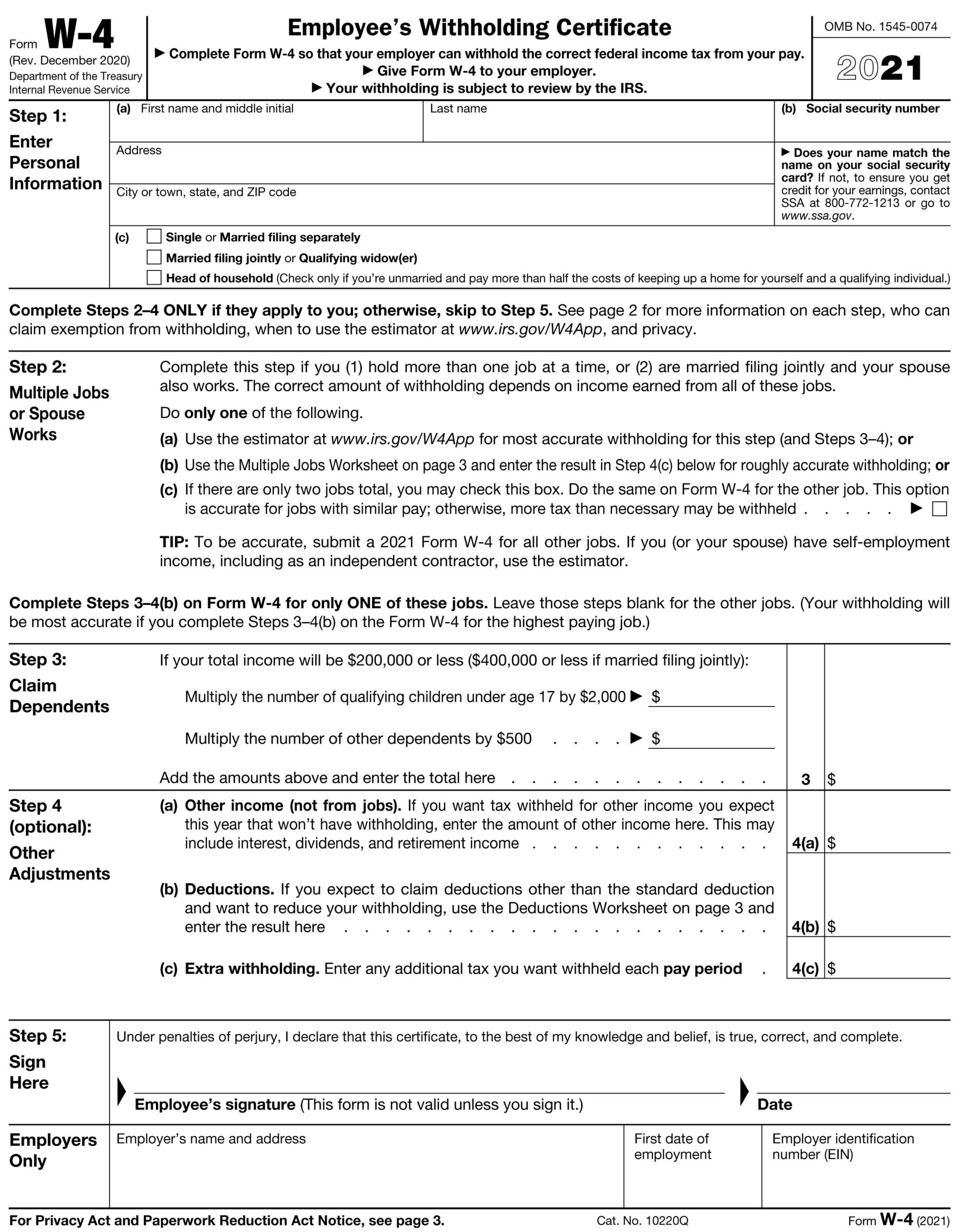
The availability of forms follows a specific cycle. Draft versions of forms are often posted in the late fall, but these should never be used for filing. Final versions are typically released in late December or early January. By securing the necessary documents early in the year, taxpayers can perform a “dry run” of their taxes, allowing for better cash flow management if a payment is owed or providing an earlier start on the refund process. Whether you choose the convenience of the IRS website, the familiarity of a local library, or the automation of tax software, having a clear roadmap of where to get your tax forms is the first step toward a successful and stress-free tax season.
aViewFromTheCave is a participant in the Amazon Services LLC Associates Program, an affiliate advertising program designed to provide a means for sites to earn advertising fees by advertising and linking to Amazon.com. Amazon, the Amazon logo, AmazonSupply, and the AmazonSupply logo are trademarks of Amazon.com, Inc. or its affiliates. As an Amazon Associate we earn affiliate commissions from qualifying purchases.