
Navigating the complexities of the United States tax system often feels like traversing a labyrinth. Among the most fundamental questions a taxpayer faces each year is not just how much they owe, but precisely where and how to submit their documentation to the Internal Revenue Service (IRS). As the digital landscape evolves, the “where” has shifted from physical mailboxes to encrypted cloud servers, though the traditional paper route remains a necessity for some. Understanding your filing options is essential for ensuring your return is processed accurately, your refund is issued promptly, and you remain in compliance with federal law.

The choice of where to file depends on several factors: your income level, your comfort with technology, your residency status, and whether you are expecting a refund or sending a payment. This guide explores the diverse avenues available to American taxpayers, from government-sponsored digital portals to the specific geographical jurisdictions required for paper submissions.
The Digital Evolution: IRS Free File and Direct File Programs
In recent years, the IRS has made significant strides in transitioning taxpayers toward digital platforms. For the vast majority of Americans, the “where” of filing is now a secure website rather than a physical location. Electronic filing, or e-filing, has become the gold standard due to its speed, accuracy, and the immediate confirmation of receipt.
IRS Free File: Partnering with Industry Leaders
For taxpayers with an Adjusted Gross Income (AGI) of $79,000 or less, the IRS Free File program offers a robust solution. This program is a public-private partnership between the IRS and several tax preparation software companies. Through the official IRS.gov website, eligible users can access professional-grade software to prepare and file their federal returns at no cost.
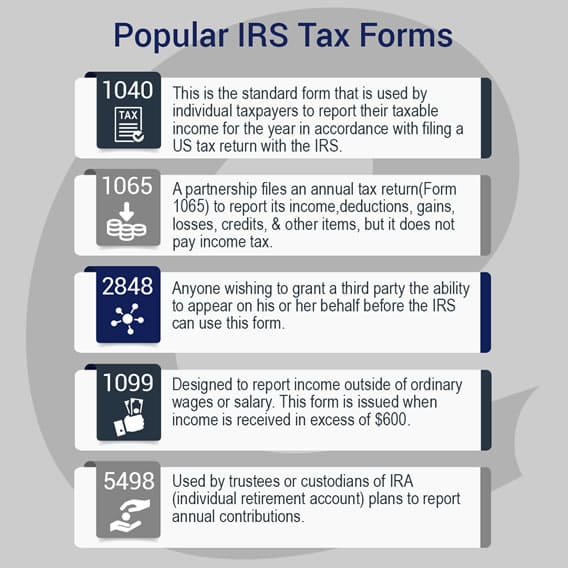
The primary benefit of using the Free File portal is the guided interview process. Instead of staring at a blank Form 1040, users answer simple questions about their life events, income, and expenses. The software then determines the correct forms and “files” them electronically to the appropriate IRS data center. This eliminates the guesswork of where to send specific schedules or attachments.
IRS Direct File: The New Government-Led Frontier
A landmark shift in the American tax landscape is the introduction of IRS Direct File. This pilot program represents the first time the federal government has provided a direct, interview-based filing tool that does not rely on third-party commercial software. While currently limited to specific states and taxpayers with relatively simple tax situations (such as those reporting W-2 income, standard deductions, and specific credits like the Earned Income Tax Credit), it signals a future where “where to file” is a centralized, government-hosted digital environment.
Commercial Tax Software and Professional Portals
For those who exceed the income thresholds for Free File or who have complex financial portfolios—such as high-frequency stock trading, cryptocurrency transactions, or rental property income—commercial software remains the most popular destination for filing.
The Role of Third-Party Aggregators
Platforms like TurboTax, H&R Block, and TaxSlayer have built sophisticated infrastructures that act as intermediaries between the taxpayer and the IRS. When you file through these services, your data is packaged into a specific electronic format (XML) and transmitted via the IRS e-file system.
The advantage of these platforms is their ability to handle “multi-state” filing. If you lived in one state but worked in another, or if you moved during the tax year, these tools automatically direct your state returns to the respective state departments of revenue while sending your federal return to the IRS. This synchronization is a critical component of modern personal finance management, as it prevents the common error of sending state documents to federal processing centers.
Authorized e-File Providers
For individuals who prefer a hands-off approach, certified public accountants (CPAs) and Enrolled Agents (EAs) provide a professional “where” for your tax return. When you hire a tax professional, they utilize professional-grade software that connects directly to the IRS’s modernized e-file (MeF) system. This is often the most secure method for business owners and high-net-worth individuals, as the “filing” occurs through an encrypted tunnel maintained by authorized providers who are vetted by the IRS.
The Traditional Route: Mailing Paper Returns
Despite the dominance of digital filing, a small percentage of taxpayers still prefer—or are required—to file paper returns. This might include individuals filing specific amended returns that cannot yet be e-filed, those who need to attach voluminous physical documentation, or those who simply do not have reliable internet access.
The “where” for paper filing is highly specific and depends entirely on two variables: the state in which you reside and whether or not you are enclosing a payment (a check or money order).
Finding the Correct IRS Service Center
The IRS operates multiple processing centers across the United States, including major hubs in Austin, Texas; Kansas City, Missouri; and Ogden, Utah. It is a common mistake to mail a return to the local IRS field office in one’s city; however, these offices generally do not process tax returns.
For example, a taxpayer living in Florida who is not enclosing a payment would typically mail their Form 1040 to the Department of the Treasury in Austin. Conversely, if that same Florida resident were enclosing a payment, they would mail it to a different P.O. Box in Charlotte, North Carolina. This distinction ensures that payments are routed directly to financial processing centers (the “lockbox”), while returns without payments go to centers focused on data entry and auditing.
Risks and Best Practices for Physical Mail
Mailing a return carries inherent risks, including loss in transit or significant delays in processing. If you must file by mail, the IRS recommends using a “private delivery service” or USPS Certified Mail with a Return Receipt Requested. This provides legal proof of the “postmark rule,” which states that a return is considered filed on the date it is postmarked, even if it arrives at the IRS after the deadline.
International Filings: Where Do Expatriates File?
The United States is unique in that it taxes its citizens on their worldwide income, regardless of where they live. For the millions of Americans living abroad, the question of where to file is slightly more nuanced.
Filing from Outside the United States
U.S. citizens and resident aliens living in foreign countries generally mail their paper returns to the Department of the Treasury at the IRS center in Austin, Texas. However, the IRS strongly encourages expatriates to e-file. Most modern tax software can accommodate foreign addresses and foreign earned income exclusions (Form 2555) or foreign tax credits (Form 1116).
Specialized State Considerations
Expats must also consider their “domicile” state. Many states require a tax filing if you maintain a residence or “intent to return” to that state, even if you are working in London, Tokyo, or Dubai. In these cases, the taxpayer must file in two “places”: the federal return goes to the IRS (usually via an international e-file portal), and the state return goes to the specific state’s tax agency (such as the Franchise Tax Board in California or the Department of Revenue in New York).
Maximizing Security and Efficiency
Choosing where to file is as much about digital security as it is about logistics. As identity theft remains a significant threat in the financial sector, the infrastructure of the filing platform is paramount.
Verifying the Security of Filing Portals
Before entering sensitive data into any filing site, ensure the portal uses multi-factor authentication (MFA). The IRS, in collaboration with the Security Summit, has mandated higher security standards for all “places” where tax data is handled. This includes the use of “Identity Protection PINs” (IP PINs), which act as a secondary key. When you file—whether through a DIY site or a professional—the presence of an IP PIN ensures that the IRS only accepts a return submitted through that specific, verified channel.
The Impact of Filing Location on Refund Speed
The “where” of your filing directly impacts the “when” of your refund. Returns filed electronically to the IRS’s central servers are typically processed within 21 days. In contrast, paper returns sent to physical service centers can take six to eight weeks—or longer during peak seasons—due to the manual data entry required. For those focused on personal liquidity and cash flow management, the digital “where” is the only logical choice.
Ultimately, the process of filing a US tax return has been streamlined to accommodate the diverse needs of a modern economy. Whether you choose the direct path of the IRS’s new digital tools, the comprehensive support of commercial software, or the traditional route of the postal service, ensuring your return reaches the correct destination is the final, critical step in your annual financial cycle. By identifying the right platform for your specific income and residency, you can fulfill your obligations with confidence and precision.
aViewFromTheCave is a participant in the Amazon Services LLC Associates Program, an affiliate advertising program designed to provide a means for sites to earn advertising fees by advertising and linking to Amazon.com. Amazon, the Amazon logo, AmazonSupply, and the AmazonSupply logo are trademarks of Amazon.com, Inc. or its affiliates. As an Amazon Associate we earn affiliate commissions from qualifying purchases.