
Navigating the landscape of the service industry requires a keen understanding of how compensation models function, especially within high-volume casual dining chains. Texas Roadhouse, known for its “legendary food and legendary service,” represents a significant case study for anyone looking to enter the hospitality sector as a primary career or a strategic side hustle. When analyzing how much servers make at Texas Roadhouse, one must look beyond a simple hourly figure. The total income is a composite of base wages, gratuities, and the economic efficiency of the restaurant’s specific business model.
In the world of personal finance, service industry roles are often viewed through the lens of high-yield, short-term income. However, for those who master the “Texas Roadhouse way,” it can become a stable financial foundation. Understanding the nuances of this income—from the tipped minimum wage to the impact of table turnover—is essential for making an informed career or financial decision.
Breaking Down the Server Compensation Model
The compensation for a server at Texas Roadhouse is fundamentally different from a traditional salaried or hourly retail position. It relies heavily on the “tipped wage” system, which is a cornerstone of the American hospitality economy.
The Tipped Minimum Wage vs. Federal Standards
In the United States, the Department of Labor allows employers to pay a “cash wage” below the standard federal minimum wage, provided that the employee’s tips make up the difference. While the federal tipped minimum is set at $2.13 per hour, many states have enacted laws requiring higher base pay. At Texas Roadhouse, your base hourly rate will depend heavily on the state in which the restaurant is located. In states like California or Washington, servers may earn the full state minimum wage plus tips, significantly elevating their baseline earnings. In “tip credit” states, the base pay remains low, making the server’s ability to generate gratuities the primary driver of their financial success.
The Tip Share System
One of the most critical aspects of the Texas Roadhouse financial ecosystem is the “tip out” or tip share system. Servers do not keep 100% of the gratuities they receive. To maintain the high-energy, efficient environment the brand is known for, servers share a percentage of their total sales—not a percentage of their tips—with support staff. This usually includes hosts, bartenders, and “bus runners” or “SA’s” (Server Assistants).
From a personal finance perspective, this is a “cost of doing business.” If a server has $1,500 in sales during a shift and the tip-out rate is 3%, they must pay $45 back to the house to be distributed to support staff. This occurs regardless of whether the server was tipped 10% or 25%. Understanding this deduction is vital for accurate income projection and budgeting.
Average Earnings: What the Data Shows
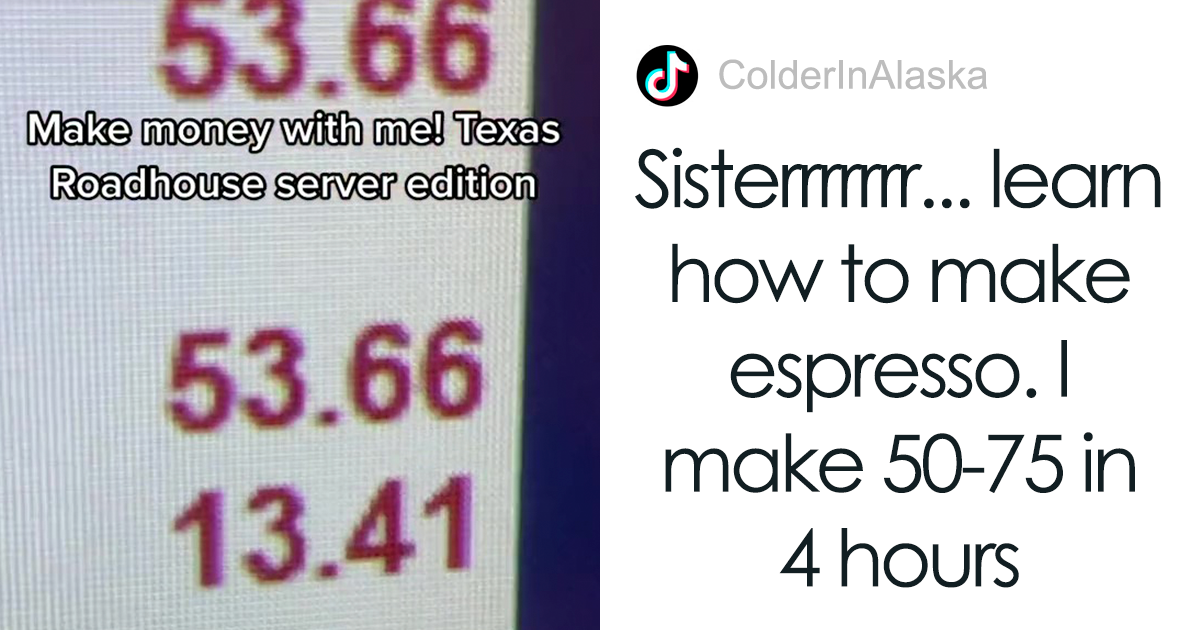
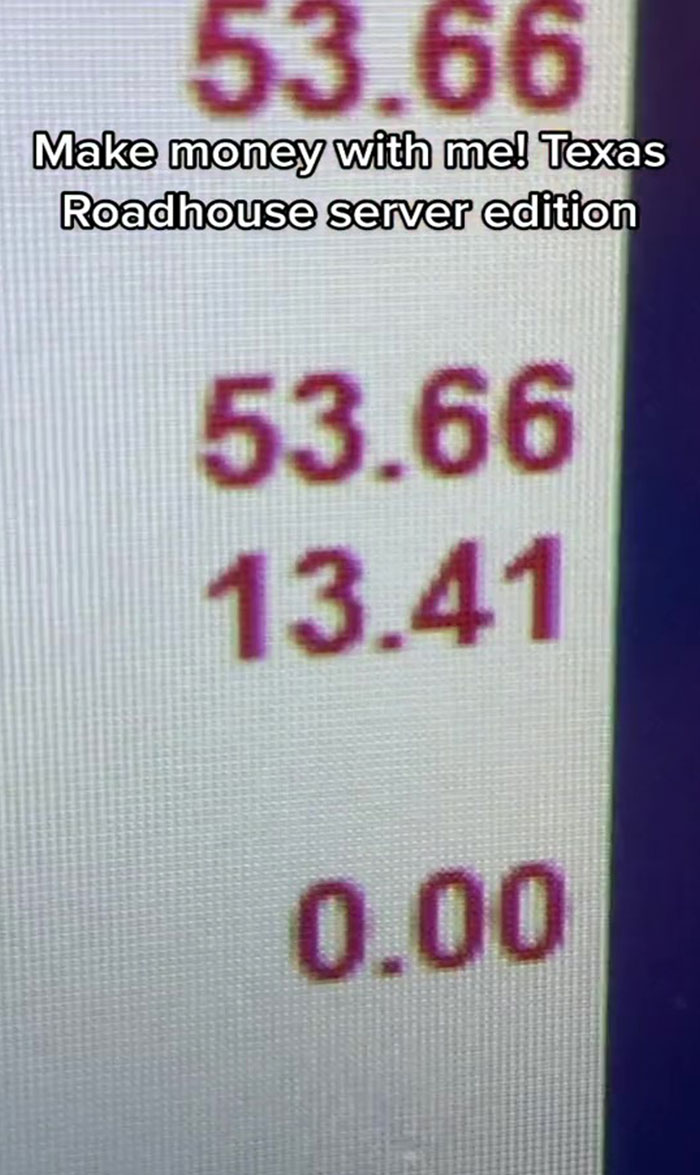
While individual results vary based on talent and temperament, industry data and self-reported figures from current and former employees provide a clear range for potential earnings. On average, a server at Texas Roadhouse can expect to earn between $15 and $30 per hour when combining base pay and tips.
Geographic Variability and Cost of Living
The location of the restaurant is perhaps the largest variable in a server’s income. A Texas Roadhouse in a high-cost-of-living metropolitan area often sees higher average check totals. Because tips are generally a percentage of the total bill, higher menu prices directly correlate to higher server income. Furthermore, locations in states with robust labor laws often provide a higher floor for earnings, protecting servers during slow shifts.
The Impact of Peak Shifts
In the hospitality industry, not all hours are created equal. A server working a Tuesday lunch shift will likely earn significantly less than one working a Friday night dinner shift. Texas Roadhouse is primarily a dinner-heavy concept, with many locations not even opening for lunch during the week. This concentrated window of operation means that servers are often “running” for the entirety of their shift. The financial advantage here is “density”—earning a full day’s wages in a concentrated five-to-six-hour window, which makes it an ideal role for those balancing other financial ventures or educational pursuits.

Why Texas Roadhouse Stands Out in the Service Economy
To understand why some servers favor Texas Roadhouse over other casual dining chains, one must look at the brand’s specific operational strategy. The company focuses on high volume and high turnover, which are the two primary drivers of server wealth.
High Table Turnover and Volume
Texas Roadhouse is famous for its efficiency. The “First-Time Guest” program and the “Kent’s Top Ten” service standards are designed to move guests through the dining experience without making them feel rushed. For a server, “turning a table” quickly means more opportunities for tips within a single shift. If a server can handle a three-table section and turn those tables three times in a night, they have served nine parties. If they increase their efficiency to turn those tables four times, they have increased their potential income by 33% without needing a larger section.
Upselling Strategies that Boost Daily Totals
The menu at Texas Roadhouse is engineered for upselling. From “smothering” a steak with onions and mushrooms to upgrading a margarita to a “kicker,” these small additions increase the total guest check. For the server, a $2.00 add-on might seem small, but across a 40-guest shift, it adds $80 to the total sales. At an average tip rate of 20%, that simple suggestion puts an extra $16 in the server’s pocket. Mastering the art of the “soft sell” is a key financial skill in this environment.
Managing Your Money as a Tipped Professional
One of the greatest challenges of serving at Texas Roadhouse—or any tipped position—is the volatility of the income. Unlike a bi-weekly paycheck that is consistent to the penny, server income fluctuates based on the day of the week, the season, and even the weather.
Budgeting for Irregular Income
From a personal finance standpoint, servers must adopt a “low-water mark” budgeting strategy. This involves calculating your monthly expenses based on your lowest-earning month of the year. Any income earned above that baseline should be directed toward savings, investments, or debt repayment rather than lifestyle inflation. Because Texas Roadhouse can be incredibly lucrative during the holiday season or “steak-night” rushes, it is easy for employees to overspend during flush months, leaving them vulnerable during the slower post-holiday period in January and February.
Tax Responsibilities and Reporting
Modern POS (Point of Sale) systems have made it nearly impossible to “hide” tip income, as credit card tips are automatically recorded. Servers are required to report 100% of their tips, including cash. Failure to do so can result in significant legal and financial headaches. Furthermore, reporting full income is beneficial for servers who plan to apply for car loans, mortgages, or leases. Lenders look at documented income; if a server only reports their base hourly pay, they will likely be denied for the credit they need to build their net worth.
Is Serving at Texas Roadhouse a Viable Side Hustle or Career?
When evaluating the role of a Texas Roadhouse server within a broader financial plan, one must consider the opportunity costs and the long-term outlook.
Opportunity Costs and Physical Demands
Serving is physically demanding labor. It involves standing for long hours, carrying heavy trays, and managing high-stress environments. While the hourly rate can rival entry-level corporate positions, it does not typically come with the same suite of benefits, such as a 401(k) match or comprehensive health insurance, although Texas Roadhouse does offer some benefits to eligible employees. From a wealth-building perspective, the goal for many is to use the high immediate cash flow from serving to fund other investments—such as a college degree, a small business, or a stock portfolio.
The Path to Management
For those who view the brand as a long-term career, Texas Roadhouse has a well-documented track record of promoting from within. Managing a high-volume restaurant can be an extremely lucrative career path, with “Managing Partners” often earning six-figure salaries plus a percentage of the store’s profits. This “intrapreneurship” model allows successful servers to transition into a business ownership mindset without the capital risk of starting a restaurant from scratch.
Ultimately, the amount a server makes at Texas Roadhouse is a reflection of both the brand’s powerhouse marketing and the individual’s personal efficiency. By treating the role as a business—focusing on volume, upselling, and meticulous financial management—a server can turn “table-waiting” into a significant engine for personal financial growth. Whether it serves as a bridge to another career or the first step into hospitality management, the income potential at Texas Roadhouse remains among the most competitive in the casual dining sector.
aViewFromTheCave is a participant in the Amazon Services LLC Associates Program, an affiliate advertising program designed to provide a means for sites to earn advertising fees by advertising and linking to Amazon.com. Amazon, the Amazon logo, AmazonSupply, and the AmazonSupply logo are trademarks of Amazon.com, Inc. or its affiliates. As an Amazon Associate we earn affiliate commissions from qualifying purchases.