
In an era defined by inflationary pressures and shifting consumer spending habits, the cost of dining out has become a focal point for personal finance management. Texas Roadhouse, a titan in the casual dining sector, often surfaces in discussions regarding “value-for-money.” For the budget-conscious consumer or the family looking to manage their discretionary income, understanding the true cost of a meal at this establishment requires more than a glance at the menu. It requires a comprehensive financial analysis of its pricing structure, market positioning, and the inherent value proposition it offers compared to its competitors.

The question “How expensive is Texas Roadhouse?” is relative. To a college student on a strict monthly budget, a $30 steak dinner is a luxury. To a professional used to high-end city steakhouses where a ribeye alone can cost $70, Texas Roadhouse represents a significant saving. This article deconstructs the financial layers of the Texas Roadhouse experience, providing a roadmap for financial optimization when dining out.
The Economics of the Steakhouse Experience
When evaluating the cost of Texas Roadhouse, we must look at the average ticket price. On a national average, a solo diner can expect to spend between $20 and $35 for a standard meal, including an entree, sides, and a non-alcoholic beverage, before tax and gratuity. However, this figure fluctuates based on geographic location and specific ordering choices.
Entry-Level Pricing and Mid-Range Staples
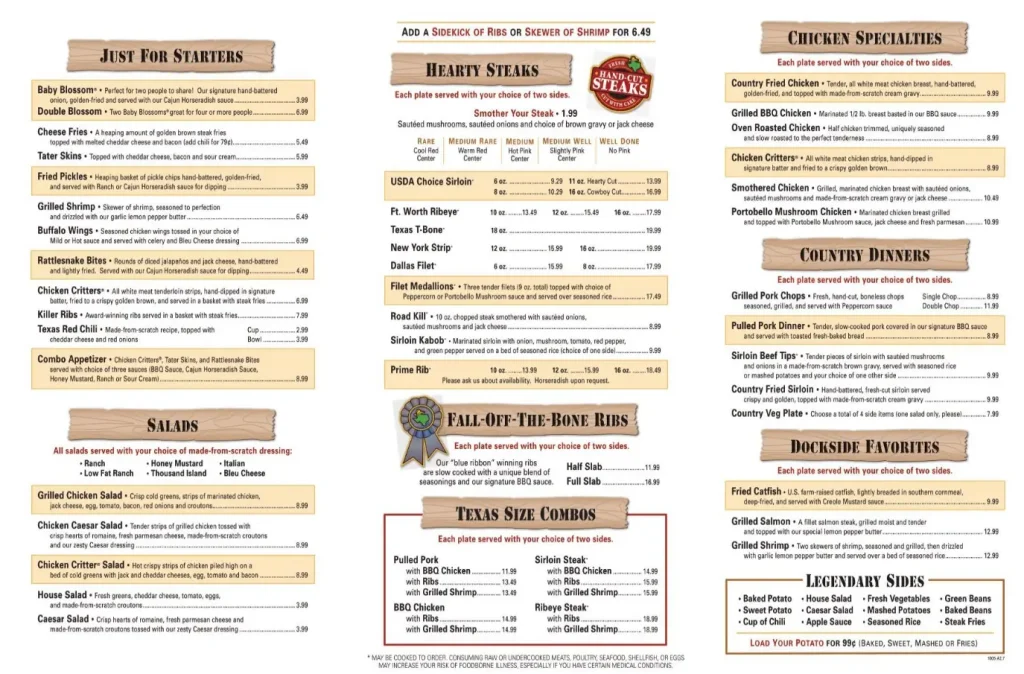
Texas Roadhouse anchors its menu with competitive entry-point pricing. Their “Hand-Cut Steaks” section typically starts with the 6oz Sirloin, which is often priced in the $12.99 to $15.99 range depending on the market. This includes two made-from-scratch sides and their signature rolls. From a personal finance perspective, this price point is highly competitive, often rivaling the cost of a “premium” combo meal at a fast-food establishment, yet offering significantly higher nutritional value and a sit-down service experience.
The Premium Tier: Managing the Upsell
As you move up the menu, the financial commitment increases. The 16oz Ribeye or the T-Bone steaks generally fall between $25.00 and $32.00. While these are the “expensive” items on the menu, they remain substantially lower than the pricing found at upscale steakhouse chains like Ruth’s Chris or Morton’s, where similar cuts start at double or triple the price. For the consumer, the “expense” of Texas Roadhouse is mitigated by the fact that it occupies the “accessible luxury” niche in the market.
The “Hidden” Value in Complementary Offerings
One cannot discuss the cost of Texas Roadhouse without mentioning the “free” additions. The complimentary bread rolls and peanuts serve a dual purpose: they enhance the customer experience and act as a financial buffer. By providing high-calorie, high-satisfaction starters at no additional cost, the restaurant reduces the psychological need for the customer to order paid appetizers. For a family of four, this can result in a direct saving of $15 to $25 compared to other casual dining spots where starters are almost mandatory to bridge the gap between seating and service.
Strategic Comparison: Measuring Relative Value in the Casual Dining Sector
To understand if Texas Roadhouse is “expensive,” we must compare it to its direct market competitors, such as Outback Steakhouse, LongHorn Steakhouse, and Applebee’s.
Price-to-Portion Ratio
In the world of business finance, efficiency is key. For the consumer, this translates to the “Price-to-Portion” ratio. Texas Roadhouse consistently ranks high in this metric. Their focus on large portions—specifically in their side dishes and the weight of their hand-cut steaks—ensures a high level of “perceived value.” Many diners find that a single entree provides enough food for two meals, effectively halving the cost per serving if the leftovers are utilized as a lunch the following day. This “second meal” strategy is a cornerstone of savvy personal finance for those who enjoy dining out but want to keep their food-to-income ratio low.
Market Positioning and Inflationary Resilience
While many restaurant chains have aggressively hiked prices in response to rising labor and supply chain costs, Texas Roadhouse has historically been more conservative. Their business model relies on high volume. By keeping prices slightly lower than competitors, they ensure high table turnover rates. For the consumer, this means that while prices have risen, the “value gap” between Texas Roadhouse and cheaper fast-casual options has narrowed, making the steakhouse experience feel like a more justifiable financial decision than it might have been five years ago.
Budgeting and Cash Flow Management for Frequent Diners
Incorporating dining at a mid-tier steakhouse into a personal finance plan requires a strategic approach to cash flow. If you are following a 50/30/20 budget (Needs/Wants/Savings), Texas Roadhouse falls squarely into the 30% “Wants” category.
The True Cost: Tax, Tip, and Add-ons
A $25 steak is never just $25. When budgeting for a night out, the “true cost” must be calculated. In most U.S. jurisdictions, sales tax adds roughly 6-10%. Gratuity, a standard 18-22% for good service, adds another significant layer.
-
Menu Price: $25.00
-
Soft Drink: $3.50
-
Sales Tax (8%): $2.28
-
Gratuity (20%): $5.70
-
Total Financial Outlay: $36.48
For a couple, this brings the total to approximately $73.00. Understanding these “invisible” costs is vital for accurate financial tracking.
Using Dining as a Financial Reward System
Rather than seeing an expensive meal as a drain on resources, many successful budgeters use it as an incentive. By setting a financial milestone—such as saving an extra $500 or sticking to a grocery budget for a month—a trip to Texas Roadhouse becomes a planned “sinking fund” expense rather than an impulsive drain on a checking account. This transforms the meal from a potential financial regret into a calculated investment in one’s well-being and lifestyle.
The Operational Finance Behind the Menu: How They Stay “Affordable”
From a business finance perspective, Texas Roadhouse is a masterclass in operational efficiency, which is exactly why they can keep their “expensive” steaks relatively affordable.
Supply Chain and Meat Selection
By focusing on a limited core menu—primarily beef—the company can leverage massive economies of scale. They purchase in such high volumes that their cost per pound is significantly lower than a local independent restaurant. Furthermore, by employing in-house butchers (the “Meat Cutters”), they save on the premium costs that third-party suppliers charge for pre-cut steaks. These savings are passed, in part, to the consumer, keeping the menu prices within the “casual dining” bracket rather than “fine dining.”
High-Volume, High-Speed Model
The financial viability of Texas Roadhouse depends on “Table Turns.” The faster a table is cleared and reset, the more revenue is generated per square foot of real estate. The energetic atmosphere, loud music, and prompt service are not just aesthetic choices; they are financial drivers designed to keep the meal moving. While this might feel rushed to some, it is the mechanism that prevents the restaurant from needing to charge $50 for a sirloin.
Financial Optimization: Tips for Lowering Your Bill
For those looking to enjoy the Texas Roadhouse experience without the associated “expensive” tag, several financial strategies can be employed to optimize the ROI of the meal.
The “Early Dine” Menu
One of the most effective ways to reduce the cost of a visit is the “Early Dine” special. Typically available Monday through Thursday before 6:00 PM (though times vary by location), this menu offers a selection of popular entrees at a discounted price, often around $10.99 to $12.99. Utilizing this window can reduce a family’s total bill by 20-30%, making it one of the best value propositions in the entire industry.
The VIP Club and Digital Assets
In the digital age, data is currency. By joining the Texas Roadhouse VIP Club (email list), consumers frequently receive “Social Assets” in the form of coupons for free appetizers or discounts on birthdays. From a wealth-management perspective, taking thirty seconds to sign up for these programs is a high-yield activity, often resulting in a $10 saving per visit.
Strategic Ordering and Sharing
Because portions are notoriously large, the “Split-Entree” strategy is highly effective. Ordering a larger cut of meat (like the 16oz Ribeye) and an extra side dish can comfortably feed two adults for less than the cost of two separate 8oz entrees. Additionally, opting for water instead of specialty cocktails or sodas can save a family of four nearly $15 to $20 on their total bill, which, if invested in a low-cost index fund monthly, could grow into a significant sum over several decades.
Final Economic Assessment
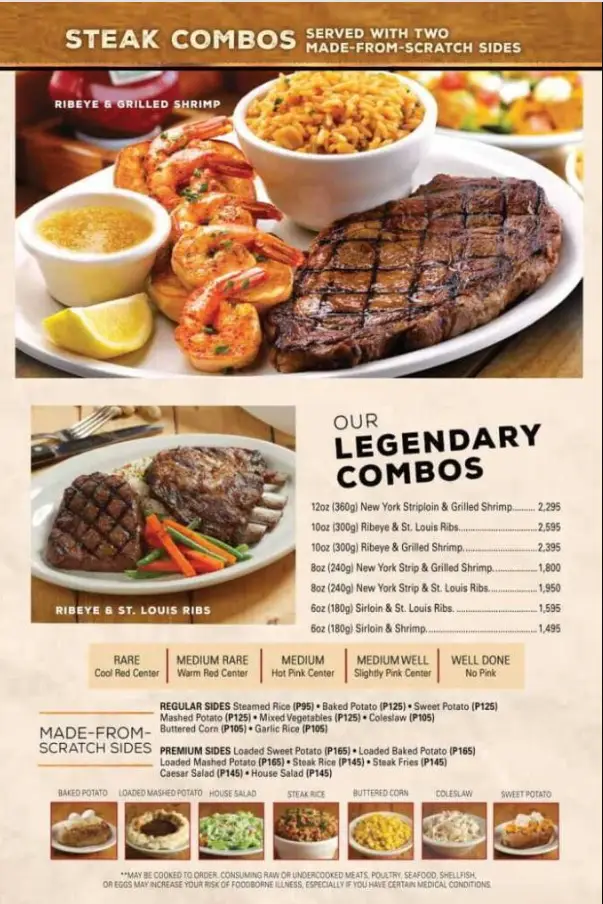
Is Texas Roadhouse expensive? In the context of the broader American dining landscape, it sits in the “Moderate” category. It provides a bridge between the high-cost barrier of luxury steakhouses and the lower-quality experience of fast food.
For the individual focused on personal finance, Texas Roadhouse is an example of a “controlled expense.” It offers a predictable, high-value experience that can be easily budgeted for. By understanding the underlying costs—from the menu price to the hidden extras—and utilizing strategic timing and loyalty programs, a diner can enjoy a premium meal without compromising their long-term financial goals. Ultimately, the “expense” of the meal is determined not just by the price on the menu, but by the financial savvy of the person holding the wallet.
aViewFromTheCave is a participant in the Amazon Services LLC Associates Program, an affiliate advertising program designed to provide a means for sites to earn advertising fees by advertising and linking to Amazon.com. Amazon, the Amazon logo, AmazonSupply, and the AmazonSupply logo are trademarks of Amazon.com, Inc. or its affiliates. As an Amazon Associate we earn affiliate commissions from qualifying purchases.