
When evaluating the Tesla lineup through a financial lens, the question of which vehicle is the most expensive involves more than just a cursory glance at the Manufacturer’s Suggested Retail Price (MSRP). For the high-net-worth individual, the business owner looking for tax advantages, or the savvy investor, “expense” is a multifaceted concept that includes acquisition cost, customization, insurance premiums, and the total cost of ownership over a five-year horizon. Currently, the title of the most expensive Tesla fluctuates between the ultra-high-performance Model S Plaid and the utility-focused Model X Plaid, with the specialized Cybertruck “Cyberbeast” making a strong play for the top spot.
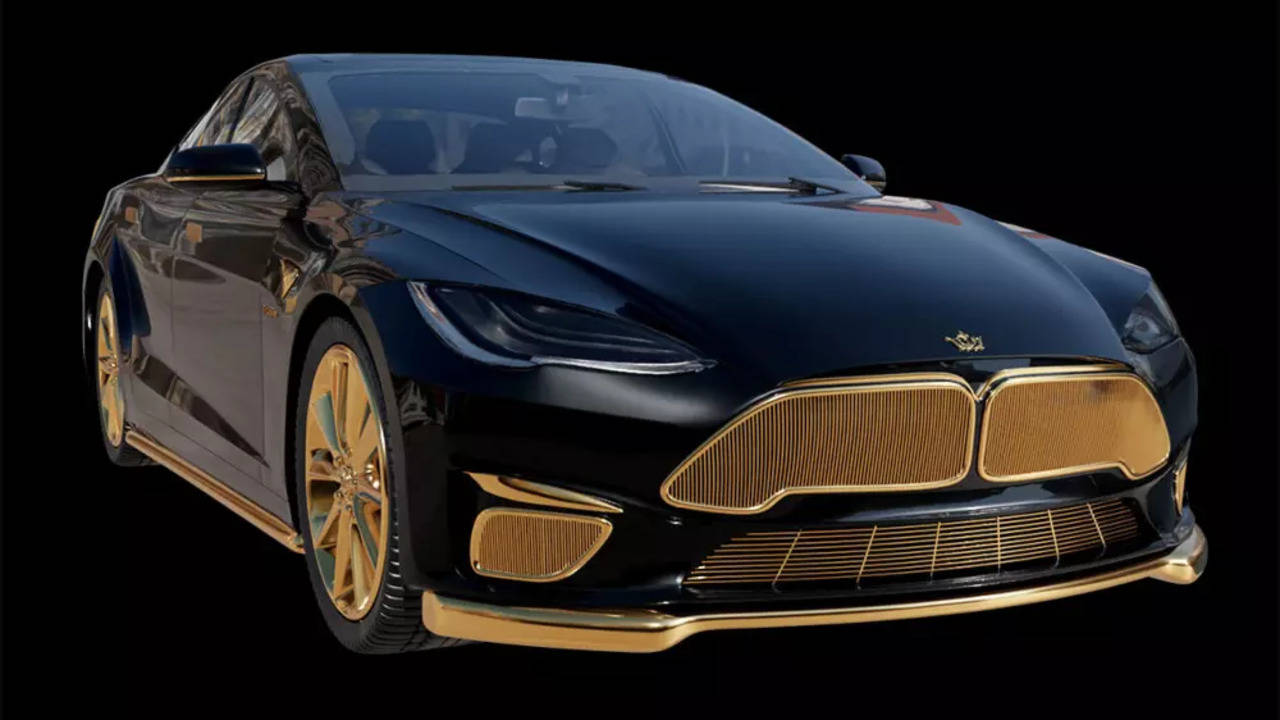
The Financial Landscape of the Plaid Series
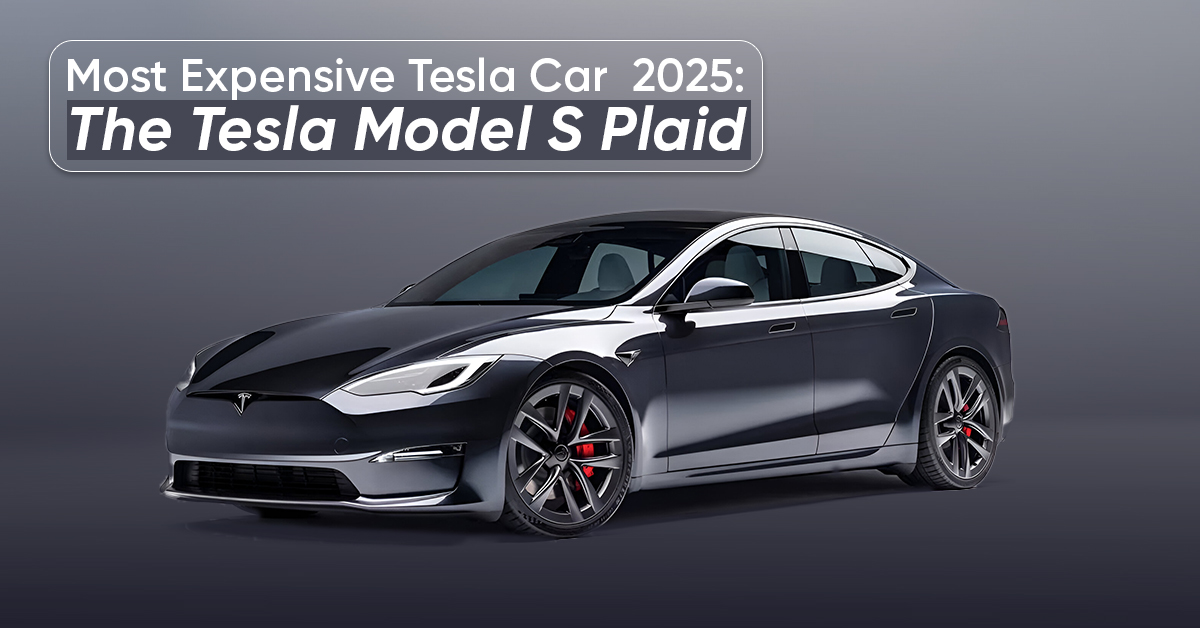
At the pinnacle of Tesla’s current production fleet sit the “Plaid” variants of the Model S and Model X. While Tesla’s mission was originally to democratize electric vehicles, these flagship models cater to the luxury segment, competing directly with high-end offerings from Porsche, Lucid, and Mercedes-Benz.
As of the current market cycle, the Model X Plaid represents the highest base MSRP in the active production catalog. Starting at approximately $94,990, the price quickly escalates when you move beyond the base configurations. However, the “most expensive” designation is truly earned when you factor in the “Foundation Series” Cybertruck or a fully optioned Model X.
To understand the financial commitment, one must look at the optional add-ons that drive the price toward the $120,000 mark:
-
Full Self-Driving (FSD) Capability: This software suite is a significant financial consideration. Priced between $8,000 and $12,000 (or via a monthly subscription), it represents a significant portion of the vehicle’s “tech equity.” From a financial perspective, FSD is a controversial asset; while it adds utility, its impact on resale value is often less than its initial cost, representing a high-depreciation feature.
-
Premium Aesthetics: Choosing colors like Ultra Red or Stealth Grey can add $2,000 to $2,500. Upgrading to 22-inch Turbine wheels on a Model X adds another $5,500.
-
Interior Configurations: The Model X offers a six-seat interior configuration with captain’s chairs, which typically adds $6,500 to the bottom line.
When these variables are combined, a fully loaded Model X Plaid can easily exceed $115,000. From a personal finance perspective, this places the vehicle in the top tier of luxury liabilities, requiring a sophisticated approach to financing and insurance.
The Cybertruck “Cyberbeast”: A New Financial Benchmark
The introduction of the Cybertruck has shifted the goalposts for Tesla’s pricing strategy. The “Cyberbeast” variant, particularly in its limited “Foundation Series” run, has emerged as a contender for the most expensive Tesla currently being delivered. The Foundation Series commands a $20,000 premium over the base trim, pushing the price of the tri-motor Cyberbeast to approximately $119,990.
For business owners, the Cybertruck isn’t just a vehicle; it’s a strategic financial tool. Because the Cybertruck has a Gross Vehicle Weight Rating (GVWR) that exceeds 6,000 pounds, it qualifies for specific tax treatments under the U.S. tax code.
Section 179 and Bonus Depreciation
The “most expensive” Tesla can paradoxically become a tax-efficient asset for business owners. Under Section 179 of the Internal Revenue Code, businesses can potentially deduct the full purchase price of a vehicle used for business more than 50% of the time, provided it meets the weight requirement. While the Model X also qualifies for this due to its weight, the Cybertruck’s utility as a “work truck” makes it a prime candidate for this strategy.
From an investment standpoint, the Cyberbeast currently enjoys a unique market position where demand far outstrips supply. In the secondary market, we have seen these vehicles flip for significantly more than their MSRP, though Tesla has implemented “no-resale” clauses to combat this. For the initial buyer, the “expense” is mitigated by the vehicle’s current status as a low-depreciation (or even appreciating) asset—a rarity in the automotive world.
Total Cost of Ownership: Insurance, Maintenance, and Energy
When determining the most expensive Tesla, a professional financial analysis must look beyond the purchase price and examine the Total Cost of Ownership (TCO). High-performance EVs like the Model S Plaid or Model X Plaid carry hidden costs that can surprise the unprepared buyer.

1. Insurance Premiums
Insurance for a $100,000+ Tesla is substantially higher than for a standard Model 3. Actuarial data shows that the Plaid models are more expensive to insure due to their extreme power (1,020 horsepower) and the high cost of repairing their specialized carbon-sleeved rotors and aluminum body panels. Owners should budget between $3,000 and $5,000 annually for comprehensive coverage, depending on their jurisdiction and driving record.
2. The Tire Tax
A financial reality of owning the most expensive Teslas is the “tire tax.” The Model S Plaid, with its massive torque and heavy curb weight, is notoriously hard on tires. Many owners find themselves replacing the high-performance Pilot Sport 4S tires every 10,000 to 15,000 miles. At roughly $1,500 to $2,000 per set, this represents a recurring operational expense that significantly higher than that of a combustion engine luxury sedan.
3. Depreciation Volatility
Perhaps the most significant “cost” of the most expensive Tesla is depreciation. Historically, luxury EVs have steeper depreciation curves than their economy counterparts. Furthermore, Tesla’s aggressive price cuts in 2023 caused a sudden drop in the valuation of used Model S and X units. An investor must view the purchase of a flagship Tesla as a consumption choice rather than a store of value, as high-end tech matures—and becomes obsolete—faster than mechanical components.
Financing vs. Leasing: The Wealth Management Perspective
Given the high price point of the Plaid and Cybertruck models, the method of acquisition is a critical financial decision.
Leasing Strategies
Leasing a $100,000+ Tesla is often preferred by professionals who wish to hedge against technology obsolescence. Since EV battery tech and autonomous software are evolving rapidly, a 36-month lease allows the user to exit the asset before a major technological leap devalues it. However, Tesla’s lease terms are often less favorable than those of traditional luxury brands, as they do not always allow for a “buyout” at the end of the term, particularly for the Model 3 and Model Y, though the S and X policies have been more flexible.
Financing and Interest Rates
With interest rates remaining elevated compared to the previous decade, financing a $100,000 vehicle requires a careful look at the debt-to-income ratio. A 72-month loan on a Model X Plaid at 6% interest results in nearly $20,000 in interest payments over the life of the loan. For the wealthy, using a Lombard loan (a line of credit secured by an investment portfolio) might offer a lower interest rate than traditional auto financing, allowing the capital to remain invested in the market where it can theoretically earn a higher return than the cost of the debt.
The $250,000 Horizon: The Next-Gen Roadster
While the Model X Plaid and Cyberbeast are currently the most expensive Teslas you can drive today, the “Founder’s Series” Roadster remains the ultimate financial outlier in the Tesla ecosystem.
The Roadster 2.0 was announced with a base price of $200,000, with the “Founder’s Series” requiring a full $250,000 payment upfront to secure a reservation. From a financial planning perspective, this is a unique scenario. Many individuals have had $250,000 sitting with Tesla for years in a non-interest-bearing account.
If we calculate the opportunity cost of that $250,000—assuming it could have been invested in the S&P 500 or even a high-yield savings account since 2017—the “real” cost of the Roadster has already ballooned to over $400,000 for those early adopters. When the Roadster finally enters production, it will officially be the most expensive vehicle in the company’s history by a wide margin, moving Tesla from “premium luxury” into the “supercar” financial bracket.
Conclusion: Weighing the Value Proposition
Determining the most expensive Tesla requires a balance between the sticker price and the strategic financial implications of the purchase. While the Model X Plaid currently leads the production pack in price, the Cybertruck Cyberbeast is the most expensive in terms of market demand and current “Foundation” premiums.
For the buyer, the “expense” is a trade-off. The high upfront cost is offset by significantly lower fuel expenses and potential tax write-offs for business use. However, these savings must be weighed against high insurance costs, rapid tire wear, and the unpredictable nature of EV depreciation. In the world of Tesla, the most expensive car isn’t just a vehicle; it’s a complex financial asset that requires as much management as any other part of a diversified portfolio.
aViewFromTheCave is a participant in the Amazon Services LLC Associates Program, an affiliate advertising program designed to provide a means for sites to earn advertising fees by advertising and linking to Amazon.com. Amazon, the Amazon logo, AmazonSupply, and the AmazonSupply logo are trademarks of Amazon.com, Inc. or its affiliates. As an Amazon Associate we earn affiliate commissions from qualifying purchases.