
The acquisition of a Tesla is no longer merely a statement of environmental consciousness or technological adoption; it is a significant financial decision that requires a deep dive into capital expenditure, operational savings, and the total cost of ownership (TCO). While the “sticker price” of a Tesla is the most visible metric, the true cost of these vehicles is a multifaceted calculation involving federal incentives, fluctuating fuel costs, maintenance schedules, and the unique depreciation curves of the electric vehicle (EV) market.
In the current economic climate, understanding the price of a Tesla requires looking beyond the manufacturer’s suggested retail price (MSRP). To make an informed financial decision, potential owners must analyze the various models, the impact of software upgrades on asset value, and the long-term fiscal benefits of transitioning away from internal combustion engines (ICE).
Understanding the Current Model Pricing and Trim Levels
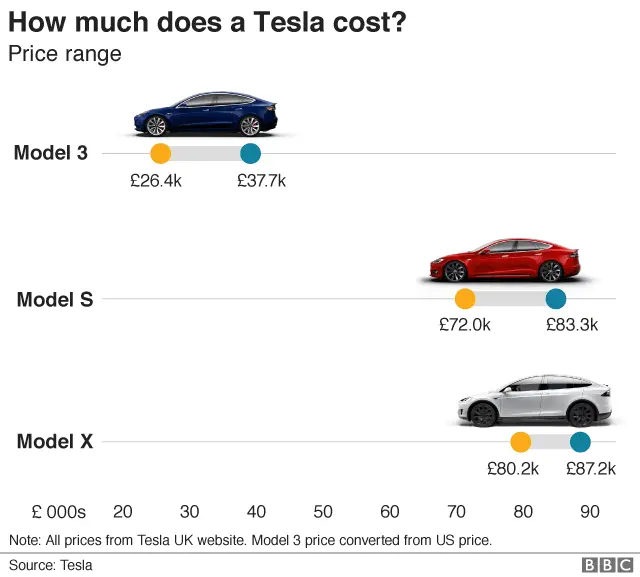
Tesla’s pricing strategy is famously dynamic, often shifting in response to supply chain efficiencies, interest rate changes, and competitive pressures from legacy automakers. As of the current market cycle, Tesla offers four primary passenger vehicles and the specialized Cybertruck, each occupying a distinct price bracket and catering to different financial profiles.
The Entry-Level Entry: Model 3
The Model 3 remains the cornerstone of Tesla’s mission to provide an accessible electric vehicle. For many buyers, this is the most logical financial entry point. The Rear-Wheel Drive (RWD) variant typically starts in the high $30,000 to low $40,000 range. For those requiring more performance or range, the Long Range and Performance trims can push the price toward $50,000. From a personal finance perspective, the Model 3 offers the strongest “utility-to-dollar” ratio, providing a premium experience with the lowest capital outlay in the lineup.
The Mid-Size SUV: Model Y
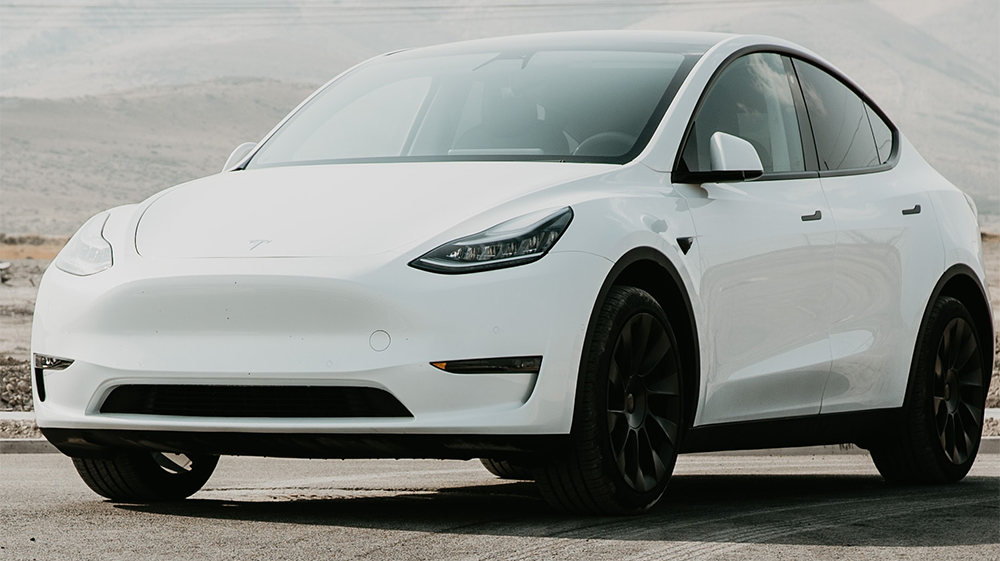
As the world’s best-selling vehicle in recent years, the Model Y represents the “sweet spot” for many families and professionals. Starting in the mid-$40,000 range for the RWD or Long Range AWD versions, the Model Y commands a premium over the Model 3 but provides significantly more cargo space and versatility. Investors and budget-conscious buyers often view the Model Y as a more resilient asset due to the high demand for crossovers in the secondary market, which helps stabilize its resale value.
The Luxury Mainstays: Model S and Model X
For those in the high-net-worth bracket or luxury segment, the Model S (sedan) and Model X (SUV) are the flagship offerings. These vehicles start significantly higher, typically between $75,000 and $80,000 for base trims, with the “Plaid” performance versions exceeding $90,000 to $100,000. These are not just transportation tools; they are high-performance assets that compete with top-tier European luxury brands. However, from a strictly financial standpoint, these models experience steeper initial depreciation than the Model 3 or Y.
The Future Utility: Cybertruck
The Cybertruck introduces a new variable into Tesla’s financial ecosystem. With pricing structures that have evolved since its initial unveiling, the Cybertruck currently sits in the premium utility segment. The All-Wheel Drive and “Cyberbeast” versions are priced between $80,000 and $100,000+. For business owners, the Cybertruck may offer specific tax advantages under Section 179 of the IRS code, which allows for accelerated depreciation on heavy vehicles used for business purposes.
The Hidden Savings: Incentives, Tax Credits, and Operating Costs
A primary error many consumers make when evaluating the cost of a Tesla is failing to account for the “net price” after government intervention and operational efficiencies. The financial landscape for EVs is heavily subsidized to encourage the transition to sustainable energy.
Federal and State Tax Credits
In the United States, the Inflation Reduction Act has radically altered the financial math of buying a Tesla. Under current regulations, many versions of the Model 3 and Model Y qualify for a federal tax credit of up to $7,500. A critical financial shift is the ability to apply this credit as a “point-of-sale” discount, effectively reducing the down payment or the amount financed immediately. When combined with state-level incentives—which in some regions can add another $2,000 to $5,000 in rebates—the effective cost of a $45,000 Model Y can drop to the mid-$30,000s, placing it on par with or below the price of many gas-powered competitors.
Fuel Savings and Energy Efficiency
The most immediate impact on a household budget after purchasing a Tesla is the elimination of gasoline expenses. On average, charging a Tesla at home costs significantly less than fueling an ICE vehicle. Depending on local electricity rates, the “cost per mile” for a Tesla can be 60% to 70% lower than a comparable gas car. For an individual driving 15,000 miles per year, this translates to annual savings of $1,000 to $2,000. Over a five-year ownership period, this provides $5,000 to $10,000 in “hidden” cash flow that offsets the higher initial purchase price.
Maintenance and Long-Term Reliability
Tesla vehicles have significantly fewer moving parts than traditional cars. There are no oil changes, spark plugs, timing belts, or emissions checks. Even brake pads last longer due to regenerative braking, which uses the motor to slow the car down and recharge the battery. Financial analysts suggest that the maintenance costs for a Tesla are roughly 40% lower over the life of the vehicle compared to a luxury ICE vehicle. While tires remain a consistent expense due to the weight and torque of EVs, the overall reduction in mechanical failure risk is a significant boon to long-term financial planning.
Total Cost of Ownership (TCO) vs. Legacy ICE Vehicles
To truly understand how much a Tesla costs, one must perform a Total Cost of Ownership (TCO) analysis. This looks at the “all-in” cost over 5 to 10 years, rather than just the monthly payment.
Depreciation and Resale Value
Depreciation is the largest single cost of vehicle ownership. Historically, Teslas held their value better than almost any other brand due to high demand and frequent software updates that kept older models “fresh.” However, as the EV market has matured and Tesla has lowered new-car prices, the used market has seen more volatility. From a wealth-management perspective, it is safer to assume a standard luxury car depreciation curve, while noting that the high reliability of the drivetrain (often rated for 300,000+ miles) may protect the floor of the car’s value better than a high-mileage gas car.
Insurance Premiums and Registration Fees
One area where the “Tesla tax” is real is in insurance and registration. Because of the high-tech sensors, aluminum casting, and specialized repair requirements, insurance premiums for Teslas can be 20% to 30% higher than for a standard sedan. Furthermore, many states have implemented higher registration fees for EVs to make up for lost gas tax revenue used for road maintenance. These annual “surcharges” must be factored into the yearly budget.
Financing and Interest Rates
With the average price of a Tesla hovering between $40,000 and $100,000, interest rates play a massive role in the final cost. A 1% difference in an auto loan rate can mean thousands of dollars over a 60-month term. Savvy buyers often look for Tesla’s promotional financing rates, which occasionally drop to 0.99% or 1.99% for certain models to stimulate end-of-quarter sales. Using a low-interest loan to purchase an asset that saves on monthly operational costs is a classic example of using “good debt” to improve overall cash flow.
The Software Ecosystem: Optional Add-ons and Subscription Costs
Unlike traditional manufacturers, Tesla treats its vehicles like software platforms. This means the cost of the car can increase even after it is in your driveway.
Full Self-Driving (FSD) and Enhanced Autopilot
The most significant optional cost is the Full Self-Driving (FSD) suite. Currently priced as a five-figure capital expense or a monthly subscription (typically $99), FSD is a unique financial variable. Some owners view it as an investment in future utility, while others see it as a luxury expense with questionable ROI at the time of resale. Because FSD is software-bound, it does not always retain 100% of its value in the used market, which is a critical consideration for those looking to maximize their return.
Connectivity and Performance Upgrades
Tesla offers “Premium Connectivity” for a monthly or annual fee, providing live traffic data and streaming services. Additionally, for certain models, owners can purchase “Acceleration Boosts” via the Tesla app for a one-time fee (usually around $2,000). These micro-transactions and subscriptions represent a shift in the cost of ownership from a static purchase to a “car-as-a-service” model.

Strategic Financial Planning for a Tesla Purchase
When calculating the cost of a Tesla, the timing of the purchase is as important as the model selected. Tesla is known for aggressive price cuts and incentives at the end of fiscal quarters (March, June, September, and December). Buyers who monitor these cycles can often secure thousands of dollars in discounts or free Supercharging credits, significantly lowering their effective cost.
Furthermore, for business owners and freelancers, the tax implications of an EV are substantial. Between the federal credit, potential state rebates, and the ability to deduct mileage or actual expenses (including accelerated depreciation for heavier models), a Tesla can often be more “affordable” as a business asset than a much cheaper gas vehicle.
Ultimately, the question of “how much a Tesla costs” cannot be answered with a single number. It is a dynamic figure that begins with the MSRP but is shaped by tax policy, energy markets, and the owner’s individual driving habits. While the upfront investment is often higher than that of a budget ICE vehicle, the combination of low operational costs, government incentives, and the high-tech nature of the asset often makes it a superior long-term financial choice for the modern consumer.
aViewFromTheCave is a participant in the Amazon Services LLC Associates Program, an affiliate advertising program designed to provide a means for sites to earn advertising fees by advertising and linking to Amazon.com. Amazon, the Amazon logo, AmazonSupply, and the AmazonSupply logo are trademarks of Amazon.com, Inc. or its affiliates. As an Amazon Associate we earn affiliate commissions from qualifying purchases.