
Purchasing a Tesla is no longer just a statement of technological preference; it is a significant financial decision that involves complex variables ranging from federal tax incentives to long-term operational savings. As the electric vehicle (EV) market matures, the “sticker price” of a Tesla has become a moving target, influenced by frequent corporate price adjustments, shifting government regulations, and the evolving secondary market. To understand the true cost of a Tesla, one must look beyond the initial transaction and analyze the total cost of ownership over the vehicle’s lifecycle.
The Entry Point: Navigating Tesla’s Current Model Lineup
The primary factor in determining cost is the specific model and trim level selected. Tesla currently offers four main consumer vehicles, plus the specialized Cybertruck, each occupying a distinct price bracket and catering to different financial profiles.
Tesla Model 3: The Most Affordable Entry
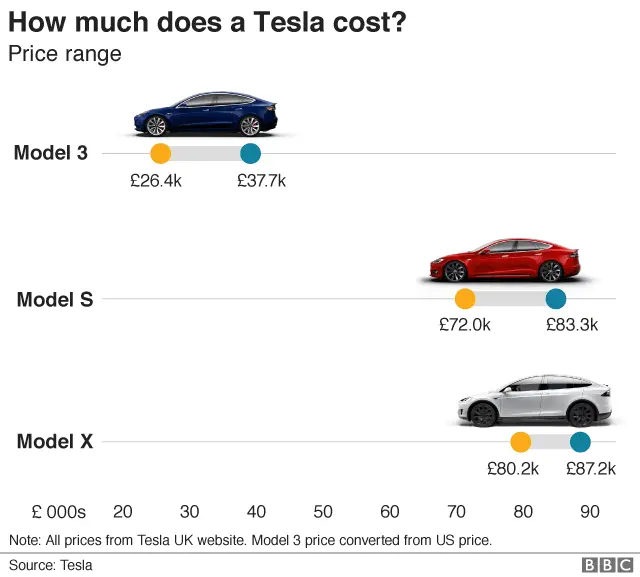
The Model 3 remains the gateway into the Tesla ecosystem. As a compact executive sedan, its pricing is designed to compete with the BMW 3 Series or the Audi A4. The Rear-Wheel Drive (RWD) base model typically starts in the high $30,000 to low $40,000 range. For those seeking higher performance or longer range, the Long Range and Performance variants can push the price toward the $55,000 mark. From a financial perspective, the Model 3 offers the lowest barrier to entry and the most predictable depreciation curve among the lineup.
Tesla Model Y: The Best-Selling Crossover
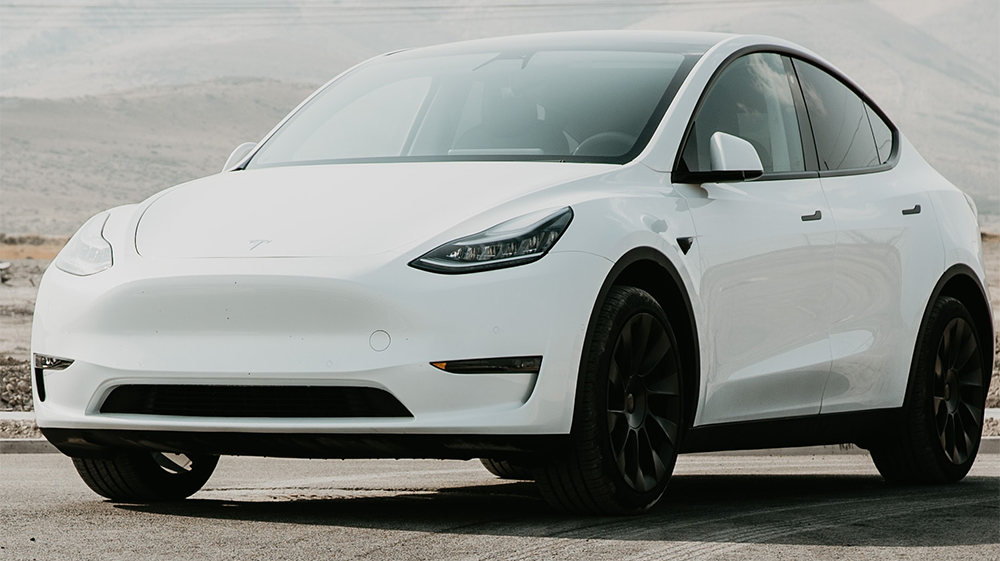
The Model Y has quickly become the most popular vehicle in the fleet, balancing utility with efficiency. Because it shares much of its architecture with the Model 3, its pricing is only slightly higher, usually starting in the mid-$40,000 range for the Long Range RWD or AWD versions. The Model Y often represents the best “value per dollar” for families, providing significant cargo space and an elevated driving position without the six-figure price tag of the Model X.
Premium Tiers: Model S and Model X
For the high-net-worth consumer, the Model S (sedan) and Model X (SUV) represent the luxury tier. These vehicles typically start between $75,000 and $80,000, with the “Plaid” performance variants exceeding $90,000 to $100,000. These models feature advanced air suspension, premium interior materials, and significantly higher performance metrics. Financially, these vehicles experience steeper depreciation than the Model 3 or Y, making them a more luxury-oriented expenditure rather than a purely utilitarian investment.
The Cybertruck Variable
The Cybertruck introduces a unique pricing structure. With initial “Foundation Series” models priced above $100,000, the truck sits at the top of the price hierarchy. While Tesla has promised lower-cost variants in the future, the current market reality for the Cybertruck involves a significant premium for early adoption.
Leveraging Government Incentives and Tax Credits
One of the most critical aspects of calculating the cost of a Tesla is the application of federal and state incentives. These programs can effectively reduce the purchase price by thousands of dollars, but they come with strict eligibility requirements based on both the vehicle’s MSRP and the buyer’s income.
The Federal Clean Vehicle Credit
Under the Inflation Reduction Act, many Tesla models qualify for a federal tax credit of up to $7,500. For the Model 3 and Model Y, this credit is often available at the point of sale, meaning the dealership (or in Tesla’s case, the online checkout) can apply the credit directly to the purchase price. However, there are price caps: $55,000 for sedans and $80,000 for SUVs and trucks. Furthermore, buyers must meet income limitations—currently $150,000 for single filers and $300,000 for joint filers—to claim the full amount. This credit can transform a $45,000 Model Y into a $37,500 vehicle, significantly altering the financial math.
State-Level Rebates and Programs
Beyond federal aid, many states offer additional financial “sweeteners.” States like California, Colorado, and Massachusetts have historically offered rebates ranging from $1,500 to $5,000. Some utilities also offer credits for installing home charging stations. When stacked with the federal credit, the net cost of a Tesla in certain jurisdictions can drop below the price of a comparable internal combustion engine (ICE) vehicle.
Total Cost of Ownership: Energy, Maintenance, and Insurance

The “cost” of a car is a monthly outflow, not just a one-time payment. Tesla ownership shifts the financial burden from variable operational costs to higher fixed costs like insurance.
Charging Costs vs. Gasoline Savings
The most immediate financial benefit of owning a Tesla is the reduction in fuel expenses. On average, charging a Tesla at home costs about one-third to one-quarter as much as fueling a gasoline car for the same distance. For a driver covering 15,000 miles per year, this can result in annual savings of $1,000 to $2,000, depending on local electricity rates and gas prices. However, Supercharging—Tesla’s proprietary fast-charging network—is more expensive than home charging and can approach the cost of gasoline in some regions. To maximize the financial return on a Tesla, home charging is an essential investment, typically requiring a $500 to $1,500 installation cost for a Level 2 charger.
Maintenance and Long-Term Reliability
Tesla vehicles have significantly fewer moving parts than traditional vehicles—no oil changes, spark plugs, timing belts, or emissions checks. This leads to a lower maintenance budget over the first five years of ownership. Braking systems also last longer due to regenerative braking, which uses the motor to slow the car down, sparing the physical pads and rotors. While tires tend to wear faster on EVs due to the heavy battery weight and high torque, the overall “repair and maintenance” line item in a personal budget is generally 40% lower than that of a luxury ICE vehicle.
The “Tesla Premium” in Insurance Rates
A potential financial pitfall for new owners is the cost of insurance. Teslas are often more expensive to insure than their gasoline counterparts. This is due to several factors: high repair costs for the aluminum chassis, specialized sensors for Autopilot/FSD, and the high performance-to-weight ratio. Buyers should expect insurance premiums to be 20% to 50% higher than those for a standard sedan. Tesla offers its own insurance product in certain states, using real-time driving data to lower premiums for safe drivers, which can be a viable way to mitigate this specific cost.
Depreciation and the Secondary Market
For any car buyer, depreciation is the largest “hidden” cost. Historically, Teslas held their value exceptionally well due to high demand and frequent over-the-air software updates that kept older cars feeling new. However, recent years have seen increased volatility.
Price Volatility and Resale Impact
Tesla’s corporate strategy involves aggressive price cuts to maintain market share. While this benefits new buyers, it negatively impacts existing owners by instantly lowering the resale value of their vehicles. If Tesla cuts the price of a new Model 3 by $5,000, the used market price drops accordingly. Investors and owners must view a Tesla as a functional asset rather than a value-store. The “Total Cost of Ownership” calculation must account for a standard depreciation rate of 15% to 20% in the first year, stabilizing thereafter.
Is Buying Used a Viable Financial Alternative?
The used Tesla market has become increasingly robust. Buying a 2- to 3-year-old Model 3 can often save a buyer $15,000 or more compared to a new model. Since Tesla’s battery packs are designed for 300,000 to 500,000 miles, the “high mileage” concerns associated with used ICE cars are less relevant, provided the battery health is verified. For a budget-conscious consumer, the used market offers the best “cost per mile” ratio.
Strategic Financing: Leasing vs. Buying
The final component of the Tesla cost equation is the method of acquisition. Interest rates and tax treatment vary significantly between a standard loan and a lease.
Analyzing the Tesla Lease
Leasing a Tesla can be an attractive option for those who want to avoid the risks of depreciation and technological obsolescence. Tesla’s lease payments are often lower than loan payments, and importantly, Tesla now allows the $7,500 federal tax credit to be factored into lease payments regardless of the buyer’s income (thanks to a “commercial vehicle” loophole used by the leasing company). However, Tesla leases are “closed-end,” meaning you cannot buy the car at the end of the term. You are essentially paying for the privilege of driving the car during its most reliable years.
Financing Trends and Business Deductions
For business owners, a Tesla—specifically the heavier Model X or Cybertruck—may qualify for accelerated depreciation under Section 179 of the tax code. If the vehicle’s Gross Vehicle Weight Rating (GVWR) exceeds 6,000 pounds, business owners may be able to deduct a significant portion of the purchase price in the first year. This can result in a massive tax shield, effectively lowering the “real” cost of the vehicle by the owner’s marginal tax rate.
In conclusion, the cost of a Tesla is a multifaceted figure. While the sticker price provides a baseline, the intersection of tax credits, fuel savings, insurance premiums, and resale value determines the true financial impact. For the informed consumer, a Tesla often represents a higher upfront investment that pays dividends through lower operational costs and significant tax advantages, provided the buyer navigates the eligibility rules and market volatility with precision.
aViewFromTheCave is a participant in the Amazon Services LLC Associates Program, an affiliate advertising program designed to provide a means for sites to earn advertising fees by advertising and linking to Amazon.com. Amazon, the Amazon logo, AmazonSupply, and the AmazonSupply logo are trademarks of Amazon.com, Inc. or its affiliates. As an Amazon Associate we earn affiliate commissions from qualifying purchases.