
The Multiple Listing Service (MLS) is often regarded as the “holy grail” of real estate data. For the serious investor, the aspiring real estate professional, or the financially savvy homebuyer, gaining access to this database is more than just a convenience—it is a strategic financial move. In an industry where information asymmetry can lead to thousands of dollars in lost equity or missed opportunities, understanding how to navigate the MLS ecosystem is a fundamental skill in personal and business finance.
Unlike public real estate portals, which are often delayed or incomplete, the MLS provides real-time, granular data that drives the entire property market. To access it, however, one must navigate a complex landscape of licensing, membership fees, and strategic partnerships. This guide explores the financial pathways to MLS access, the costs involved, and how to leverage this data for long-term wealth building.
Understanding the Financial Value of MLS Data
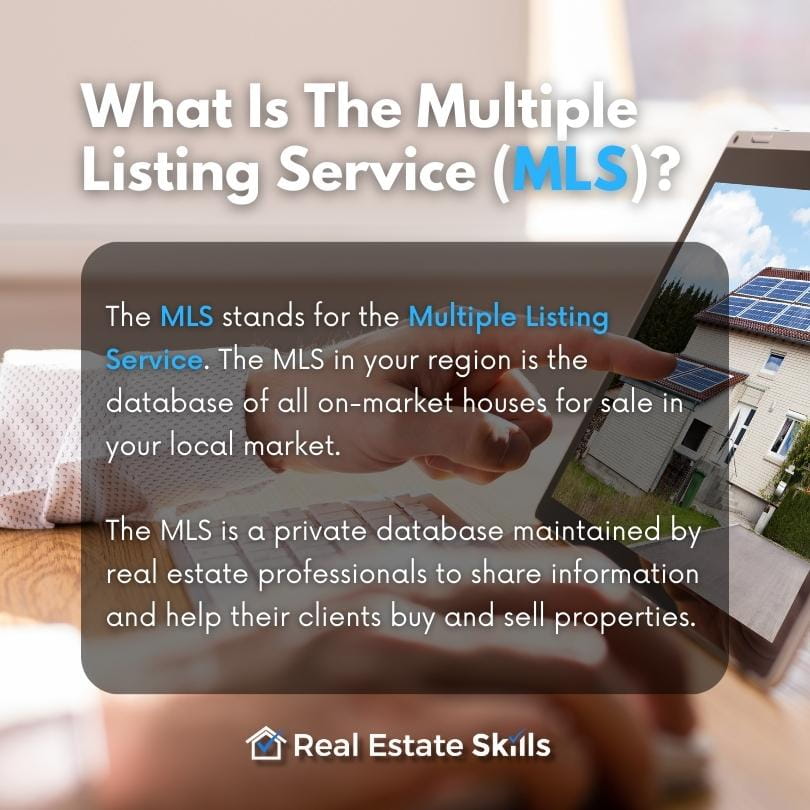
Before diving into the “how,” it is essential to understand the “why” from a financial perspective. The MLS is not a single database but a network of over 600 local databases across the United States where brokers share information about properties for sale.
The Edge in Real Estate Investing
For real estate investors, time is literally money. Publicly available websites like Zillow or Redfin receive their data through syndication feeds from the MLS. This process can involve delays ranging from a few minutes to several hours or even days. In a competitive seller’s market, the most lucrative “fix-and-flip” opportunities or high-yield rental properties are often under contract before they even appear on consumer-facing apps. Direct MLS access allows an investor to see a listing the moment it goes live, providing a critical window to submit an offer before the general public is even aware the property exists.
Cost-Benefit Analysis of Licensed Access
Gaining access to the MLS is rarely free. It involves a calculated investment in professional credentials. For many, the question is whether the annual cost of maintaining access—which can range from $600 to $2,000 per year when considering license renewals, board dues, and software fees—is offset by the financial gain of the data. For someone looking to buy or sell a single property, this may not be cost-effective. However, for a portfolio manager or a side-hustle agent, the access pays for itself through commission savings and better acquisition pricing.
Direct Access: The Path of the Licensed Professional
The most straightforward, albeit most labor-intensive, way to get full access to the MLS is to become a licensed real estate professional. This is a common strategy for real estate investors who want to maximize their ROI by eliminating the need to pay a buyer’s agent commission.
Becoming a Licensed Real Estate Agent
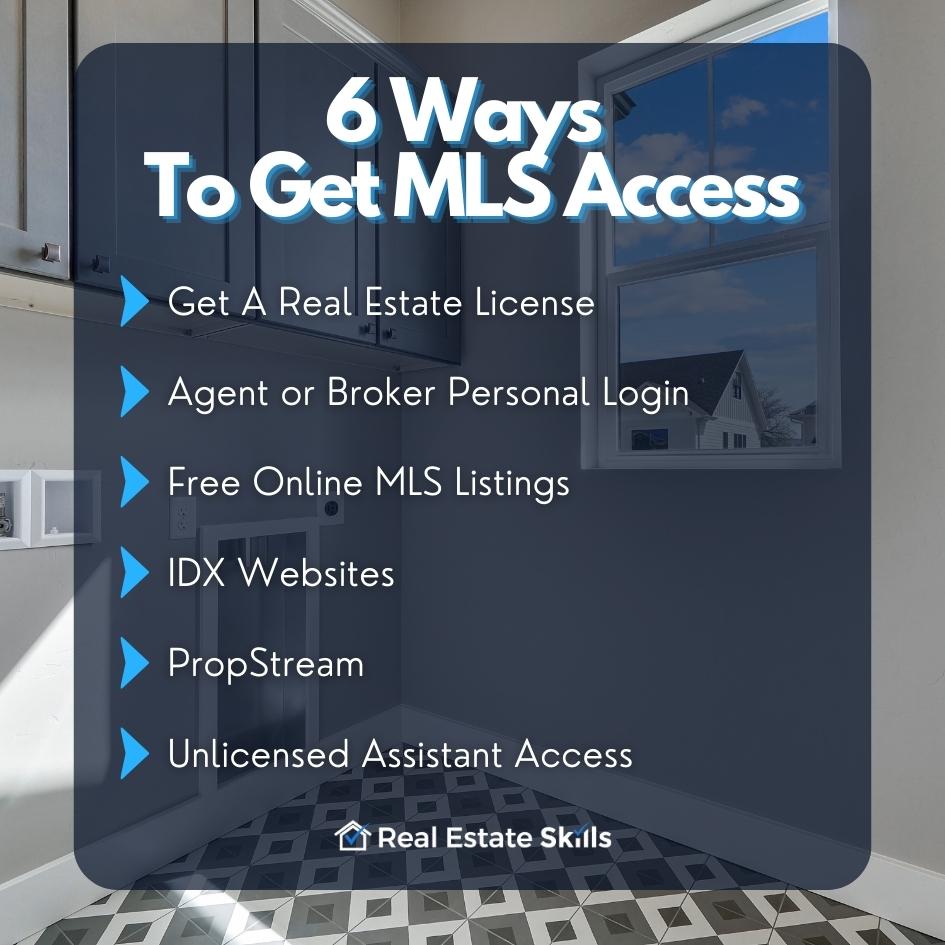
To gain direct access, you must typically obtain a real estate salesperson license in your state. This process requires:
-
Pre-licensing Education: Usually 60 to 180 hours of coursework depending on the state.
-
State Examination: Passing a comprehensive exam on real estate law and practices.
-
Brokerage Affiliation: You must hang your license with a managing broker who is a member of the local MLS.
From a business finance perspective, this path transforms you from a consumer into a market participant. As a licensed agent, you not only get the data but also earn a commission on your own purchases, which can be applied toward a down payment or used to reduce the overall cost basis of an investment.
Costs Associated with National and Local Boards
Once licensed, the financial obligations continue. To access the MLS, you usually must join the National Association of Realtors (NAR), your state association, and your local board of Realtors. These organizations charge annual dues. Additionally, the MLS itself charges a subscription fee for its software interface.
For a professional using this as a side hustle, these are tax-deductible business expenses. When calculating the net profit of a real estate deal, these carrying costs must be factored into the overhead of your investment strategy.
Indirect Access: Strategies for Investors and Consumers
If the time and financial commitment of becoming a licensed agent are too high, there are several legal and effective ways to gain indirect access to MLS data for financial decision-making.
Partnering with Buyer’s Agents
The most common way to access MLS data without a license is through a “client portal” provided by a licensed agent. Most MLS systems allow agents to set up automated searches for their clients. These portals provide real-time updates and more detailed information than public sites, such as “Days on Market” and historical price changes.
From a personal finance standpoint, this relationship is often “free” for the buyer, as the seller typically pays the commission. However, a savvy investor knows that “free” is a relative term; the commission is baked into the home price. Building a strong relationship with a high-volume agent can grant you “concierge-level” access where the agent flags underpriced listings before they are blast-emailed to the general public.
Third-Party Aggregators and Their Limitations
Websites like Redfin and Zillow are technically “Brokerages” or “Data Aggregators” that have Broker Reciprocity agreements. They show a large percentage of MLS listings. While these tools are excellent for general market research, they often omit “Agent Only” remarks. These remarks can contain vital financial information, such as:
-
Seller concessions (e.g., the seller offering $10,000 toward closing costs).
-
Required financing types (e.g., Cash or Conventional only, which impacts your leverage options).
-
Details on existing liens or specialized auction terms.
For those managing a business finance portfolio, relying solely on public aggregators is a risk. You are essentially making six-figure decisions based on filtered data.
Direct Feed Agreements for Tech-Forward Investors
Large-scale investment firms often use IDX (Internet Data Exchange) or VOW (Virtual Office Website) feeds to pull MLS data directly into their proprietary valuation models. This requires a formal agreement with the MLS and often necessitates having a licensed principal on staff. This is the “high-end” of money management in real estate—using raw data to run algorithmic analysis on cap rates and cash-on-cash returns across thousands of listings simultaneously.
Leveraging MLS Access for Long-Term Wealth Building
Once you have secured access—whether through a license or a partnership—the focus shifts to how that data translates into wealth.
Identifying Off-Market and Underpriced Opportunities
The MLS contains “Expired” and “Withdrawn” listings. These are properties that were for sale but didn’t sell for various reasons. For a real estate investor, these are gold mines. An expired listing represents a motivated seller who may be willing to negotiate a creative financing deal or a lower price off-market. Without direct MLS access, identifying these opportunities is nearly impossible, as they disappear from public search portals the moment they are no longer “active.”
Using Comparative Market Analysis (CMA) for Portfolio Valuation
The MLS provides the most accurate “Comps” (comparable sales). Unlike the “Zestimates” which are based on broad algorithms, a CMA looks at verified sale prices, not just listing prices. For anyone looking to refinance a property to pull out equity for a new investment, knowing the exact “Sold” price of similar homes within a half-mile radius is essential. This allows you to challenge low appraisals and ensure you are maximizing your borrowing power.
The Financial Risks of Bypassing Professional Systems
There is a temptation to find “hacks” or unauthorized ways to access MLS data. From a business ethics and financial risk perspective, this is a dangerous path.
Hidden Costs in Non-MLS Data
Many “off-market” platforms promise access to distressed properties without the need for the MLS. While these can be useful, they often charge high subscription fees and provide data that is stale. The financial risk here is “opportunity cost.” If you spend $200 a month on a lead generation tool that provides data already available on the MLS, you are leaking capital that could be better spent on marketing or property improvements.
Protecting Your Investment Capital
Using official MLS channels ensures that the data is governed by strict rules regarding accuracy and disclosure. Every listing on the MLS is backed by a listing agreement, ensuring the property is actually for sale and the price is authorized. In the world of “Money” and “Investing,” data integrity is your primary shield against fraud and bad acquisitions.
In summary, getting access to MLS listings is a tiered process that depends on your financial goals. If you are a casual homebuyer, a dedicated agent-client portal is sufficient. If you are a serious investor looking to scale, obtaining a license and paying the associated dues is often the most profitable path. By treating MLS access as a business tool rather than just a search engine, you position yourself to capture equity and build a more robust financial future in the real estate market.
aViewFromTheCave is a participant in the Amazon Services LLC Associates Program, an affiliate advertising program designed to provide a means for sites to earn advertising fees by advertising and linking to Amazon.com. Amazon, the Amazon logo, AmazonSupply, and the AmazonSupply logo are trademarks of Amazon.com, Inc. or its affiliates. As an Amazon Associate we earn affiliate commissions from qualifying purchases.