
Meta Platforms, Inc. (META), the parent company of Facebook, Instagram, WhatsApp, and Reality Labs, stands as one of the most influential entities in the global economy. As a core member of the “Magnificent Seven”—a group of high-performing mega-cap tech stocks—Meta has become a staple in both institutional and retail investment portfolios. However, investing in a company of this scale requires more than just a basic understanding of social media. It demands a strategic approach to market analysis, a grasp of brokerage mechanics, and an evaluation of the company’s evolving business model.
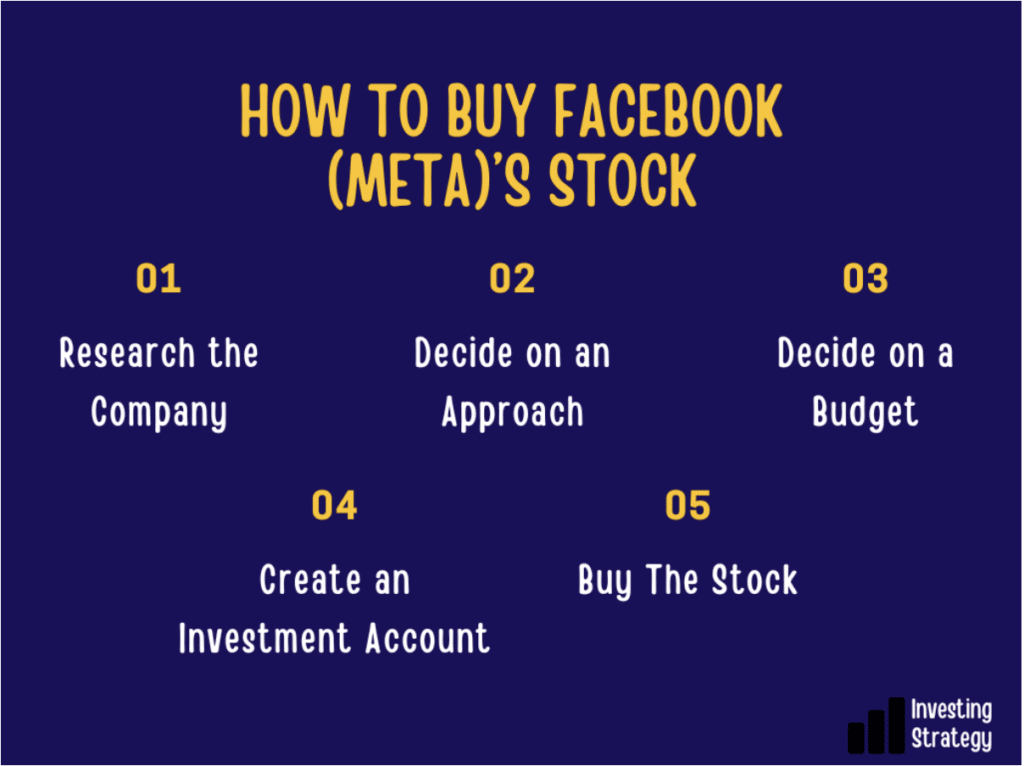
Whether you are a seasoned investor or a newcomer to the equities market, purchasing Meta stock involves a series of deliberate steps and financial considerations. This guide explores the fundamental, tactical, and strategic elements of adding Meta to your investment portfolio.
Analyzing the Fundamentals of Meta Platforms (META)
Before clicking the “buy” button, an investor must understand what they are actually owning. Meta is no longer just a social networking site; it is a sprawling conglomerate focused on the “Attention Economy” and the future of human interaction.
The Revenue Engine: Family of Apps
The vast majority of Meta’s revenue—upwards of 98%—traditionally comes from advertising. This revenue is generated across its “Family of Apps” (FoA), which includes Facebook, Instagram, Messenger, and WhatsApp. When you buy Meta stock, you are investing in the world’s most sophisticated digital advertising machine. The company’s ability to leverage user data to provide targeted advertising is its primary competitive moat. Investors should look closely at metrics like Daily Active People (DAP) and Average Revenue Per User (ARPU) to gauge the health of this segment.
The “Year of Efficiency” and Financial Recovery
In 2023, CEO Mark Zuckerberg famously dubbed the period the “Year of Efficiency.” After a challenging 2022 characterized by heavy spending and a post-pandemic slump, Meta underwent significant restructuring, including massive layoffs and a tightening of capital expenditures. This move fundamentally changed the stock’s trajectory, transforming it from a growth-at-all-costs play into a leaner, more profitable cash-flow machine. Understanding this shift is vital; it demonstrated management’s ability to pivot when faced with market pressure, a trait highly valued by long-term investors.
Reality Labs and the AI Pivot
A significant portion of Meta’s capital is currently funneled into Reality Labs, the division responsible for the Metaverse and augmented/virtual reality hardware. While this segment currently operates at a multi-billion dollar loss, it represents the company’s long-term bet on the next computing platform. More recently, Meta has pivoted heavily toward Artificial Intelligence (AI). By integrating AI into its ad-ranking systems and developing its Llama large language models, Meta aims to increase user engagement and advertiser ROI. For an investor, the balance between the high-margin advertising business and the high-risk, high-reward AI and Metaverse R&D is the most critical factor to monitor.
The Mechanics of Buying: Choosing a Brokerage and Placing an Order
Once you have conducted your due diligence and decided that Meta aligns with your financial goals, the next phase is the execution of the trade. This process is governed by the tools you use and the timing of your entry.
Selecting a Brokerage Platform
To buy Meta stock, you need a brokerage account. In the modern financial landscape, you have several options ranging from traditional full-service firms to low-cost digital platforms:
-
Discount/Online Brokers: Platforms like Charles Schwab, Fidelity, and Vanguard offer robust research tools, no-commission trades, and high-level security. These are ideal for long-term investors who want a comprehensive view of their finances.
-
Fintech Apps: Robinhood and SoFi have popularized fractional share investing. Since Meta’s share price can be several hundred dollars, fractional shares allow you to invest a specific dollar amount (e.g., $100) rather than having to buy one full share.
-
Robo-Advisors: If you prefer a hands-off approach, services like Betterment or Wealthfront may include Meta as part of a diversified ETF (Exchange-Traded Fund) portfolio based on your risk tolerance.
Opening and Funding Your Account
The process of opening an account involves providing personal identification, Social Security numbers, and employment information to comply with federal regulations. Once the account is approved, you must fund it. This is typically done via an ACH transfer from your bank account. Note that while some brokers offer “instant buying power,” others may require three to five business days for your funds to clear before you can purchase individual stocks like Meta.

Executing the Trade: Market vs. Limit Orders
When you are ready to buy, you will search for the ticker symbol “META” on your platform. You will then be presented with several ways to buy:
-
Market Order: This instructs the broker to buy the stock immediately at the best available current price. While it guarantees execution, the price may be slightly higher than what you see on the screen during periods of high volatility.
-
Limit Order: This allows you to set a maximum price you are willing to pay. For example, if META is trading at $505, you might set a limit order for $500. The trade will only execute if the price drops to that level. This provides price protection but carries the risk that your order may never be filled if the price continues to rise.
Investment Strategies and Risk Management
Buying a stock is only half the battle; managing the position is where wealth is built or lost. Investing in a high-beta tech stock like Meta requires a clear strategy to navigate market swings.
Dollar-Cost Averaging (DCA)
Given the volatility of the tech sector, many investors utilize Dollar-Cost Averaging. Instead of investing a lump sum of $10,000 all at once, you might invest $1,000 every month for ten months. This strategy reduces the risk of “buying the top” and lowers the average cost per share over time. In the case of Meta, which has seen dramatic price swings over the last five years, DCA can provide an emotional and financial buffer against market turbulence.
Portfolio Allocation and Diversification
While it is tempting to go “all in” on a dominant company like Meta, prudent personal finance dictates a diversified approach. Financial advisors often suggest that no single stock should make up more than 5% to 10% of an individual’s total portfolio. Because Meta is a massive component of the S&P 500 and the Nasdaq-100, if you already own index funds or tech-heavy ETFs (like QQQ), you likely already have significant exposure to Meta. Ensure your individual stock purchase doesn’t create an accidental over-concentration in the social media or tech sector.
Understanding the Risks: Regulation and Competition
No investment is without risk. For Meta, the primary headwinds are regulatory and competitive. The company is under constant scrutiny from the FTC and EU regulators regarding antitrust concerns and data privacy. Additionally, the rise of competitors like TikTok has forced Meta to pivot its content strategy toward “Reels,” which initially had lower monetization rates than the traditional newsfeed. Furthermore, Meta’s heavy capital expenditure on AI and the Metaverse is a gamble that may take a decade to pay off. Investors must be comfortable with the possibility of “dead money” periods where these investments weigh on the stock price.
Long-Term Outlook: Dividends and Growth Catalysts
The narrative surrounding Meta changed significantly in early 2024 when the company announced its first-ever quarterly dividend. This was a landmark moment in the company’s history, signaling its transition from a pure-play growth stock to a mature “Growth and Income” company.
The Significance of the Dividend and Buybacks
By initiating a dividend, Meta has opened itself up to a new class of investors, including dividend-growth funds and institutional buyers who are mandated to only hold dividend-paying stocks. Alongside the dividend, Meta has authorized tens of billions of dollars in share buybacks. For the individual investor, buybacks are beneficial because they reduce the total number of shares outstanding, effectively increasing your “piece of the pie” and boosting earnings per share (EPS).
Future Catalysts: AI Integration and Monetization
The future of Meta’s stock price is inextricably linked to its AI roadmap. If Meta can successfully use AI to make its advertising more efficient—even with the privacy restrictions imposed by Apple’s App Tracking Transparency (ATT)—its margins will likely expand. Furthermore, the monetization of WhatsApp, which remains largely untapped compared to Facebook and Instagram, represents a massive potential growth lever. “Click-to-Message” ads are already a multi-billion dollar business, and the expansion of business messaging tools could provide the next leg of revenue growth.
Conclusion: Making the Decision
Buying Meta stock is a play on the continued dominance of digital social interaction and the massive potential of artificial intelligence. It offers a unique combination of high-margin legacy business and speculative future-tech bets. However, like any investment in the equity markets, it requires a disciplined approach.
To succeed as a Meta shareholder, you must look beyond the daily fluctuations of the stock market and focus on the company’s ability to innovate and generate cash. By choosing the right brokerage, utilizing smart entry strategies like limit orders or DCA, and maintaining a diversified portfolio, you can position yourself to benefit from the growth of one of the world’s most powerful financial entities. As Meta continues to bridge the gap between today’s social media and tomorrow’s digital frontier, the informed investor will be best equipped to navigate the risks and rewards of this tech giant.
aViewFromTheCave is a participant in the Amazon Services LLC Associates Program, an affiliate advertising program designed to provide a means for sites to earn advertising fees by advertising and linking to Amazon.com. Amazon, the Amazon logo, AmazonSupply, and the AmazonSupply logo are trademarks of Amazon.com, Inc. or its affiliates. As an Amazon Associate we earn affiliate commissions from qualifying purchases.