
Lululemon Athletica has transformed from a niche yoga studio basement in Vancouver to a global powerhouse in the “athleisure” space. For consumers asking “where can you buy Lululemon,” the answer is less about a simple list of retailers and more about a masterclass in brand controlled-distribution. Unlike many of its competitors who saturate the market through every possible wholesale channel, Lululemon has meticulously curated its availability to protect its premium status and maintain a direct relationship with its “guests.”
To understand where to buy Lululemon, one must first understand the brand’s commitment to the Direct-to-Consumer (DTC) model. This strategy ensures that the brand experience—from the scent of the store to the technical knowledge of the staff—remains consistent, reinforcing the brand’s identity as a high-end lifestyle choice rather than a mere commodity.
The Pillars of Direct-to-Consumer Success
Lululemon’s primary distribution strategy is rooted in owning the narrative. By selling directly to consumers through their own channels, they capture higher margins and, more importantly, invaluable data on consumer behavior.
The Physical Store as a Community Hub
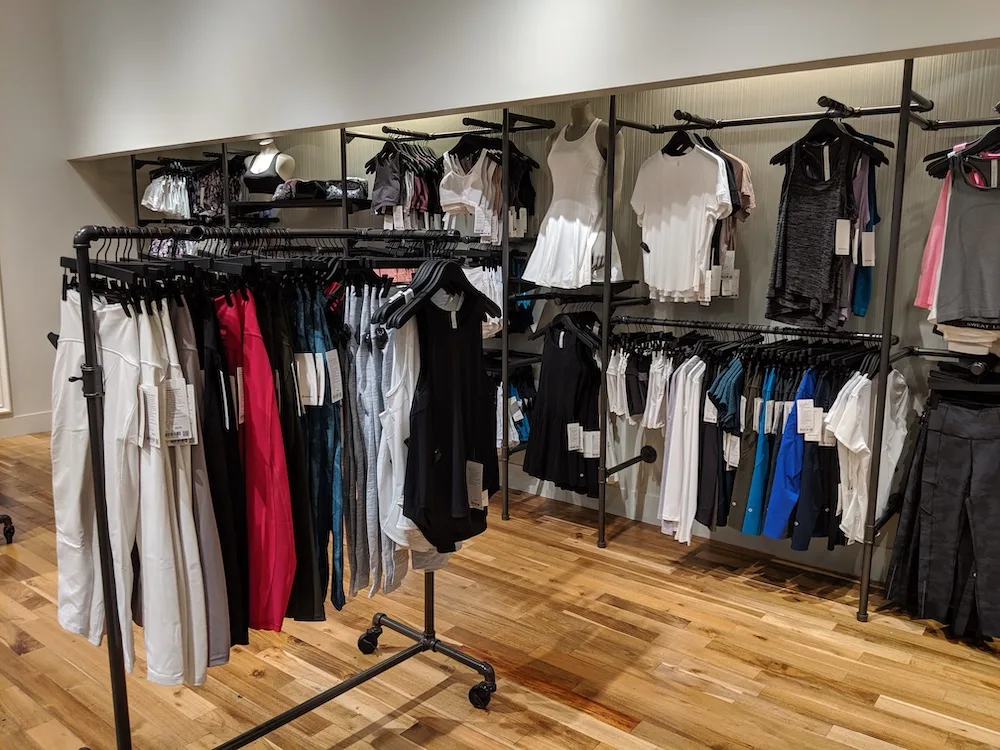
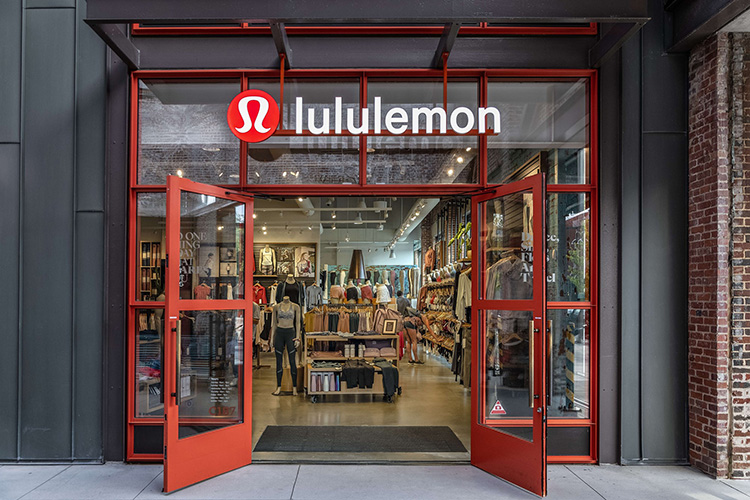
The most iconic place to buy Lululemon is within their corporate-owned retail stores. These are not merely points of sale; they are designed as community hubs. Strategically located in high-traffic, affluent urban centers and premium shopping malls, these stores serve as the physical manifestation of the brand’s “Sweatlife” philosophy.
In these locations, the staff—referred to as “Educators”—are trained to provide technical insights into fabric technologies like Luon, Nulu, and Everlux. This experiential retail model justifies the premium price point. Furthermore, many stores offer complimentary yoga classes, run clubs, and workshops, turning a transactional space into a destination. When you buy from a Lululemon store, you are participating in a localized version of their global brand identity.
The Seamless E-Commerce Experience
In the digital age, Lululemon’s official website and mobile app represent their most significant growth engines. The brand has invested heavily in an “omni-channel” experience, allowing guests to buy online and pick up in-store, or ship from a store to a customer’s home.
The digital storefront is where the brand’s full inventory lives. While a physical store might be limited by square footage, the website offers the complete range of colors, sizes (including their expanded size inclusivity lines), and specialized gear for activities ranging from tennis and golf to hiking and high-impact training. For the brand, the website is a controlled environment where they can use high-quality photography and storytelling to explain the “why” behind a $120 pair of leggings.
Selective Wholesaling: Protecting the Premium Identity
While Lululemon is primarily a DTC brand, they do utilize a very specific and limited wholesale model. This is not about mass availability; it is about “strategic presence.” You will not find Lululemon in mid-tier department stores or discount chains. Instead, the brand selects partners that align with its premium positioning and fitness-centric lifestyle.
Strategic Gym and Studio Partnerships
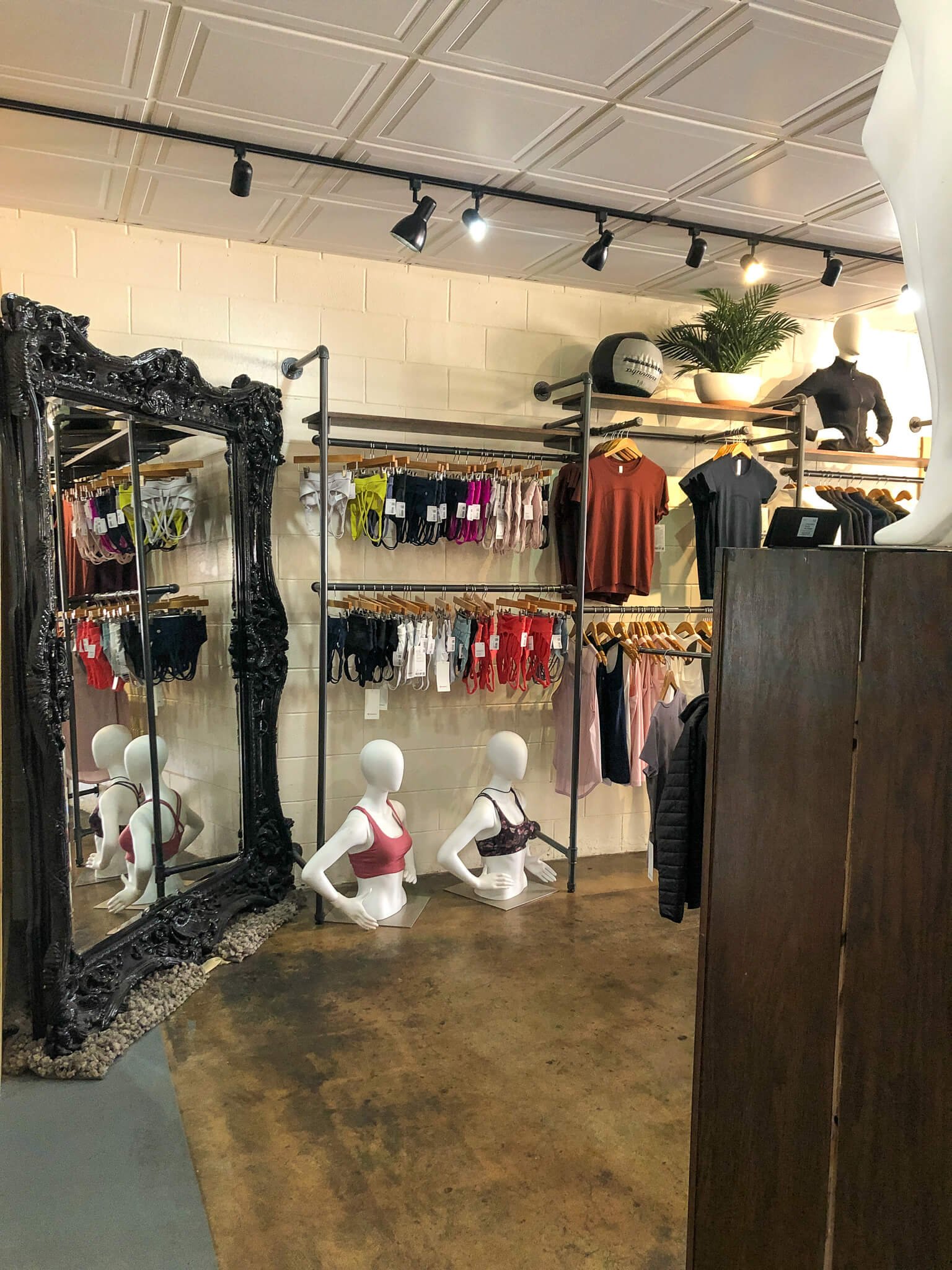
One of the most authentic places to buy Lululemon is within elite fitness environments. Lululemon partners with high-end yoga studios, boutique spin classes, and luxury gym chains like Equinox. By placing their products in the environments where their target demographic is actively sweating, they reinforce the functional utility of their gear. These partnerships are as much a marketing tactic as they are a sales channel, positioning Lululemon as the “uniform” of the dedicated athlete.
High-End Department Stores and International Markets
In certain global markets or specific luxury contexts, Lululemon utilizes high-end department stores to expand its reach without overextending its physical footprint. In the UK, for example, Lululemon can be found in prestigious locations like Selfridges or Harrods. In the United States, they have occasionally utilized select Nordstrom locations.
The choice of these partners is deliberate. These retailers cater to a demographic that values quality and brand prestige, ensuring that Lululemon remains associated with luxury rather than “big-box” retail. This selective wholesaling protects the brand from the price erosion and heavy discounting often seen in broader retail environments.
The Rise of Lululemon Like New and the Resale Economy
In recent years, the answer to “where can you buy Lululemon” has expanded to include the secondary market. However, in a move to maintain control over even their used goods, Lululemon launched the “Like New” program.
Sustainability as a Brand Pillar
Lululemon Like New is the brand’s official resale program, where customers can trade in their gently used gear for store credit. The brand then cleans and refurbishes these items to be sold at a lower price point on a dedicated section of their website.
From a brand strategy perspective, this is a brilliant move. It allows Lululemon to participate in the circular economy, appealing to environmentally conscious Gen Z and Millennial consumers. It also provides an “entry-level” price point for new customers who might be hesitant to pay full price, all while keeping those customers within the Lululemon ecosystem rather than losing them to third-party platforms like Poshmark or Depop.
Maintaining Asset Value in the Secondary Market
Lululemon gear is famous for its resale value. Because the brand rarely discounts its “core” items (like the Align pant or the Metal Vent Tech tee), the secondary market remains robust. By creating their own resale platform, Lululemon validates the longevity of their products. They are essentially telling the consumer: “Our products are so well-made that they have a second life.” This reinforces the “investment” mindset that many Lululemon loyalists use to justify their purchases.
Navigating the Global Marketplace: Where to Avoid
Because of Lululemon’s high demand and premium pricing, the market is unfortunately flooded with counterfeits and unauthorized resellers. Part of knowing where to buy Lululemon is knowing where not to buy it.
The Risks of Unauthorized Third-Party Sellers
Consumers will often see Lululemon products listed on major marketplaces like Amazon or eBay. It is crucial to note that Lululemon does not officially sell on Amazon. Items found there are typically sold by third-party “gray market” resellers who have purchased items during sales or from outlets and are reselling them at a markup—or, worse, they are selling sophisticated counterfeits.
Buying from unauthorized sellers carries significant risks for the brand experience. These items are not covered by Lululemon’s “Quality Promise,” which is a cornerstone of their customer loyalty strategy. If a seam unravels or a fabric pails, Lululemon’s legendary customer service will only stand behind products purchased through official channels.
Identifying Brand Authenticity
The brand protects its identity through unique identifiers, such as the “rip-tag” and hidden size dots in pockets. However, the most reliable way to ensure authenticity is to stick to the authorized ecosystem: Lululemon stores, Lululemon.com, Lululemon Like New, and their very small list of elite wholesale partners. This exclusivity is the “moat” that protects the brand’s equity from being diluted by the “race to the bottom” pricing seen in general apparel retail.
The Future of Lululemon’s Omni-Channel Strategy
As Lululemon looks to the future, the “where” of their sales strategy continues to evolve, moving beyond physical clothing into digital experiences and wellness services.
The acquisition of Mirror (now Lululemon Studio) signaled a shift in where the brand lives. It moved from the gym and the street into the home. While the hardware strategy has faced challenges, the underlying intent remains clear: Lululemon wants to be wherever the consumer engages with wellness. This might include digital apps, experiential “experiential stores” that feature full-service cafes and locker rooms, or high-profile pop-up shops at major sporting events.
Furthermore, Lululemon’s expansion into the footwear category has opened up new retail considerations. Footwear requires different storage, fitting expertise, and trial space than apparel. As the brand rolls out shoes globally, we are seeing a redesign of their physical store layouts to accommodate this new “where.”
In summary, Lululemon has built a multi-billion dollar empire by being incredibly disciplined about where their products are sold. By prioritizing their own stores and website, they have created a direct loop with their community. This control allows them to maintain high prices, foster intense brand loyalty, and ensure that every time a guest asks “where can I buy Lululemon,” the answer leads back to a premium, curated, and community-focused experience. For Lululemon, distribution is not just a logistical necessity—it is the ultimate expression of the brand itself.
aViewFromTheCave is a participant in the Amazon Services LLC Associates Program, an affiliate advertising program designed to provide a means for sites to earn advertising fees by advertising and linking to Amazon.com. Amazon, the Amazon logo, AmazonSupply, and the AmazonSupply logo are trademarks of Amazon.com, Inc. or its affiliates. As an Amazon Associate we earn affiliate commissions from qualifying purchases.