
In the age of instant gratification and digital commerce, the query “where is the closest Lululemon store” is more than a simple navigational request. For the modern consumer, it represents a desire for a specific type of brand interaction—one that transcends the transactional nature of e-commerce. Lululemon Athletica has mastered the art of physical retail, transforming its storefronts into high-value touchpoints that anchor its global brand strategy. While many retailers are scaling back their physical presence, Lululemon continues to expand, proving that the proximity of a physical store is a vital component of brand equity and customer loyalty.
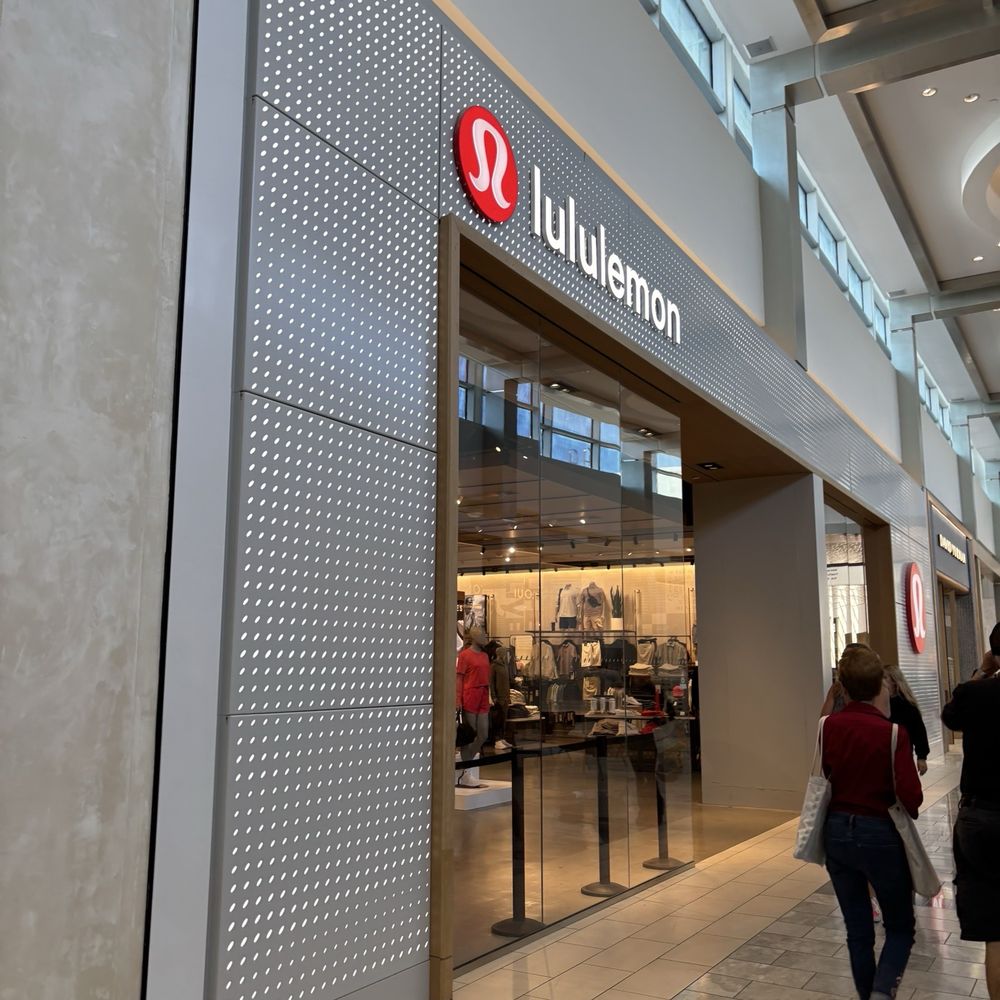
To understand why the “closest store” matters so much to the Lululemon ecosystem, one must look at the brand’s sophisticated approach to location scouting, community building, and omnichannel integration. This is not just about selling technical apparel; it is about the strategic placement of a lifestyle hub.
The Omnichannel Strategy: Beyond the Physical Search
The search for a physical location is often the final step in a meticulously crafted digital journey. Lululemon’s brand strategy relies heavily on a seamless omnichannel experience where the digital and physical worlds do not just coexist but actively reinforce one another.
The Bridge Between Digital Discovery and Physical Touch
For many consumers, the brand experience begins on social media or a mobile app. However, the premium nature of Lululemon’s products—characterized by proprietary fabrics like Luon, Nulu, and Everlux—often necessitates a physical “touch and feel” experience. By ensuring that a store is within a convenient distance of its target demographic, Lululemon reduces the friction of the purchasing process. The “closest store” becomes a fulfillment center where customers can engage in “Buy Online, Pick Up In-Store” (BOPIS) services, which has become a cornerstone of their retail efficiency.
Data-Driven Proximity
Lululemon does not choose its locations at random. The brand utilizes high-level data analytics to identify “hot spots” where their target persona—the active, affluent, and health-conscious professional—lives, works, and plays. When a user searches for the nearest location, they are usually directed to a high-street shopping district or a premium mall. This proximity is a psychological trigger; the brand positions itself as an accessible luxury that fits effortlessly into the consumer’s daily routine.
Identifying High-Value Locations: The Science of Proximity
The geographic distribution of Lululemon stores is a masterclass in brand positioning. Unlike mass-market retailers that aim for blanket coverage, Lululemon is highly selective, focusing on locations that mirror the brand’s premium identity.
Urban High-Streets and Lifestyle Centers
Lululemon prioritizes “lifestyle centers”—open-air shopping environments that emphasize experience over mere utility. By placing stores in areas with high foot traffic from complementary brands (such as Whole Foods, SoulCycle, or high-end beauty boutiques), Lululemon benefits from a cluster effect. The closest store is rarely an isolated entity; it is part of a curated ecosystem of wellness and luxury.
Global Expansion and Market Testing
When Lululemon enters a new territory, its retail strategy often starts with “showrooms.” These are smaller, scaled-back versions of a full-scale store that allow the brand to test the local market, build relationships with local fitness influencers, and gauge demand before committing to a long-term, large-format lease. This conservative yet strategic growth model ensures that when a customer eventually asks where the closest store is, the location they find is already supported by a pre-existing community of brand advocates.
The Role of Flagship Stores
In major global hubs like New York, London, and Chicago, Lululemon invests in massive flagship stores. These are not just retail outlets; they are brand monuments. These locations often feature “The Sweatbox” (workout studios), cafes serving healthy fare, and specialized concierge services. These flagships serve as the north star for the brand’s physical presence, elevating the “closest store” from a place to buy leggings to a destination for the “Sweatlife” lifestyle.
The Store as a Community Hub: Redefining the Retail Experience
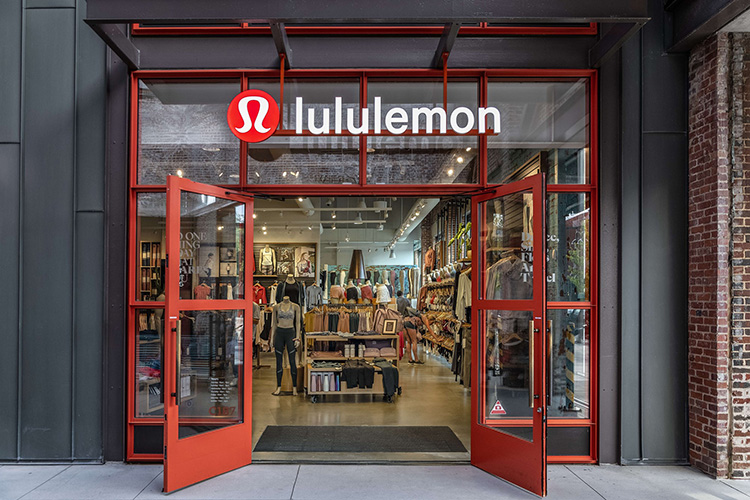
One of the primary reasons Lululemon remains a leader in the retail space is its commitment to community. A Lululemon store is designed to be the “third place”—a social environment separate from home and work.
The Educator Model
Lululemon does not have “sales associates”; it has “Educators.” This branding shift is crucial. Educators are trained not just on product features but on the brand’s philosophy of goal setting and mindfulness. When a customer finds their closest store, they are looking for expert advice on technical gear that will help them achieve their personal fitness goals. This human-centric approach builds a level of trust that an algorithm cannot replicate.
Local Ambassadors and In-Store Events
Each Lululemon store is empowered to operate with a degree of local autonomy. Store managers partner with local yoga instructors and fitness leaders, naming them “Brand Ambassadors.” These ambassadors lead complimentary in-store classes and community runs. By hosting these events, the closest Lululemon store becomes a central nervous system for the local fitness community. This hyper-local marketing strategy ensures that the brand feels like a neighbor rather than a multinational corporation.
Experiential Retail and Brand Loyalty
The physical store serves as the ultimate loyalty program. While digital loyalty is often driven by discounts, Lululemon’s brand loyalty is driven by experience. The sensory experience of the store—the lighting, the scent, the organized aesthetic, and the community interaction—creates an emotional connection. This connection makes the “closest store” a destination that customers return to even when they don’t strictly “need” new apparel.
Digital Integration and the “Find a Store” Ecosystem
In the modern marketing landscape, the search query is a data point that Lululemon uses to refine its digital strategy. The “Find a Store” feature on their website and app is a sophisticated tool designed to capture intent and drive conversion.
Inventory Transparency
Lululemon’s digital platform allows users to see real-time inventory at their closest store. This transparency is a powerful conversion tool. If a customer sees that a specific pair of Align Pants in a limited-edition color is available at a store five miles away, the likelihood of a physical visit increases exponentially. This integration of real-time data reduces customer frustration and reinforces the brand’s reliability.
The Power of Local SEO
From a marketing perspective, Lululemon dominates local SEO. When users search for “yoga gear near me” or “where is the closest Lululemon,” the brand’s localized landing pages appear at the top of search engine results. These pages provide more than just an address; they list upcoming store events, community classes, and specific services like professional hemming. This localized content strategy ensures that each store has its own digital identity while remaining under the global brand umbrella.
Enhancing the Post-Purchase Experience
The closest store also plays a vital role in the post-purchase phase. Lululemon’s generous and community-focused return and repair policies are most effectively executed in person. The ability to bring a product into a store for complimentary hemming or a quality check reinforces the brand’s commitment to longevity and sustainability. It turns a potential negative (a product issue) into a positive brand touchpoint.
The Future of the Lululemon Physical Presence
As Lululemon moves forward, the definition of the “closest store” is evolving. The brand is experimenting with new formats and deeper integrations that will further solidify its place in the retail landscape.
Large-Format Experiential Stores
The success of Lululemon’s experiential stores in cities like Chicago—which features a 20,000-square-foot space including a gym and restaurant—suggests a shift toward larger, more immersive environments. In the future, finding the closest Lululemon might mean finding the closest full-service wellness center. This diversification allows the brand to capture a larger share of the “wellness wallet.”
International Growth and Localization
Lululemon’s focus on China and the Asia-Pacific region is a key pillar of its growth strategy. In these markets, the physical store is even more critical for brand building, as it introduces the “Sweatlife” concept to a new audience. The brand’s ability to localize its store experience to suit different cultural nuances while maintaining its core identity is a testament to its strong brand strategy.

Sustainability and Circularity
The physical store is also becoming a hub for Lululemon’s sustainability initiatives, such as the “Like New” resale program. By allowing customers to trade in used gear at their closest store, Lululemon is creating a circular economy that keeps customers coming back to the physical location. This not only drives foot traffic but aligns the brand with the growing consumer demand for sustainable business practices.
In conclusion, the search for the “closest Lululemon store” is an entry point into a world of curated wellness, high-performance product design, and community engagement. Lululemon has successfully leveraged its physical footprint to build a brand that is both aspirational and accessible. By treating its stores as more than just retail outlets, Lululemon has created a durable competitive advantage that continues to thrive in an increasingly digital world. The closest store is not just a place on a map; it is the physical manifestation of the brand’s values, designed to inspire and empower its community one visit at a time.
aViewFromTheCave is a participant in the Amazon Services LLC Associates Program, an affiliate advertising program designed to provide a means for sites to earn advertising fees by advertising and linking to Amazon.com. Amazon, the Amazon logo, AmazonSupply, and the AmazonSupply logo are trademarks of Amazon.com, Inc. or its affiliates. As an Amazon Associate we earn affiliate commissions from qualifying purchases.