
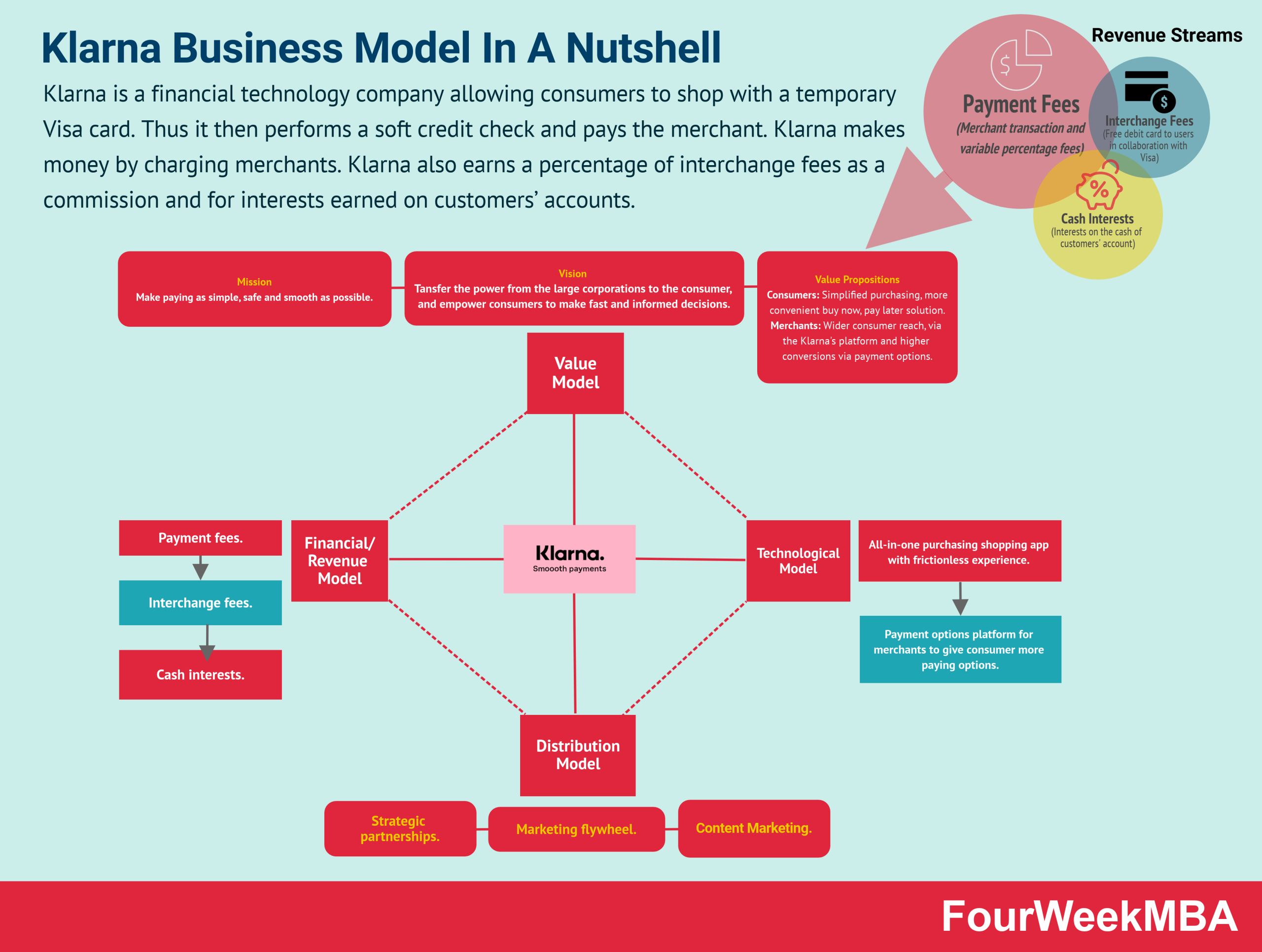
In the rapidly evolving landscape of personal finance, the way consumers interact with credit and debt has undergone a paradigm shift. Traditional credit cards, once the undisputed kings of consumer purchasing power, are increasingly being supplemented or replaced by a new breed of financial tools known as Buy Now, Pay Later (BNPL) services. Among the leaders of this movement is Klarna, a Swedish fintech giant that has redefined the checkout experience for millions globally. Understanding how Klarna works is no longer just a matter of curiosity; it is a fundamental requirement for the modern consumer looking to manage their cash flow, avoid high-interest debt, and navigate the digital economy effectively.

Understanding the Buy Now, Pay Later (BNPL) Revolution
At its core, Klarna operates as a point-of-sale financing service. Unlike a traditional credit card that provides a revolving line of credit with a monthly billing cycle and high interest rates for carried balances, Klarna offers structured payment plans for specific purchases. This model is designed to provide consumers with more transparency and control over their spending, aligning closely with the financial goals of a generation that is increasingly wary of the “debt traps” associated with traditional banking products.
The Shift from Traditional Credit to Flexible Payments
For decades, consumer credit was a binary choice: you either had the cash to buy an item outright, or you charged it to a credit card and dealt with the interest later. The BNPL model disrupts this by breaking down a single purchase into smaller, manageable installments. From a personal finance perspective, this is a tool for liquidity management. It allows a consumer to retain more of their cash on hand for emergencies or investments while still acquiring necessary goods.
The appeal of Klarna lies in its simplicity and its departure from the opaque terms often found in credit card agreements. By offering interest-free installments for short-term plans, Klarna has effectively commoditized credit, making it an integrated part of the shopping experience rather than a separate financial burden to be managed at the end of the month.
Klarna’s Role in the Personal Finance Ecosystem
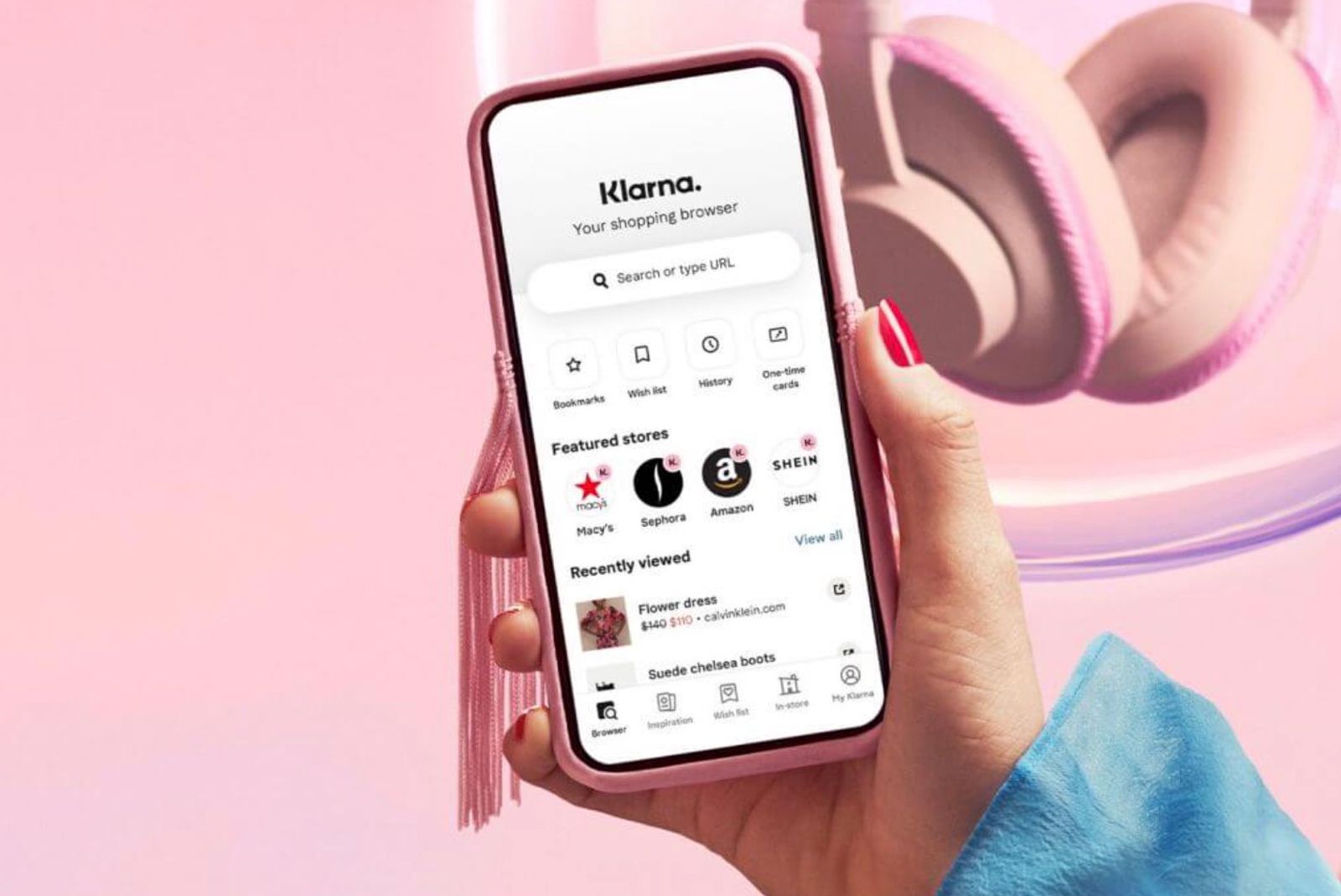
Klarna is more than just a payment button; it is a comprehensive financial ecosystem. Through its app and browser extensions, it offers price tracking, rewards programs, and even high-yield savings accounts in some markets. This integration allows users to treat Klarna as a central hub for their discretionary spending. For the financially savvy, it serves as a method to smooth out consumption, ensuring that a single large purchase—such as a new laptop for work or a necessary home appliance—does not cause a significant shock to their monthly budget.
The Mechanics of Klarna: How It Works at Checkout
When a consumer reaches the checkout page of a participating retailer, or uses the Klarna app to shop at any store, they are typically presented with several different payment options. Each of these options serves a different financial need and carries different implications for the user’s cash flow.
Pay in 4: The Most Popular Interest-Free Option
The “Pay in 4” model is the flagship product of the BNPL industry. When selecting this option, the total cost of the purchase is divided into four equal installments. The first installment is paid at the time of purchase, and the remaining three are automatically charged to the user’s linked debit or credit card every two weeks.
From a financial planning standpoint, this 6-week window is strategically designed. Because the payments are spread out, they often span two or three pay periods for the average worker. This allows the consumer to fund the purchase using income that hasn’t even been earned yet, without incurring the interest charges that would normally apply if they put the same purchase on a credit card and failed to pay the statement in full.
Pay in 30 Days: Bridging the Gap Between Paychecks
The “Pay in 30 Days” option acts as an interest-free short-term loan. It is particularly useful for online shopping where the consumer may want to try on clothes or inspect a product before the money actually leaves their bank account. If the consumer decides to keep the item, they pay the full balance within 30 days. If they return it, the “invoice” is cancelled. This removes the “liquidity lock” that occurs when a consumer has to wait 7 to 10 business days for a traditional refund to process back into their account.
Monthly Financing: For Larger, Long-Term Investments
For high-ticket items like furniture or electronics, Klarna offers more traditional financing that can span anywhere from 6 to 36 months. Unlike the “Pay in 4” model, these longer-term plans often involve interest rates, which are determined based on the user’s creditworthiness. This is where Klarna functions most like a traditional personal loan. For the borrower, the benefit here is the fixed monthly payment and a clear “end date” for the debt, which makes long-term budgeting much easier than the fluctuating minimum payments of a credit card.
The Impact on Your Personal Finances and Credit Score
One of the most common questions regarding Klarna is how it interacts with an individual’s credit profile. Because Klarna is a financial institution, it must assess risk, but it does so differently than a traditional bank.
Soft vs. Hard Credit Inquiries
For its short-term products—”Pay in 4″ and “Pay in 30 Days”—Klarna typically performs a “soft” credit check. This allows them to verify the user’s identity and basic financial standing without leaving a mark on the user’s credit report or affecting their credit score. This is a significant advantage for those who are protective of their credit score or are in the process of applying for a major loan, like a mortgage, where every “hard” inquiry matters.
However, for the longer-term “Monthly Financing” options, Klarna may perform a “hard” credit check. This inquiry will appear on a credit report and can have a minor, temporary impact on a credit score. It is essential for users to distinguish between these two types of credit checks before committing to a plan.
Managing Debt Ratios and Repayment Schedules
While Klarna can be a powerful tool for cash flow management, it also carries the risk of “lifestyle creep” and debt accumulation. Because it is so easy to break a $400 purchase into four $100 payments, consumers may find themselves with several overlapping plans. From a personal finance perspective, this can lead to a situation where a significant portion of one’s future income is already “spoken for” by previous purchases.
Effective use of Klarna requires rigorous tracking. The Klarna app provides a dashboard to view all upcoming payments, but users should also integrate these obligations into their broader budget. If a user misses a payment, Klarna may charge late fees and, more importantly, may restrict the user’s ability to use the service in the future.
The Psychology of “Micro-Loans” in Budgeting
There is a psychological component to BNPL services that every user should be aware of. By breaking down the total cost into smaller increments, the “pain of paying” is reduced. This can lead to impulsive spending. A $1,000 sofa feels much more expensive than four payments of $250. To maintain financial health, users should evaluate the total cost of the item rather than the installment amount to ensure it aligns with their overall financial goals and net worth.
Strategic Use of Klarna for Smart Financial Management
When used correctly, Klarna is not just a way to buy things you can’t afford; it is a way to optimize the things you can. There are several strategies for using BNPL services to enhance one’s financial position.
Avoiding Overextension and Interest Charges
The primary goal of using a tool like Klarna should be to avoid high-interest debt. If a consumer has the choice between putting a necessary purchase on a credit card with a 24% APR or using Klarna’s interest-free “Pay in 4” plan, Klarna is the mathematically superior choice. By utilizing the interest-free window, the consumer effectively keeps their own money in their own pocket (or in a high-yield savings account) for longer.
Leveraging the App for Expense Tracking
The Klarna app aggregates purchases and provides insights into spending habits. For many users, this serves as an automated bookkeeping tool. By centralizing shopping through a single interface, it becomes easier to see where money is going and to identify areas where spending can be trimmed. Furthermore, the app’s “Price Drop” notifications can help consumers time their purchases to coincide with sales, maximizing the value of every dollar spent.
Buyer Protections and Refund Management
Klarna offers its own layer of buyer protection. If an item is never delivered or arrives damaged, Klarna can intervene on behalf of the consumer. This is an underrated aspect of the service. In the traditional banking world, disputing a charge can be a bureaucratic nightmare. Klarna’s vested interest in a smooth transaction often leads to faster resolutions, protecting the consumer’s capital from being tied up in disputes with unreliable merchants.
The Future of Fintech and Consumer Lending
The rise of Klarna is a testament to the changing expectations of the modern consumer. People no longer want to be passive subjects of a bank’s rigid lending criteria; they want flexible, transparent, and immediate financial solutions. As Klarna continues to evolve, we can expect to see more integration with traditional banking services, including more robust savings tools and perhaps even investment options.
For the individual, the takeaway is clear: Klarna is a sophisticated financial tool that offers significant benefits for cash flow management and interest avoidance. However, like any tool, its effectiveness depends entirely on the skill and discipline of the person using it. By understanding the mechanics of the different payment tiers, the impact on credit, and the psychological traps of installment buying, consumers can use Klarna to build a more flexible and resilient financial life. In the era of digital finance, the “how” of payment is just as important as the “how much,” and Klarna provides a compelling answer for those looking to stay ahead of the curve.
aViewFromTheCave is a participant in the Amazon Services LLC Associates Program, an affiliate advertising program designed to provide a means for sites to earn advertising fees by advertising and linking to Amazon.com. Amazon, the Amazon logo, AmazonSupply, and the AmazonSupply logo are trademarks of Amazon.com, Inc. or its affiliates. As an Amazon Associate we earn affiliate commissions from qualifying purchases.