
For most individuals, a vehicle represents the second-largest financial investment they will make, trailing only behind real estate. Unlike a home, however, a car is a depreciating asset that requires active management to preserve its value. When the time comes to sell, trade-in, or leverage a vehicle for a loan, the question “What’s my car worth?” becomes a critical financial inquiry. Using a Vehicle Identification Number (VIN) to determine this value is not just a matter of convenience; it is a fundamental strategy for achieving financial precision. By looking past the year, make, and model to the specific data encoded in a VIN, owners can unlock the true market equity of their asset.
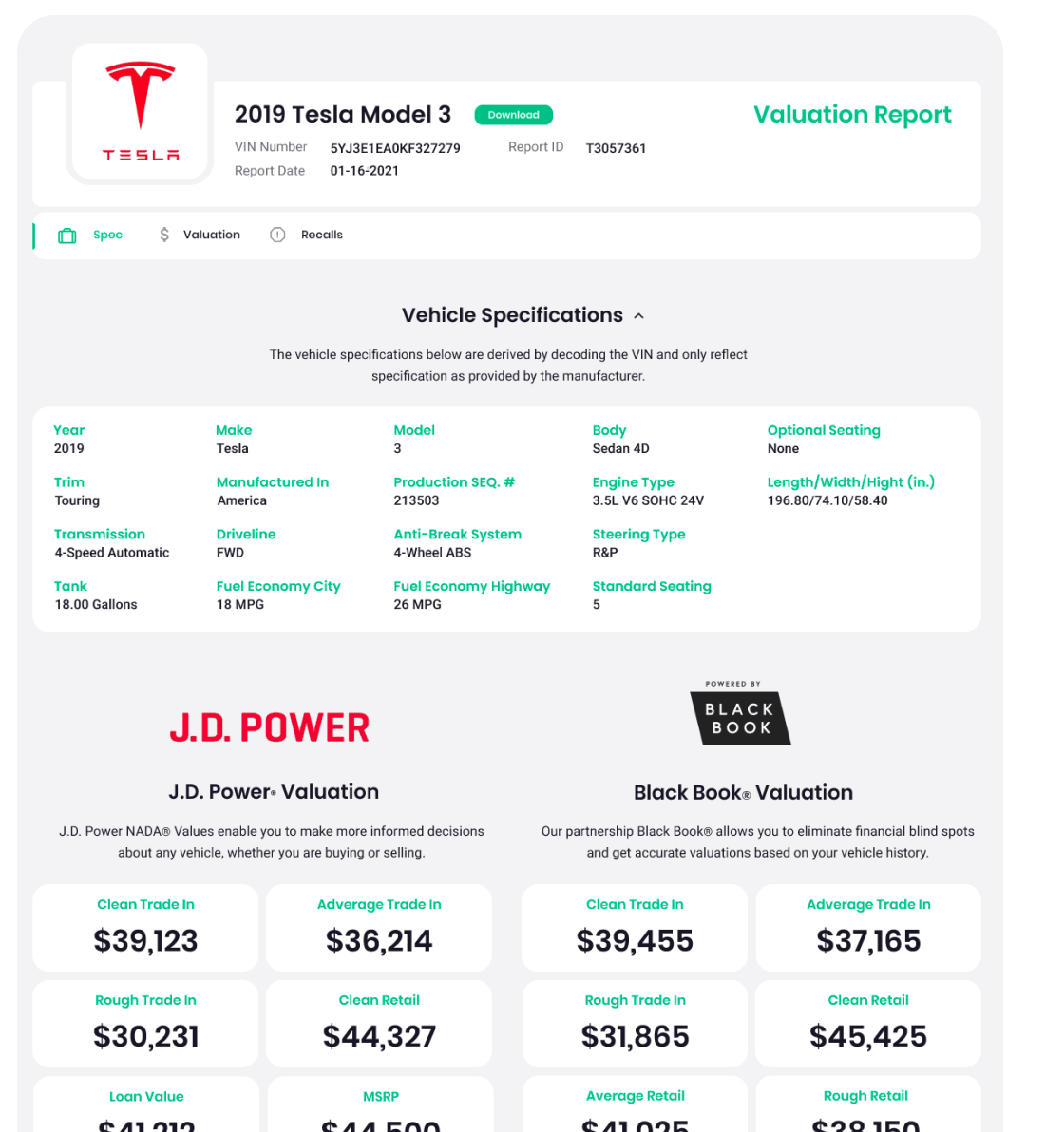
Understanding the VIN as a Financial Asset Identifier
The Vehicle Identification Number is more than just a serial number; it is a 17-character fingerprint that holds the DNA of a vehicle’s financial history and build specifications. From a personal finance perspective, the VIN is the key that opens the door to accurate valuation databases. General estimations based on a broad model description often lead to “valuation leakage,” where an owner leaves thousands of dollars on the table because they failed to account for specific high-value features or mid-year production upgrades.
The Anatomy of a VIN and Value Attribution
Every character in a VIN provides data that impacts the bottom line. The first three characters identify the manufacturer and country of origin, which can influence resale value based on brand reliability ratings. Characters four through eight describe the vehicle’s specific attributes—engine type, body style, and safety features. In the used car market, a vehicle equipped with a turbocharged engine or an advanced driver-assistance system (ADAS) carries a significantly higher price floor than a base model.
When you search for your car’s worth by VIN, the valuation engine decodes these characters to ensure the quote reflects the exact trim level. For example, the difference between a “Standard” trim and an “Elite” trim can represent a 15% to 25% variance in market value. Relying on a VIN ensures that these financial nuances are not overlooked.
Why VIN-Based Valuations Surpass General Estimates
General market estimates are often based on “average” condition and “average” equipment. However, the financial reality of the automotive market is dictated by specifics. A VIN search links the vehicle to its factory build sheet. This allows financial tools to account for “invisible” value-adds, such as premium sound systems, specialized suspension packages, or cold-weather kits. For an investor or a savvy car owner, utilizing the VIN mitigates the risk of underpricing an asset in a private sale or accepting a lowball offer from a dealership.
Leveraging Digital Financial Tools for Precision Valuation
In the modern economy, data is the most valuable currency. To get an accurate picture of a car’s worth, one must engage with the digital tools that aggregate millions of real-time transactions. These platforms use the VIN to pull historical data, providing a snapshot of what similar assets are currently fetching in the open market.
Comparing Industry Databases: KBB, Edmunds, and NADA
The “Big Three” of automotive valuation—Kelley Blue Book (KBB), Edmunds, and NADA—each serve different financial purposes. KBB is often the gold standard for private party transactions, providing a range that reflects consumer-to-consumer sentiment. Edmunds tends to lean toward data-driven market prices, often reflecting what a buyer can expect to pay at a dealership. NADA (National Automobile Dealers Association) values are frequently used by lenders and insurance companies to determine loan-to-value ratios.
By inputting your VIN into these systems, you are not just getting a number; you are seeing how different sectors of the financial world view your asset. A wise car owner will check all three to establish a “valuation corridor,” allowing them to set a strategic asking price that balances speed of sale with maximum ROI.
Real-Time Market Adjustments and Depreciation Tracking
Vehicle values are not static; they fluctuate based on fuel prices, interest rates, and supply chain health. A VIN-based valuation tool often includes a “market pulse” feature. For instance, during periods of high gasoline prices, the VIN of a fuel-efficient hybrid may see a 10% surge in equity overnight. Conversely, luxury SUVs might see a dip. By tracking your car’s value via VIN over time, you can treat your vehicle like a stock portfolio, choosing the optimal moment to “exit” the investment before a major depreciation hit occurs.
Factors That Influence Your Car’s Resale Value
While the VIN identifies what the car was when it left the factory, its current financial worth is dictated by its history. This is where the VIN becomes a portal into the vehicle’s “financial health record.”
Service History and Maintenance Logs

One of the most significant value drivers is a documented service history. When a VIN is run through reporting bureaus like Carfax or AutoCheck, a history of regular maintenance at certified centers appears. From a financial standpoint, a car with a “clean” and consistent service history can command a premium of 10% to 15% over a vehicle with no records. It reduces the “risk premium” for the next buyer, effectively allowing the seller to capture more of the asset’s remaining life-cycle value.
Geographic Market Demand and Liquidity
Liquidity—the ease with which an asset can be converted into cash—varies by region. A VIN search often asks for a zip code because automotive demand is highly localized. A rear-wheel-drive convertible has higher liquidity and value in Florida than in Alaska. Understanding the geographic demand for your specific VIN allows you to decide whether to sell locally or perhaps list the vehicle in a neighboring region where the financial return might be higher, even after accounting for transport costs.
The Impact of Title Status and Accident History
Nothing erodes vehicle equity faster than a “branded” title. Whether it is a salvage, rebuilt, or lemon-law buyback title, these designations are permanently attached to the VIN. In the world of personal finance, a branded title typically reduces a vehicle’s value by 30% to 50%. Even minor accidents reported via the VIN can lead to “diminished value,” a legal and financial concept where a vehicle is worth less simply because it has been repaired. Being aware of what your VIN report says about your car’s history is essential before entering any negotiation.
Strategic Timing: When to Sell or Trade-In for Maximum ROI
In financial planning, timing is everything. Car depreciation follows a predictable curve, but there are “sweet spots” where an owner can maximize their return on investment.
Seasonal Fluctuations in the Used Car Market
The used car market has a seasonal heartbeat. Tax refund season (February through April) typically sees a surge in buyers, driving up the value of affordable, reliable vehicles. Conversely, the end of the calendar year often sees a dip in used car values as dealerships scramble to clear space for new models. By monitoring your car’s VIN-based value during these windows, you can strategically time your sale to coincide with peak market liquidity.
The Psychology of “Sweet Spot” Mileage
There are certain mileage milestones that trigger psychological barriers for buyers and algorithmic shifts in valuation software. Crossing the 36,000-mile (end of bumper-to-bumper warranty), 60,000-mile (end of powertrain warranty), and 100,000-mile marks often results in a sharp drop in equity. A savvy financial move is to run a VIN valuation when you are approaching these milestones. Selling at 98,000 miles can often net significantly more profit than selling at 102,000 miles, despite the negligible difference in the vehicle’s actual wear and tear.
Optimizing the Final Transaction for Maximum Profit
Once you have determined the value of your car by VIN, the final step is the execution of the transaction. The goal is to minimize transaction costs and maximize the net proceeds.
Private Sale vs. Dealer Trade-In: A Cost-Benefit Analysis
This is the ultimate financial crossroads for a car owner. A private sale almost always yields a higher gross price—often $2,000 to $5,000 more than a dealer offer. However, one must account for the “cost of labor” involved in listing, showing, and documenting the sale.
On the other hand, a dealer trade-in offers a significant tax advantage in many jurisdictions. In many states, you only pay sales tax on the difference between your new car’s price and your trade-in’s value. If you are trading in a $20,000 car on a $40,000 purchase, you only pay tax on $20,000. Depending on your local tax rate, this “tax shield” can bridge the gap between a low trade-in offer and a higher private sale price, making the dealer transaction more financially efficient.

Final Preparations to Increase Perceived and Real Value
Before the final valuation is locked in, small capital injections can lead to outsized returns. Professional detailing, addressing minor cosmetic dents, and ensuring all tires match can cost a few hundred dollars but can increase the VIN-based appraisal by over a thousand. In the eyes of a buyer or an appraiser, a well-maintained appearance signals that the mechanical components (linked to that VIN) have also been cared for, justifying a “top-of-market” price.
By viewing your vehicle through the lens of its VIN, you transform it from a mere mode of transportation into a managed financial asset. Precision in valuation is the first step toward wealth preservation in the automotive sphere, ensuring that every mile driven and every dollar spent on maintenance is accounted for when it is time to liquidate.
aViewFromTheCave is a participant in the Amazon Services LLC Associates Program, an affiliate advertising program designed to provide a means for sites to earn advertising fees by advertising and linking to Amazon.com. Amazon, the Amazon logo, AmazonSupply, and the AmazonSupply logo are trademarks of Amazon.com, Inc. or its affiliates. As an Amazon Associate we earn affiliate commissions from qualifying purchases.