
Determining the value of a Jeep is more than a simple exercise in checking a blue book; it is a strategic assessment of a high-liquidity financial asset. In the world of personal finance, vehicles are typically viewed as depreciating liabilities. However, the Jeep brand—specifically the Wrangler and Gladiator lines—occupies a unique niche in the secondary market where depreciation curves are significantly flatter than those of their competitors. Whether you are looking to liquidate the asset for a down payment on a home, trade up for a newer model, or simply assess your net worth, understanding the true market value of your Jeep requires a deep dive into market dynamics, asset condition, and macroeconomic factors.

The Economics of Jeep Resale Value
When analyzing the worth of a vehicle, the first concept to understand is residual value. This is the estimated value of a fixed asset at the end of its lease term or useful life. Jeeps, particularly the Wrangler, consistently rank at the top of industry charts for high residual value. From a financial perspective, this makes them a “safe” purchase in the automotive sector, as the total cost of ownership is offset by the high price the vehicle commands on the used market.
The Low Depreciation Hedge
Depreciation is the single largest expense of owning a new vehicle, often accounting for more than fuel, insurance, or maintenance. While the average vehicle might lose 50% to 60% of its value over five years, high-demand Jeeps often retain 70% or more of their original MSRP. This “Jeep Premium” acts as a hedge against the typical financial loss associated with vehicle ownership. For an owner asking, “What is my Jeep worth?” the answer is often “more than you think,” provided the market conditions are favorable.
Scarcity and the Enthusiast Market
The value of a Jeep is bolstered by a robust enthusiast market. Unlike a standard commuter sedan, which is treated as a commodity, Jeeps are treated as lifestyle assets. This creates a floor for the price. Even older models with high mileage maintain a specific price floor because of their utility in off-roading and the availability of aftermarket parts. In financial terms, this creates a high level of liquidity; there is almost always a buyer for a well-maintained Jeep, regardless of its age.
Impact of Trim Levels on ROI
Not all Jeeps are created equal when it comes to return on investment (ROI). The trim level—Sport, Sahara, Rubicon, or specialized limited editions—dictates the starting point of the valuation. Historically, the Rubicon trim commands the highest resale value due to its specialized hardware (lockers, disconnects, and heavy-duty axles). From a personal finance standpoint, paying more upfront for a higher trim level often results in a higher percentage of capital recovered at the time of sale.
Leveraging Professional Valuation Tools
To arrive at a precise figure, an owner must move beyond guesswork and utilize professional financial tools designed for the automotive industry. These tools provide a baseline, but understanding how to interpret their data is key to maximizing your financial outcome.
Navigating KBB, NADA, and Edmunds
The three primary pillars of vehicle valuation in the United States are Kelley Blue Book (KBB), NADA (National Automobile Dealers Association), and Edmunds.
-
KBB is often the most consumer-friendly, offering “Trade-In Value” and “Private Party Value.” It is essential to recognize that Trade-In Value is effectively the wholesale price, while Private Party Value represents the retail potential.
-
NADA is frequently used by lenders and credit unions to determine how much they are willing to finance for a buyer. If you are selling your Jeep, knowing the NADA clean retail value tells you the maximum a buyer’s bank will likely lend them.
-
Edmunds provides a “True Market Value” (TMV) which factors in actual transaction data, offering a more pragmatic look at what people are currently paying in your specific zip code.
The Role of Real-Time Market Data
In a volatile economy, static books can sometimes lag behind real-world prices. For a more accurate valuation, one should look at “bring-to-market” platforms such as Bring a Trailer or Cars & Bids for enthusiast-grade Jeeps, or Autotrader and CarGurus for daily drivers. By looking at “sold” listings rather than “asking” prices, you can see the actual strike price where supply met demand. This data is the most honest reflection of what your Jeep is worth in the current moment.
Adjusting for Mileage and Condition
In the financial assessment of any physical asset, condition is paramount. Valuation tools use four main categories: Excellent, Good, Fair, and Poor. Statistically, very few vehicles qualify as “Excellent.” Most well-maintained Jeeps fall into the “Good” category. Overestimating the condition of your asset is a common pitfall that can lead to stalled negotiations. Furthermore, the “mileage penalty” is non-linear. A Jeep hitting the 100,000-mile mark often sees a sharper dip in value than it did between 60,000 and 70,000 miles, as this is a psychological threshold for many buyers and a mechanical threshold for many lenders’ warranty products.
Strategic Factors That Influence Final Sale Price
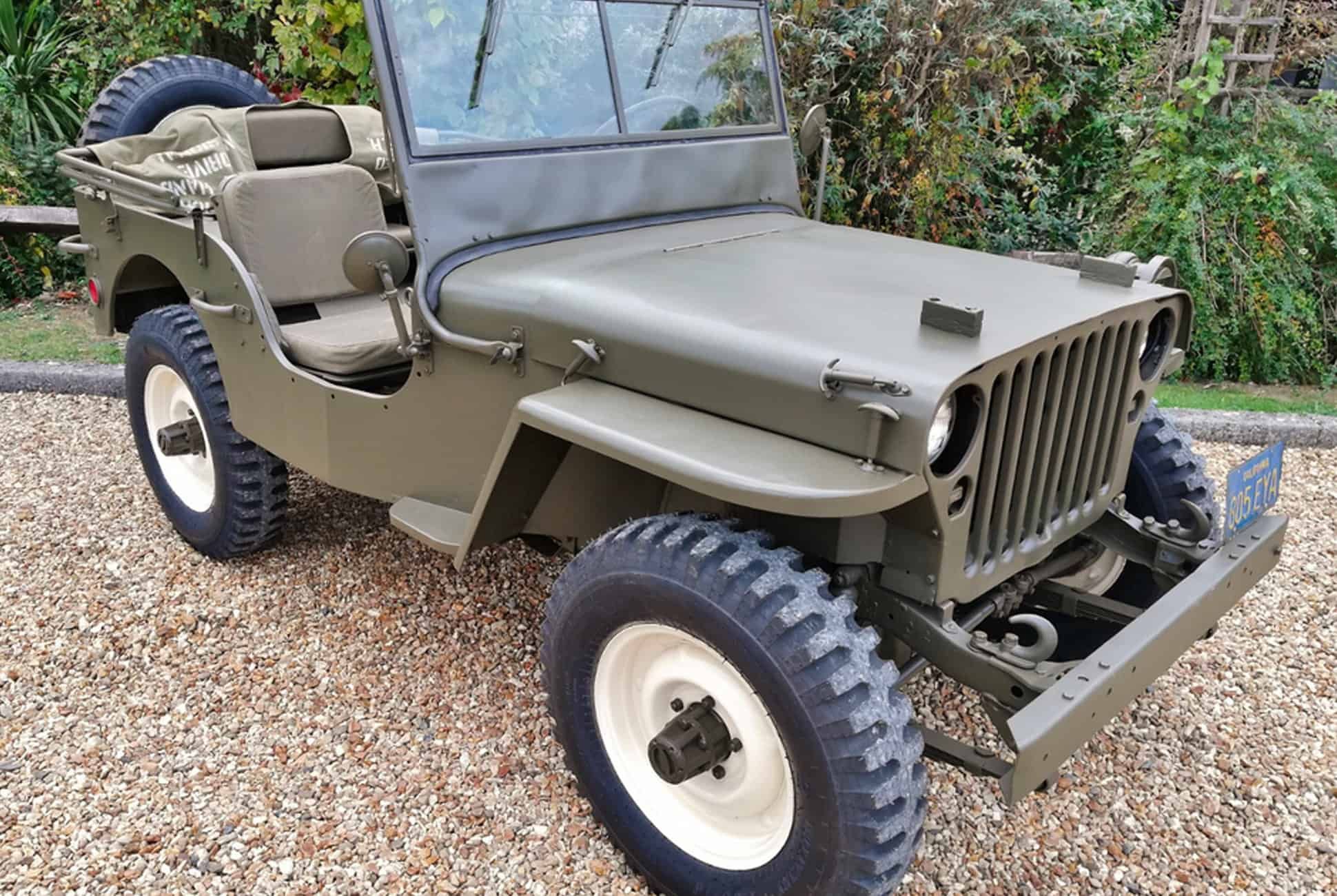
Once you have a baseline value, several external and internal factors can swing the final price by thousands of dollars. Managing these factors is a key component of savvy personal finance.
Regionality and Seasonal Demand
The value of a 4×4 vehicle is highly sensitive to geography and weather. A Jeep Wrangler will almost certainly command a higher price in Colorado or New England in November than it will in Florida in July. If you are looking to maximize the liquidation value of your Jeep, timing your entry into the market to coincide with the onset of winter or the beginning of “convertible season” in the spring can result in a 5-10% premium.
The Modification Paradox
A common question among Jeep owners is how modifications—such as lift kits, oversized tires, and winches—affect the value. From a strictly financial perspective, modifications rarely offer a 1:1 return. In many cases, they can actually decrease the pool of potential buyers, as some prefer a “blank canvas” or worry about the quality of the installation. For the highest ROI, it is often recommended to keep the stock parts and return the vehicle to its original configuration before selling, then sell the aftermarket parts separately on the secondary market.
Maintenance Documentation as an Appreciation Asset
In the world of high-value assets, provenance is everything. A Jeep with a meticulous folder of service records is worth significantly more than an identical one without them. Comprehensive documentation proves that the owner has mitigated the risk of future mechanical failure. When presenting your Jeep to a buyer or a dealership, having a clear “paper trail” of oil changes, differential services, and brake work can be used as leverage to hold firm on a higher asking price.
Exit Strategies: Maximizing Your Net Return
Determining what your Jeep is worth is only half the battle; the other half is choosing the right channel to realize that value. Your choice of exit strategy will depend on whether you prioritize time or money.
Private Party Sale vs. Dealer Trade-In
Selling a Jeep privately is the most effective way to capture its full retail value. However, it requires time, marketing, and the ability to handle financial logistics (such as title transfers and verifying funds). On the other hand, a dealer trade-in is a convenience-based transaction. Dealers typically offer 15-20% less than retail because they must account for reconditioning costs and their own profit margin.
From a tax perspective, however, the “Trade-In Tax Credit” available in many states can bridge this gap. If you live in a state that only charges sales tax on the “price difference” between your old car and your new one, the tax savings might make a dealer’s lower offer financially equivalent to a higher private sale price. Always run the math on the post-tax net result before dismissing a dealer offer.
Instant Cash Offers and Online Consignment
In the modern fintech era, companies like Carvana, Vroom, and KBB Instant Cash Offer have changed the liquidity of vehicles. These platforms provide a “floor” price—a guaranteed amount you can get for your asset within 24 hours. While these offers are rarely the highest, they provide a valuable data point. If a private buyer offers you less than a guaranteed instant cash offer, you know the deal is not in your financial interest.
Managing the Transfer of Equity
If you currently have a loan on your Jeep, your “worth” is technically your equity—the market value minus your loan payoff. If your Jeep is worth $30,000 and you owe $20,000, you have $10,000 in liquid equity. In a “private party” sale with a lien, the process is more complex. Many sellers choose to pay off the loan using a personal loan or savings briefly to secure a “clean” title, which makes the vehicle much easier to sell and often allows for a higher asking price due to the ease of transaction for the buyer.

Final Assessment: The Jeep as a Financial Instrument
Ultimately, knowing what your Jeep is worth is about proactive wealth management. Vehicles are often the second-largest purchase a person makes, and Jeeps are uniquely positioned to be managed like an investment rather than a sunk cost. By monitoring market trends, maintaining the vehicle’s condition, and strategically timing your exit, you can minimize the “cost of use” to a level that few other vehicle owners can achieve.
Whether you are calculating your total net worth or preparing for a lifestyle change, treat your Jeep’s valuation with the same rigor you would a stock portfolio or a real estate holding. Understanding the nuances of the market ensures that when it comes time to sign the title over, you are leaving the transaction with the maximum amount of capital possible, ready to be deployed into your next financial goal.
aViewFromTheCave is a participant in the Amazon Services LLC Associates Program, an affiliate advertising program designed to provide a means for sites to earn advertising fees by advertising and linking to Amazon.com. Amazon, the Amazon logo, AmazonSupply, and the AmazonSupply logo are trademarks of Amazon.com, Inc. or its affiliates. As an Amazon Associate we earn affiliate commissions from qualifying purchases.