
In an age of conscious consumption and economic prudence, the market for used items has never been more vibrant. From pre-owned vehicles and refurbished electronics to antique furniture and second-hand clothing, understanding the true value of a used item is a critical skill for both buyers seeking a bargain and sellers aiming to maximize their return. This isn’t merely about attaching a price tag; it’s about navigating a complex interplay of depreciation, market demand, condition, and strategic positioning. For individuals, it dictates savings and potential income. For businesses, it influences asset management, inventory turnover, and financial forecasting. Delving into “how much is a used item” requires more than a quick search; it demands a nuanced understanding of financial dynamics, market psychology, and practical valuation techniques.
The Inevitable Slide: Understanding Depreciation and Value Erosion
The moment many items leave the store, their value begins to diminish. This process, known as depreciation, is the single most significant factor in determining “how much is a used” item worth compared to its new counterpart. While some rare assets appreciate, the vast majority of consumer goods lose value over time, albeit at varying rates. Understanding the mechanics of depreciation is the first step in accurate valuation.
Initial Depreciation and the “New Car” Effect
For many high-ticket items, particularly vehicles and certain electronics, a significant portion of their value is shed within the first year or even months of ownership. This “new car” effect (which applies broadly to many new products) reflects the premium buyers pay for the novelty, pristine condition, and manufacturer’s warranty of a brand-new item. The psychological desire for “new” plays a powerful role, meaning that even a gently used item that is only a few weeks old can be worth substantially less than its retail price, simply because it is no longer new. This initial drop presents an immediate opportunity for savvy used-item buyers.
Wear and Tear: Physical Deterioration and Functional Obsolescence
Beyond the initial drop, the physical condition of an item directly impacts its value. Scratches, dents, fading, mechanical issues, or general wear and tear naturally reduce an item’s appeal and functionality, thus decreasing its market value. However, depreciation isn’t solely physical. Functional obsolescence occurs when an item, while still working, becomes less desirable due to newer, more efficient, or feature-rich alternatives entering the market. A 5-year-old smartphone, for instance, might still function perfectly, but its value will be significantly lower due to advancements in camera technology, processing power, and battery life in newer models. This is particularly relevant in the rapidly evolving tech sector.
Technological Advancements and Market Saturation
Rapid technological progress is a double-edged sword for the value of used items. While it drives innovation, it also accelerates the obsolescence of older models, pushing down their resale value. Consider digital cameras: once a significant investment, older DSLR models can now be purchased for a fraction of their original cost due to the rise of mirrorless cameras and advanced smartphone photography. Furthermore, market saturation – when an abundance of a particular item becomes available – can also depress prices. If everyone is upgrading to the latest model, the market can be flooded with previous generations, driving down their resale value due to increased supply.
Deciphering Value: Key Factors Influencing Used Item Price
While depreciation sets the baseline, several other critical factors finely tune the asking price of a used item. A holistic view of these elements is crucial for both setting a fair price and identifying a true bargain.
Condition: The Foremost Determinant
Without question, the item’s condition reigns supreme. A well-maintained item, free from significant damage, fully functional, and meticulously cleaned, will command a premium over one that is heavily used, damaged, or requires repairs. Buyers are often willing to pay more for an item that requires less immediate investment of time or money post-purchase. Detailed descriptions and clear, honest photographs of an item’s condition are paramount for effective selling and informed buying.
Brand and Model Popularity/Reputation
The original brand and specific model of an item play a significant role. Brands renowned for quality, durability, and strong resale value (e.g., certain car manufacturers, luxury goods brands, or specific electronics lines) tend to retain their value better. Conversely, items from less reputable brands or models known for reliability issues will likely fetch lower prices. The popularity of a specific model also matters; a highly sought-after vintage camera or a limited-edition sneaker will naturally hold its value better than a generic, mass-produced equivalent.
Scarcity, Collectibility, and Niche Demand
For certain categories, scarcity can drive prices upward, defying typical depreciation curves. Antiques, rare collectibles, vintage electronics, or discontinued luxury goods can sometimes appreciate in value if demand from collectors or enthusiasts outstrips the limited supply. Understanding niche markets and their unique valuation metrics is essential here. What might seem like an old, valueless item to one person could be a highly coveted piece to a collector, significantly altering its “used” value.
Market Demand and Supply
The fundamental economic principles of supply and demand are always at play. If an item is in high demand but relatively scarce in the used market, its price will naturally rise. Conversely, an item that is abundant with low demand will see its price plummet. Seasonal variations also influence demand; for example, outdoor equipment might fetch higher prices in spring, while winter gear peaks in autumn. Monitoring current listings and recent sales on various platforms provides invaluable insight into real-time market dynamics.
Original Purchase Price and Age
While not a direct determinant of current value, the original purchase price sets the upper bound and influences buyer expectations. A high original price means there’s more room for depreciation but can also signal higher quality that might lead to better value retention. The item’s age, in conjunction with its condition, also provides a benchmark. Newer items, especially those still under manufacturer warranty, typically command higher prices than older models, even if their condition is comparable.
Practical Tools and Strategies for Accurate Valuation
Moving beyond theoretical factors, concrete tools and strategies are available to help both buyers and sellers arrive at an accurate and fair price for used items. Leveraging these resources can transform the often-subjective process of valuation into a data-driven decision.
Online Marketplaces and Price Comparison Sites
The most accessible and widely used tools are online marketplaces like eBay, Facebook Marketplace, Craigslist, and specialized sites like Reverb (for musical instruments) or The RealReal (for luxury goods). By searching for identical or similar items that have recently sold (not just listed), one can get a realistic idea of an item’s current market value. Price comparison sites, particularly for electronics and vehicles, aggregate data from multiple sellers, offering a quick snapshot of the competitive landscape.
Professional Appraisals for High-Value Items

For truly high-value items—such as antiques, fine art, luxury watches, specialized equipment, or unique collectibles—a professional appraisal is indispensable. Certified appraisers possess expert knowledge, access to specialized databases, and an understanding of nuanced market conditions that casual sellers or buyers lack. While an appraisal comes with a fee, it provides an authoritative valuation that can protect both parties and is often necessary for insurance purposes or legal transactions.
Understanding “Book Value” and Trade-In Estimates
For certain categories, particularly vehicles, standardized valuation guides exist. Kelley Blue Book (KBB) and NADAguides provide “book values” based on make, model, year, mileage, and condition. While these are excellent starting points, it’s crucial to understand the difference between “trade-in value” (what a dealer might offer) and “private party sale value” (what you might get selling directly to another consumer). Trade-in values are typically lower, reflecting the dealer’s need for profit margins and reconditioning costs.
Factoring in Refurbishment and Repair Costs
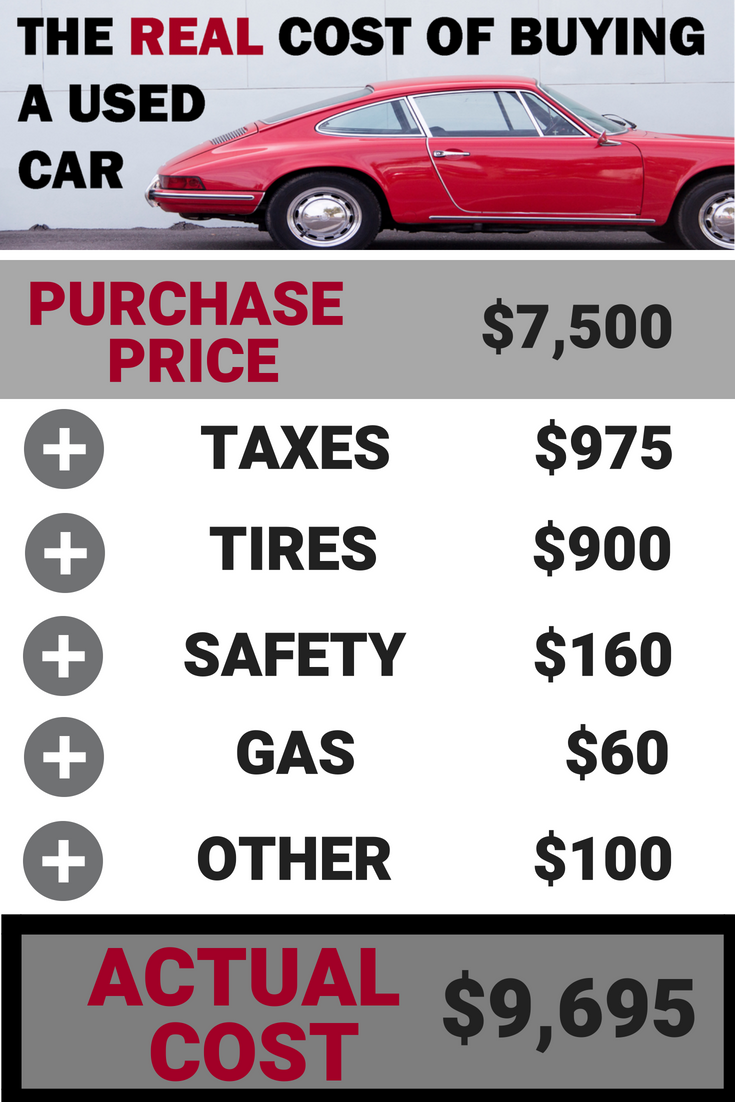
When assessing a used item that isn’t in perfect condition, it’s vital to factor in any potential refurbishment or repair costs. A buyer might see a cheap price, but if the item requires significant investment to become fully functional or aesthetically pleasing, its true cost could far exceed its apparent bargain price. Conversely, a seller who invests in minor repairs or professional cleaning before listing can often justify a higher asking price, as they’ve removed a barrier for potential buyers.
Smart Buying: Maximizing Value from Used Purchases
Embracing the used market is a financially savvy decision, but it requires diligence. Smart buyers follow a structured approach to ensure they’re not just saving money, but acquiring genuine value.
Research Thoroughly Before Buying
Never buy on impulse. Research the item’s typical depreciation curve, common issues for that model, and its average selling price across various platforms. Look for consumer reviews and reliability ratings. Understanding the item’s history (if available) can provide invaluable insights into its longevity and potential future problems.
Inspect Meticulously and Ask Questions
When purchasing in person, a thorough inspection is non-negotiable. Test all functions, check for cosmetic damage, and listen for unusual noises. If buying online, demand high-resolution photos and videos. Don’t shy away from asking detailed questions about the item’s usage history, any previous repairs, and the reason for selling. A reputable seller will be transparent; evasiveness is a red flag.
Negotiation Tactics: Knowing Your Leverage
Always be prepared to negotiate. Armed with research on fair market value, you have leverage. Highlight any minor imperfections you’ve noted, or reference lower comparable prices you’ve found. However, approach negotiations respectfully. Starting too low or being overly aggressive can alienate sellers. The goal is a fair price for both parties.
When to Buy Used: Identifying Sweet Spots
There are strategic times to buy used items. The sweet spot for many items is often when they are 1-3 years old, having absorbed the bulk of initial depreciation but still offering modern features and good condition. For electronics, just after a new model is released is often when previous generations drop significantly in price. Off-season purchases (e.g., buying winter sports equipment in spring) can also yield substantial savings.
Smart Selling: Getting the Best Price for Your Used Items
Selling a used item effectively is an art form. It’s about presentation, pricing strategy, and reaching the right audience to maximize your financial return.
Preparing Your Item for Sale
First impressions matter immensely. Clean the item thoroughly, making it as presentable as possible. Perform any minor, cost-effective repairs that significantly improve functionality or appearance. For electronics, factory reset devices and ensure all personal data is wiped. These steps demonstrate care and value, justifying a higher price.
Effective Photography and Description
High-quality photos from multiple angles, in good lighting, are crucial. Showcase the item’s best features, but also be honest about any flaws (with clear photos). Your description should be detailed, accurate, and compelling. Include brand, model, age, condition (e.g., “like new,” “good,” “fair”), key features, and any accessories included. Transparency builds trust and reduces buyer questions.
Choosing the Right Selling Platform
Select the platform that best suits your item. Local marketplaces (Facebook Marketplace, Craigslist) are great for large items or those requiring in-person pickup. eBay offers a vast audience for shipping-friendly items, with auction or “Buy It Now” options. Niche platforms cater to specific collectibles, potentially fetching higher prices from dedicated enthusiasts. Consider the platform’s fees and reach when making your decision.
Pricing Strategy: Starting High vs. Competitive Pricing
Research market prices to set a realistic asking price. You can choose to start slightly higher than your desired minimum, allowing room for negotiation, or price competitively to encourage a quick sale. Be prepared to adjust your price if you’re not getting interest. Sometimes, a slight price drop can generate significant renewed attention. Highlighting the value proposition, such as including accessories or original packaging, can also help justify your price.
Conclusion
Understanding “how much is a used” item involves a sophisticated blend of economic principles, market analysis, and practical diligence. Whether you’re a buyer looking to stretch your dollar or a seller aiming to recoup your investment, navigating the used market effectively is a valuable financial skill. By comprehending the impact of depreciation, meticulously assessing key value drivers, leveraging available tools for accurate valuation, and employing smart buying and selling strategies, individuals and businesses can unlock significant financial benefits. In a world increasingly focused on sustainability and resourcefulness, mastering the art and science of used item valuation isn’t just financially prudent; it’s a step towards more conscious and efficient consumption.
aViewFromTheCave is a participant in the Amazon Services LLC Associates Program, an affiliate advertising program designed to provide a means for sites to earn advertising fees by advertising and linking to Amazon.com. Amazon, the Amazon logo, AmazonSupply, and the AmazonSupply logo are trademarks of Amazon.com, Inc. or its affiliates. As an Amazon Associate we earn affiliate commissions from qualifying purchases.