
In the modern financial landscape, characterized by rapid inflation, volatile markets, and an endless array of consumer temptations, the concept of budgeting often carries a negative connotation. To many, a budget feels like a financial straightjacket—a restrictive list of “nos” that prevents them from enjoying their hard-earned money. However, this perspective fundamentally misunderstands the nature of capital management. Budgeting is not about deprivation; it is about intentionality. It is the process of prioritizing your future self over your present impulses and ensuring that every dollar you earn is working toward a specific, meaningful goal.
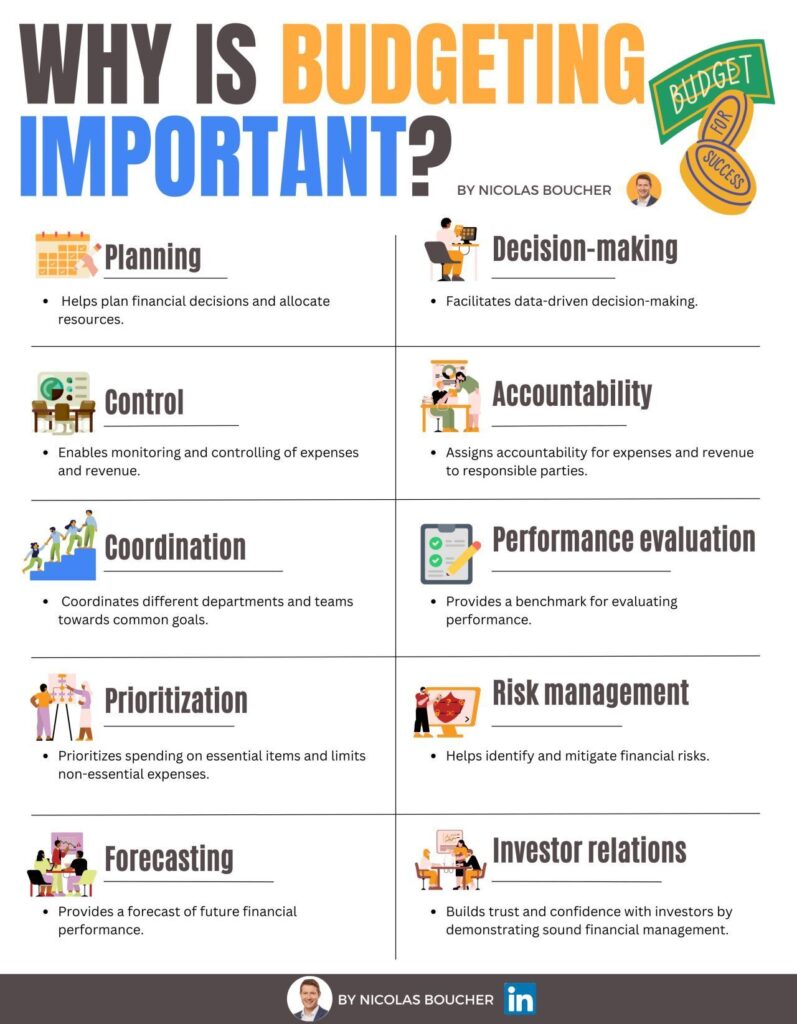
Whether you are an entry-level professional, an aspiring entrepreneur, or a seasoned investor, budgeting serves as the foundational architecture of financial success. Without it, wealth is often accidental and fleeting; with it, wealth becomes a predictable outcome of disciplined habits. Understanding the profound importance of budgeting requires a deep dive into the psychological, strategic, and practical benefits it provides to your personal and professional life.
The Psychological Shift: From Financial Reaction to Intention
The most immediate benefit of a budget is the psychological transformation it facilitates. For the average individual, finances are often a source of “low-grade” chronic stress. This stress stems from a lack of clarity—a vague sense that there might not be enough money at the end of the month or a fear that a single unexpected car repair could derail their entire life. Budgeting eliminates this ambiguity by providing a clear, data-driven map of your financial reality.
Breaking the Paycheck-to-Paycheck Cycle
A significant portion of the global workforce lives paycheck to paycheck, regardless of their income bracket. This phenomenon, often driven by “lifestyle creep,” occurs when expenses rise in tandem with earnings. Without a budget, people tend to spend based on their bank balance rather than their actual financial needs.
Budgeting forces you to confront the reality of your cash flow. By assigning a “job” to every dollar before it is spent, you transition from a reactive state—where you spend and then wonder where the money went—to a proactive state—where you decide where the money will go. This shift is the first step in breaking the cycle of dependency on the next payday, as it allows you to build the margins necessary for true financial stability.
Reducing Financial Anxiety and Decision Fatigue
We make hundreds of micro-decisions regarding money every week. Should I buy this coffee? Can we afford a dinner out? Is this subscription worth it? This constant stream of choices leads to decision fatigue, which often results in poor impulse control.
A budget serves as a pre-determined decision-making framework. When you have already allocated a specific amount for “dining out” or “entertainment,” the decision is already made. You no longer have to debate with yourself; you simply consult the plan. This reduces the emotional weight of daily transactions and provides a sense of peace, knowing that your essential bills, savings, and investments are already accounted for.
Strategic Capital Allocation and Wealth Creation
Beyond the psychological benefits, budgeting is a tool for strategic capital allocation. In the world of business finance, companies do not “hope” to have money left over for research and development; they budget for it. Personal finance should be treated with the same rigor. If you view yourself as a “Business of One,” your budget becomes your profit and loss statement, helping you identify where you can cut costs to increase your “net profit”—the money available for wealth creation.
The Power of the “Savings First” Mentality
One of the most effective budgeting strategies is “paying yourself first.” In a traditional, non-budgeted scenario, individuals pay their bills, spend on their lifestyle, and save whatever is left over. Often, nothing is left over.
Budgeting flips this equation. By making “Investment” or “Savings” a non-negotiable line item at the top of your budget, you ensure that your long-term wealth is prioritized over short-term consumption. This allows you to leverage the most powerful force in finance: compound interest. Even small, budgeted monthly contributions to an index fund or retirement account can grow into substantial sums over decades. Without the discipline of a budget, these contributions are often the first thing to be sacrificed in favor of immediate gratification.
Funding Side Hustles and Business Ventures
For those looking to increase their income through side hustles or entrepreneurship, a budget acts as a venture capital fund. Starting a business, even a digital one, requires some level of seed capital—be it for software, marketing, or inventory.
A budget allows you to identify “leaking” capital—money spent on unused subscriptions, excessive dining, or premium services that don’t add value to your life—and redirect those funds into your business goals. By treating your side hustle as a budgeted expense, you are essentially investing in your future earning potential. This structured approach to funding ensures that your business aspirations aren’t just dreams, but financially backed projects.
Risk Management: Protecting Your Future
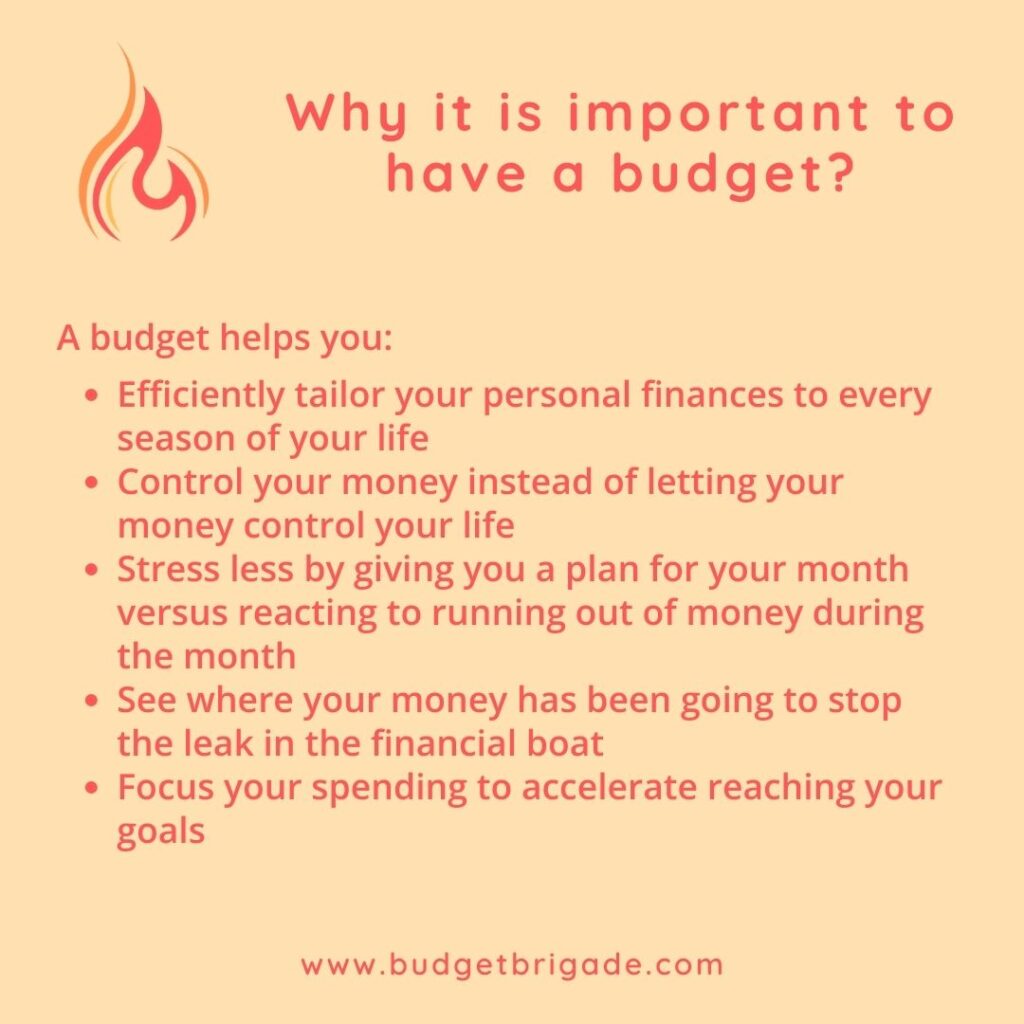
The importance of budgeting is never more apparent than during an economic downturn or a personal crisis. Financial planning is not just about growth; it is about defense. A well-constructed budget includes a comprehensive risk management strategy that protects you from the unpredictability of life.
The Buffer Against Life’s Uncertainties
An emergency fund is widely considered the “cornerstone” of personal finance. Most experts recommend keeping three to six months of living expenses in a liquid, high-yield savings account. However, building such a fund is nearly impossible without a budget.
Budgeting allows you to systematically build this buffer. When life inevitably presents a challenge—a medical emergency, a job loss, or a global recession—the budgeted individual is not forced to rely on high-interest credit cards or predatory loans. Instead, they have the “cash cushion” necessary to navigate the storm without compromising their long-term financial health. This buffer provides the ultimate luxury in finance: time. Time to find the right job, time to wait for the market to recover, and time to make rational decisions under pressure.
Avoiding the Debt Trap
Debt is one of the greatest obstacles to wealth. While “good debt” (like a low-interest mortgage or a strategic business loan) can be a tool, “bad debt” (like high-interest credit card balances) is a wealth-killer.
Budgeting is the most effective weapon against debt. First, it prevents the accumulation of new debt by ensuring you live within your means. Second, it provides a clear path for aggressive debt repayment. Using methods like the “Debt Snowball” (paying off smallest balances first) or the “Debt Avalanche” (paying off highest interest rates first) requires a precise understanding of your disposable income. A budget provides the data needed to accelerate these payments, saving you thousands of dollars in interest over time and freeing up future income for investment.
Modern Methodologies and Financial Tools
Budgeting has evolved far beyond the handwritten ledgers of the past. Today, a variety of methodologies and digital tools make it easier than ever to manage money with precision. Choosing the right framework is essential for maintaining the habit over the long term.
The 50/30/20 Rule vs. Zero-Based Budgeting
The 50/30/20 Rule is a popular high-level framework: 50% of income goes to Needs (housing, utilities, groceries), 30% to Wants (entertainment, hobbies), and 20% to Savings and Debt Repayment. This is an excellent starting point for those who want a simple, balanced approach to their finances without tracking every cent.
For those who want maximum control, Zero-Based Budgeting is the gold standard. In this model, every single dollar of your monthly income is assigned to a category until there is $0 left. If you earn $5,000, you assign $5,000. This doesn’t mean you have $0 in your bank account; it means every dollar is working, whether it’s going toward rent, groceries, or a “vacation fund.” This method ensures total accountability and is highly effective for aggressive wealth building.
Leveraging Technology for Real-Time Tracking
The rise of Fintech has revolutionized budgeting. Apps and software now sync directly with bank accounts and credit cards, categorizing transactions in real-time. These tools provide visual dashboards that show exactly where your money is going, often highlighting trends you might have missed.
However, the tool is only as good as the user. The importance of budgeting lies not in the app itself, but in the regular “check-in” process. Reviewing your budget weekly or monthly allows you to adjust for variances—perhaps your utility bill was higher than expected, or you spent less on groceries—ensuring that you remain on track toward your annual financial targets.
Budgeting as a Pathway to Financial Freedom
Ultimately, budgeting is about freedom. It is a common misconception that budgeting restricts freedom, when in reality, it creates it. True financial freedom is the ability to make choices based on your values rather than your bank balance.
Redefining “No” as “Not Now”
A budget gives you the power to say “no” to things that don’t matter so you can say “yes” to things that do. It shifts your perspective from short-term pleasure to long-term satisfaction. When you pass on an expensive impulse purchase because it’s not in the budget, you aren’t depriving yourself; you are protecting your ability to buy a home, travel the world, or retire early. You are choosing a future of security and opportunity over a moment of fleeting gratification.

Long-Term Vision and Legacy Planning
For those who look beyond their own lifetime, budgeting is the mechanism for generational wealth. By mastering the art of budgeting, you develop the financial literacy necessary to teach the next generation. You create a surplus that can be used for charitable giving, supporting family members, or leaving a meaningful inheritance.
Budgeting is the bridge between where you are and where you want to be. It turns the abstract concept of “being wealthy” into a series of manageable, daily actions. It provides the clarity to see your progress, the security to weather life’s storms, and the capital to seize opportunities. In the end, budgeting is not just about money—it is about designing a life of intention, security, and limitless potential.
aViewFromTheCave is a participant in the Amazon Services LLC Associates Program, an affiliate advertising program designed to provide a means for sites to earn advertising fees by advertising and linking to Amazon.com. Amazon, the Amazon logo, AmazonSupply, and the AmazonSupply logo are trademarks of Amazon.com, Inc. or its affiliates. As an Amazon Associate we earn affiliate commissions from qualifying purchases.