
The seemingly simple question, “What time they close Home Depot?” transcends a mere logistical inquiry. For any brand, particularly a retail giant like Home Depot, the establishment and communication of operating hours are deeply embedded in its brand strategy, customer experience, and overall market positioning. It’s a subtle yet profound element that shapes customer perception, dictates convenience, and reinforces the very identity of the business. In the realm of branding, every touchpoint matters, and few are as fundamental as the availability of a service or product. Understanding the strategic implications of operating hours reveals a nuanced layer of corporate identity and customer-centric design.

The Strategic Nexus of Operating Hours and Brand Identity
Operating hours are far more than administrative details; they are a direct articulation of a brand’s values, its commitment to its customer base, and its understanding of their needs. For a brand of Home Depot’s stature, with a diverse clientele ranging from professional contractors to weekend DIY enthusiasts, these hours are a critical aspect of its brand promise.
Beyond Logistics: Operational Hours as a Brand Promise
A brand’s operating hours communicate a foundational promise: accessibility. When a customer asks about closing times, they are not just seeking information; they are assessing convenience, planning their visit, and implicitly evaluating the brand’s commitment to serving them on their schedule. For Home Depot, a brand synonymous with home improvement and construction, understanding its customers’ daily routines is paramount. Contractors often need early access to materials before heading to job sites, while homeowners frequently undertake projects after their regular work hours or on weekends. Therefore, extending hours beyond a typical 9-to-5 schedule isn’t merely an operational decision; it’s a strategic brand choice that explicitly caters to these diverse needs.
These hours become an integral part of the brand’s identity, conveying a message of reliability and understanding. A brand that aligns its availability with its customers’ lifestyles builds a stronger, more resonant connection. Conversely, inconvenient or restrictive hours can signal a lack of customer focus, potentially alienating segments of the target market and weakening the brand’s appeal. Home Depot’s consistent early openings and relatively late closings in many locations are a testament to this understanding, positioning the brand as a reliable partner available when customers need them most, rather than dictating when customers can shop. This reinforces a brand identity built on support, resourcefulness, and enabling customer success.
Consistency, Trust, and the Omnichannel Experience
In today’s interconnected world, customers interact with brands across multiple channels—physical stores, websites, mobile apps, social media, and third-party directories like Google Maps. The consistency of information, particularly regarding operating hours, across all these touchpoints is crucial for building and maintaining customer trust. Discrepancies can lead to frustration, wasted trips, and ultimately, a damaged brand reputation.
For a massive retailer like Home Depot, with hundreds of stores across various regions, ensuring uniform and accurate communication of hours is a significant undertaking that directly impacts its corporate identity. Customers expect to find the same information whether they check the corporate website, their local store’s page, or a third-party mapping service. When a brand fails to deliver this consistency, it erodes the implicit trust that customers place in its information. This breakdown can manifest as negative reviews, decreased foot traffic, and a general perception of disorganization—all detrimental to brand equity.
Therefore, managing and communicating store hours effectively becomes an essential component of a brand’s omnichannel strategy. It’s not just about listing the hours; it’s about ensuring those hours are seamlessly and accurately propagated everywhere the customer might look. Home Depot invests significantly in maintaining this consistency, understanding that a seamless, reliable experience at every interaction point reinforces its brand as dependable and customer-focused. This attention to detail builds loyalty and strengthens the brand’s position as a leader in its industry.
Communicating Availability: A Core Pillar of Brand Marketing
The way a brand communicates its availability is as important as the availability itself. Effective communication of operating hours is a critical aspect of brand marketing, ensuring that the brand is not only accessible but also perceived as accessible.
Digital Accessibility and Brand Engagement
In the digital age, a brand’s website and mobile application are often the first points of contact for customers seeking information. For a brand like Home Depot, these digital platforms are primary conduits for communicating store hours, alongside other vital information such as inventory availability, store locations, and services. A well-designed, intuitive digital presence that clearly displays store hours contributes significantly to a positive brand experience. When customers can quickly find the information they need, it enhances their perception of the brand’s efficiency and customer focus.
Beyond proprietary platforms, the role of local SEO and third-party directories is increasingly vital. Ensuring that Google My Business listings, Yelp, and other location-based services display accurate and up-to-date operating hours is crucial for capturing local traffic and preventing customer frustration. Brands that neglect these channels risk losing potential customers who might default to competitors with more readily available information. For Home Depot, leveraging these digital touchpoints effectively means that a customer searching “Home Depot near me” on their phone will instantly see the correct hours, directions, and contact information, facilitating an immediate connection and driving foot traffic. This digital clarity is a direct extension of the brand’s promise of convenience and readiness to serve. Effective digital communication of hours not only prevents frustration but also actively draws customers into the brand’s ecosystem, enhancing engagement and strengthening the overall brand experience.
In-Store Signage and Experiential Branding
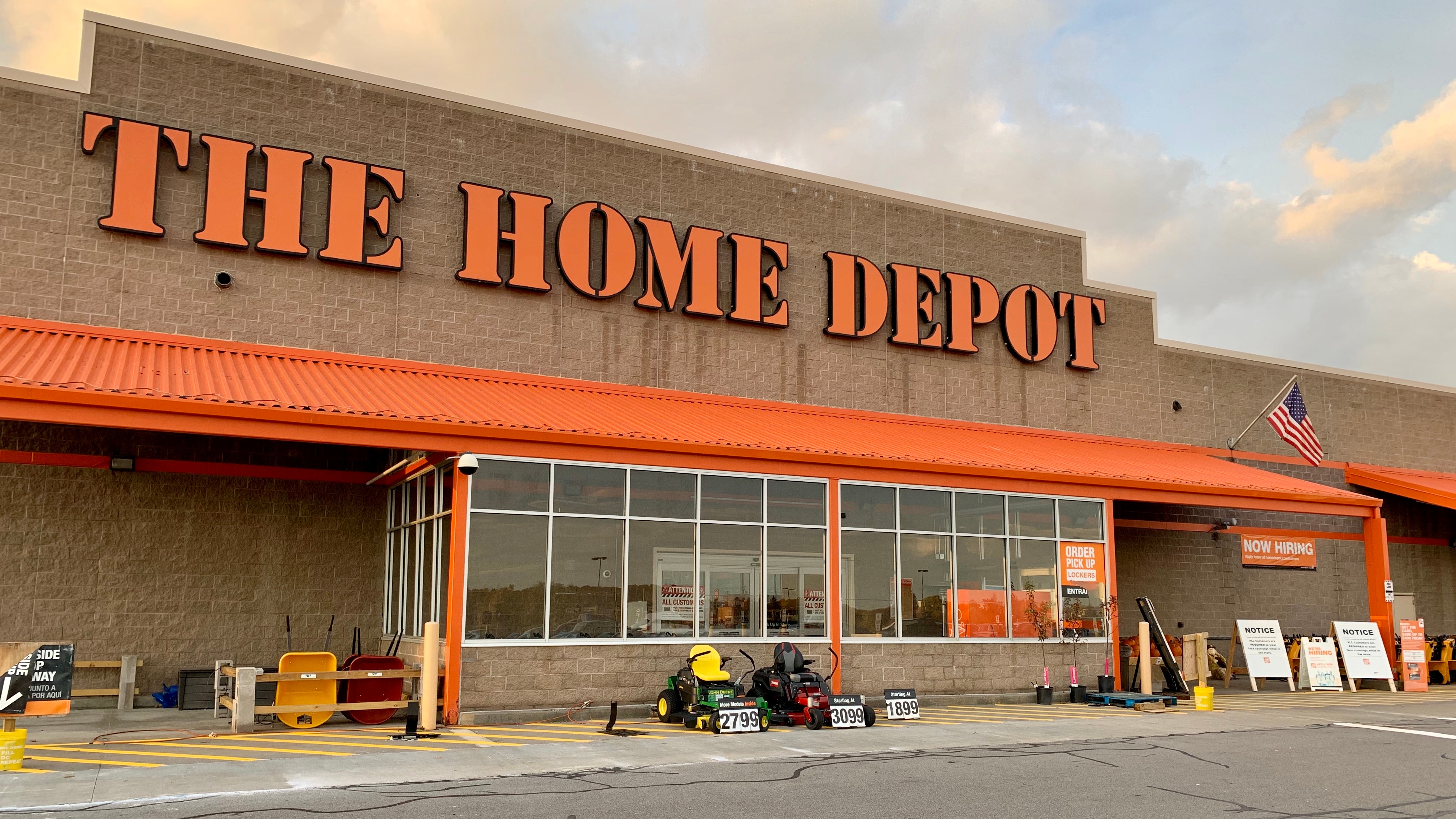
While digital channels are paramount, the physical store remains a critical touchpoint for retail brands. In-store signage displaying operating hours serves as a final, tangible confirmation of a brand’s availability. These signs, often prominently placed at entrances, are not just informational; they are an element of the experiential branding, reinforcing the brand’s professional and organized image. Clear, legible, and consistently branded signage contributes to a cohesive customer experience, ensuring that even those who haven’t checked online are aware of the store’s hours.
The physical environment of a Home Depot store is carefully curated to reflect its brand—rugged, resourceful, and ready to assist. The way information like hours is presented within this environment contributes to that experience. Professional, well-maintained signage signals attention to detail and a commitment to customer clarity. Conversely, faded, outdated, or confusing signage can detract from the overall brand experience, suggesting carelessness or a lack of attention to operational basics. Thus, even static elements like store hour signs play an active role in shaping how customers perceive the brand’s reliability and professionalism. It’s a subtle yet powerful reinforcement of the corporate identity, ensuring that the brand’s message of accessibility is consistent from the digital sphere to the physical storefront.
Adapting to Change: Brand Resilience and Operational Agility
In a dynamic market, brands must be agile, ready to adapt to external pressures and evolving customer demands. This includes the flexibility to adjust operational hours, which can significantly impact a brand’s resilience and ability to meet changing market conditions.
Responding to Market Demands and Competitive Pressures
Market dynamics, seasonal variations, local events, and competitive landscapes can all necessitate changes in operating hours. A brand’s ability to adjust these hours strategically, and communicate these changes effectively, speaks volumes about its operational agility and customer responsiveness. For instance, Home Depot might extend hours during peak home improvement seasons (spring/summer) or around major holidays, or adjust them in response to local demand patterns or the operating hours of competitors. These adjustments are not arbitrary; they are data-driven decisions aimed at optimizing customer service and maximizing market capture, all while maintaining the brand’s commitment to accessibility.
However, the act of changing hours presents a brand communication challenge. Any alteration must be clearly and promptly conveyed across all channels to avoid confusing customers and damaging trust. Brands that manage these transitions smoothly reinforce their image as adaptable and customer-centric, strengthening brand resilience. Conversely, poorly communicated changes can lead to frustration and a perception of disorganization. The COVID-19 pandemic offered a stark example of this, as retailers worldwide rapidly adjusted hours, implemented special shopping times, and adopted curbside pickup. Brands that navigated these changes with clear, proactive communication—like Home Depot, which quickly updated its operational protocols and communicated them via multiple channels—emerged with their brand equity largely intact, showcasing their ability to prioritize customer and employee safety while maintaining essential services. This ability to adapt and communicate change transparently becomes a testament to the brand’s robust character and commitment to its community.
Leveraging Data for Strategic Operational Decisions
In the modern retail landscape, data analytics plays a pivotal role in informing strategic decisions, including the optimization of operating hours. Brands like Home Depot utilize extensive data—ranging from sales figures and foot traffic patterns to customer feedback and local demographic information—to refine their scheduling. By analyzing when customers visit most frequently, what products they purchase at different times, and how local events influence shopping habits, brands can make informed decisions about when to open, when to close, and when to adjust staffing levels.
These data-driven insights allow a brand to fine-tune its operational efficiency while simultaneously enhancing the customer experience. For example, if data reveals a significant surge in contractor purchases between 6 AM and 8 AM, maintaining early opening hours reinforces Home Depot’s brand promise to professional clients. Similarly, if late-evening sales are strong for DIY project materials, extending closing times ensures the brand captures that market segment. This strategic use of data to inform operating hours is a sophisticated aspect of brand management. It demonstrates that the brand is not just reacting but proactively shaping its availability based on a deep understanding of its customer base. This intelligent approach to operations strengthens the brand’s image as forward-thinking, efficient, and deeply attuned to its customers’ needs, thereby solidifying its market leadership and ensuring continued relevance.
The Home Depot Case Study: A Blueprint for Retail Brand Success
Home Depot stands as a compelling case study in how operating hours are meticulously integrated into a broader brand strategy. Its success is not just about product variety or competitive pricing; it’s also about its profound understanding of its target customers and how operational details contribute to overall brand perception.
Understanding the Target Customer and Their Needs
Home Depot’s operating hours are a direct reflection of its strategic understanding of its diverse customer base. While specific hours can vary by location (due to local ordinances, market demand, or other factors), a common pattern for many Home Depot stores is to open early, often around 6:00 AM, and close relatively late, sometimes as late as 9:00 PM or 10:00 PM. This scheduling isn’t arbitrary; it’s a deliberate brand choice that caters to its two primary customer segments:
-
Professional Contractors: These customers often need to pick up supplies before heading to job sites, meaning early morning access is crucial. Home Depot’s early opening hours directly address this need, positioning the brand as a reliable partner for professionals who depend on efficiency and timely access to materials. This ensures contractors can start their day without delay, directly impacting their productivity and business success, thereby fostering loyalty to Home Depot.
-
DIY Homeowners: Many homeowners work traditional 9-to-5 jobs and undertake home improvement projects in the evenings, on weekends, or during holidays. The late closing times provide ample opportunity for these customers to shop after work, or to make multiple trips for project-related purchases over the weekend. This convenience is a significant draw, reinforcing Home Depot’s brand promise of empowering customers to complete their projects on their own terms.
By carefully aligning its operational hours with the unique schedules and demands of these key segments, Home Depot effectively extends its brand promise of convenience, reliability, and support. These hours are a tangible manifestation of the brand’s commitment to enabling customer success, whether they are building a deck or fixing a leaky faucet.

Brand Communication Best Practices
Home Depot excels not only in setting strategic hours but also in communicating them effectively. Their approach exemplifies best practices in brand communication:
-
Website and Mobile App: The Home Depot corporate website and mobile application feature a robust store locator that prominently displays the precise operating hours for each individual store. This information is readily accessible, updated in real-time, and consistent across platforms, providing a seamless digital experience. The clarity and ease of finding this information enhance the brand’s image as organized and customer-centric.
-
Google My Business and Local SEO: Home Depot meticulously manages its Google My Business listings for thousands of locations, ensuring that customers searching “Home Depot near me” on Google receive accurate and up-to-date hours, contact information, and directions. This attention to local SEO is critical for capturing immediate customer intent and driving foot traffic, reinforcing the brand’s omnipresence and accessibility.
-
In-Store Signage: Physical stores feature clear, large, and branded signage at entrances, displaying the current operating hours. This provides a final, unambiguous confirmation of availability, preventing any customer confusion upon arrival. The consistency of this signage across all locations further solidifies the unified brand experience.
-
Customer Service and Employee Training: Home Depot employees are trained to provide accurate information regarding store hours and any potential changes. This human element of communication serves as an additional layer of assurance, reinforcing the brand’s commitment to helpfulness and accuracy.
Through these comprehensive communication strategies, Home Depot ensures that its carefully chosen operating hours are effectively conveyed to its vast customer base. This meticulous attention to detail in disseminating vital information strengthens customer trust, enhances the overall brand experience, and ultimately contributes to Home Depot’s enduring success as a leading retail brand. The question “What time they close Home Depot” becomes more than a query; it becomes an entry point into a thoughtfully designed brand ecosystem built on accessibility and customer understanding.
In conclusion, for a brand as ubiquitous and influential as Home Depot, its operating hours are far from a trivial detail. They are a deeply integrated component of its brand strategy, directly impacting customer experience, trust, and market positioning. By strategically setting, adapting, and meticulously communicating its hours across all touchpoints, Home Depot reinforces its identity as a reliable, customer-centric partner, building a robust brand loyalty that underpins its sustained success in the competitive retail landscape.
aViewFromTheCave is a participant in the Amazon Services LLC Associates Program, an affiliate advertising program designed to provide a means for sites to earn advertising fees by advertising and linking to Amazon.com. Amazon, the Amazon logo, AmazonSupply, and the AmazonSupply logo are trademarks of Amazon.com, Inc. or its affiliates. As an Amazon Associate we earn affiliate commissions from qualifying purchases.