
For many individuals and families, the arrival of tax season can bring a mix of anticipation and financial stress. While the promise of a tax refund offers a potential boost, the wait for those funds can be a significant hurdle, especially when immediate financial needs arise. This is where products like the H&R Block Emerald Advance come into play, offering a potential lifeline by providing early access to funds. Understanding when this financial tool becomes available is crucial for those looking to bridge short-term financial gaps.
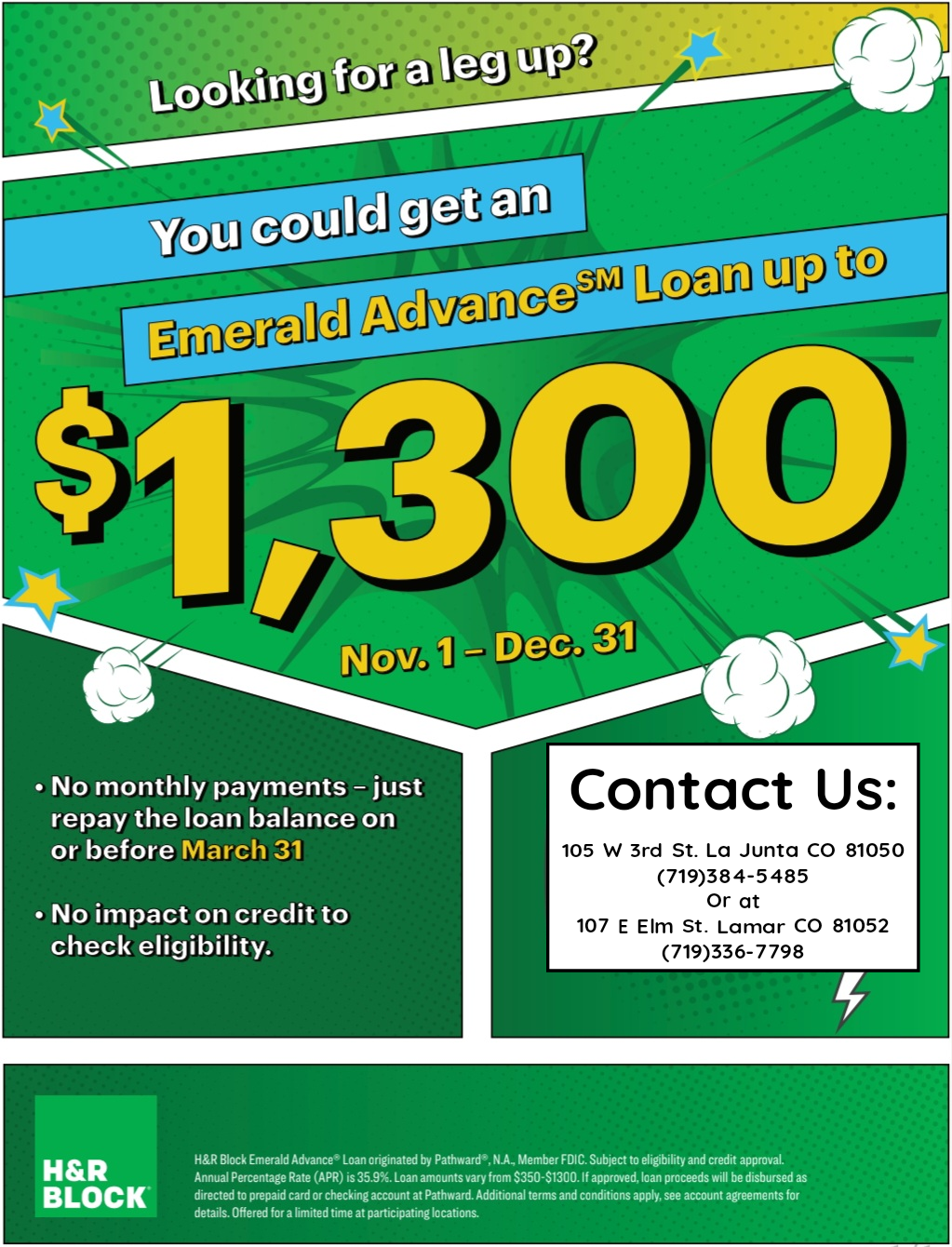
The H&R Block Emerald Advance is not simply a tax refund loan; it’s a line of credit designed to provide eligible clients with funds before their tax refund is even processed or, in some cases, before they even file their taxes. As such, its availability operates on a different timeline than typical tax refund advance products. Generally, H&R Block aims to make the Emerald Advance available in the late fall or early winter months, typically starting around November or December each year. This timing is strategic, aligning with the pre-holiday season and the period leading up to the official start of the tax filing season, allowing clients to access funds when expenses might be higher or unexpected financial needs emerge. However, it’s important to note that the exact start date can vary slightly from year to year based on H&R Block’s operational decisions, regulatory considerations, and broader economic factors. Clients interested in this advance should always look for official announcements directly from H&R Block via their website, local offices, or promotional materials as the pre-tax season approaches. This proactive approach ensures you have the most current information regarding application windows and eligibility.
Understanding the H&R Block Emerald Advance
Before delving into the specific start dates, it’s vital to grasp what the Emerald Advance is and how it functions within the broader landscape of personal finance tools. It’s a distinct product designed to address particular financial circumstances, offering a specific type of liquidity.
What is the Emerald Advance?
The H&R Block Emerald Advance is a short-term line of credit offered by H&R Block Bank. Unlike a traditional tax refund advance that is secured by your anticipated tax refund after you’ve filed, the Emerald Advance is typically offered prior to filing your taxes. It provides a credit limit that eligible clients can access and repay, similar to a personal line of credit. The funds are usually disbursed onto an H&R Block Emerald Prepaid Mastercard, providing immediate access for purchases, bill payments, or cash withdrawals. The amounts typically range, offering a flexible option for those needing immediate funds for various expenses, such as holiday shopping, unexpected bills, or bridging income gaps before the official tax season begins and potential refunds are calculated. It’s an attractive option for existing H&R Block clients who have demonstrated a filing history with the company.
How it Differs from a Tax Refund Loan
It’s crucial not to confuse the Emerald Advance with a tax refund loan or refund advance. While both offer early access to funds, their mechanics and timing are different. A tax refund loan, or a refund advance, is generally offered after you have filed your tax return with H&R Block (or another tax preparer) and is based on a portion of your expected refund. It’s typically a no-fee, 0% APR loan repaid directly from your federal income tax refund. The Emerald Advance, on the other hand, is a line of credit that you apply for and can potentially receive before filing your taxes. It comes with its own terms, conditions, interest rates, and fees, much like other credit products. This distinction is important because the Emerald Advance requires a separate application process and a credit assessment, whereas many refund advances are primarily based on your tax refund eligibility.
Who is the Emerald Advance Designed For?
The Emerald Advance is primarily designed for H&R Block clients who may need access to funds before their tax refund is available or before tax season officially opens. This includes individuals who might be facing unexpected expenses during the late fall or early winter, those looking to cover holiday spending, or those who need a temporary financial bridge. It caters to clients who value the convenience of obtaining funds through a familiar tax service provider. However, it’s essential for applicants to have a clear understanding of the repayment terms and costs associated with a line of credit, as it is a debt product and not a fee-free advance. It serves a particular niche for those seeking flexible, pre-tax season liquidity.
Key Dates and Anticipating the Application Window
Timing is everything when it comes to accessing financial products like the Emerald Advance. Knowing when to look for information and prepare your application can make a significant difference in securing the funds when you need them most.
Typical Start Times for the Emerald Advance
As mentioned, the H&R Block Emerald Advance typically opens for applications in the late fall or early winter. Historically, this window has often commenced around November or December, extending through the official tax season. This timing allows clients to apply for funds during a period when many face increased expenses, such as holiday spending or winter utility bills, well before the IRS begins accepting tax returns in late January. The “start” refers to when H&R Block begins accepting applications for this line of credit for the upcoming tax year. It’s not a one-time disbursement but rather the activation of the application period for the credit line. Therefore, if you are an existing H&R Block client and are considering this option, marking your calendar for late autumn is a good preliminary step.
Factors Influencing Official Announcements
The exact opening date is not set in stone years in advance and can be influenced by several factors. H&R Block, like any large financial institution, must consider various elements when setting their product launch schedules:
-
Internal Company Policy: Decisions made by H&R Block regarding their financial product offerings and risk assessment for the upcoming year.
-
Regulatory Changes: Any new financial regulations or consumer protection laws could impact product rollout dates.
-
Economic Conditions: Broader economic trends, such as inflation rates, employment figures, or consumer spending habits, might influence the availability and terms of short-term credit products.
-
IRS Guidance: While the Emerald Advance isn’t a direct tax refund loan, the overall tax season timeline and any anticipated IRS changes can still indirectly affect H&R Block’s product scheduling.
-
System Readiness: Ensuring all technological systems and staff are prepared to process applications efficiently is also a crucial factor.
How to Stay Informed
For those keenly interested in the Emerald Advance, proactive information gathering is key. The best ways to stay informed about the precise start date and any program updates include:
-
H&R Block’s Official Website: This is the primary source for the most accurate and up-to-date information. Look for announcements in their “Products” or “Emerald Card” sections as autumn progresses.
-
Email Newsletters: If you’re an existing client, ensure you are subscribed to H&R Block’s email communications. They often send out alerts about new services and product availability.
-
Local H&R Block Offices: Visiting or calling your local H&R Block branch in November can provide direct insights, as local tax professionals are usually informed of product launch schedules.
-
Promotional Materials: Keep an eye out for H&R Block advertisements, both online and in print, during the late fall, which will often feature details about the Emerald Advance’s availability.
Eligibility and the Application Journey
Accessing the Emerald Advance isn’t automatic; it requires meeting specific criteria and successfully navigating an application process. Understanding these steps is crucial for potential applicants.
Meeting the Criteria: What You Need to Know
Eligibility for the H&R Block Emerald Advance typically hinges on several factors, primarily revolving around your client history with H&R Block and your financial standing. While specific criteria can vary, common requirements often include:
-
Previous H&R Block Client: Often, the Emerald Advance is offered to existing clients who have had their taxes prepared by H&R Block in a previous year. This allows H&R Block to have some historical financial data on the applicant.
-
Income Verification: Applicants will likely need to provide proof of income, such as pay stubs, W-2s, or other income statements, to demonstrate repayment capability.
-
Credit Check: As a line of credit, the Emerald Advance involves a credit check. While it may not require a pristine credit score, H&R Block will assess your creditworthiness to determine eligibility and credit limit. This means it can impact your credit score.
-
Identification: Valid government-issued identification will be required for verification purposes.
-
No Outstanding Debt: Having outstanding debt with H&R Block or H&R Block Bank from previous products might disqualify you.
It’s important to remember that meeting the minimum criteria does not guarantee approval. H&R Block Bank makes the final lending decisions based on a comprehensive review of each application.
The Application Process: Step-by-Step

The application process for the Emerald Advance is designed to be relatively straightforward, often initiated in person:
-
Visit an H&R Block Office: Most applications for the Emerald Advance are handled in person at an H&R Block tax preparation office. This allows for direct interaction with a tax professional who can guide you through the process.
-
Provide Required Documents: Bring all necessary identification, income verification (e.g., recent pay stubs, employment verification), and details about your financial situation.
-
Complete the Application: An H&R Block representative will assist you in filling out the application form, which will include questions about your financial history and current income.
-
Credit Check Authorization: You will authorize H&R Block Bank to perform a credit check as part of the application review.
-
Review Terms and Conditions: Before finalizing, carefully review all terms, including the credit limit, interest rates, fees, and repayment schedule. Ensure you understand your obligations.
The in-person approach provides an opportunity to ask questions and receive clarification directly from an H&R Block representative, which can be beneficial for understanding the intricacies of the product.
Understanding Approval and Disbursal
Once your application is submitted, H&R Block Bank will review it. If approved, you will be informed of your credit limit.
-
Disbursal: The funds from the Emerald Advance are typically loaded onto an H&R Block Emerald Prepaid Mastercard. This card functions like a debit card and can be used immediately for purchases, bill payments, or cash withdrawals from ATMs (fees may apply for ATM withdrawals).
-
Repayment: It’s crucial to understand the repayment schedule. The Emerald Advance is a line of credit, meaning you borrow against a limit and make payments, often with interest accruing on the outstanding balance. The terms will outline minimum monthly payments and how interest is calculated. Unlike a tax refund advance, which is typically repaid directly from your refund, the Emerald Advance requires active management of repayments by the client. Failure to repay can negatively impact your credit score and incur additional fees.
Weighing the Benefits and Financial Implications
Like any financial product, the H&R Block Emerald Advance comes with both potential advantages and critical financial considerations. A balanced perspective is essential before committing.
The Advantages of Early Access to Funds
The primary benefit of the Emerald Advance is precisely what its name implies: early access to funds. This can be particularly advantageous in specific scenarios:
-
Emergency Expenses: For unexpected car repairs, medical bills, or home maintenance issues that arise before your next paycheck or tax refund.
-
Bridging Income Gaps: If you’re experiencing a temporary shortfall in income or waiting for a significant payment, the advance can help cover essential living expenses.
-
Holiday Spending: The late fall/early winter availability makes it a viable option for those needing extra funds for holiday gifts, travel, or entertaining.
-
Avoiding Higher-Cost Alternatives: In some cases, the Emerald Advance might offer a more favorable alternative than high-interest payday loans or incurring overdraft fees.
-
Convenience: For existing H&R Block clients, the familiarity and established relationship can make the application process feel more accessible than seeking a loan from an unfamiliar lender.
The immediate availability of funds on the Emerald Card offers a practical solution for urgent financial needs, allowing users to manage unforeseen circumstances without waiting for traditional financial timelines.
Understanding the Costs: Fees, Interest Rates, and Repayment
While convenient, the Emerald Advance is not a free service and comes with significant costs that must be fully understood:
-
Interest Rates (APR): As a line of credit, the Emerald Advance charges interest on the outstanding balance. These Annual Percentage Rates (APRs) can be relatively high compared to traditional personal loans or credit cards, reflecting the short-term and potentially higher-risk nature of the product. It’s critical to know the exact APR before accepting the offer.
-
Fees: There may be various fees associated with the Emerald Advance, which could include an activation fee, maintenance fees for the Emerald Card, or fees for cash withdrawals from ATMs. These fees add to the overall cost of borrowing.
-
Repayment Schedule: You will be required to make regular payments, typically monthly, to repay the borrowed amount plus interest and any applicable fees. It is your responsibility to manage these payments; your future tax refund is not automatically applied to repay the Emerald Advance. Failing to make timely payments can lead to late fees, additional interest, and a negative impact on your credit score.
Is the Emerald Advance Right for Your Financial Situation?
Deciding whether to utilize the H&R Block Emerald Advance requires careful personal financial assessment.
-
Assess Your Need: Is your need for funds truly urgent and unavoidable? Could you manage without it or use less costly alternatives?
-
Calculate Total Cost: Factor in the interest rates, fees, and the principal amount to determine the total cost of borrowing. Can you comfortably afford this?
-
Repayment Plan: Do you have a clear and realistic plan for how you will repay the line of credit in full, within the agreed-upon timeframe? Do not rely solely on an anticipated tax refund to cover the debt, as circumstances can change.
-
Explore Alternatives: Have you considered other options such as a personal loan from a bank or credit union, using an existing credit card (if it has a lower APR), borrowing from family, or even adjusting your budget temporarily? For those with strong credit, better rates and terms are often available elsewhere.
The Emerald Advance can be a valuable tool for specific short-term needs, but its relatively high cost means it should be approached with caution and a thorough understanding of its financial implications. It’s a short-term solution and not a sustainable long-term financial strategy.
Broader Financial Planning Around Tax Season
While the Emerald Advance addresses immediate cash flow needs, it’s essential to integrate such decisions into a broader framework of sound financial planning, particularly as tax season approaches. Responsible money management can reduce the reliance on short-term, higher-cost credit products.
Alternatives to Short-Term Tax Advances
Before considering a product like the Emerald Advance, exploring alternative financial strategies can often lead to more cost-effective solutions:
-
Emergency Fund: Building an emergency savings fund is the cornerstone of financial resilience. Even a small fund can cover unexpected expenses without resorting to debt.
-
Personal Loans: For those with good credit, personal loans from banks or credit unions often come with significantly lower interest rates and more structured repayment plans than lines of credit like the Emerald Advance.
-
Credit Cards (Used Wisely): If you have an existing credit card with available credit and a lower APR, or one offering a 0% introductory APR, it might be a cheaper option for very short-term borrowing, provided you can pay it off quickly.
-
Budgeting and Expense Reduction: Sometimes, the “advance” needed can be generated by temporarily cutting non-essential expenses and reallocating funds within your existing budget.
-
Borrowing from Family/Friends: While sensitive, this can be a zero-interest option if approached with clear terms and a commitment to repayment.
Cultivating a habit of saving and prudent spending can significantly reduce the pressure to rely on rapid, often more expensive, financial solutions.
Maximizing Your Tax Refund for Future Stability
Instead of viewing a tax refund as an opportunity for immediate spending, strategic planning can transform it into a powerful tool for long-term financial stability:
-
Debt Reduction: Using your refund to pay down high-interest debt (e.g., credit cards, personal loans) can save you significant money on interest payments and improve your credit score.
-
Build Savings: Directing your refund into an emergency fund, a retirement account (like an IRA), or a dedicated savings goal (e.g., down payment for a home, education fund) can foster financial growth.
-
Investments: For those with adequate emergency savings and manageable debt, investing a portion of your refund can contribute to wealth building over time.
-
Adjusting Withholdings: If you consistently receive a large refund, it means you’re overpaying taxes throughout the year. Adjusting your W-4 with your employer can put more money in your paychecks, providing better cash flow throughout the year rather than waiting for a lump sum. This effectively provides a “free” advance to yourself.
A tax refund should be an integral part of your financial strategy, not just a bonus. Planning its use in advance can lead to substantial financial benefits.
Building Long-Term Financial Resilience
Ultimately, understanding when products like the Emerald Advance start is part of a larger conversation about personal financial resilience.
-
Consistent Budgeting: A well-maintained budget helps you understand your income and expenses, identify areas for savings, and anticipate future cash flow needs.
-
Savings Goals: Setting clear, achievable savings goals (emergency fund, retirement, major purchases) provides direction and motivation.
-
Credit Management: Regularly monitoring your credit report, understanding your credit score, and making timely payments on all debts are crucial for accessing favorable financial products when truly needed.
-
Financial Literacy: Continuously educating yourself about personal finance allows you to make informed decisions and choose the most appropriate tools for your situation.
While the H&R Block Emerald Advance can serve as a temporary solution for those needing funds before or during tax season, its value is maximized when considered within a holistic framework of responsible financial planning. Knowing when it starts is the first step, but understanding its costs, alternatives, and role in your broader financial picture is the more critical endeavor for sustained financial health.
aViewFromTheCave is a participant in the Amazon Services LLC Associates Program, an affiliate advertising program designed to provide a means for sites to earn advertising fees by advertising and linking to Amazon.com. Amazon, the Amazon logo, AmazonSupply, and the AmazonSupply logo are trademarks of Amazon.com, Inc. or its affiliates. As an Amazon Associate we earn affiliate commissions from qualifying purchases.