
The Star Wars universe has always been a fertile ground for interactive storytelling, captivating players with its sprawling galaxies, iconic characters, and epic sagas. From the groundbreaking experiences of Knights of the Old Republic to the adrenaline-fueled dogfights of Squadrons, fans eagerly anticipate new ventures into this beloved franchise. One such highly anticipated title that has generated considerable buzz, and subsequently, a significant degree of uncertainty, is Star Wars Eclipse. Whispers of its development, coupled with the promise of a story set in a largely unexplored era of the galaxy far, far away, ignited imaginations. However, as time has worn on since its initial announcement, questions have begun to surface: what exactly happened to Star Wars Eclipse? This article delves into the factors that contribute to the often-turbulent development of ambitious video games, particularly those carrying the weight of such a monumental brand, and explores the intersection of technological ambition, brand management, and the financial realities of the gaming industry.

The Allure of a New Era: Unpacking the Promise of Star Wars Eclipse
The initial announcement of Star Wars Eclipse was met with a wave of excitement precisely because it promised to break new ground within the Star Wars narrative. Developed by Quantic Dream, a studio renowned for its narrative-driven, choice-heavy adventure games like Detroit: Become Human and Heavy Rain, the project immediately signaled a departure from the more action-oriented Star Wars titles that have dominated recent years. The game is slated to be set thousands of years before the Skywalker Saga, during the High Republic era. This period, relatively uncharted in gaming, offered a blank canvas for new heroes, villains, and conflicts, free from the established lore that can sometimes constrain creative freedom.
The High Republic era itself is characterized by the Galactic Republic at its peak, with the Jedi Order acting as guardians of peace and justice across the galaxy. It’s a time of exploration, expansion, and burgeoning threats from the Outer Rim. This setting presents a unique opportunity to explore different facets of the Force, new alien species, and entirely original stories that can enrich the broader Star Wars mythology. Quantic Dream’s signature cinematic approach, combined with advanced motion capture and cutting-edge graphics, hinted at a visually stunning and emotionally resonant experience that would immerse players in this vibrant new chapter of the Star Wars saga. The prospect of a mature, branching narrative where player choices significantly impact the story and characters, a hallmark of Quantic Dream’s previous work, was particularly appealing to those seeking a deeper, more personalized Star Wars adventure.
Navigating the Labyrinth of Game Development: Technological Hurdles and Brand Expectations
The journey from concept to a polished, release-ready video game is rarely a straight line, especially for a title as ambitious as Star Wars Eclipse. Several factors, deeply intertwined with the domains of technology and brand management, can contribute to development delays and the perceived “silence” surrounding a project.
The Cutting Edge of Technology: Pushing Boundaries and Potential Pitfalls
At the heart of any modern AAA game development lies a commitment to pushing technological boundaries. For Star Wars Eclipse, this likely means leveraging the latest advancements in game engines, rendering techniques, and AI. Quantic Dream’s previous titles have always strived for graphical fidelity and realistic character models, and expectations for a Star Wars game would be no different, if not higher.
- Engine Capabilities and Customization: Developers often choose or build sophisticated game engines to power their creations. Engines like Unreal Engine or Unity are incredibly powerful, but adapting them to the specific needs of a unique game like Eclipse, especially one aiming for a distinct visual style and complex narrative systems, requires significant expertise and time. Custom engine development or extensive modifications can introduce unforeseen challenges and delays.
- AI and Procedural Generation: Modern games increasingly rely on AI for everything from believable character behavior to procedural content generation. Creating intelligent NPCs, dynamic environments, and compelling gameplay loops that feel fresh and responsive demands sophisticated AI programming. If Eclipse aims for a vast, explorable galaxy or intricate dialogue systems, the AI development could be a major undertaking.
- Performance Optimization: Achieving stunning visuals while maintaining smooth frame rates across various platforms is a monumental task. Developers must constantly optimize code, art assets, and game systems to ensure a playable experience. This process can be iterative and time-consuming, especially when dealing with complex physics, detailed character animations, and large-scale environments.
- New Hardware and Software: The rapid evolution of gaming hardware, from consoles to graphics cards, means developers must constantly adapt their games to take advantage of new capabilities while also ensuring backward compatibility. Integrating new software tools and frameworks can also lead to unexpected bugs and require extensive testing.
The commitment to delivering a visually and technically impressive experience, especially for a brand as beloved as Star Wars, means that developers are often working at the very edge of what’s currently possible in game development. This ambition, while exciting for players, inherently carries a higher risk of encountering technical roadblocks that can significantly impact development timelines.
The Weight of the Brand: Managing Expectations and Protecting the Galaxy’s Legacy
The Star Wars brand is more than just a name; it’s a cultural phenomenon with a devoted fanbase that holds immense expectations. This brand power, while a tremendous asset, also presents unique challenges for game developers.
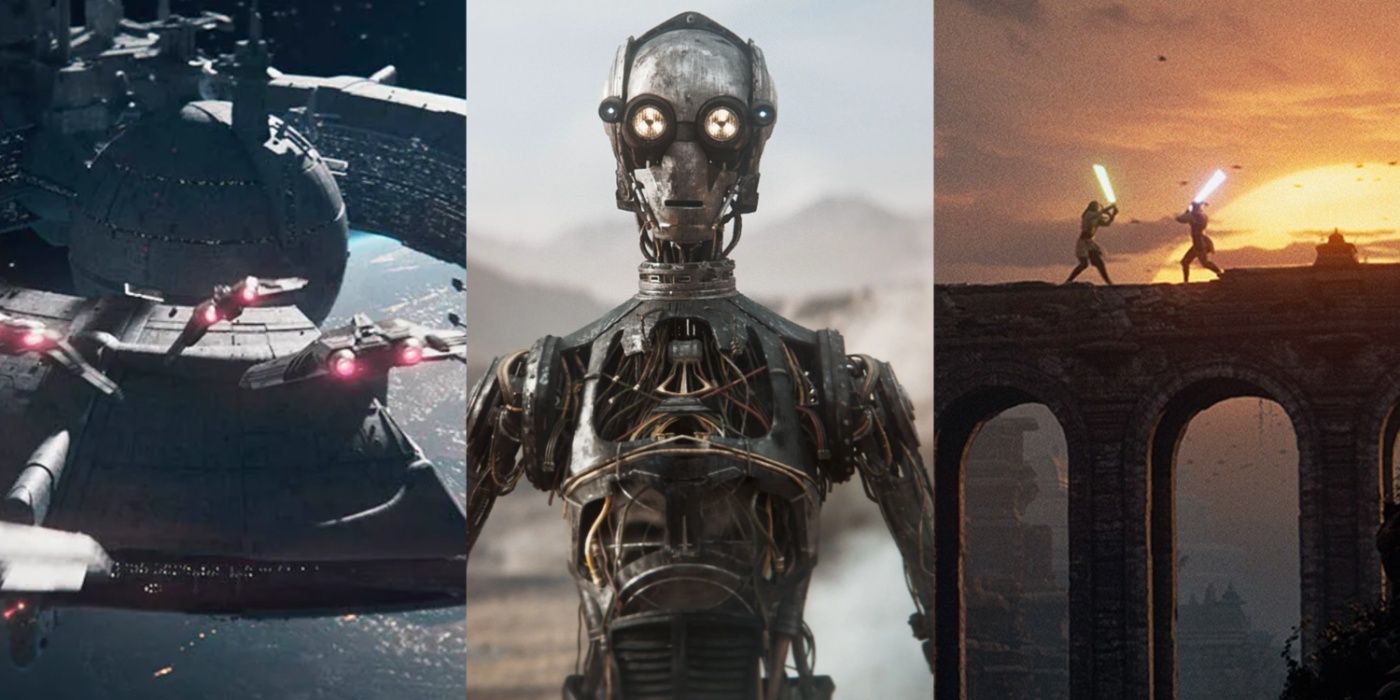
- Lore Integrity and Fan Expectations: Any Star Wars game must meticulously adhere to the established lore and thematic elements that fans cherish. Deviating too far can alienate the core audience, while being too derivative can be perceived as uninspired. For Eclipse, set in a less explored era, the developers have the freedom to innovate, but they also bear the responsibility of creating something that feels authentically Star Wars, even with new characters and stories. Ensuring consistency with existing canon, even from distant eras, requires deep lore knowledge and careful narrative design.
- Quality Assurance and Polish: The Star Wars brand demands a certain level of quality and polish. Fans expect a seamless, bug-free experience, and any significant technical issues or gameplay flaws can lead to widespread disappointment and damage the brand’s reputation. This necessitates rigorous quality assurance testing throughout the development cycle, which can be extensive and costly.
- Marketing and Hype Management: The announcement of a Star Wars game, especially one from a studio like Quantic Dream, inevitably generates significant hype. Balancing this anticipation with the realities of development is crucial. Over-promising or releasing marketing materials that showcase features not yet fully realized can lead to backlash if development struggles. The silence following an announcement can sometimes be a strategic choice to avoid prematurely fueling hype when the project is still in its formative stages, or it can be a sign of internal challenges.
- Licensing and Studio Relations: Developing a game for a major intellectual property like Star Wars involves complex licensing agreements and close collaboration with the rights holders, in this case, Lucasfilm Games (and by extension, Disney). These relationships, while collaborative, can also impose creative constraints or require approvals at various stages of development, potentially adding to the timeline.
The intricate dance between technological ambition and the immense weight of the Star Wars brand means that Star Wars Eclipse faces a higher bar for success. Every decision, from narrative choices to graphical fidelity, is scrutinized through the lens of what fans expect from a Star Wars experience, making development a delicate balancing act.
The Financial Equation: Investing in Ambitious Projects and the Path to Profitability
Beyond the creative and technical considerations, the financial realities of the video game industry play a pivotal role in the trajectory of any large-scale project. Developing AAA games is an incredibly expensive endeavor, and the investment required for a title like Star Wars Eclipse is substantial.
The Economics of AAA Game Development: A High-Stakes Investment
The creation of a game with the scope and ambition of Star Wars Eclipse involves significant financial outlay across numerous areas:
- Talent Acquisition and Retention: Highly skilled developers, artists, writers, and designers are in high demand. Attracting and retaining top talent, especially for a project requiring specialized skills in narrative design, advanced graphics, and AI, represents a considerable portion of the budget.
- Technology and Infrastructure: Investing in powerful development hardware, software licenses, motion capture studios, and sophisticated testing environments contributes to the escalating costs.
- Marketing and Distribution: Launching a game of this magnitude requires a comprehensive marketing campaign, including trailers, press events, social media engagement, and partnerships. Physical distribution, quality control, and digital storefront fees also add to the overall expense.
- Long Development Cycles: AAA games often take years to develop, sometimes even a decade or more from initial concept to release. This prolonged development period means sustained investment without immediate returns, making the project financially precarious if not managed effectively.
The financial model for game development often relies on securing significant upfront investment from publishers or leveraging internal studio resources. For Quantic Dream, a studio that has historically self-published some of its titles after initial partnerships, the funding for a project of this scale would be a critical consideration. The potential return on investment is also a major factor. A game as ambitious as Eclipse, with its focus on narrative and potentially less emphasis on mass-market appeal compared to purely action-based games, might require careful financial forecasting to ensure profitability.
The Profitability Puzzle: Balancing Artistic Vision with Market Viability
The pursuit of profitability in the gaming industry often necessitates a careful balance between artistic vision and market viability. This is where the “what happened” question for Star Wars Eclipse becomes even more nuanced.
- Return on Investment (ROI) Projections: Publishers and studios must project the potential sales and revenue streams of a game to justify the enormous development costs. Factors like target audience size, expected sales volume, and pricing strategy are all part of this equation. A niche appeal, even within the Star Wars fandom, might necessitate a more conservative approach or a longer lead time to recoup investment.
- Market Trends and Shifting Consumer Preferences: The gaming landscape is constantly evolving. Consumer preferences can shift rapidly, with trends towards live-service games, free-to-play models, or specific genres. Developers and publishers must assess whether a narrative-driven, single-player experience like Eclipse aligns with current market demands and projected future trends.
- The Role of Publishers: Publishers play a crucial role in funding and marketing games. Their financial backing often comes with expectations regarding sales targets and release windows. If a publisher perceives a project as too risky, too expensive, or not aligning with their current business strategy, they might delay or even cancel development.
- Internal Studio Decisions: Even without external pressure, studios may re-evaluate projects internally. If development proves more challenging or costly than anticipated, or if new strategic opportunities arise, a studio might choose to pivot, delay, or even shelve a project to focus resources elsewhere. The sheer magnitude of what Star Wars Eclipse promises could lead to internal discussions about scope, feasibility, and resource allocation.
The silence surrounding Star Wars Eclipse could, therefore, be a reflection of the complex financial considerations at play. It might be a period of securing further funding, reassessing development timelines based on financial projections, or strategically waiting for the right moment to re-engage with the market and the fanbase. The pursuit of a financially successful venture, especially for a game carrying such a high price tag and the immense potential of the Star Wars brand, is as crucial as delivering an artistic masterpiece.
In conclusion, the question of “what happened to Star Wars Eclipse” is likely not a singular event, but rather a confluence of intricate challenges inherent in developing a high-profile, technologically ambitious, and financially significant video game. The promise of a new era in Star Wars, explored by a studio known for its storytelling prowess, makes the anticipation palpable. However, the journey through the bleeding edge of technology, the immense expectations tied to a global brand, and the intricate financial landscape of AAA game development all contribute to the often-long and sometimes-silent periods in a game’s life cycle. As fans, we can only hope that the efforts behind Star Wars Eclipse are meticulously navigating these turbulent waters, working towards a future where this ambitious journey into the Star Wars galaxy can finally be realized.
aViewFromTheCave is a participant in the Amazon Services LLC Associates Program, an affiliate advertising program designed to provide a means for sites to earn advertising fees by advertising and linking to Amazon.com. Amazon, the Amazon logo, AmazonSupply, and the AmazonSupply logo are trademarks of Amazon.com, Inc. or its affiliates. As an Amazon Associate we earn affiliate commissions from qualifying purchases.