
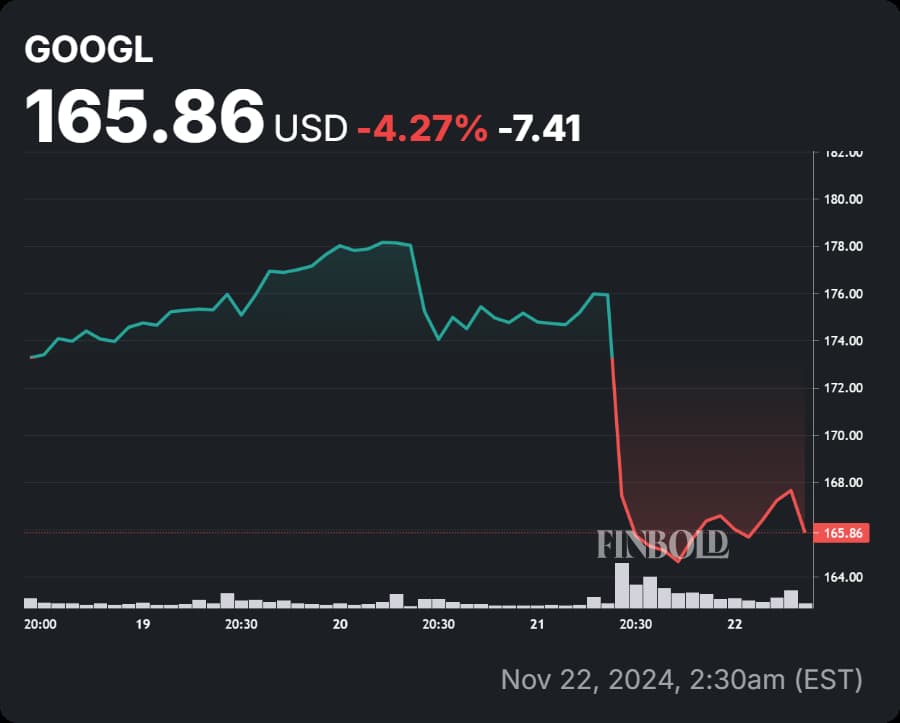
The stock market is a dynamic, often unpredictable arena, and even the most formidable companies like Alphabet (GOOGL, parent company of Google) are not immune to its daily fluctuations. When a tech titan’s share price experiences a significant dip, it inevitably sparks questions among investors, analysts, and the general public. While a multitude of factors can influence a stock’s intraday performance, a drop in GOOGL shares today warrants a deeper dive into the potential catalysts, understanding that short-term volatility is an inherent characteristic of investing, even in robust, fundamentally strong companies. This analysis will explore the likely reasons behind such a movement, its implications for investors, and what to monitor moving forward, strictly within the lens of financial markets and investing.
Understanding Alphabet’s Market Dynamics
Alphabet, a conglomerate with a market capitalization often exceeding a trillion dollars, is far more than just a search engine. Its vast portfolio spans numerous critical sectors, making its stock performance a barometer for broader economic trends and investor sentiment towards the technology sector as a whole. Its diversified revenue streams typically offer a degree of resilience, but also expose it to a wider array of potential headwinds.
Alphabet’s Diverse Portfolio and Revenue Streams
At the heart of Alphabet’s empire is Google Search, which remains a primary driver of its colossal advertising revenue. This segment, alongside YouTube Ads, forms the bedrock of its profitability, making the company highly sensitive to shifts in global advertising spending. Beyond advertising, Alphabet has strategically diversified into high-growth areas. Google Cloud, a rapidly expanding enterprise, competes directly with Amazon Web Services and Microsoft Azure, representing a significant future growth engine. Other Bets, Alphabet’s portfolio of moonshot projects like Waymo (self-driving cars) and Verily (life sciences), while often unprofitable in the short term, represent potential long-term value creators and sources of innovation. This diversification provides a robust foundation, but also means that underperformance or negative news in any one major segment can impact overall investor perception.
The Weight of Market Sentiment and Macroeconomic Factors
Even with a strong underlying business, market sentiment plays an outsized role in daily stock movements, especially for large-cap growth stocks like GOOGL. Investor psychology, fueled by news cycles, social media, and expert opinions, can create rapid shifts in buying and selling pressure. Furthermore, broader macroeconomic conditions frequently dictate the direction of the market, overriding individual company news. Factors such as inflation rates, interest rate hikes by central banks, geopolitical events, and recession fears can lead to widespread risk-off sentiment. When investors become wary of the economic outlook, they often pull capital from higher-growth, longer-duration assets like tech stocks, seeking safer havens, which can cause even stable stocks like Alphabet to decline irrespective of their individual performance.
Key Catalysts Behind Today’s Decline
While without specific real-time data, we can postulate several plausible scenarios that could lead to a sudden drop in GOOGL’s stock price. These often involve a combination of macroeconomic pressures, company-specific news, and shifts in analyst or investor confidence.
Macroeconomic Headwinds and Advertising Spend Concerns
One of the most common and pervasive reasons for a tech stock decline, particularly for an advertising-dependent giant like Alphabet, stems from macroeconomic pressures. Today’s drop could be a direct consequence of escalating concerns over global economic slowdowns or impending recession. When economic uncertainty rises, businesses typically tighten their belts, and one of the first areas to see cuts is marketing and advertising budgets. A perceived or actual slowdown in ad spending directly impacts Alphabet’s core revenue streams from Google Search and YouTube.
For instance, if a new economic report today indicated higher-than-expected inflation or a deeper contraction in a major economy (e.g., the US, EU, or China), investors might preemptively sell off shares of companies highly sensitive to discretionary spending, like advertisers. Furthermore, continued interest rate hikes by central banks designed to combat inflation make future earnings less valuable when discounted back to the present, reducing the attractiveness of growth stocks. Investors might also be reallocating capital towards less growth-oriented, more value-oriented sectors deemed safer in an inflationary or high-interest-rate environment. This widespread “flight to quality” often sees money flow out of technology and into more defensive sectors, causing even healthy tech stocks to fall.
Regulatory Scrutiny and Competitive Pressures
Alphabet operates under intense scrutiny from regulators globally, particularly regarding its dominant position in search and digital advertising. News of increased regulatory pressure can significantly impact investor confidence by introducing uncertainty about future business models, potential fines, or even forced divestitures. If, for example, there were reports today about new antitrust investigations being launched by the U.S. Department of Justice, the European Union, or a major Asian economy, or an unfavorable ruling in an ongoing legal battle, it could trigger a sell-off. Such news creates a perception of increased operational risk and potential limitations on future growth, which frightens investors.
Coupled with regulatory concerns are ever-present competitive pressures. While Google’s market share in search is robust, other areas are fiercely contested. New innovations from competitors in AI, cloud computing, or even social media platforms (like TikTok challenging YouTube for video advertising) can erode market share or necessitate increased investment in R&D, impacting margins. If a major competitor announced a significant breakthrough or a new strategic partnership today that directly threatens one of Alphabet’s core segments, investors might react by selling GOOGL shares, anticipating a more challenging competitive landscape ahead.
Analyst Revisions and Investor Reassessment
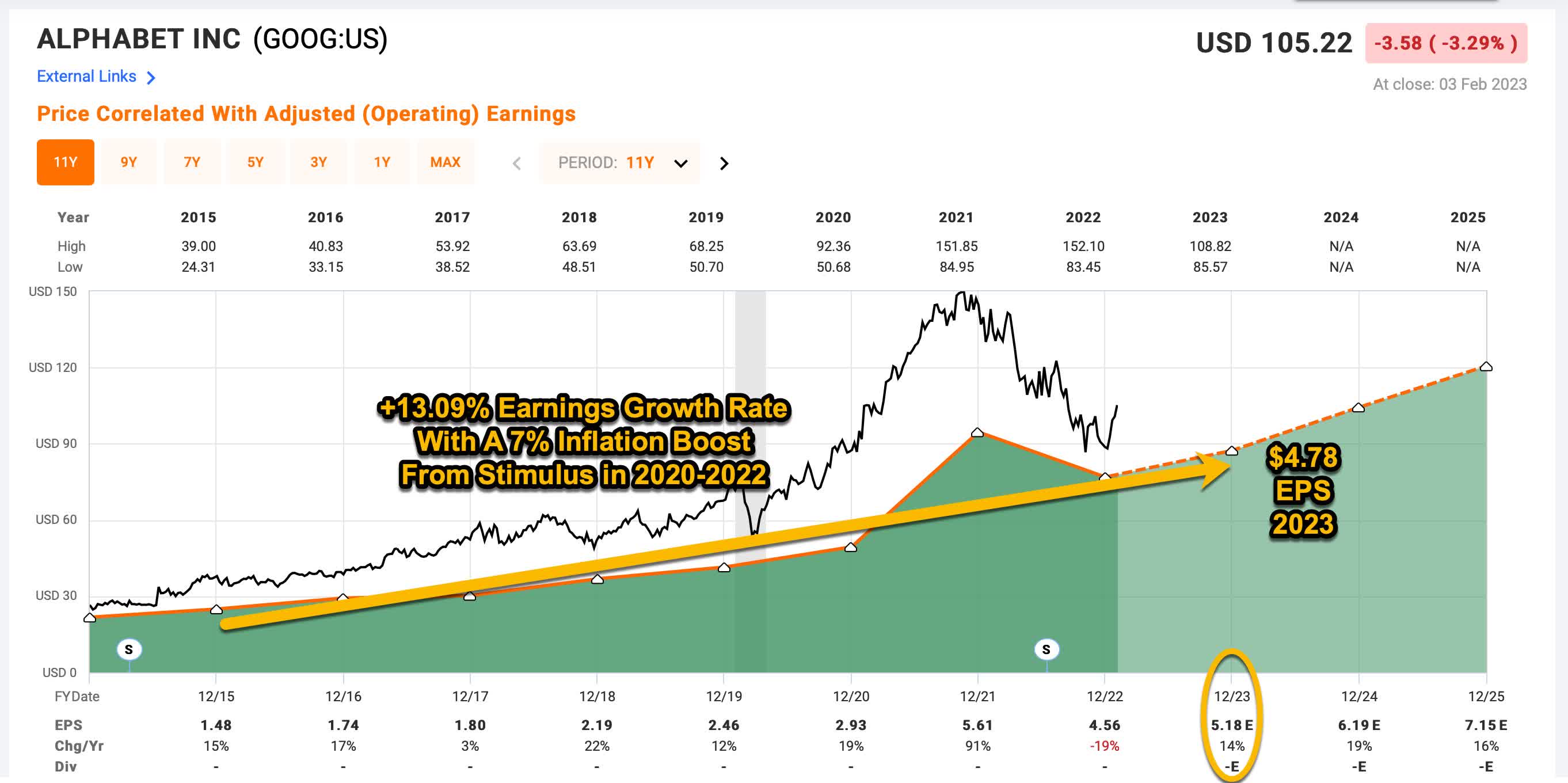
The financial world often moves on the pronouncements of influential analysts and investment banks. A stock drop can frequently be triggered by a significant downgrade from a prominent Wall Street analyst or a revised price target downwards. These revisions can be based on a new understanding of the company’s fundamentals, a re-evaluation of its growth prospects in light of broader economic changes, or specific concerns about competition or regulation. When a respected analyst lowers their rating from, say, “Buy” to “Hold” or “Sell,” or significantly reduces their price target, it can prompt a cascade of institutional and retail investors to reassess their positions and potentially liquidate shares.
Beyond formal analyst reports, a general shift in investor sentiment – a collective reassessment of the company’s valuation – can also be at play. Perhaps a significant institutional investor has decided to rebalance their portfolio, leading to a large block of GOOGL shares being sold. Or, after a period of strong performance, some investors might simply be taking profits, believing the stock is due for a correction, especially if there’s no immediate positive news to propel it higher. This kind of profit-taking or portfolio rebalancing, especially by large funds, can exert significant downward pressure on a stock’s price, even if the underlying company fundamentals remain strong.
The Broader Implications for Investors
A sudden drop in a bellwether stock like GOOGL can be unsettling, but it’s crucial for investors to understand the broader implications and avoid impulsive decisions. This kind of volatility is a normal part of the investing journey and requires a nuanced perspective.
Differentiating Short-Term Volatility from Fundamental Shifts
The most critical task for an investor during a stock drop is to discern whether the decline is merely short-term market noise or indicative of a deeper, more fundamental issue with the company. Short-term volatility, often driven by sentiment, macroeconomic news, or minor analyst adjustments, is usually temporary. If the core business remains strong, innovative, and profitable, and long-term growth drivers are intact, such drops can present buying opportunities for long-term investors.
However, if the drop is caused by significant, lasting changes – for instance, a sustained decline in core advertising revenue due to a permanent shift in consumer behavior, a major regulatory ruling that fundamentally alters Google’s business model, or a substantial loss of market share to a competitor – then it signals a potential fundamental shift. In such cases, a thorough re-evaluation of the investment thesis is warranted. Distinguishing between these two scenarios requires diligent research, not just reacting to headlines.
The Importance of a Long-Term Perspective and Portfolio Diversification
For most investors, a long-term perspective is paramount when dealing with stock market fluctuations. Companies like Alphabet have historically demonstrated resilience and the ability to innovate and adapt, navigating numerous economic cycles and competitive challenges over decades. A single day’s drop, even a significant one, rarely alters the long-term trajectory of such a robust enterprise. Investors with a multi-year horizon are typically better positioned to ride out short-term turbulence and benefit from the eventual recovery and continued growth.
Equally important is portfolio diversification. Relying too heavily on a single stock, no matter how strong, exposes an investor to undue risk. Even a diversified portfolio might see its overall value drop if a major holding like GOOGL declines, but the impact is mitigated by other investments that may perform differently. Diversification across different sectors, asset classes, and geographies helps to cushion the blow of individual stock or sector-specific downturns, aligning with sound risk management principles.
Navigating Forward: What to Watch Next
For investors holding or considering GOOGL stock, today’s drop serves as a reminder to remain vigilant and informed. The path forward involves closely monitoring several key indicators and developments that will shape Alphabet’s future performance and, consequently, its stock price.
Upcoming Financial Reports and Management Commentary
The most immediate and impactful information will come from Alphabet’s next quarterly earnings report. This report will provide concrete data on revenue growth across its segments (Search, YouTube, Cloud), profitability, and crucially, management’s guidance for the upcoming quarters and the full fiscal year. Investors will be keen to hear about trends in advertising spend, the profitability of Google Cloud, and any updates on investment in AI or other strategic initiatives. Strong earnings that beat analyst expectations, coupled with optimistic guidance, can quickly reverse negative sentiment and propel the stock higher. Conversely, weaker-than-expected results or cautious commentary from executives could confirm underlying concerns and lead to further declines. Therefore, the earnings call and accompanying analyst Q&A become critical events for understanding the company’s health and outlook.
The Evolving Landscape of Regulation and Innovation
Beyond financials, the regulatory landscape will continue to be a significant factor. Developments in ongoing antitrust cases, the introduction of new data privacy laws, or any legislative actions targeting large tech companies will directly impact Alphabet’s operational freedom and potential profitability. Investors must stay abreast of these legal and political developments, as they can introduce both risks and opportunities.
Simultaneously, Alphabet’s commitment to innovation, particularly in rapidly evolving fields like artificial intelligence, machine learning, and quantum computing, will be crucial for its long-term competitive edge. The company’s ability to integrate cutting-edge AI into its core products (Search, Cloud) and develop new revenue streams through its “Other Bets” will be vital for sustaining growth and justifying its valuation. Any major product announcements, breakthroughs, or strategic shifts in R&D focus should be closely watched, as they indicate the company’s ability to adapt and lead in the future economy.
In conclusion, a drop in GOOGL stock today, while potentially unnerving, is a complex event influenced by a confluence of macroeconomic factors, company-specific news, and shifts in market sentiment. For the discerning investor, it’s not merely a signal to panic but an invitation to understand the underlying causes, reassess the investment thesis with a long-term perspective, and remain attentive to critical financial and strategic developments that will shape Alphabet’s journey ahead. Such moments often reveal the true resilience of a company and the wisdom of a well-informed investment strategy.
aViewFromTheCave is a participant in the Amazon Services LLC Associates Program, an affiliate advertising program designed to provide a means for sites to earn advertising fees by advertising and linking to Amazon.com. Amazon, the Amazon logo, AmazonSupply, and the AmazonSupply logo are trademarks of Amazon.com, Inc. or its affiliates. As an Amazon Associate we earn affiliate commissions from qualifying purchases.