
In the complex ecosystem of modern consumerism, the quest for the lowest price is a perennial pursuit. Whether planning a dream vacation, attending a must-see concert, or commuting for business, the cost of tickets can significantly impact one’s budget. Understanding the intricate dynamics that govern ticket pricing is not merely about luck; it’s a strategic skill rooted in economic principles, market trends, and astute financial planning. This article delves into the “Money” aspect of securing tickets at their most affordable, offering insights and actionable strategies for personal finance optimization in the realm of travel and entertainment.
The Economics of Dynamic Pricing and Demand
At the heart of ticket pricing lies a sophisticated interplay of supply, demand, and increasingly, algorithmic intelligence. What might seem like arbitrary fluctuations are, in fact, carefully calculated strategies designed to maximize revenue for sellers. For the consumer, deciphering this system is the first step towards financial empowerment.
Understanding Supply and Demand
The fundamental economic principle of supply and demand dictates that when demand for a product or service is high and supply is limited, prices tend to rise. Conversely, when supply exceeds demand, prices typically fall. This applies universally to tickets. For instance, airline seats on a popular route during peak season are finite, leading to higher prices. Similarly, a concert for a hugely popular artist in a limited-capacity venue will command premium prices due to scarcity and high interest. Conversely, off-peak travel times, last-minute cancellations, or less popular events may see prices drop as providers attempt to fill empty slots or clear inventory. Understanding these core drivers allows individuals to anticipate pricing trends and strategize their purchases.
The Algorithm’s Influence
Gone are the days when prices were static. Today, a significant portion of ticket pricing, especially for airlines, hotels, and major event ticketing platforms, is determined by dynamic pricing algorithms. These sophisticated systems analyze vast datasets, including historical sales data, competitor pricing, current demand, time of day, day of the week, user browsing behavior, and even external factors like weather forecasts or major holidays. They adjust prices in real-time, sometimes multiple times within an hour, to optimize revenue. For the consumer, this means that the price you see now might not be the price you see in five minutes. This introduces an element of urgency and complexity but also opportunities for those who understand how to “game” the system by tracking trends and identifying optimal buying windows.
Behavioral Economics and Urgency
Beyond raw numbers, psychological factors heavily influence pricing strategies. Behavioral economics plays a crucial role in how tickets are sold and purchased. Concepts like “fear of missing out” (FOMO), perceived scarcity, and anchor pricing are regularly employed. Limited-time offers, countdown timers, and messages like “only 3 seats left at this price!” are designed to create urgency and encourage impulsive purchases. Understanding these psychological triggers can help consumers resist pressure tactics and make more rational, financially sound decisions. It empowers individuals to take a step back, assess the true value, and avoid falling victim to strategies designed to make them overspend.
Timing Your Purchase: The Golden Windows
While dynamic pricing introduces volatility, there are generally identifiable “golden windows” for purchasing different types of tickets. Mastering these timelines is a cornerstone of saving money.
Flights: The Sweet Spot for Airfare
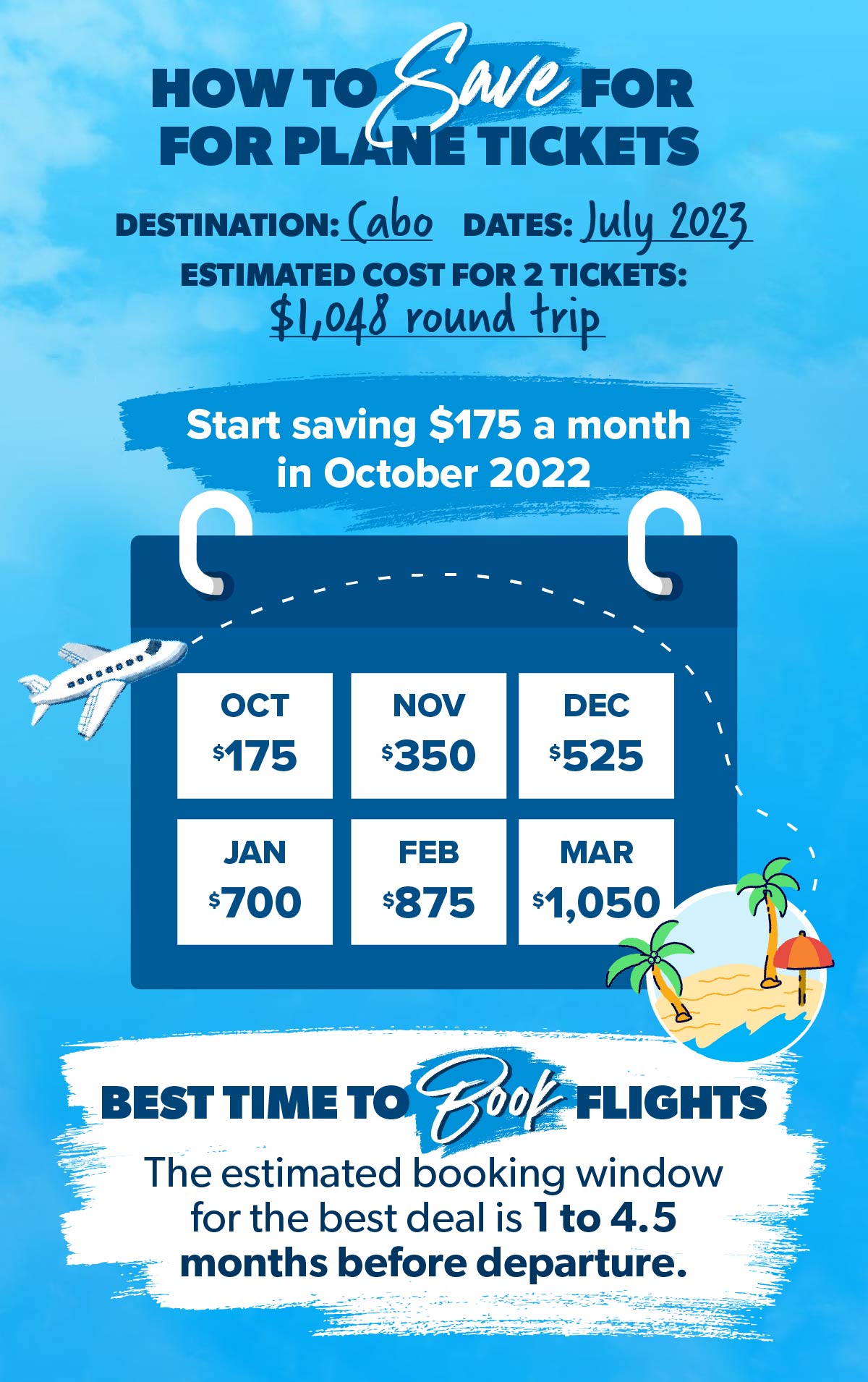
Airline tickets are perhaps the most notoriously volatile. Generally, the “sweet spot” for booking domestic flights is typically 1-3 months in advance, while international flights often yield the best prices 2-8 months out. Booking too early can be expensive because airlines haven’t yet released their full range of discounted fares. Booking too late, especially within a few weeks of departure, will almost certainly result in higher prices as leisure fares disappear and only expensive business-class or last-minute options remain. The cheapest days to buy tickets are often Tuesday, Wednesday, and Thursday, with prices generally increasing over the weekend. Flying on Tuesdays, Wednesdays, or Saturdays can also be cheaper than other days. Flexibility with travel dates, even by a day or two, can unlock significant savings.
Accommodation: Hotels, Rentals, and Seasonal Shifts
For hotels and vacation rentals, the optimal booking window is more varied. For popular destinations or peak seasons (holidays, major festivals, spring break), booking 4-6 months in advance is advisable, especially for unique properties or large group accommodations. This allows access to a wider selection and better rates before demand drives them up. However, for less popular times or business hotels in urban centers, last-minute deals can sometimes emerge as establishments try to fill empty rooms. Always consider the seasonal demand of your chosen destination. A beach resort in winter will have different pricing dynamics than in summer. Comparison sites and price alerts are invaluable tools here, allowing you to monitor rates and book when they dip.
Events: Concerts, Sports, and Theatrical Shows
Event tickets present a unique challenge. For highly anticipated concerts or major sporting events, purchasing tickets as soon as they go on sale (or during pre-sales) is often the best strategy, especially for good seats. Demand is highest then, but so is availability at face value. Waiting can lead to inflated prices on secondary markets. However, for less popular events or shows with many available seats, waiting until closer to the event date can sometimes yield discounts as organizers try to fill seats. For Broadway or West End shows, same-day rush tickets or lottery systems offer significant savings, albeit with an element of risk and often restricted seating. Always check official primary ticket vendors first to avoid scams and excessive fees.
Public Transport: Trains and Buses
For trains and inter-city buses, especially in Europe or for routes with limited capacity, booking well in advance (often 2-3 months out) nearly always guarantees the cheapest fares. These services frequently employ a tiered pricing system where the cheapest “advance purchase” tickets sell out first. Prices then steadily increase as the departure date approaches. For daily commuting, season tickets or multi-journey passes offer the best value, while single-journey tickets purchased on the day are usually the most expensive. Understanding the specific booking windows for different rail and bus operators is key to maximizing savings on ground transportation.

Strategies Beyond Timing: Smart Shopping Tactics
While timing is crucial, a comprehensive approach to securing cheap tickets involves a suite of smart shopping tactics that leverage technology and consumer savvy.
Flexibility is Your Friend
This cannot be stressed enough. If your travel dates, times, or even destinations are flexible, you gain a significant advantage. Using “flexible date” search functions on airline and hotel websites can reveal dramatically cheaper options. Flying on weekdays, during off-peak hours, or choosing shoulder seasons (just before or after peak season) can unlock substantial savings compared to rigid adherence to popular dates. Similarly, being open to slightly different venues or alternative routes for events can lead to more affordable tickets.
Incognito Mode and Cookie Clearing
A common tip, sometimes debated but still worth practicing, is to search for tickets using incognito or private browsing mode, or by regularly clearing your browser’s cookies. The theory is that some dynamic pricing algorithms track your browsing history and search frequency, potentially showing you higher prices on subsequent visits if they detect high interest. While not definitively proven for all platforms, it’s a harmless practice that might prevent personalized price increases and ensure you’re seeing the most neutral pricing available.
Price Alerts and Comparison Tools
Harnessing technology is essential. Set up price alerts for specific flights, hotels, or events using platforms like Google Flights, Skyscanner, Hopper, Kayak, or specialized event ticket trackers. These tools monitor price changes and notify you when your desired itinerary or ticket drops to a certain threshold or becomes significantly cheaper. Additionally, always use comparison websites to get a broad overview of prices across multiple providers before committing. Remember that some budget airlines or independent venues might not be listed on all aggregators, so cross-referencing with direct sites is always a good idea.
Leveraging Loyalty Programs and Credit Card Perks
If you travel frequently or have a preferred airline or hotel chain, enrolling in their loyalty programs can yield benefits beyond simple points. Members often receive exclusive discounts, early access to sales, or upgrades that effectively enhance the value of their purchase. Similarly, many credit cards offer travel rewards, cashback, or specific perks like complimentary travel insurance, lounge access, or even direct discounts on travel bookings. Utilizing these financial tools strategically can significantly reduce your overall expenditure on tickets.
Group Discounts and Package Deals
For families or groups traveling together, exploring group discounts or package deals (flight + hotel, or flight + hotel + car rental) can often be more cost-effective than booking each component separately. While not always the cheapest option, it’s worth comparing, especially when convenience is also a factor. Some event venues also offer group rates for block bookings. Always calculate the per-person cost to ensure it’s genuinely a better deal.
Common Pitfalls and How to Avoid Them
Even with the best intentions, financial missteps can occur when purchasing tickets. Awareness of common pitfalls can safeguard your wallet.
The Peril of Procrastination vs. Premature Booking
The biggest challenge is finding the right balance between booking too early and booking too late. Premature booking, especially for flights, can mean missing out on later fare sales, while procrastination often leads to paying premium prices. The key is to be informed by the “golden windows” discussed earlier, setting price alerts, and being decisive when a good deal appears within that optimal timeframe. Avoid the emotional trap of constantly waiting for a “better” deal when a reasonable one is already available within your budget.
Hidden Fees and Surcharges
Many ticket prices, especially those advertised as “low,” can come with a host of hidden fees and surcharges. These can include booking fees, credit card processing fees, seat selection fees, baggage fees, resort fees, and service charges. Always proceed through the booking process until you see the final, all-inclusive price before making a decision. Budget airlines are notorious for unbundling services, so factor in all potential costs to get a true picture of the expenditure.

Over-reliance on a Single Platform
While convenient, relying exclusively on one booking website or app can limit your exposure to the full range of available prices. Different platforms may have exclusive deals, different inventory, or varying fee structures. Always cast a wide net initially, comparing prices across several reputable aggregators, the official provider’s website, and even niche booking sites for specific types of tickets. This multi-platform approach ensures you’re leveraging the broadest market to find the best financial outcome.
In conclusion, understanding “when are tickets cheapest” is an ongoing financial education. It’s about combining market knowledge with strategic timing, smart tools, and a disciplined approach to spending. By adopting these money-saving strategies, consumers can navigate the complex world of ticket pricing with confidence, ensuring their hard-earned cash stretches further for both life’s necessities and its most cherished experiences.
aViewFromTheCave is a participant in the Amazon Services LLC Associates Program, an affiliate advertising program designed to provide a means for sites to earn advertising fees by advertising and linking to Amazon.com. Amazon, the Amazon logo, AmazonSupply, and the AmazonSupply logo are trademarks of Amazon.com, Inc. or its affiliates. As an Amazon Associate we earn affiliate commissions from qualifying purchases.