
When Are Plane Tickets the Cheapest? Your Ultimate Guide to Maximizing Travel Savings
For many, the dream of exploring new destinations or reuniting with loved ones hinges on one crucial factor: the cost of airfare. Plane tickets often represent the most significant expenditure in any travel budget, and the hunt for the cheapest possible fare can feel like navigating a complex, ever-shifting labyrinth. Is there a secret handshake? A magic day to book? A specific time of year that unlocks unparalleled savings? The answer, while not a simple “yes” or “no,” involves a deep dive into the sophisticated algorithms and economic principles that govern airline pricing.

This comprehensive guide is designed to empower you, the savvy traveler, with the knowledge and strategies needed to decode airline pricing and consistently secure the best possible deals. We’ll move beyond old wives’ tales and delve into the real dynamics of the aviation industry, arming you with financial insights to make your travel dreams more affordable and accessible. By understanding when and how to book, you can transform a significant expense into a manageable investment, freeing up more of your hard-earned money for experiences at your destination.
Understanding Airline Pricing Dynamics: The Invisible Hand of Supply and Demand
Before we can pinpoint the cheapest times to buy, it’s essential to grasp the fundamental forces that dictate ticket prices. Airline pricing is not static; it’s a fluid, dynamic system driven by complex algorithms and market conditions that reflect the age-old economic principle of supply and demand. Airlines are sophisticated businesses operating on thin margins, and every seat on every flight is a perishable commodity that loses all value once the plane takes off. Their primary goal is to maximize revenue from each flight, which means selling every seat at the highest possible price the market will bear.
The Algorithms at Play: Predictive Analytics and Dynamic Pricing
Modern airline pricing is largely automated and powered by sophisticated revenue management systems. These AI-driven algorithms continuously monitor a vast array of data points to adjust prices in real-time. Factors include:
-
Historical Demand: Past booking patterns for specific routes, dates, and times.
-
Current Demand: How quickly seats are selling on a particular flight.
-
Competitor Pricing: What other airlines are charging for similar routes.
-
Seasonal Trends: Peaks and troughs in travel demand throughout the year.
-
Local Events: Major concerts, festivals, conferences, or holidays at the destination.
-
Fuel Costs: A significant variable operating expense for airlines.
-
Fleet Availability and Maintenance Schedules: Affects the supply of seats.
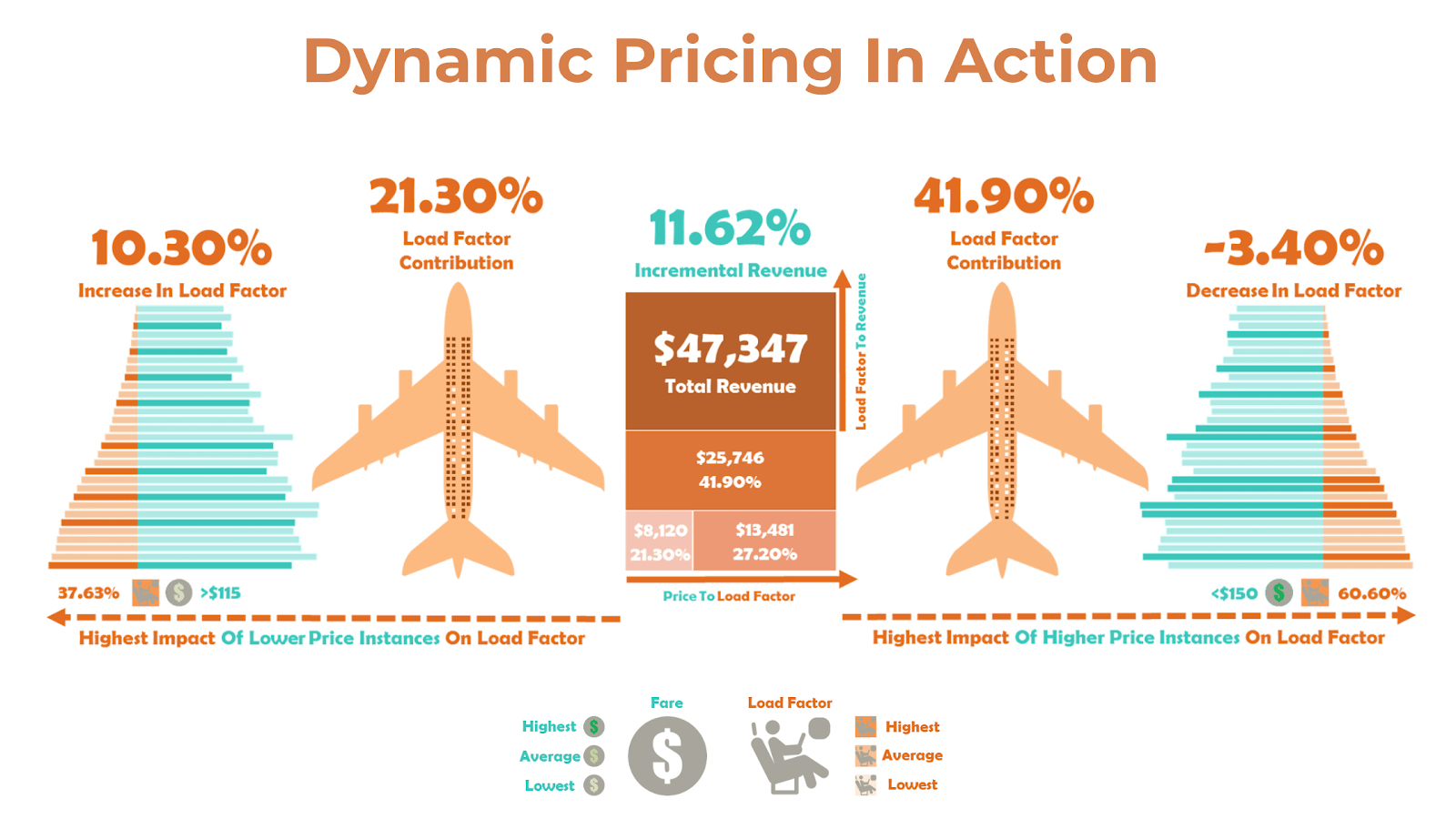
This dynamic pricing means that the price you see today might be different tomorrow, or even an hour from now. Airlines often segment their cabins into various “fare buckets,” each with a different price point. As cheaper fare buckets sell out, the system automatically moves to higher-priced ones. This system ensures that the first few seats sold might be very cheap to stimulate early bookings, while the last few seats are often very expensive to capture urgent demand.
Load Factors and Capacity Management: Filling Every Seat
Airlines obsess over “load factor,” which is the percentage of available seating capacity that is filled with paying passengers. A higher load factor generally means higher profitability. To achieve this, airlines employ intricate capacity management strategies:
-
Yield Management: The art and science of maximizing revenue from a fixed, perishable resource (a plane seat). This involves predicting consumer behavior at different price points.
-
Overbooking: Airlines sometimes sell more tickets than there are seats, anticipating that a certain percentage of passengers will miss their flight. While occasionally leading to involuntary denied boarding, it’s a strategy to ensure flights depart with as few empty seats as possible.
-
Route Optimization: Constantly evaluating which routes are most profitable and adjusting frequencies or aircraft types accordingly.
Understanding these internal mechanisms helps frame why finding cheap tickets isn’t just about luck, but about anticipating and reacting to these pricing strategies. By acting when demand is low and supply is relatively high (or when airlines are trying to stimulate demand), you position yourself for savings.
The Golden Windows: Best Times to Book for Maximum Savings
One of the most persistent questions in budget travel is: when should I buy my ticket? While algorithms make definitive statements tricky, extensive data analysis reveals clear “sweet spots” for booking that significantly increase your chances of securing cheaper fares. These windows are primarily driven by the airline’s desire to fill seats predictably without resorting to deep discounts too early or too late.
The “Sweet Spot” Booking Window: Finding the Optimal Lead Time
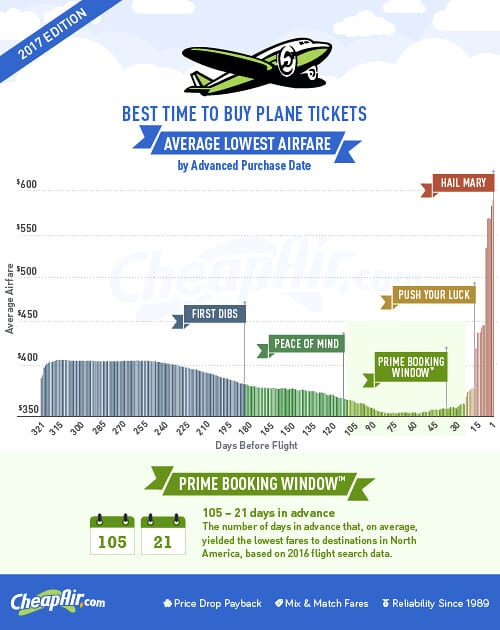
General consensus and historical data point to an optimal booking window that balances early bird discounts with the unpredictability of very late bookings.
-
Domestic Flights: For travel within your own country, the sweet spot typically falls between 1 to 3 months (4-12 weeks) before departure. Booking too early (6+ months out) might mean missing out on sales or adjustments, as airlines haven’t yet fine-tuned their demand forecasts. Booking too late, as discussed below, almost always results in higher prices.
-
International Flights: Due to higher demand, more complex logistics, and longer planning horizons for travelers, the window for international travel is usually wider: 3 to 6 months before departure. For very popular destinations or during peak seasons, extending this to 8-10 months might be beneficial.
These are general guidelines. Factors like destination popularity, seasonality, and specific airline sales can shift these windows slightly. The key takeaway is to avoid the extremes – don’t book too early that the airline hasn’t released all fare classes, and certainly don’t book too late when demand is confirmed and prices are inflated.
Avoiding Last-Minute Panics (and Premiums): Why Urgency Costs You
One of the most consistent truths in airline pricing is that last-minute bookings are almost invariably the most expensive. As the departure date approaches, remaining seats become scarcer, and airlines know that those booking late are often business travelers or individuals with urgent needs, who are less price-sensitive.
-
Within 14 Days of Departure: Prices typically surge dramatically. Airlines identify this period as critical for capturing high-yield business travelers.
-
Within 7 Days of Departure: Expect to pay premium rates, sometimes double or triple what you would have paid weeks or months earlier.
Unless you have an emergency or can exploit a very rare, specific last-minute error fare (which are incredibly uncommon and difficult to find reliably), do everything in your power to avoid booking within two weeks of your desired travel date. This financial discipline is paramount for budget travelers.
The Myth of Tuesday Bookings: A Nuanced Perspective
For years, the adage “book on Tuesday” permeated travel folklore, suggesting that airlines released their sales early in the week after weekend demand subsided. While there might have been a historical basis for this, in today’s dynamic pricing environment, the specific day of the week you book has significantly less impact than the lead time (how far in advance you book).
Airlines’ algorithms are constantly adjusting, and sales can be launched any day of the week. While it’s still a good idea to check prices regularly, don’t limit your search to Tuesdays. Focus instead on monitoring prices over weeks and months, utilizing price alerts, and being ready to act when you see a good deal, regardless of the day. The “best day to book” is often simply the day you find the lowest price within your optimal booking window.
Strategic Timing: Best Days to Fly and Avoid Peak Periods
Beyond when to book, when you choose to fly has an enormous impact on the price of your ticket. Aligning your travel dates with periods of lower demand can unlock significant savings, making your trip more financially viable. This often means being flexible with your itinerary and sometimes sacrificing convenience for cost efficiency.
Weekday Departures vs. Weekend Premiums: The Cost of Convenience
The most straightforward way to save money on airfare is to fly on days when fewer people want to travel.
-
Cheapest Days to Fly: Typically, Tuesdays, Wednesdays, and Saturdays (for domestic flights) are the cheapest days to fly. Mid-week (Tuesday and Wednesday) sees lower demand from both business travelers (who often fly out Monday and return Thursday/Friday) and leisure travelers (who prefer weekend departures/returns). Saturdays can sometimes be cheaper for domestic routes because business travel is minimal, and many leisure travelers prefer Sunday returns.
-
Most Expensive Days to Fly: Fridays and Sundays are almost always the most expensive days. Fridays mark the start of weekend getaways and business travel returns, while Sundays are peak for returning leisure travelers and those starting a new work week. Mondays are also often pricey for business travel.
If your schedule allows, shifting your departure or return by even a single day can result in substantial savings. Consider a Saturday-to-Tuesday trip instead of a Friday-to-Sunday.
Shoulder Seasons and Off-Peak Travel: The Savvy Traveler’s Secret
Timing your entire trip during “shoulder seasons” or “off-peak” periods is a cornerstone of budget travel.
-
Peak Season: These are times of highest demand (e.g., summer holidays, Christmas/New Year, spring break). Prices for flights and accommodation are at their absolute highest.
-
Shoulder Season: The periods immediately before and after peak season (e.g., April-May or September-October for many European destinations). The weather is often still pleasant, attractions are open, but crowds are thinner, and prices are significantly lower.
-
Off-Peak Season: The lowest demand periods (e.g., deep winter for many northern hemisphere destinations, or rainy season for tropical areas). While weather might be less ideal, prices are at their lowest, and you can experience destinations with fewer tourists.
Being flexible with when you travel can save you hundreds, if not thousands, of dollars. For instance, traveling to Europe in September instead of July, or to the Caribbean in November instead of March, can make a huge difference to your overall travel budget.
Avoiding Holiday and Event Surcharges: Plan Around the Crowds
Certain dates are universally expensive for travel due to major holidays or special events.
-
Major Holidays: Thanksgiving, Christmas, New Year’s, Easter, and often long holiday weekends (e.g., Memorial Day, Labor Day) see massive spikes in airfare. Everyone wants to travel simultaneously, and airlines capitalize on this predictable surge in demand.
-
Local Events: Be aware of major festivals, sporting events (Olympics, World Cup), or large conferences at your destination. These can drive up local flight and accommodation prices exponentially.
If you must travel during these periods, book even further in advance than the standard “sweet spot” (e.g., 6-12 months out for Christmas flights). Otherwise, consider traveling a few days before or after the absolute peak dates, or choose alternative destinations that aren’t experiencing a special event. Your financial planner would advise you to avoid these peak periods whenever possible.
Leveraging Tools and Tactics for Savvy Travelers
Beyond understanding the market dynamics and strategic timing, a proactive approach utilizing modern financial tools and smart booking tactics is crucial for consistently finding the cheapest plane tickets. The digital age provides an abundance of resources that, when used wisely, can turn the complex task of finding affordable flights into a manageable, even enjoyable, financial quest.
Price Comparison Websites and Aggregators: Your Digital Scout
These platforms are indispensable for any budget-conscious traveler. They scour hundreds of online travel agencies (OTAs) and airline websites to present you with a consolidated list of options.
-
Google Flights: Excellent for its calendar view showing prices across an entire month, making it easy to spot cheaper dates. It also has robust filtering options and allows you to track specific routes.
-
Skyscanner: Known for its “Everywhere” search function, which is perfect if you’re flexible on destination but want the cheapest flight possible from your origin. It also has a great “Cheapest Month” feature.
-
Kayak, Expedia, Priceline, etc.: These are good alternatives for cross-referencing prices. Remember that no single aggregator captures every single fare, so checking a few is often wise.
-
Direct Airline Websites: Always check the airline’s own website after finding a good deal on an aggregator. Sometimes, airlines offer exclusive fares or promotions not listed elsewhere, or the direct booking provides better terms (e.g., easier changes/cancellations).
Price Alerts and Tracking: Letting the Deals Come to You
Don’t spend hours refreshing browser tabs. Leverage technology to do the heavy lifting:
-
Set Up Alerts: Most comparison sites (Google Flights, Skyscanner, Kayak) allow you to set up price alerts for specific routes and dates. You’ll receive email notifications when the fare changes, allowing you to pounce on a good deal.
-
Utilize Fare Tracking Apps: Apps like Hopper use predictive analytics to advise you on whether to “buy now” or “wait,” predicting future price movements. While not foolproof, they can be a helpful guide.
-
Follow Deal Websites: Websites like The Flight Deal, Scott’s Cheap Flights (now Going), and Secret Flying specialize in finding error fares, flash sales, and heavily discounted routes. Signing up for their newsletters can alert you to incredible, often fleeting, opportunities.
Flexible Dates and Destinations: The Ultimate Money-Saving Mindset
The single greatest advantage a leisure traveler has over a business traveler is flexibility.
-
Flexible Dates: As discussed earlier, shifting your travel by a day or two can save hundreds. When searching, always select “flexible dates” or use the calendar views offered by aggregators to see the cheapest days around your desired period.
-
Flexible Destinations: If your primary goal is simply to “get away” or “explore,” rather than visit a specific place, searching for flights to “Everywhere” from your home airport can reveal incredibly cheap tickets to unexpected destinations. This “deal first, destination second” approach is a goldmine for budget travelers.
-
Consider Nearby Airports: Don’t limit yourself to your closest major airport. Check prices from alternative airports within a reasonable driving distance, as different airports can have vastly different fare structures due to competition or hub status.
Incognito Mode and VPNs: Myth vs. Reality
A common piece of advice is to use incognito mode or a VPN when searching for flights, based on the belief that websites track your searches and increase prices on subsequent visits.
-
Incognito Mode: While incognito mode (or clearing cookies) prevents your browser history from being saved and helps prevent some personalization of ads, there’s little evidence it directly leads to higher prices for flight searches. Airline pricing is too dynamic and complex to be manipulated solely by individual cookie tracking. However, it doesn’t hurt to use it, just in case, or simply to start with a fresh search.
-
VPNs: Using a Virtual Private Network (VPN) to appear as if you’re searching from a different country can occasionally yield different prices, especially if an airline offers region-specific fares. However, this is not a consistent strategy and can sometimes lead to issues with booking or payment if the airline’s system flags it. It’s an advanced tactic with limited, unpredictable returns for most standard searches. Focus on the core strategies first.
Budget Airlines vs. Full-Service Carriers: Understanding the Trade-Offs
When comparing prices, it’s crucial to understand what’s included. Budget airlines (e.g., Spirit, Frontier, Ryanair, EasyJet, AirAsia) often show incredibly low base fares.
-
Hidden Costs: These airlines typically charge extra for everything: checked luggage, carry-on bags (beyond a small personal item), seat selection, priority boarding, in-flight meals/drinks, and even printing your boarding pass at the airport.
-
The “True Cost”: Always calculate the “true cost” of a budget airline ticket by adding all the extras you anticipate needing. Sometimes, a seemingly more expensive full-service carrier might end up being cheaper or offer better value once all the fees are factored in, especially if you need to check a bag.
-
Legroom and Amenities: Budget airlines often have tighter seating configurations and fewer amenities. Be prepared for a more basic travel experience.
Loyalty Programs and Credit Card Rewards: Turning Spending into Flights
Smart financial planning extends beyond just finding cheap flights; it involves leveraging your existing spending.
-
Airline Loyalty Programs: Sign up for frequent flyer programs, even if you don’t fly often. Accumulating miles/points from occasional flights can eventually lead to discounted or free tickets.
-
Travel Credit Cards: Many credit cards offer substantial sign-up bonuses (miles or points) and ongoing rewards for travel-related spending. Using these cards strategically for your everyday expenses can quickly accumulate enough points for free flights. Be mindful of annual fees and interest rates, and always pay your balance in full to avoid debt.
-
Hotel Points Conversion: Some hotel loyalty programs allow you to convert points into airline miles, which can be useful if you have a surplus of hotel points.
By integrating these tools and tactics into your travel planning process, you move beyond mere hope and into a realm of calculated financial advantage, making cheap flights a consistent reality rather than a rare stroke of luck.
Conclusion
The quest for the cheapest plane tickets is an ongoing journey, but one that can be significantly demystified and optimized with the right knowledge and tools. There isn’t a single magical day or time that guarantees rock-bottom prices, but rather a strategic interplay of understanding airline pricing dynamics, precise timing, and leveraging modern financial and digital resources.
By recognizing the algorithms at play, booking within the optimal “sweet spot” window (typically 1-3 months for domestic, 3-6 months for international), and avoiding last-minute bookings, you lay a solid financial foundation for savings. Furthermore, embracing flexibility in your travel dates and destinations, opting for mid-week departures, and traveling during shoulder or off-peak seasons can unlock even greater value.
Don’t forget to harness the power of price comparison websites, set up alerts, and explore the benefits of loyalty programs and travel credit cards. While the “Tuesday myth” may persist, the reality is that consistent monitoring and readiness to act when a good deal appears are far more effective.
In an era of dynamic pricing, the most successful budget travelers are those who are proactive, informed, and financially savvy. Armed with this guide, you are now better equipped to navigate the complexities of airfare, ensuring your next adventure is not only memorable but also remarkably affordable. Happy travels, and may your financial planning lead you to many spectacular destinations without breaking the bank!
aViewFromTheCave is a participant in the Amazon Services LLC Associates Program, an affiliate advertising program designed to provide a means for sites to earn advertising fees by advertising and linking to Amazon.com. Amazon, the Amazon logo, AmazonSupply, and the AmazonSupply logo are trademarks of Amazon.com, Inc. or its affiliates. As an Amazon Associate we earn affiliate commissions from qualifying purchases.