
For many, the dream of exploring new horizons or revisiting beloved destinations often collides with the stark reality of airfare costs. Flights represent a significant portion of any travel budget, and the fluctuating prices can feel like a game of chance, often leaving travelers wondering if they’ve truly secured the best deal. This uncertainty can deter even the most enthusiastic adventurers, pushing travel goals further down the financial priority list.
However, the world of airfare pricing is not entirely random. It operates on predictable patterns influenced by supply, demand, seasonality, and sophisticated algorithmic pricing models. Understanding these underlying financial dynamics is the first step toward becoming a more astute traveler, allowing you to unlock significant savings that can be redirected towards experiences, better accommodation, or even additional trips. This comprehensive guide delves into the optimal times to book and fly, equipping you with the knowledge and financial strategies needed to consistently find cheaper flights and make your travel aspirations a more affordable reality. By aligning your travel plans with the ebb and flow of airline pricing, you transition from merely hoping for a good deal to actively engineering one, transforming your approach to personal finance and travel alike.
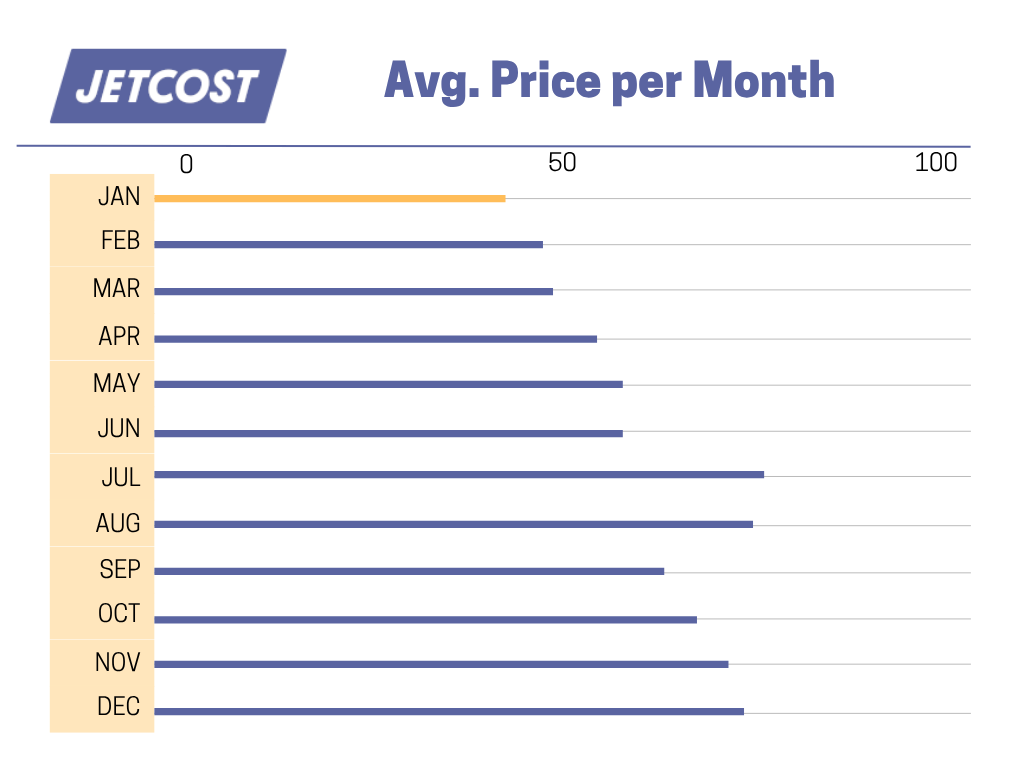
Understanding the Seasonal Rhythms of Airfare
The price of an airline ticket is deeply intertwined with the calendar, reflecting global travel patterns, holiday schedules, and even weather. Recognizing these seasonal rhythms is fundamental to identifying the periods when airlines are most likely to offer more attractive fares due to lower demand.
The Golden Months: Off-Peak Travel Windows
Certain times of the year consistently emerge as more budget-friendly for air travel, primarily because they fall outside major holiday periods or traditional vacation seasons. These are the “golden months” for cost-conscious travelers:
-
January and February: Following the expensive Christmas and New Year’s travel rush, demand typically plummets in the immediate aftermath. Schools are back in session, and many individuals have spent their disposable income during the holidays. This creates a lull, pushing airlines to lower prices to fill seats. Destinations that are typically warm (e.g., Caribbean, Mexico) might see a slight premium compared to domestic flights to colder climates, but overall, it’s a prime time for savings across the board. The post-holiday slump extends into early February, making these weeks an excellent window for those looking to escape winter’s chill or simply grab a bargain.
-
September and Early October: After the bustling summer vacation period, and before the onset of Thanksgiving and Christmas travel, another significant dip in demand occurs. Families are settling back into school and work routines, leading to a noticeable decrease in leisure travel. This post-summer, pre-holiday sweet spot is ideal for adults or those with flexible schedules. European destinations, which are often at their peak in summer, see considerable price drops in September as the weather remains pleasant but crowds thin out. Similarly, domestic travel also becomes significantly more affordable, offering an excellent opportunity for weekend getaways or longer trips without the hefty summer price tag.
These periods are characterized by a confluence of factors: reduced leisure demand, fewer school breaks, and a general cooling of the travel market. For travelers with flexibility, aligning their trips with these off-peak windows can result in substantial financial savings, allowing their travel budget to stretch considerably further.
Peak Season Pitfalls: When to Avoid Booking
Just as there are optimal times to fly, there are periods notorious for sky-high airfares. These peak seasons are driven by universal demand factors, making them financially challenging for budget travelers.
-
Summer (June-August): This is universally the most expensive time to fly, especially to popular tourist destinations. School holidays across many Western countries mean families are eager to travel, leading to a surge in demand that airlines capitalize on. Destinations in Europe, North America, and popular coastal regions see their prices peak. Booking during this period often means paying a significant premium, not just on flights but also on accommodation and activities.
-
Major Holidays (Thanksgiving, Christmas, New Year’s, Spring Break): These specific holiday windows see concentrated travel periods, where millions of people travel simultaneously to be with family or take advantage of time off. Airlines are well aware of this inelastic demand and adjust prices accordingly. Booking flights around these times can easily double or even triple the cost compared to off-peak periods. Spring break, typically occurring in March or April, also creates localized demand spikes for popular student destinations, driving up prices significantly for those specific routes.
-
Shoulder Seasons: A Strategic Compromise: For those who can’t commit to the dead of winter or late fall, shoulder seasons offer a valuable compromise. Late spring (April/May, avoiding Spring Break) and late fall (late October/early November, avoiding major holidays) often provide a balance of pleasant weather and moderate prices. While not as cheap as the absolute off-peak months, they offer better value than peak season, with fewer crowds and often more comfortable temperatures than the extreme ends of winter or summer.
Understanding these peak periods is crucial for financial planning. If your travel dates are truly inflexible and fall within these times, prepare to allocate a larger portion of your budget to airfare. Alternatively, consider adjusting your destination to a less popular locale during these busy times to potentially mitigate costs.
The Impact of Destination-Specific Seasons
While general global trends exist, the “cheapest month” can also be highly specific to your chosen destination. Local events, weather patterns, and regional holidays play a significant role in price fluctuations.
-
Tropical Destinations: For places like the Caribbean, Southeast Asia, or Florida, the “peak” might correspond with their dry season or cooler months (e.g., December-April in the Caribbean) and conversely, the “cheapest” months might align with their rainy or hurricane seasons (e.g., June-November in the Caribbean). While travel during these riskier times can be significantly cheaper, it comes with a trade-off in terms of weather reliability.
-
European Cities: Many European cities are busiest and most expensive from May to September. However, travel in the depths of winter (November-February, excluding Christmas/New Year’s) can be dramatically cheaper, offering a different, often charming, experience with fewer tourists, albeit with colder weather and shorter daylight hours.
-
Ski Destinations: Conversely, ski resorts will be at their peak pricing during winter months when snow conditions are best, and significantly cheaper in the off-season.
Always research the specific seasonality of your desired destination beyond just the general global trends. A quick search for “best time to visit [destination]” will often reveal insights into weather, crowds, and local events that impact pricing, allowing you to make a more informed financial decision. Being flexible with your destination based on which places offer better value during your desired travel window is a powerful financial strategy.
Beyond the Calendar: Strategic Booking Tactics for Maximum Savings
While understanding seasonal trends is vital, securing the lowest airfare also requires strategic booking practices that leverage airline pricing mechanisms. It’s not just when you fly, but also when and how you book that can lead to significant financial advantages.
The “Sweet Spot” for Booking in Advance
Airlines employ sophisticated dynamic pricing models that constantly adjust fares based on demand, remaining seats, and competitive analysis. There’s a widely observed “sweet spot” for booking, where fares are often at their lowest before rising closer to the departure date.
-
Domestic Flights: For travel within your own country, the general consensus suggests booking between 1 to 3 months prior to your departure date. Within this window, airlines often offer competitive fares to attract early bookings without penalizing last-minute planners too heavily. Beyond three months, prices can sometimes be higher as airlines test the market, and closer than a month, prices typically begin to escalate sharply as remaining seats become scarce.
-
International Flights: For overseas travel, the booking window expands considerably. Aim to book international flights between 2 to 8 months in advance. The longer lead time is necessary due to the higher stakes for airlines (longer routes, more complex logistics) and the greater planning required by travelers. Booking too far out (e.g., a year in advance) can sometimes result in higher prices as airlines haven’t finalized their full fare structures. Waiting until the last minute (within a few weeks) for international travel is almost always a costly mistake, as last-minute international deals are exceedingly rare and risky.
It’s important to note that these are general guidelines, and exceptions exist. Popular routes or times (e.g., school holidays) might require booking at the earlier end of the spectrum, or even slightly before. Flexibility remains key, as small adjustments to your departure or return date can often bring you back into the sweet spot for better pricing.
Day of the Week Matters: When to Book and When to Fly
Airline pricing isn’t just about months; it also drills down to the specific day of the week for both booking and flying. These micro-trends can offer additional avenues for saving money.
-
Booking Days: Many travel experts suggest that the cheapest day to book flights is often Tuesday or Wednesday. The theory behind this is that airlines release their weekly sales on Monday evenings or Tuesday mornings, and competitor airlines quickly match those lower prices. By mid-week, the market has settled on the lowest available fares for those sales. By Thursday or Friday, some of these lower fares might start to disappear as weekend travel planning begins to pick up.
-
Flying Days: The cheapest days to fly are generally Tuesday, Wednesday, and Saturday.
-
Mid-week flights (Tuesday-Thursday): These days see lower business travel demand compared to Mondays and Fridays, and lower leisure travel demand compared to weekends. This reduction in overall passenger volume often translates into more affordable fares.
-
Saturday flights: While part of the weekend, Saturday often sees lower demand than Sunday, which is a major return-to-home day for many weekend trips. If you can shift your weekend getaway to depart on a Saturday morning and return on a Monday morning (or a later Saturday), you might find better prices.
-
Avoid Fridays and Sundays: These are almost universally the most expensive days to fly due to high demand from both business travelers starting/ending their week and leisure travelers beginning/ending their weekend trips.
-
-
Time of Day: Early morning (before 8 AM) and late-night (after 9 PM) flights also tend to be cheaper than mid-day options. These inconvenient timings deter many travelers, leaving more seats available at lower prices.
By strategically planning both when you search and when you intend to fly, you can further optimize your financial savings on airfare, turning minor adjustments into tangible budget benefits.
Leverage Price Tracking Tools and Alerts
In the dynamic world of airfare, prices change constantly. Manually checking every airline and travel site daily is impractical and inefficient. This is where modern financial tools, specifically flight price trackers, become invaluable assets.

-
How They Work: Popular tools like Google Flights, Skyscanner, Hopper, Kayak, and Expedia allow you to set up price alerts for specific routes and dates. Once activated, these services monitor fare fluctuations and send you notifications via email or app when prices drop to a desired level or significantly change. This passive approach ensures you don’t miss out on a good deal without constant vigilance.
-
Benefit of Flexibility: These tools truly shine when you have some flexibility with your travel dates or even destinations. Google Flights’ “Explore” feature, for instance, allows you to input your departure airport and a general timeframe, then shows you the cheapest destinations around the world, opening up possibilities you might not have considered. Skyscanner’s “Everywhere” option functions similarly, helping you discover the most budget-friendly places to fly to from your location.
-
Predictive Analytics (Hopper): Some apps, like Hopper, even go a step further by using predictive analytics to advise you whether to book now or wait, based on historical data and anticipated future price movements. While not infallible, this can be a powerful aid in making timely financial decisions.
Integrating these price tracking tools into your travel planning process is a non-negotiable step for any savvy traveler. They automate the arduous task of price monitoring, allowing you to focus on other aspects of your trip while ensuring you’re alerted to the best financial opportunities when they arise. This proactive approach ensures you’re always in the loop regarding potential savings.
Unlocking Hidden Savings: Advanced Strategies for Frugal Flyers
Beyond the general timing and booking strategies, there are several advanced tactics that financially astute travelers employ to further drive down the cost of flights. These often involve a degree of flexibility and a willingness to think outside the traditional travel box.
The Power of Flexible Dates and Destinations
One of the most potent financial tools in a traveler’s arsenal is flexibility. The more adaptable you are with when and where you go, the greater your chances of finding exceptional deals.
-
“Everywhere” or “Explore” Search Features: As mentioned, tools like Google Flights and Skyscanner offer features that allow you to search for the cheapest destinations from your departure airport during a broad date range. This can uncover unexpected and affordable trips, leading you to places you might not have initially considered but which offer tremendous value. Instead of deciding where to go and then finding the flights, you let the flight prices dictate your destination.
-
Adjusting Dates by a Day or Two: Even shifting your departure or return date by a single day can sometimes result in significant savings, particularly if it moves you from a peak flying day (like a Friday or Sunday) to a cheaper mid-week option. Always check the prices for days immediately surrounding your ideal dates.
-
Considering Alternative Airports: Major cities often have multiple airports. Flying into or out of a smaller, secondary airport (e.g., Newark instead of JFK for NYC, or Stansted instead of Heathrow for London) can sometimes be considerably cheaper, even after factoring in the cost and time of ground transportation. Broaden your search to include nearby airports for both your origin and destination.
-
Connecting Flights vs. Direct: While direct flights are convenient, they are almost invariably more expensive. Opting for a flight with one or more layovers can often lead to substantial savings. Just be mindful of layover times and ensure you have enough buffer, especially for international connections.
-
“Hidden City” Ticketing (Skiplagging): This is a more advanced and somewhat controversial strategy where you book a flight with a layover in your actual desired destination, but the final destination is further along the route. You then simply get off at the layover city and don’t complete the final leg. While this can yield significant savings, it comes with risks: you can only bring carry-on luggage (checked bags will go to the final destination), you risk being banned by the airline, and if the airline reroutes your flight, your plan falls apart. This strategy is generally not recommended for the average traveler due to its complexity and potential repercussions from airlines, focusing instead on more universally accepted money-saving tactics.
Embracing flexibility empowers you to respond to the market rather than being dictated by it, turning flight searches into a treasure hunt for financial value.
Budget Airlines and Ancillary Fees
Budget airlines have revolutionized air travel by offering extremely low base fares. However, the financial benefit hinges on understanding their business model, which relies heavily on ancillary fees.
-
Understanding the True Cost: Airlines like Ryanair, Spirit, Frontier, and EasyJet excel at offering attractive headline prices. But these prices often only include the bare minimum: a seat and a small personal item. Every additional service typically incurs a fee:
-
Checked Baggage: Can easily add $30-$60 per bag, each way.
-
Carry-on Baggage: Many budget airlines charge for anything larger than a small personal item that fits under the seat.
-
Seat Selection: If you want to choose your seat, especially for companions, expect to pay extra.
-
In-flight Refreshments: Food and drinks are almost always sold at a premium.
-
Printing Boarding Passes: Some budget airlines charge a fee if you don’t check-in online and print your own boarding pass or use their app.
-
-
When Budget Airlines Make Financial Sense:
-
Short trips with minimal luggage: If you can truly travel with just a personal item.
-
Solo travelers: Who don’t mind not sitting next to someone specific.
-
Routes with no direct competition: Sometimes a budget airline is the only option or significantly cheaper, even with fees.
-
Comparison is Key: Always calculate the total cost including all potential fees when comparing a budget airline fare with a traditional airline’s fare. Often, once baggage and seat selection are added, the “cheap” budget airline might end up being just as expensive, or even more so, than a full-service carrier.
-
For the financially savvy traveler, budget airlines are a tool to be used judiciously. They offer incredible value under the right circumstances, but a failure to account for all potential fees can quickly erode any perceived savings, leading to an unexpectedly expensive trip.
The Art of Incognito Browsing and VPNs (Debunking/Explaining)
There’s a persistent rumor that airlines and online travel agencies (OTAs) track your browsing history and increase prices for routes you’ve repeatedly searched. While the direct evidence for this is inconclusive and often anecdotal, it’s a topic worth addressing from a financial security perspective.
-
Incognito/Private Browsing: Using incognito mode (Chrome), private browsing (Firefox/Safari), or clearing your browser’s cookies before searching for flights can prevent websites from accessing your past browsing data stored on your device. While it’s unlikely to drastically change prices in real-time based on your immediate searches, it ensures you’re always viewing a fresh, untainted search result, removing any potential for pricing based on your digital footprint on that specific device. It’s a simple, free precaution that offers peace of mind without any downside.
-
VPNs (Virtual Private Networks): A VPN changes your apparent geographical location by routing your internet traffic through a server in a different country. The theory is that airlines might offer different prices based on the user’s perceived country of origin, or that certain sales might be regionally targeted. While VPNs can sometimes reveal marginal price differences for flights, this strategy is far from a guaranteed money-saver for airfare. It’s more commonly effective for things like software subscriptions or streaming services. For flights, the price variations are often negligible or non-existent, and the process can add complexity. For the average traveler focused on maximizing financial savings, the effort might not justify the limited, if any, return.
In summary, while using incognito mode is a harmless and advisable practice for general online privacy, relying on VPNs for significant flight savings is largely speculative and often yields minimal financial benefits. Focus your energy on the proven strategies of timing, flexibility, and price tracking.
Financial Tools and Mindset for Smart Travel Planning
Ultimately, finding cheap flights isn’t just about tactical booking; it’s an integral part of a broader financial strategy for smart travel. A holistic approach that integrates budgeting, leveraging financial products, and adopting a savings mindset will lead to the most consistent and substantial financial rewards.
Budgeting for Your Trip: A Core Financial Practice
Before you even begin searching for flights, a fundamental step for any financially responsible traveler is to establish a realistic travel budget. This isn’t just about knowing how much you can spend, but actively allocating funds to ensure your trip is enjoyable without incurring financial stress.
-
Comprehensive Cost Estimation: A travel budget should encompass more than just flights. Consider accommodation, ground transportation (taxis, public transit, car rental), food, activities, travel insurance, visa costs, and a buffer for unexpected expenses.
-
Prioritizing Expenses: Decide what aspects of your trip are most important to you. Are you willing to compromise on accommodation to afford a pricier flight to a dream destination, or vice versa? Understanding these priorities helps in allocating your financial resources effectively.
-
Dedicated Savings: Set up a separate savings account specifically for travel. Regularly contributing a fixed amount from each paycheck makes travel goals tangible and prevents impulse spending from derailing your plans. Seeing your “travel fund” grow is a powerful motivator.
-
Tracking Expenses: During your trip, track your spending. This helps you stay within your budget and provides valuable data for future travel planning, allowing you to refine your cost estimates over time.
A well-defined budget acts as your financial roadmap, guiding your decisions and ensuring that your pursuit of cheap flights fits into a larger, sustainable financial picture. It’s the bedrock of stress-free travel.
Credit Card Rewards and Miles Programs
For those who manage credit responsibly, travel credit cards and airline loyalty programs can be powerful financial tools for reducing the effective cost of flights.
-
Sign-Up Bonuses: Many travel credit cards offer substantial sign-up bonuses (e.g., 50,000-100,000 points/miles) after meeting an initial spending requirement. These bonuses alone can often cover the cost of one or more flights. Strategically applying for these cards when planning a major trip can be a game-changer.
-
Earning Rewards on Everyday Spending: Using travel-focused credit cards for your regular purchases allows you to accumulate points or miles that can be redeemed for flights. Look for cards that offer bonus points on categories where you spend the most (e.g., dining, groceries, gas).
-
Airline Loyalty Programs: Join every airline’s frequent flyer program, even if you don’t fly often. Points can accumulate from various sources beyond flying (e.g., credit card transfers, shopping portals). These programs often provide perks like free checked bags, priority boarding, or upgrades, which can also save money and enhance your travel experience.
-
Understanding Redemption Values: Not all points or miles are created equal. Research the best ways to redeem your rewards to maximize their financial value. Sometimes, transferring points to a partner airline offers better value than redeeming directly.
-
The Golden Rule: Avoid Debt: Crucially, credit card rewards should never come at the expense of incurring interest. Only pursue these strategies if you can consistently pay off your balance in full each month. The interest fees will quickly outweigh any benefits from miles or points, turning a financial advantage into a costly burden.
Used wisely, credit card rewards and loyalty programs transform your everyday spending into future travel opportunities, effectively subsidizing your flights and making luxurious experiences financially accessible.

The Long-Term Financial Benefits of Savvy Travel
Mastering the art of finding cheaper flights is more than just saving a few dollars on a single trip; it’s about cultivating a financially intelligent approach to life that yields long-term benefits.
-
More Travel for Your Money: By consistently saving on flights, you can either travel more frequently or allocate your saved funds to enhance other aspects of your trip, leading to richer experiences.
-
Reduced Financial Stress: Knowing you’ve secured the best possible price for airfare removes a significant source of anxiety, allowing you to enjoy the anticipation and the trip itself without worrying about overspending.
-
Investment in Experiences: Travel is an investment in personal growth, education, and well-being. By making it more affordable, you make this vital investment more accessible and sustainable over the long term, creating memories and broadening your perspective without breaking the bank.
-
Improved Financial Discipline: The strategies required to find cheap flights – planning, budgeting, comparing, and being flexible – are transferable skills that enhance your overall personal financial management. They foster a disciplined mindset that benefits all areas of your financial life.
In conclusion, while there isn’t one single “cheapest month” that applies universally, understanding the seasonal ebb and flow of demand, coupled with strategic booking tactics and a strong financial mindset, empowers you to consistently find excellent deals. By integrating these insights into your travel planning, you not only make your travel dreams more affordable but also reinforce sound financial practices that serve you well beyond your next adventure. The world awaits, and with smart financial planning, it’s more accessible than ever before.
aViewFromTheCave is a participant in the Amazon Services LLC Associates Program, an affiliate advertising program designed to provide a means for sites to earn advertising fees by advertising and linking to Amazon.com. Amazon, the Amazon logo, AmazonSupply, and the AmazonSupply logo are trademarks of Amazon.com, Inc. or its affiliates. As an Amazon Associate we earn affiliate commissions from qualifying purchases.