
Las Vegas, the “Entertainment Capital of the World,” beckons millions each year with its dazzling lights, world-class entertainment, and vibrant atmosphere. Whether you’re planning a weekend getaway, a bachelor/bachelorette party, a business conference, or a once-in-a-lifetime vacation, one of the first and most critical questions you’ll face is: “How much will it cost to get there?” The price of a plane ticket to Vegas is rarely a fixed sum, fluctuating wildly based on a myriad of factors. Understanding these dynamics and employing smart financial strategies can make the difference between an affordable adventure and an unexpectedly hefty expense. This guide delves into the financial intricacies of Vegas airfare, offering insights and actionable advice to help you budget effectively and secure the best possible deal.
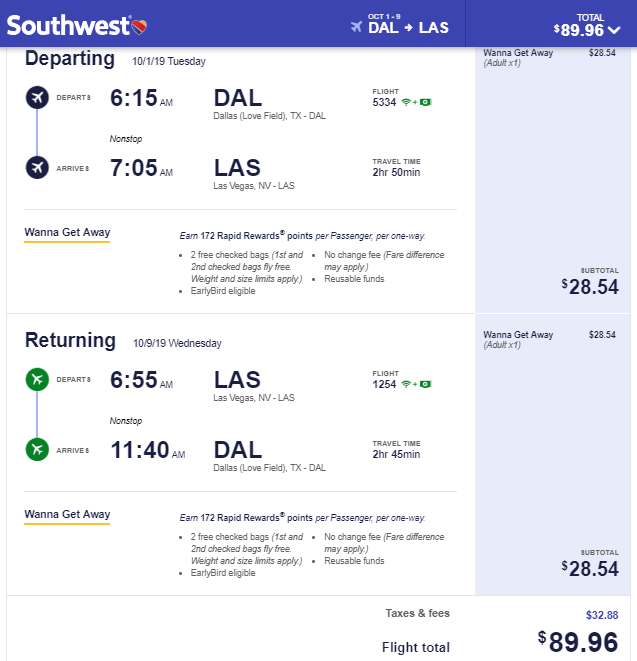
Understanding the Dynamics of Vegas Airfare
To truly grasp “how much” a plane ticket to Vegas costs, one must first appreciate the complex interplay of forces that dictate airline pricing. It’s not a simple calculation but a sophisticated algorithm influenced by supply, demand, timing, and a host of external factors.
The Illusion of a Fixed Price
Unlike a fixed-price item in a store, airline tickets are highly perishable and their value constantly shifts. What you pay today might be drastically different from what someone else paid yesterday or what you’d pay tomorrow. This variability is a cornerstone of airline revenue management, aiming to maximize profit per flight by adjusting prices in real-time. There isn’t a “standard” price for a flight to Las Vegas; instead, there’s a spectrum of possibilities determined by numerous variables.
Key Factors Influencing Ticket Prices
Several critical elements collectively shape the price tag of your flight to Las Vegas, each offering an opportunity for savvy travelers to save money.
-
Time of Year (Seasonality): Vegas experiences distinct peak and off-peak seasons. Major holidays (e.g., New Year’s Eve, Super Bowl weekend, Spring Break, Christmas), large conventions (e.g., CES), and summer months often see a surge in demand and, consequently, prices. Conversely, periods like late August/early September or parts of winter (excluding major holidays) can offer lower fares as demand cools.
-
Day of the Week & Time of Day: Flying on Tuesdays, Wednesdays, and sometimes Saturdays often yields cheaper fares compared to peak travel days like Fridays and Sundays. Early morning or late-night flights can also be more economical as they are less convenient for most travelers.
-
Booking Window: The “sweet spot” for booking flights typically falls between 1 to 3 months in advance for domestic travel. Booking too early (4+ months out) might mean paying higher initial prices, while booking too late (within a few weeks) usually results in inflated last-minute fares as availability dwindles.
-
Departure City: Flying from a major airline hub (e.g., Los Angeles, Chicago, Dallas, New York) with direct flights and higher competition generally means more affordable options than departing from smaller regional airports that might require connecting flights and have fewer carriers.
-
Airline Choice: The airline you choose significantly impacts the price. Budget carriers (e.g., Spirit, Frontier, Allegiant) often advertise incredibly low base fares, while full-service airlines (e.g., Delta, United, American, Southwest) tend to have higher base prices but may include amenities like checked baggage, seat selection, and in-flight entertainment.
-
Flight Class: Economy is the standard, but premium economy, business class, and first class offer enhanced comfort and services at a much higher price point, appealing to those willing to spend more for a luxurious travel experience.
-
Demand & Supply: Beyond general seasonality, specific events in Las Vegas (concerts, championship fights, major sporting events) can create micro-surges in demand, driving up flight prices irrespective of the time of year or day of the week.
Typical Price Ranges: What to Expect
While a definitive single price is elusive, understanding typical price ranges based on the factors above can help set realistic expectations and inform your budgeting. These figures are illustrative and can vary significantly based on your origin city.
Budget-Friendly Fares
For travelers prioritizing cost savings, finding flights in the $50-$150 range (roundtrip) is possible, especially from major hubs on the West Coast or nearby regions. This usually involves:
-
Flying on budget airlines (Spirit, Frontier, Allegiant).
-
Booking well in advance during off-peak times.
-
Being flexible with dates and times.
-
Accepting potential trade-offs like early morning departures or late-night arrivals, and likely paying extra for baggage or seat selection.
-
For longer cross-country flights, a budget-friendly fare might be closer to $100-$250 roundtrip.
Mid-Range Options
Most travelers will likely find themselves in the $200-$400 range (roundtrip). This typically allows for:
-
Flights on full-service carriers or budget airlines with some add-ons.
-
More convenient flight times or slightly better booking flexibility.
-
Departures from medium-sized cities or during shoulder seasons (just before or after peak).
-
This range represents a good balance between cost and convenience for many.
Premium and Peak Travel Costs
When demand is high – during major holidays, conventions, or if you’re booking last minute – prices can easily jump to $400-$800+ for an economy roundtrip ticket.
-
Booking a business or first-class ticket, even during off-peak times, can range from $500-$1500+ depending on the route and airline.
-
These higher prices are often a result of scarcity or the premium associated with convenience, comfort, or travel during high-demand periods.
The Impact of Add-ons
It’s crucial to remember that the advertised base fare, especially from budget airlines, often doesn’t tell the whole story. Many airlines unbundle services, charging extra for:
-
Checked Baggage: Typically $30-$70 per bag, per direction.
-
Carry-on Bags: Some budget airlines charge for overhead bin space.
-
Seat Selection: To guarantee a specific seat or aisle/window.
-
In-flight Amenities: Food, drinks, Wi-Fi.
-
These add-ons can quickly inflate a seemingly cheap ticket, making a “budget” flight potentially more expensive than a standard fare on a full-service carrier that includes some of these benefits. Always calculate the total cost, including all desired services, when comparing options.
Smart Money Strategies for Saving on Vegas Flights
Saving money on plane tickets to Las Vegas isn’t just about luck; it’s about employing strategic financial planning and utilizing available tools.
The Golden Rule of Flexibility

Flexibility is your greatest asset in the quest for cheaper airfare. If your travel dates are malleable, you stand a much better chance of snagging a deal.
-
Dates: Use “flexible date” search options on flight aggregators to see prices across an entire month.
-
Days of the Week: Aim for midweek travel (Tuesday-Thursday) and avoid Fridays and Sundays if possible.
-
Times: Consider early morning or late-night flights, which are often less expensive.
-
Airports: If you live near multiple airports, check fares from each. Even considering a slightly longer drive to a larger hub could yield significant savings.
Leveraging Price Comparison Tools and Alerts
Modern financial tools have revolutionized the way we find flight deals.
-
Google Flights, Skyscanner, Kayak, Expedia, Priceline: These aggregators search across multiple airlines and online travel agencies (OTAs), allowing you to compare prices efficiently. Use their calendar views and “explore” features to find the cheapest dates and destinations.
-
Hopper, Airfarewatchdog, FareCompare: These apps and websites offer predictive analytics, advising you on the best time to buy and setting up price alerts. Once you have a target destination and date range, set up alerts to be notified when prices drop. This eliminates the need for constant manual checking and ensures you don’t miss a good deal.
-
Airline Direct Websites: Always check the airline’s own website directly, even after finding a deal on an aggregator. Sometimes, they offer exclusive fares or better terms (e.g., no booking fees).
Timing Your Purchase: When to Buy
While there’s no magic formula, historical data suggests a “sweet spot” for booking domestic flights to be roughly 1 to 3 months before your departure date.
-
Avoid Last-Minute: Booking within two weeks of departure almost always results in higher prices.
-
Don’t Book Too Early: Airlines sometimes release initial higher fares, then adjust downwards as they gauge demand.
-
Consider “Flash Sales”: Sign up for airline newsletters and follow travel deal websites (e.g., The Flight Deal, Scott’s Cheap Flights) for limited-time promotions.
Considering Budget Airlines (and their caveats)
Airlines like Spirit, Frontier, and Allegiant consistently offer some of the lowest base fares to Las Vegas. However, it’s crucial to understand their business model.
-
Pros: Significantly lower advertised prices, especially for short-haul flights.
-
Cons: These airlines make money through extensive fees for “extras” that are standard on full-service carriers. Be prepared to pay for checked bags, carry-on bags (yes, even for the overhead bin), seat selection, printing your boarding pass at the airport, and even water on board.
-
Financial Consideration: Always add up ALL potential fees when comparing a budget airline’s base fare against a full-service carrier’s total price. Sometimes, the “cheap” option ends up being more expensive or offers a significantly less comfortable experience for similar money.
Points, Miles, and Credit Card Rewards
For financially astute travelers, leveraging loyalty programs and credit card rewards can lead to significantly reduced or even free flights.
-
Airline Loyalty Programs: Accumulate miles by flying frequently with a specific airline or its partners. These miles can be redeemed for future flights.
-
Travel Rewards Credit Cards: Many credit cards offer substantial sign-up bonuses in points or miles, as well as ongoing rewards for spending. These points can often be transferred to airline partners or used to book travel directly through the card issuer’s portal.
-
Strategic Spending: Use your rewards credit card for everyday expenses to accrue points faster, then strategically redeem them for your Vegas flights. This is a powerful financial tool for reducing travel costs.
Package Deals
Sometimes, bundling your flight with hotel accommodation can unlock greater savings than booking each component separately.
-
Online Travel Agencies (OTAs): Websites like Expedia, Orbitz, and Priceline often offer package deals for flight+hotel to Las Vegas.
-
Hotel Websites: Many major hotel chains in Vegas also offer flight+hotel packages directly through their websites, sometimes including additional perks like resort credits.
-
Financial Advantage: These bundles leverage bulk purchasing power and can be particularly beneficial if you’re staying for multiple nights and don’t have existing hotel loyalty points to use.
Beyond the Ticket: Budgeting for Your Vegas Trip
While plane tickets are a significant expense, they are just one component of your overall Vegas budget. A holistic financial plan ensures you enjoy your trip without financial stress.
Accommodation Considerations
Las Vegas offers a vast array of hotels, from budget-friendly motels off the Strip to luxurious five-star resorts. Your choice here will heavily influence your total spending. Factor in:
-
Resort Fees: Most Strip hotels charge mandatory daily resort fees (typically $30-$50+ per night), which are not included in the room rate.
-
Location: Staying directly on the Strip is convenient but often more expensive than off-Strip hotels.
-
Time of Year: Hotel prices also fluctuate with seasonality, mirroring flight costs.
Ground Transportation
Once you land at McCarran International Airport (LAS), you’ll need to consider how to get around.
-
Shuttles: Economical option for airport transfers, often shared.
-
Taxis/Ride-Shares (Uber/Lyft): Convenient but can add up, especially for frequent trips between resorts.
-
Monorail/Deuce Bus: Budget-friendly ways to navigate the Strip.
-
Car Rental: Essential if you plan to explore beyond the Strip (e.g., Grand Canyon), but factor in daily rental fees, insurance, and parking costs (many resorts now charge for parking).
Food, Entertainment, and Activities
Vegas is synonymous with indulgence, and it’s easy to overspend. Set a realistic daily budget for:
-
Dining: From quick bites to Michelin-starred restaurants.
-
Shows and Attractions: Cirque du Soleil, concerts, magic shows, museums.
-
Gambling: Set a strict limit and stick to it.
-
Shopping, Nightlife, and other unique experiences.
Emergency Fund
Always advisable for any travel, an emergency fund provides a financial safety net for unexpected situations, such as flight delays, cancellations, medical needs, or unforeseen expenses. Having a buffer in your travel budget can prevent stress and potential debt.

Conclusion
The question “how much are plane tickets to vegas?” has no single, simple answer. Instead, it invites a deeper dive into the world of travel finance, where understanding market dynamics, employing smart booking strategies, and leveraging financial tools can significantly impact your bottom line. By being flexible with your travel dates, utilizing price comparison websites and alerts, timing your purchases effectively, and strategically using loyalty points or package deals, you can navigate the complex airfare landscape and secure a flight to Las Vegas that aligns with your budget. Remember to consider all potential costs, from add-on fees to on-the-ground expenses, to ensure your Vegas adventure is not only memorable but also financially sustainable. With careful planning and a strategic approach, your dream trip to the dazzling city of lights can be well within reach.
aViewFromTheCave is a participant in the Amazon Services LLC Associates Program, an affiliate advertising program designed to provide a means for sites to earn advertising fees by advertising and linking to Amazon.com. Amazon, the Amazon logo, AmazonSupply, and the AmazonSupply logo are trademarks of Amazon.com, Inc. or its affiliates. As an Amazon Associate we earn affiliate commissions from qualifying purchases.