
Schlitz. The name itself evokes a bygone era of American brewing, a time when its iconic brown bottle and catchy slogan, “The Beer That Made Milwaukee Famous,” were ubiquitous. For decades, Schlitz stood as a titan of the industry, a symbol of working-class pride and accessible refreshment. Yet, for those who remember its heyday, the question lingers: what happened to Schlitz beer? How did such a dominant brand, so deeply ingrained in the American consciousness, falter and ultimately fade into near obscurity?
The story of Schlitz’s decline is a complex tapestry woven with threads of brand mismanagement, financial missteps, and crucially, a failure to adapt to evolving consumer tastes and technological shifts. This isn’t just a tale of a bygone beer; it’s a case study in how even the most established brands can be undone by a confluence of factors, offering valuable lessons for businesses navigating the dynamic landscapes of brand strategy, financial management, and technological innovation today.
The Golden Age of Schlitz: A Brand Built on Tradition and Taste
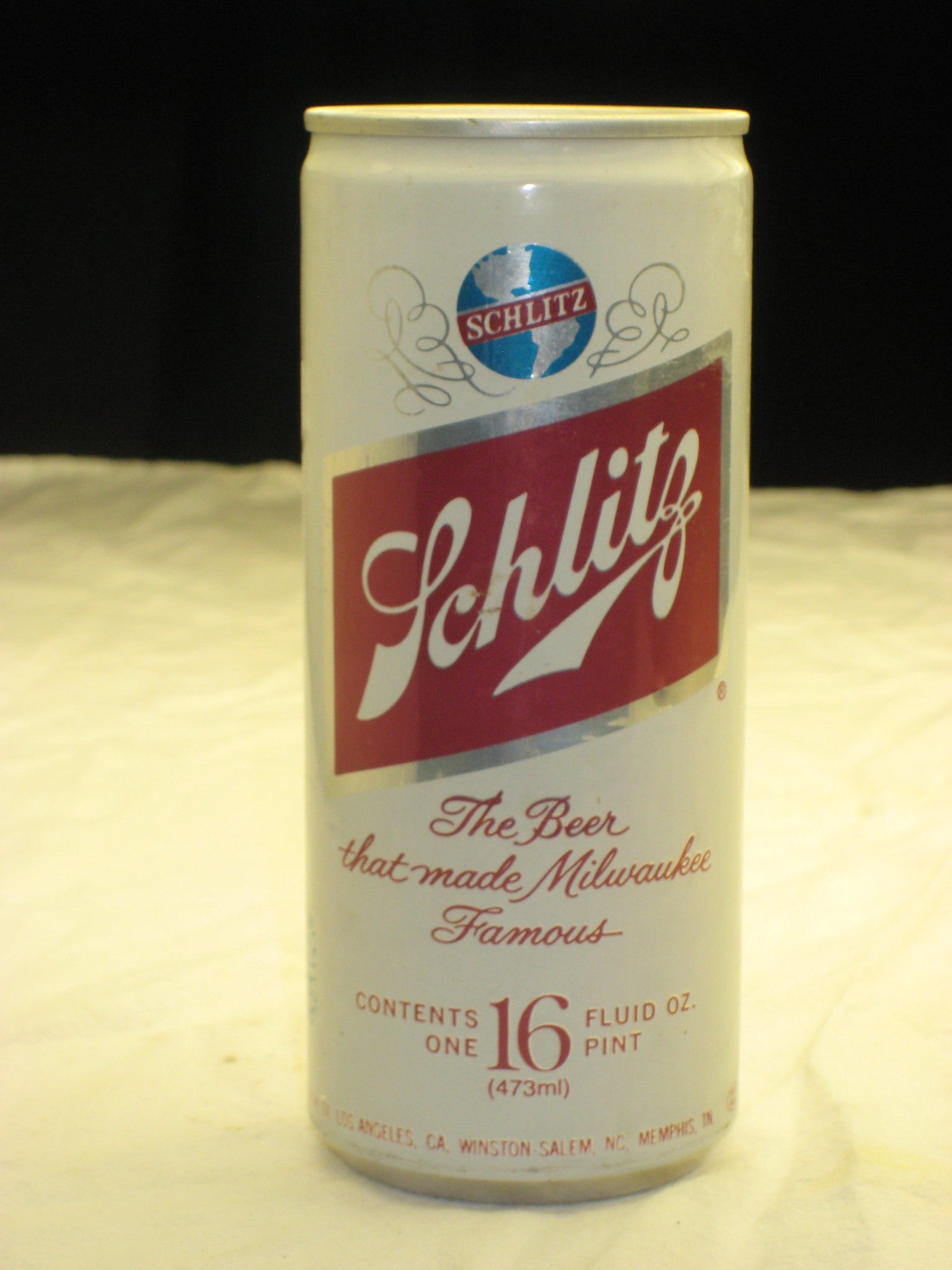
To understand Schlitz’s fall, we must first appreciate its monumental rise. Founded in 1850 by German immigrant August Krug, the brewery was later taken over by his son-in-law, Joseph Schlitz. From these humble beginnings, Schlitz blossomed into one of the largest brewing operations in the United States. Its success was not accidental. Schlitz was built on a foundation of quality, consistency, and a profound understanding of its target market.
Crafting an Iconic Identity and Marketing Prowess
Schlitz understood the power of branding long before it became a formalized discipline. Its distinctive brown bottle, a departure from the clear glass often used by competitors, was not just a visual identifier but a practical choice that protected the beer from light-induced spoilage. The slogan, “The Beer That Made Milwaukee Famous,” was more than just a marketing tagline; it was a declaration of pride and a powerful connection to its city of origin. This authentic narrative resonated deeply with consumers, particularly the working-class demographic who saw Schlitz as their beer.
Their marketing strategies were both innovative for their time and remarkably effective. They leveraged print advertising, radio sponsorships, and prominent billboards to build widespread recognition. Schlitz was a sponsor of major sporting events, further embedding itself in the fabric of American leisure. They understood the importance of emotional connection, associating their product with camaraderie, hard work, and simple pleasures. This consistent and robust brand identity created immense loyalty, making Schlitz a household name.
The Art and Science of Brewing: A Focus on Quality
At its core, Schlitz’s initial success was driven by the quality of its product. They prided themselves on using high-quality ingredients and adhering to traditional brewing methods. The beer was known for its smooth, balanced flavor profile, appealing to a broad spectrum of palates. This dedication to taste and consistency fostered a perception of reliability and value, crucial factors in a competitive market. For decades, consumers trusted Schlitz to deliver a good, dependable beer.
The Cracks Begin to Show: Brand Erosion and Financial Mismanagement
The latter half of the 20th century marked a turning point for Schlitz. While the brand remained immensely popular, internal issues and external market shifts began to erode its dominance. The seemingly invincible giant started to show signs of vulnerability, hinting at the financial and strategic challenges that lay ahead.
The Infamous Formula Change and the Betrayal of Brand Trust
Perhaps the most significant blow to Schlitz’s reputation was the infamous decision in the 1970s to alter its brewing formula. Facing rising costs of raw materials, the company decided to replace some of its expensive malted barley with cheaper corn syrup. This was done in secret, without informing consumers or even their own sales force. The result was a lighter, less flavorful beer that many long-time drinkers found to be a pale imitation of the original.
This was a monumental betrayal of brand trust. Consumers who had grown up with Schlitz, who associated it with quality and a specific taste, felt duped. The slogan, once a source of pride, began to ring hollow. The backlash was swift and severe. Sales plummeted, and the damage to Schlitz’s reputation was profound and, ultimately, irreversible. This incident serves as a stark reminder of the importance of authenticity in branding. When a company compromises on the core product that built its identity, it risks alienating its most loyal customer base.
Shifting Consumer Tastes and the Rise of New Competitors

The brewing landscape was also evolving rapidly. The rise of lighter, more accessible lagers from competitors like Miller and Budweiser began to capture a broader market share, especially among younger demographics seeking less traditional and more mass-produced options. Simultaneously, a nascent craft beer movement was emerging, appealing to a more discerning palate that sought unique flavors, artisanal craftsmanship, and local sourcing.
Schlitz, deeply entrenched in its traditional mass-market approach, failed to adequately respond to these shifts. They were too slow to recognize the growing demand for variety and innovation. Their marketing, while still broad, didn’t resonate with the new generation of beer drinkers who were less attached to nostalgia and more open to experimentation. The brand found itself caught between the evolving tastes of the masses and the burgeoning appeal of niche products.
Financial Strain and Ownership Changes: A Cycle of Instability
The declining sales and damaged reputation placed Schlitz under immense financial pressure. This instability led to a series of ownership changes, each with its own agenda and often short-term focus. In 1980, Schlitz was acquired by the Stroh Brewery Company. Under Stroh’s ownership, the brand continued to struggle. Further acquisitions and divestitures followed, with the Pabst Brewing Company eventually acquiring the rights to the Schlitz brand in the mid-1990s.
These frequent ownership changes often meant a lack of long-term investment in the brand’s revival. Each new owner had to contend with the legacy of past mistakes and the challenging market conditions. The focus often shifted to cost-cutting and maximizing short-term returns rather than rebuilding the brand’s equity and reconnecting with consumers. This cycle of financial instability and fragmented ownership hindered any sustained effort to recapture Schlitz’s former glory.
The Tech and Money Lessons: What Schlitz’s Demise Teaches Us Today
The story of Schlitz’s decline offers profound lessons for businesses across all sectors, particularly in the realms of brand strategy, financial management, and the often-overlooked impact of technology.
Brand Strategy: Authenticity Over Expediency
Schlitz’s downfall is a cautionary tale about the dangers of prioritizing short-term cost savings over long-term brand integrity. The decision to compromise the product’s quality for financial expediency was a fatal error.
- The Importance of Core Values: Brands are built on trust and a promise to the consumer. When that promise is broken, especially in a way that directly impacts the product experience, the damage can be irreparable. Schlitz learned this the hard way. Today, companies must deeply understand their brand’s core values and ensure that every decision, from product development to marketing, aligns with these principles.
- Adapting to Evolving Consumer Desires: The market is not static. Consumer tastes, preferences, and expectations change. Brands that fail to innovate and adapt risk becoming relics. Schlitz’s failure to embrace the growing craft beer movement or cater to the changing palates of a new generation highlights the need for continuous market research and agile product development.
- Authentic Storytelling: In an era of information overload, authentic brand narratives are more crucial than ever. Schlitz’s initial success was partly due to its genuine connection to Milwaukee and its working-class roots. The moment that authenticity was compromised, the brand lost its soul.
Financial Management: Strategic Investment vs. Short-Term Gains
Schlitz’s financial struggles were a direct consequence of its declining market share, but they also exacerbated the problem. The cycle of debt, ownership changes, and cost-cutting stifled any potential for recovery.
- Long-Term Vision: Businesses need a long-term financial strategy that goes beyond immediate profit margins. This includes investing in research and development, marketing, and infrastructure that will sustain the brand over time. Schlitz’s owners often focused on immediate returns, neglecting the foundational work needed for lasting success.
- Managing Debt and Acquisitions: The impact of mergers and acquisitions on a brand’s identity and financial health must be carefully considered. Frequent ownership changes can lead to strategic drift and a lack of commitment to the brand’s heritage. For companies managing finances, understanding the financial implications and brand synergy of acquisitions is paramount.
- Understanding Market Cycles: The beer industry, like many others, experiences cyclical trends. Companies must be financially resilient enough to weather downturns and strategically positioned to capitalize on emerging opportunities. Schlitz’s inability to adapt to market shifts left it vulnerable to economic fluctuations and competitive pressures.
The Unseen Hand of Technology: A Missed Opportunity
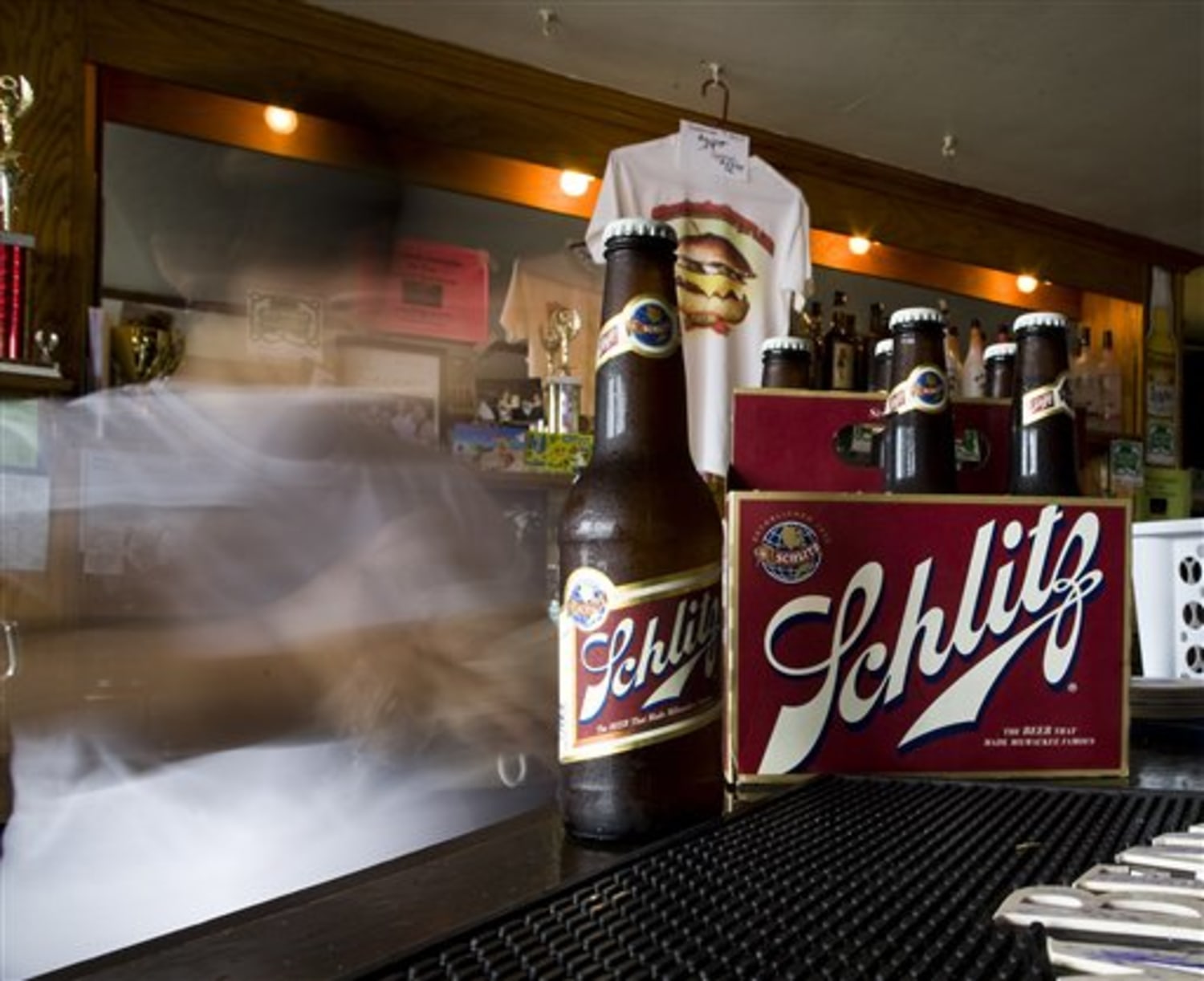
While not as overtly discussed in the popular narrative of Schlitz’s demise, the evolving technological landscape of the 20th century undoubtedly played a role.
- Information Dissemination and Consumer Voice: The rise of mass media and, later, the early internet, meant that consumer feedback and market trends could spread more rapidly than ever before. Schlitz’s secret formula change, once a matter of industry gossip, would likely have been exposed and amplified far more quickly in today’s digital age. The power of social media means brands are constantly under scrutiny, and a betrayal of trust can have immediate global repercussions.
- Efficiency and Innovation in Production: As brewing technology advanced, companies that embraced automation, advanced quality control systems, and more efficient distribution methods gained a competitive edge. While Schlitz was a large producer, it’s plausible that it did not invest sufficiently in modernizing its production facilities to match the efficiency and consistency of some competitors.
- Data Analytics and Consumer Insights: Modern businesses leverage data analytics to understand consumer behavior, identify market trends, and personalize marketing efforts. Schlitz’s approach to understanding its audience was largely based on traditional demographic segmentation. In the digital age, granular data provides unparalleled insights that can inform product development, marketing campaigns, and even brand repositioning. Had Schlitz embraced these technological tools, they might have identified the impending shift in consumer preferences sooner and adjusted their strategy accordingly.
- Digital Marketing and Brand Reach: In the digital era, a strong online presence is no longer optional. Schlitz, for most of its decline, operated in a pre-digital or early-digital world. Today, even traditional brands need robust digital marketing strategies to reach new audiences, engage with existing customers, and build a modern brand identity. While the rights to Schlitz are now owned by Pabst, any revival would necessitate a significant digital marketing push to connect with contemporary consumers.
In conclusion, the fate of Schlitz beer is a powerful testament to the interconnectedness of brand integrity, sound financial management, and the strategic adoption of technological advancements. It’s a narrative that transcends the beverage industry, offering invaluable lessons for any enterprise striving for sustained success in an ever-changing world. The ghost of “The Beer That Made Milwaukee Famous” serves as a perennial reminder: adapt or perish.
aViewFromTheCave is a participant in the Amazon Services LLC Associates Program, an affiliate advertising program designed to provide a means for sites to earn advertising fees by advertising and linking to Amazon.com. Amazon, the Amazon logo, AmazonSupply, and the AmazonSupply logo are trademarks of Amazon.com, Inc. or its affiliates. As an Amazon Associate we earn affiliate commissions from qualifying purchases.