
Navigating the volatile landscape of airfare pricing is more than just a travel necessity; it is a critical exercise in personal finance management. For many households and business professionals, travel represents one of the largest discretionary expenses in a given year. Understanding when plane tickets go down—and the underlying economic factors that drive those fluctuations—allows consumers to treat travel booking as a strategic investment rather than a gamble.
The aviation industry operates on some of the most sophisticated dynamic pricing models in the world. Prices fluctuate based on real-time demand, fuel costs, inventory availability, and competitor behavior. By mastering the timing of the market, travelers can significantly lower their “cost of goods sold” for experiences, freeing up capital for other financial goals or higher-quality accommodations.
The Macroeconomics of Airfare Pricing
To understand when prices drop, one must first understand why they change. Airlines utilize “yield management,” a variable pricing strategy based on anticipating and influencing consumer behavior to maximize revenue. This is a supply-and-demand equation in its purest form.
Dynamic Pricing and Yield Management
Airlines do not set a single price for a seat. Instead, they divide the cabin into “fare buckets.” As the cheaper buckets are purchased, the system automatically opens more expensive ones. Tickets generally go down when an airline realizes that its current “load factor”—the percentage of seats filled—is lower than historical averages for that specific route and time. To stimulate demand and recoup the high fixed costs of operating a flight (fuel, crew, and airport fees), the airline will trigger a temporary price reduction.
The Role of Market Volatility
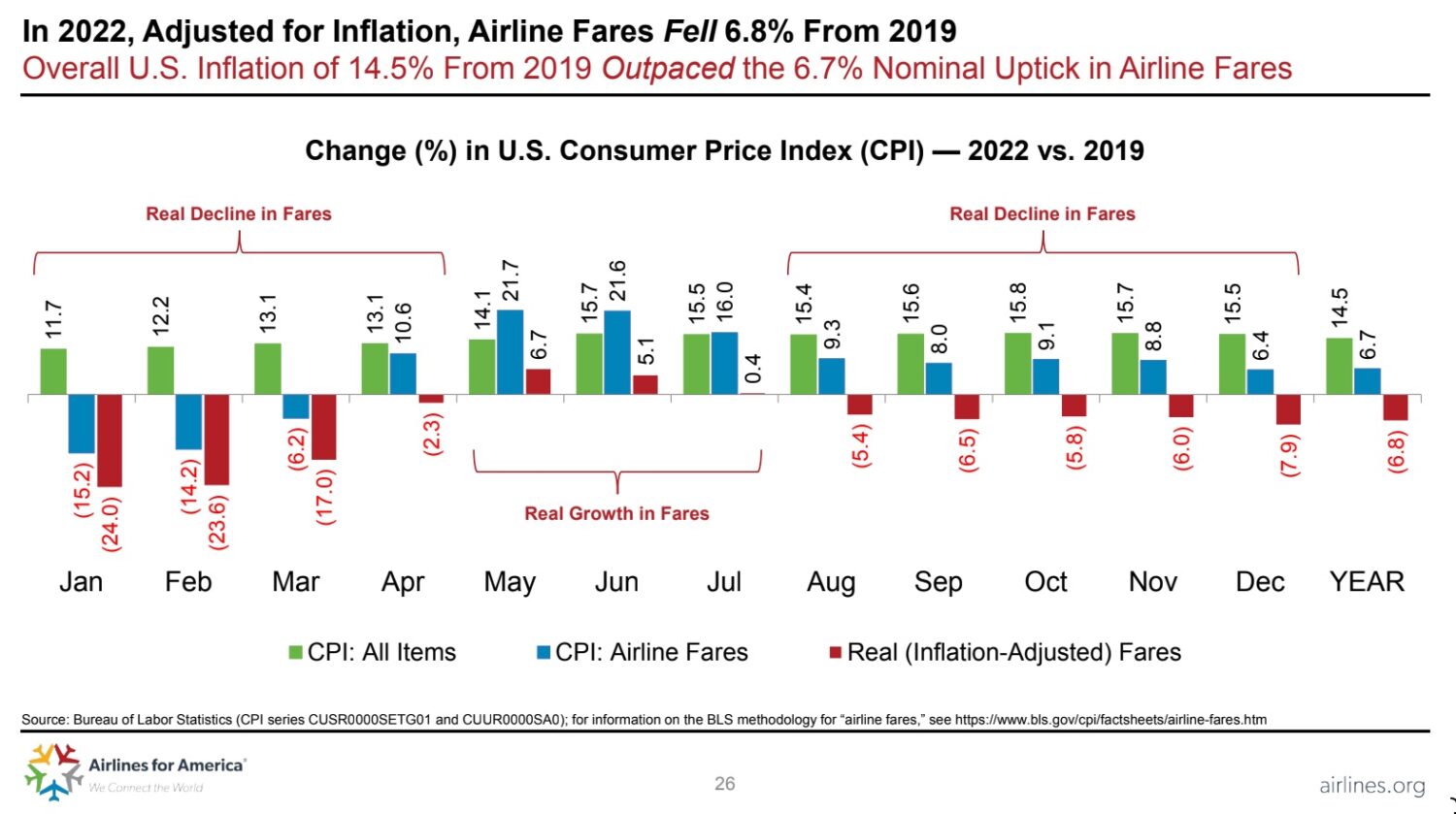
External economic factors also play a role. When jet fuel prices drop, airlines have more flexibility to lower fares to gain market share. Conversely, during periods of high inflation, the baseline price for all tickets rises. Understanding the broader economic climate helps a traveler distinguish between a “good deal” and a price that has merely been adjusted for inflation.
Strategic Booking Windows: When the Market Corrects
One of the most persistent questions in travel finance is how far in advance one should commit capital to a flight. Booking too early can be as financially detrimental as booking too late.
The “Goldilocks” Window for Domestic Travel
For domestic flights within the same continent, the market typically reaches its “floor” between one and three months before departure. During this window, airlines have enough data to know if a flight is underperforming and will adjust prices downward to attract budget-conscious travelers. According to historical data analysis, the “sweet spot” is often cited as 28 to 60 days out. Buying six months in advance often means paying a premium for the “peace of mind” of securing a seat, while buying two weeks before departure targets business travelers with inflexible schedules and deep corporate pockets.
International Arbitrage and Long-Lead Planning
International travel requires a longer financial lead time. Because these routes involve higher operational costs and lower frequency, the price drops occur earlier. The ideal window for international airfare typically opens six to eight months in advance and starts to close significantly around the 90-day mark. If you are tracking a transcontinental flight, the most significant price drops often occur during seasonal “seat sales” held by major carriers during their lower-performing quarters, such as late January or early September.
Debunking the “Cheap Tuesday” Myth
A common piece of financial folklore is that plane tickets are cheaper if purchased on a Tuesday at 3:00 AM. In the modern era of algorithmic pricing, this is largely a myth. While airlines may announce sales on Tuesdays, the actual booking day of the week is far less important than the day of the week you choose to fly. To maximize savings, the focus should be on “mid-week travel”—Tuesdays and Wednesdays—rather than “mid-week booking.”
Financial Tools and Data-Driven Arbitrage
In the same way that investors use Bloomberg terminals or retail traders use charting software, travelers can use financial tools to track airfare and predict price drops.
Leveraging Predictive Algorithms
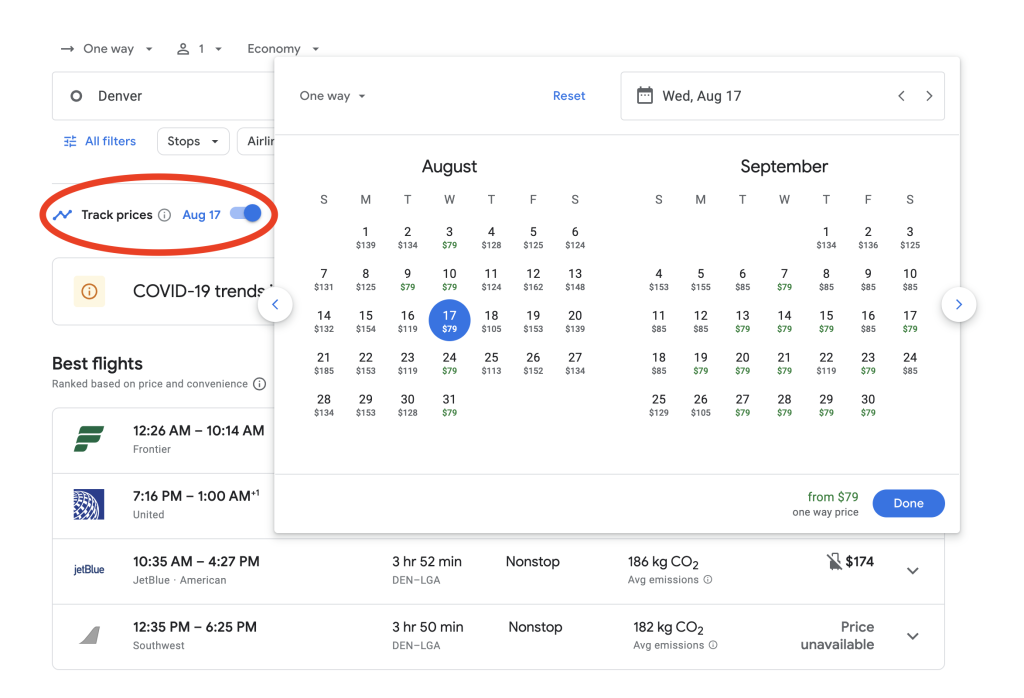
Tools like Google Flights, Hopper, and Kayak use vast datasets of historical pricing to predict whether a fare will rise or fall. Using these tools allows you to “limit-order” your travel. By setting a price alert, you essentially tell the market: “I am willing to buy when the price hits X.” This removes the emotional component of booking and ensures you are buying at a statistically advantageous moment.
The Value of Travel Currency
For those who treat travel as a line item in their long-term financial plan, “points and miles” represent a unique form of currency. Often, when cash prices for tickets are at their peak, the “redemption value” of points remains stable. If a ticket that normally costs $500 spikes to $1,200 due to an event, but remains at 30,000 miles, the value of your points has effectively tripled. Calculating the “cents per point” (CPP) is a vital metric for any financially savvy traveler to determine whether to spend cash or use their accrued travel assets.
Seasonal and Cyclical Trends: Identifying the “Dead Zones”
Market demand for air travel is highly cyclical. By identifying the “dead zones”—periods of low demand—you can find prices that are 40% to 60% lower than the annual average.
The Post-Holiday Slump
The weeks following the New Year (specifically the second week of January through early February) represent a significant market correction. After the high-demand holiday season, consumer spending typically retracts, and airlines are forced to lower prices to fill planes. This is often the most affordable time of year to travel to major hubs.
Shoulder Season Dynamics
The “shoulder season”—the period between peak summer and the low winter season—is where the best value is found. In the Northern Hemisphere, this is typically May-June and September-October. During these windows, the weather remains favorable in most destinations, but the departure of student travelers and families creates a surplus of inventory. From a financial perspective, booking in the shoulder season offers the highest “Return on Experience” per dollar spent.
Hedging Against Holiday Surcharges
If you must travel during peak periods (Christmas, Thanksgiving, or mid-July), the strategy changes from “waiting for a drop” to “mitigating the spike.” In high-demand scenarios, prices rarely go down as the date approaches. The most financially sound move for holiday travel is to book as soon as the schedule opens (usually 330 days in advance) or to use a fixed-value points system to hedge against the inevitable cash price inflation.
Maximizing ROI: Comprehensive Budgeting for Air Travel
A lower ticket price does not always equate to a lower total cost. A professional approach to travel finance requires looking at the “Total Cost of Ownership” for a flight.
Ancillary Fees and the “Basic Economy” Trap
When you see a price drop, it is essential to audit what that price includes. Many legacy carriers have introduced “Basic Economy” fares to compete with low-cost carriers. These fares often exclude carry-on bags, seat selection, and flexibility. If you are a business traveler who needs a laptop bag and a carry-on, a “cheap” $200 ticket that charges $60 per bag each way is actually a $320 ticket. Always calculate the fully-loaded cost before concluding that a price has truly “gone down.”
Strategic Stopovers and Positioning Flights
Advanced travel finance involves “positioning.” Sometimes, a flight from a major hub (like New York or London) to your final destination may drop significantly, while your local regional airport remains expensive. It may be financially advantageous to book a separate, low-cost “positioning flight” to the hub. While this introduces a layer of logistical risk, the savings on long-haul segments can often reach hundreds, if not thousands, of dollars.
The Opportunity Cost of Time
Finally, the most overlooked aspect of travel finance is the value of your own time. A flight with two layovers that saves you $100 but adds 10 hours to your travel day equates to valuing your time at $10 per hour. For many professionals, this is a poor trade-off. A “price drop” on a highly inconvenient itinerary may not be a deal at all when viewed through the lens of opportunity cost.
By understanding the mechanics of the aviation market—from yield management and booking windows to the strategic use of travel currency—you can transform airfare from a volatile expense into a managed cost. Plane tickets go down when the data suggests the airline has overvalued its inventory; your goal is to be ready with the tools and the capital to capitalize on those corrections the moment they occur.
aViewFromTheCave is a participant in the Amazon Services LLC Associates Program, an affiliate advertising program designed to provide a means for sites to earn advertising fees by advertising and linking to Amazon.com. Amazon, the Amazon logo, AmazonSupply, and the AmazonSupply logo are trademarks of Amazon.com, Inc. or its affiliates. As an Amazon Associate we earn affiliate commissions from qualifying purchases.