
Managing one’s health often comes with a financial component, and understanding the costs associated with prescription medications is a crucial aspect of personal finance. For individuals prescribed phentermine for weight management, the question “how much is phentermine out of pocket?” is not just a query about price, but a significant consideration in budgeting for their health journey. This article delves into the various factors that influence the out-of-pocket cost of phentermine, offering insights and strategies for navigating these expenses effectively within the broader context of personal financial management.
Phentermine is a widely prescribed medication, often used as a short-term adjunct to diet and exercise for weight loss in individuals with a high body mass index (BMI) who are at risk of weight-related health problems. While its therapeutic benefits are clear for many, the financial implications of its ongoing use can vary dramatically depending on a multitude of factors, from insurance coverage to pharmacy choice and geographical location. Making informed decisions about your health means being equally informed about the financial aspects, ensuring that necessary medical treatments remain accessible without undue financial strain. This comprehensive guide aims to shed light on these complexities, empowering patients to better manage their healthcare expenditures.

Understanding Phentermine and Its Role in Weight Management
Before delving into the financial aspects, it’s important to establish a foundational understanding of phentermine itself. This provides context for why it is prescribed and the potential long-term commitment it might entail, both medically and financially.
What is Phentermine?
Phentermine is a prescription stimulant, chemically similar to amphetamine, and is primarily used as an appetite suppressant. It works by stimulating the hypothalamus gland and nerve endings, which releases neurotransmitters that decrease appetite. Due to its potential for abuse and dependence, phentermine is a Schedule IV controlled substance, meaning its use is closely regulated. It is typically prescribed for a short duration (usually 3 to 6 weeks) for individuals who are medically obese or overweight with at least one weight-related comorbidity (e.g., high blood pressure, diabetes, high cholesterol), and when diet and exercise alone have not yielded sufficient results.
Its role in weight management is significant for many patients, offering a tool to jumpstart weight loss and help establish healthier eating habits. However, it is not a standalone solution and must be used in conjunction with a comprehensive weight loss program including dietary changes and increased physical activity.
Medical Necessity and Prescription Requirements
Given its classification and mechanism of action, phentermine is not dispensed over-the-counter. A licensed healthcare provider must assess a patient’s medical history, current health status, and weight loss goals to determine if phentermine is an appropriate and safe treatment option. This involves a thorough evaluation to rule out contraindications, such as a history of heart disease, uncontrolled hypertension, hyperthyroidism, glaucoma, or a history of drug abuse.
The necessity of a prescription means that the initial consultation with a doctor, and subsequent follow-up appointments, also contribute to the overall out-of-pocket cost of managing weight with phentermine. These consultation fees, often separate from the medication cost itself, can vary based on insurance coverage, clinic type (e.g., primary care vs. specialty weight loss clinic), and the provider’s billing practices. Understanding this full scope of expenses is critical for comprehensive financial planning.
Factors Influencing Phentermine’s Out-of-Pocket Cost
The direct cost of phentermine can fluctuate widely. Several key factors contribute to these variations, making it difficult to pinpoint a single, universal price. Understanding these drivers is the first step in predicting and potentially lowering your expenses.
Dosage and Supply Duration
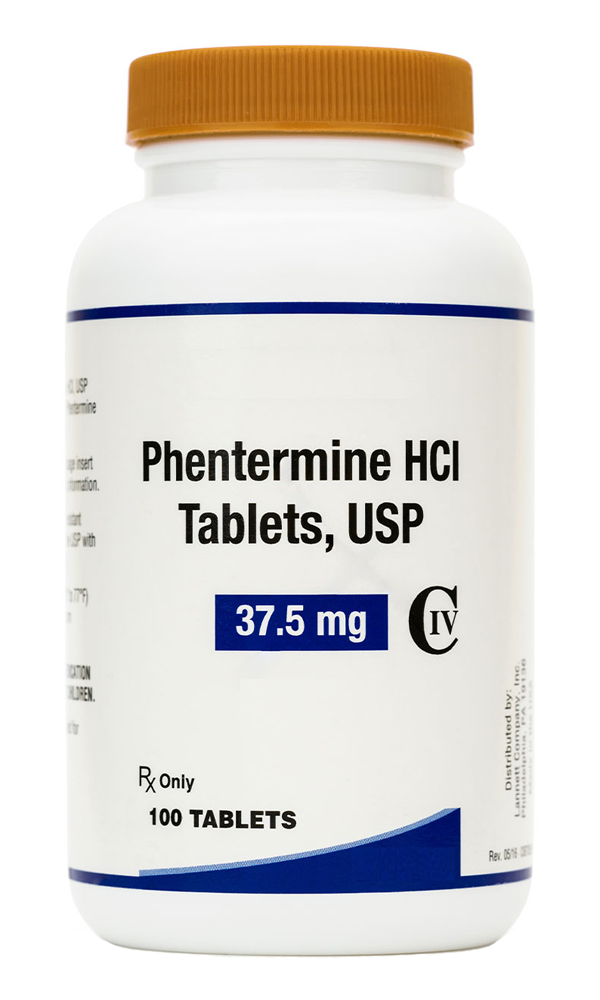
Phentermine is available in various strengths (e.g., 15 mg, 30 mg, 37.5 mg) and formulations (e.g., tablets, extended-release capsules). Higher dosages or larger quantities (e.g., a 90-day supply versus a 30-day supply) will naturally incur higher total costs. While a 90-day supply might offer a lower per-pill price, the upfront payment will be greater. The duration of treatment, though typically short-term, will also impact the cumulative expenditure over time. For instance, a patient taking phentermine for six weeks will spend less overall than someone on it for three months, assuming similar daily doses.
Pharmacy Choice and Location
The retail price of prescription drugs can vary significantly from one pharmacy to another, even within the same city. Independent pharmacies might have different pricing structures compared to large chain pharmacies (e.g., CVS, Walgreens, Rite Aid) or big-box stores with pharmacies (e.g., Walmart, Target, Costco). Online pharmacies, particularly those that operate as mail-order services often associated with insurance plans, might offer competitive pricing, especially for generic medications. Geographical location also plays a role, with urban areas potentially having more competitive pricing due to a higher concentration of pharmacies, or conversely, higher baseline costs of living.
Generic vs. Brand-Name Phentermine
This is one of the most significant factors influencing out-of-pocket costs. Phentermine is available as a generic drug, which is typically much less expensive than its brand-name counterparts (e.g., Adipex-P, Lomaira). Generic medications contain the same active ingredients, strength, dosage form, and route of administration as their brand-name versions and are proven to be therapeutically equivalent. Choosing the generic option, whenever medically appropriate and available, can lead to substantial savings. Most healthcare providers and insurance plans prioritize generic prescriptions due to their cost-effectiveness.
Insurance Coverage vs. Uninsured Costs
The presence and specifics of your health insurance plan are paramount.
-
With Insurance: If phentermine is covered by your health insurance plan, your out-of-pocket cost will typically be limited to your copayment or coinsurance after meeting your deductible. The amount can still vary widely depending on your plan’s formulary (list of covered drugs), whether the drug is preferred, non-preferred, or considered a specialty medication. Some plans might require prior authorization for phentermine due to its classification and potential for misuse.
-
Without Insurance: For individuals without health insurance, or if their plan does not cover phentermine, the entire cost of the medication falls on them. This “cash price” can range from approximately $30 to over $100 for a 30-day supply of generic phentermine, with brand-name versions being significantly higher. These costs highlight the critical importance of comparing prices and seeking alternative savings strategies.
Manufacturer Coupons and Patient Assistance Programs
Sometimes, pharmaceutical manufacturers offer coupons or discount cards for their brand-name drugs, which can significantly reduce the out-of-pocket cost, even for insured patients whose plans don’t cover the drug fully, or for uninsured individuals. Additionally, some manufacturers and non-profit organizations offer patient assistance programs (PAPs) for low-income individuals or those facing significant financial hardship to help them afford necessary medications. Eligibility criteria vary, but these programs can be a lifeline for many.
Strategies for Reducing Your Phentermine Out-of-Pocket Expenses

Armed with an understanding of the factors at play, patients can proactively implement strategies to minimize their out-of-pocket phentermine costs. Thoughtful financial planning for healthcare expenditures can alleviate significant burdens.
Comparing Pharmacy Prices
Never assume all pharmacies charge the same price. It’s wise to call several local pharmacies (including large chains, independent stores, and big-box store pharmacies) to inquire about their cash price for your specific phentermine dosage and quantity. Websites and apps like GoodRx, SingleCare, or Blink Health also allow you to compare prices across different pharmacies in your area and often provide digital coupons that can be used immediately. This simple step can yield savings of 20-50% or more.
Utilizing Prescription Discount Cards
Even if you have insurance, prescription discount cards can sometimes offer a better price than your insurance copay, especially for generic drugs. These cards are freely available online, through mobile apps, or at pharmacies. They are not insurance but rather provide access to negotiated discounts. It’s always beneficial to compare the discount card price with your insurance copay at the pharmacy counter to ensure you’re getting the best deal.
Exploring Generic Options
Always ask your doctor if the generic version of phentermine is suitable for you. If they’ve prescribed a brand-name drug, inquire if a generic substitute is equally effective and appropriate for your condition. As mentioned, generic versions are often a fraction of the cost of their brand-name counterparts, providing identical therapeutic benefits. This is perhaps the most straightforward and impactful cost-saving measure for most patients.
Inquiring About Patient Assistance Programs
If you are uninsured or underinsured, or facing significant financial hardship, research patient assistance programs (PAPs). Pharmaceutical manufacturers often sponsor these programs, and non-profit organizations may also offer support. Your doctor’s office, particularly a social worker or patient advocate, can be a valuable resource for identifying and applying for these programs. While the application process might require documentation of income and medical need, the potential for free or deeply discounted medication makes it a worthwhile endeavor.
Discussing Alternatives with Your Doctor
For some individuals, phentermine might not be the only viable option for weight management. Discussing alternative medications or non-pharmacological approaches with your doctor could reveal more affordable or better-covered treatments. While phentermine is effective for many, there might be other FDA-approved weight loss medications, or a focus on lifestyle interventions alone, that could be more financially sustainable in the long run. Always prioritize your doctor’s medical advice in these discussions.
The Broader Financial Impact of Weight Management
Beyond the immediate cost of phentermine, it’s important to consider the holistic financial implications of weight management. Investing in health, even with upfront costs, can lead to substantial long-term financial benefits.
Long-Term Health Savings vs. Upfront Medication Costs
While phentermine itself has an out-of-pocket cost, successfully managing weight can significantly reduce future healthcare expenses. Obesity is a major risk factor for numerous chronic conditions, including type 2 diabetes, heart disease, stroke, certain cancers, and osteoarthritis. The costs associated with managing these conditions—doctor visits, medications, hospitalizations, surgeries, and specialized treatments—can far exceed the cost of weight management interventions. From a financial perspective, investing in tools like phentermine, under medical guidance, can be seen as a preventative measure that safeguards against potentially crippling future medical bills. It’s an investment in preventative health that pays dividends in both well-being and financial stability.
Budgeting for Ongoing Medical Expenses
Incorporating medication costs into your personal budget is essential. Whether it’s phentermine or any other ongoing prescription, regularly accounting for these expenses ensures they don’t derail your financial plans. Create a dedicated healthcare budget line item, and if costs fluctuate, build in a buffer. For those with high-deductible health plans, utilizing a Health Savings Account (HSA) or Flexible Spending Account (FSA) can be an excellent strategy. Contributions to these accounts are often tax-advantaged, and the funds can be used for qualified medical expenses, including prescription medications, making your out-of-pocket costs more manageable.
The Value of Investing in Health
Ultimately, the decision to use phentermine and manage its cost is part of a larger commitment to health. From a financial perspective, health is wealth. Being healthy allows individuals to be more productive, maintain employment, avoid costly medical emergencies, and enjoy a higher quality of life. Viewing medication costs, even out-of-pocket ones, as an investment in one’s long-term health and financial future can reframe the perspective from a burden to an empowerment. The cost of phentermine should be weighed against the potential cost of inaction and the long-term benefits of improved health.
Making Informed Financial Decisions About Your Health
Navigating healthcare costs requires diligence, research, and proactive engagement. For phentermine or any other medication, informed financial decision-making is as important as informed medical decision-making.
Seeking Professional Financial Advice
If medication costs or overall healthcare expenses are significantly impacting your financial stability, it may be beneficial to consult with a financial advisor. They can help integrate healthcare costs into your broader financial plan, explore options like HSAs/FSAs, and assist in budgeting strategies that accommodate ongoing medical needs without compromising other financial goals. A holistic view of your finances can reveal opportunities for savings or reallocations you might not have considered.
Prioritizing Health While Managing Finances
The goal is to strike a balance where you prioritize your health needs without creating undue financial stress. This involves being an active participant in your healthcare decisions and an informed consumer of medical services and products. Don’t hesitate to ask your doctor about generic options, discuss the cost implications of prescribed treatments, and inquire about patient assistance programs. Similarly, be diligent in comparing pharmacy prices, leveraging discount cards, and understanding your insurance benefits. By taking these steps, you can ensure that necessary medications like phentermine remain accessible, allowing you to focus on achieving your health and weight management goals effectively and sustainably.
aViewFromTheCave is a participant in the Amazon Services LLC Associates Program, an affiliate advertising program designed to provide a means for sites to earn advertising fees by advertising and linking to Amazon.com. Amazon, the Amazon logo, AmazonSupply, and the AmazonSupply logo are trademarks of Amazon.com, Inc. or its affiliates. As an Amazon Associate we earn affiliate commissions from qualifying purchases.