
The United States financial system is often perceived as a monolithic entity, dominated by a handful of colossal institutions. While the presence of banking giants is undeniable, a closer look reveals a far more complex and dynamic landscape, populated by thousands of diverse financial entities. The question “how many banks in the US?” might seem straightforward, but its answer is anything but static, reflecting ongoing shifts in technology, regulation, and market forces. Understanding this number and the trends behind it is crucial for anyone engaging with personal finance, investing, business strategy, or simply seeking to comprehend the nation’s economic backbone.
At its core, the number of banks in the US is not just a statistical figure; it’s a barometer of competition, access to capital, innovation, and the overall health of the financial services sector. It impacts everything from the interest rates consumers pay on mortgages to the availability of loans for small businesses, and from the stability of the economy to the pace of technological adoption in financial services. This article delves into the current state of the US banking system, dissecting the forces that shape its composition and exploring what these numbers mean for individuals and businesses alike.
Unpacking the Numbers: A Current Snapshot of US Banking
To accurately answer “how many banks in the US?”, we must first clarify what constitutes a “bank” in the American financial lexicon and acknowledge the inherent dynamism of this figure. The banking sector is not a static list but a constantly evolving ecosystem.
Defining “Bank”: Commercial Banks, Savings Institutions, and Credit Unions
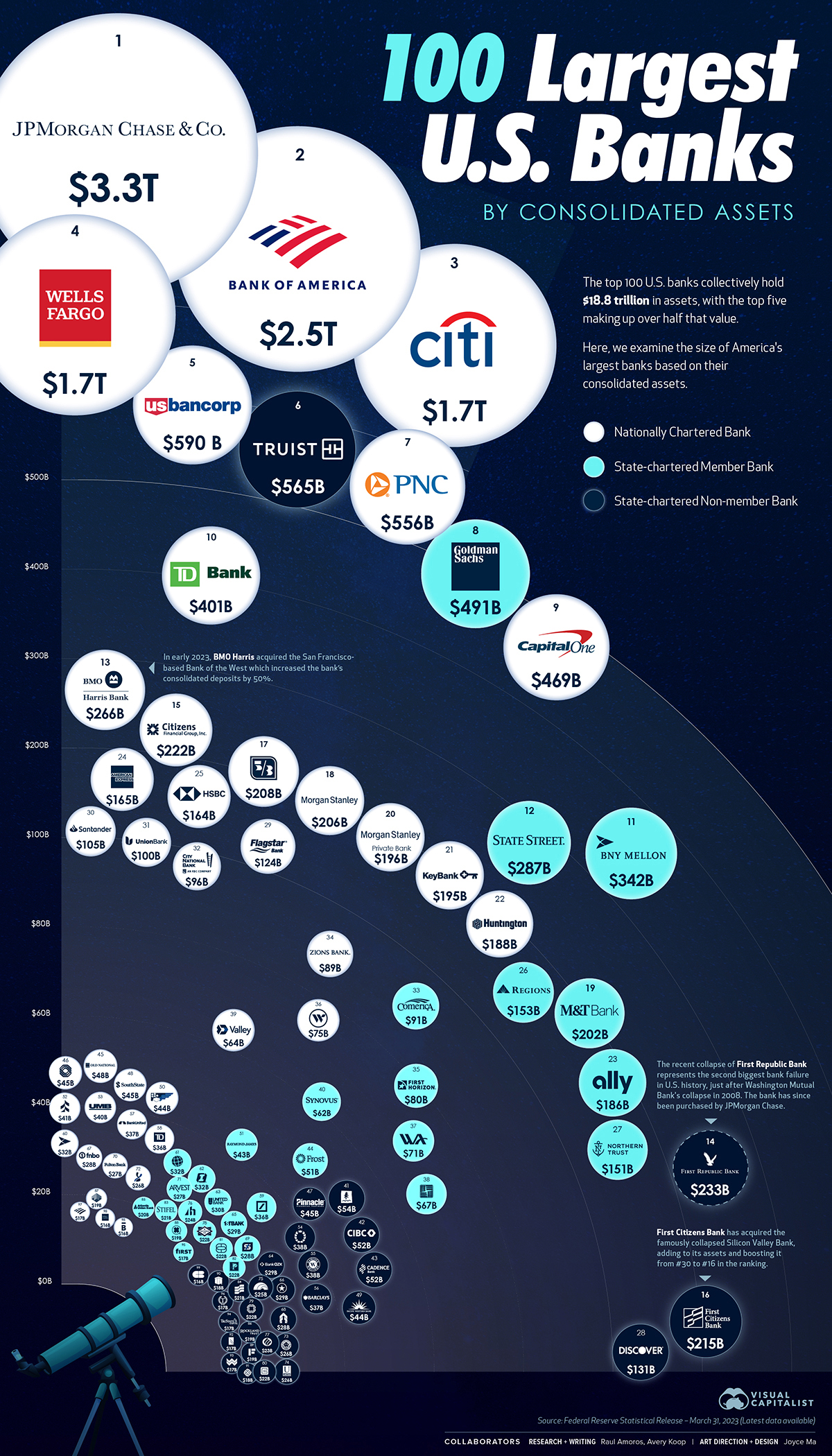
When most people think of a “bank,” they typically envision commercial banks regulated by entities like the Federal Deposit Insurance Corporation (FDIC) and the Office of the Comptroller of the Currency (OCC). These are institutions that accept deposits, make loans, and offer a wide array of financial services to individuals and businesses. This category includes everything from multinational giants like JPMorgan Chase and Bank of America to regional players and community banks serving specific localities.
However, the broader financial services landscape includes other critical players:
-
Savings Institutions: Traditionally focused on mortgage lending and savings deposits, these include savings banks and savings & loan associations. While distinct historically, many now operate much like commercial banks and are often grouped with them in official statistics.
-
Credit Unions: Member-owned, not-for-profit financial cooperatives that offer many similar services to commercial banks, such as checking accounts, savings accounts, and loans. Unlike banks, their profits are returned to members in the form of lower fees, better rates, or higher dividends. They are regulated by the National Credit Union Administration (NCUA).
Official statistics from regulatory bodies like the FDIC typically track “insured commercial banks and savings institutions.” Credit unions are counted separately due to their distinct legal structure and regulatory oversight. For a comprehensive picture of deposit-taking institutions, it’s essential to consider both.
The Dynamic Count: What the Latest Data Reveals
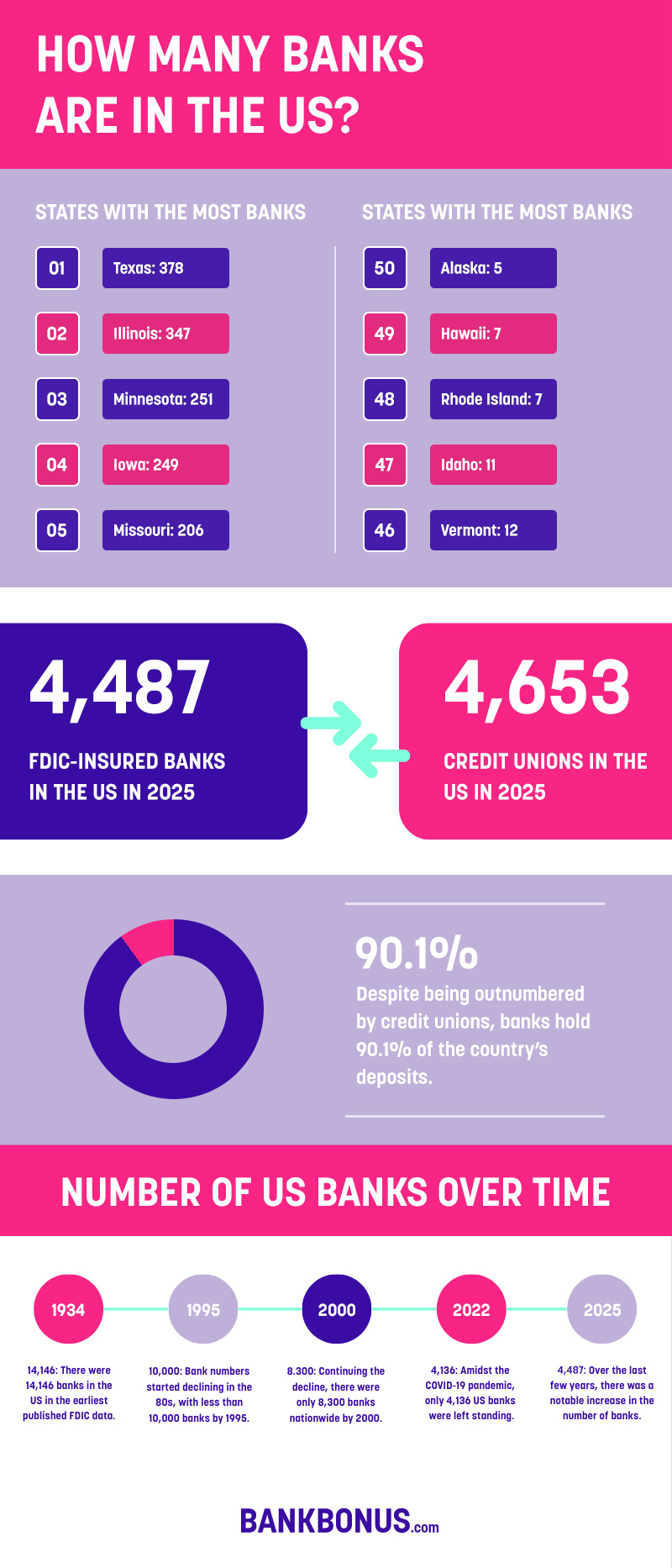
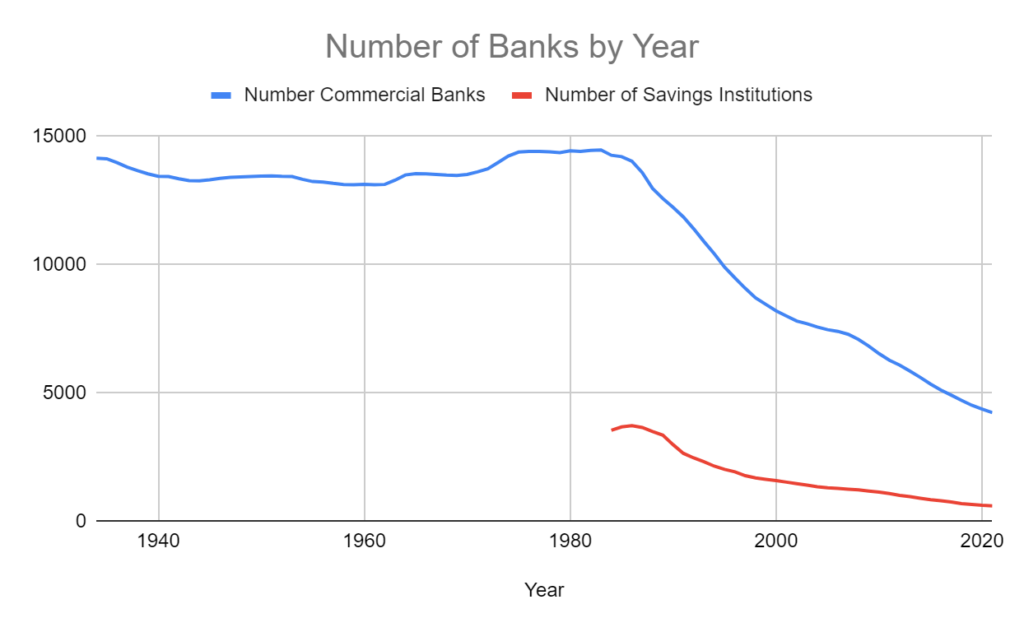
As of recent data (e.g., Q4 2023 or Q1 2024, figures fluctuate slightly month-to-month), the number of FDIC-insured commercial banks and savings institutions in the United States hovers around 4,500 to 4,600. This number represents a significant decline from historical peaks but remains substantial.
Separately, the number of federally insured credit unions typically stands between 4,700 and 4,800.
Therefore, if we consider all federally insured deposit-taking institutions, the total number can be estimated to be well over 9,000. This demonstrates a vibrant, if consolidating, landscape of options for consumers and businesses.
It’s crucial to note that this figure primarily refers to chartered institutions with physical branches and traditional structures. It doesn’t fully encompass the rapidly growing universe of fintech companies, online lenders, and neo-banks that, while often partnering with chartered banks, operate outside the conventional definition of a “bank” themselves.
Understanding the Decline: Consolidation and Market Forces
The journey from a peak of over 14,000 FDIC-insured institutions in the mid-1980s to today’s numbers reveals a clear trend of consolidation. Several factors drive this decline:
-
Mergers and Acquisitions (M&A): A primary driver, as larger banks acquire smaller ones to expand market share, achieve economies of scale, reduce competition, and gain access to new technologies or customer bases.
-
Regulatory Burden: Post-financial crisis regulations, such as Dodd-Frank, increased compliance costs, disproportionately affecting smaller community banks with fewer resources to manage complex legal and reporting requirements.
-
Technological Advancements: The need for significant investment in digital infrastructure, cybersecurity, and mobile banking has pushed some smaller institutions to merge or exit the market, as they struggle to compete with the tech budgets of larger banks.
-
Low-Interest Rate Environment: Prolonged periods of low-interest rates can compress net interest margins, making it harder for banks to generate sufficient profits, especially for those reliant on traditional lending.
-
Shifting Consumer Preferences: Growing demand for digital-first banking experiences and the convenience offered by larger national banks or specialized online platforms has put pressure on traditional branch-heavy models.
While the raw number of institutions has decreased, the aggregate assets held by the banking sector have grown substantially, indicating a concentration of wealth and power within fewer, larger entities.
Why the Number Matters: Impact on the Financial Ecosystem
The sheer quantity of financial institutions in the US is more than just a data point; it profoundly influences the everyday financial lives of individuals and businesses, shaping everything from product offerings to economic resilience.
Competition and Consumer Benefits: Rates, Services, and Innovation
A greater number of banks generally translates to a more competitive market. When numerous institutions vie for deposits and loan customers, they are incentivized to offer more attractive interest rates on savings, lower rates on loans (mortgages, auto loans, personal loans), reduced fees, and enhanced services. This competition fosters innovation, pushing banks to develop new products, improve digital platforms, and tailor offerings to specific customer segments.
Conversely, a highly concentrated market, dominated by a few large players, can lead to less favorable terms for consumers. With fewer options, banks may face less pressure to offer competitive rates or minimize fees, potentially reducing overall consumer surplus and choice. The presence of community banks and credit unions is particularly vital here, as they often excel in personalized service and offer unique benefits that can challenge larger institutions.
Economic Development and Access to Capital for Businesses
Small and medium-sized businesses (SMBs) are the engine of job creation and local economic growth. The number and type of banks available significantly impact their access to crucial capital. Community banks and credit unions, in particular, play an outsized role in local economies. They often have a deeper understanding of local market conditions, build stronger relationships with business owners, and may be more willing to lend to smaller, riskier ventures that larger national banks might overlook.
A diverse banking landscape ensures that a wider range of businesses, from startups to established enterprises, can secure the financing they need to operate, expand, and innovate. Fewer banks, especially in rural areas, can create “banking deserts,” where businesses and individuals struggle to access basic financial services, potentially stifling local economic development.
Financial Stability, Systemic Risk, and Regulatory Oversight
The number of banks also has significant implications for financial stability. A system with many diverse institutions can be more resilient to shocks. If one or two banks face difficulties, the impact might be localized, preventing a systemic collapse. This is often referred to as “too many to fail,” where the failure of any single institution, particularly a large one, wouldn’t jeopardize the entire financial system.
However, the consolidation trend towards fewer, larger banks also presents challenges. The concept of “too big to fail” emerged vividly during the 2008 financial crisis, highlighting the immense risk posed by institutions whose failure could trigger a cascading collapse across the global financial system. Regulators like the Federal Reserve, FDIC, and OCC work diligently to mitigate systemic risk through stringent capital requirements, stress tests, and resolution planning for these large, complex financial institutions. The balance between fostering competition and ensuring stability is a perpetual challenge for policymakers.
Beyond Traditional Banks: The Evolving Landscape of Financial Services
While the discussion often centers on traditional banks, the broader financial services sector is far more expansive, incorporating a range of institutions that increasingly influence how money moves, is saved, and invested.
The Unique Role of Credit Unions: A Member-Centric Alternative
Credit unions offer a distinct model in the financial ecosystem. As not-for-profit entities owned by their members, their primary objective is to serve those members rather than generate profit for shareholders. This often translates into lower loan rates, higher savings rates, fewer fees, and a strong emphasis on community involvement and financial education.
For many individuals and small businesses, credit unions represent a compelling alternative to commercial banks, especially for those seeking a more personalized banking experience and a values-driven approach. Their continued strong presence, despite similar consolidation trends, underscores their enduring appeal and importance in maintaining financial diversity and competition.
Non-Bank Lenders and the Shadow Banking System
Beyond deposit-taking institutions, a significant portion of lending and financial intermediation occurs outside the traditional banking system. This “shadow banking” sector includes:
-
Mortgage Companies: Specialized firms that originate and service mortgages, often selling them to larger investors.
-
Financing Companies: Provide loans for specific purposes, such as auto loans, equipment financing, or personal loans, without taking deposits.
-
Peer-to-Peer (P2P) Lending Platforms: Connect borrowers directly with individual or institutional investors.
-
Hedge Funds and Private Equity: Engage in various forms of lending and investment that can bypass traditional bank channels.
While these entities fulfill crucial market needs, they are often subject to less stringent regulation than traditional banks, which can introduce different forms of systemic risk. Their growth highlights the evolving ways individuals and businesses access capital.
Fintech’s Ascent: Digital Banks and Specialized Financial Tools
Perhaps the most disruptive force in recent years has been the rise of Financial Technology (Fintech). This encompasses a vast array of innovations, including:
-
Neo-banks (Challenger Banks): Digital-only banks that operate without physical branches, offering streamlined mobile experiences, often through partnerships with existing chartered banks. Examples include Chime, Varo, and Ally Bank.
-
Payment Processors: Companies like PayPal, Square, and Stripe facilitate digital transactions, often offering ancillary financial services to businesses.
-
Investment Apps: Platforms like Robinhood, Acorns, and Betterment democratize access to investing.
-
Budgeting and Financial Planning Tools: Software and apps that help individuals manage their money more effectively.
Fintech companies are not always “banks” in the traditional sense, but they are rapidly reshaping the competitive landscape, pushing traditional banks to innovate and adapt. They offer specialized services, often at lower costs or with greater convenience, impacting how consumers choose to manage their money, save, invest, and borrow. This sector introduces new players and new forms of competition, ensuring that the number of chartered banks is only one part of a much larger and increasingly interconnected financial story.
The Future of Banking: Trends Shaping Tomorrow’s Financial Landscape
The US banking sector is in a perpetual state of transformation. The number of banks and the way they operate will continue to be shaped by powerful forces, with significant implications for how we manage our personal finances and how businesses secure their economic future.
Technology as a Catalyst: AI, Blockchain, and Personalization
Technology will remain the primary driver of change. Artificial Intelligence (AI) and machine learning are revolutionizing customer service (chatbots), fraud detection, risk assessment, and personalized financial advice. Blockchain technology holds the promise of more secure, transparent, and efficient payment systems and record-keeping, though its widespread adoption in traditional banking is still evolving.
The focus will increasingly be on hyper-personalization, with banks leveraging data to offer tailored products and services that meet individual needs, from customized investment portfolios to proactive financial wellness tools. This technological race will likely continue to favor institutions with significant R&D budgets, further pressuring smaller banks to find niche strategies or consider consolidation.
Regulatory Challenges and Opportunities in a Digital Age
Regulators face the complex task of adapting existing frameworks to a rapidly changing financial landscape. How to regulate neo-banks, crypto assets, and decentralized finance (DeFi) while protecting consumers and ensuring financial stability is a paramount challenge. Expect ongoing debates and evolving regulations around data privacy, cybersecurity, cross-border transactions, and the equitable access to digital financial services.
For banks, navigating this regulatory evolution presents both challenges (compliance costs) and opportunities (innovative approaches to meet regulatory goals, such as combating financial crime with AI). The regulatory environment will continue to be a significant factor in determining the viable number of institutions.
Strategic Implications for Personal and Business Financial Planning
For individuals, the evolving banking landscape means more choice and greater convenience, but also a need for increased financial literacy to navigate the myriad of options. Comparing traditional banks, credit unions, neo-banks, and fintech apps will become an essential part of effective personal financial planning. Understanding the security measures, fees, and services offered by each will be critical to making informed decisions about where to keep funds, secure loans, and invest.
For businesses, the diverse financial ecosystem offers more avenues for accessing capital and managing cash flow. However, it also demands strategic thinking about banking relationships. Should a small business rely on a local community bank for personalized service, a large national bank for scale and digital tools, or a specialized fintech lender for specific financing needs? The answer will depend on their size, industry, growth stage, and specific financial requirements.
In conclusion, while the simple answer to “how many banks in the US?” hovers around 4,500 to 4,600 FDIC-insured commercial and savings institutions, plus nearly 5,000 credit unions, this number tells only part of the story. It’s a dynamic figure reflecting a complex interplay of economic forces, technological innovation, and regulatory oversight. Understanding these underlying trends is far more important than the exact count, as they profoundly shape the financial products and services available, influencing the wealth, growth, and stability of individuals, businesses, and the nation as a whole.
aViewFromTheCave is a participant in the Amazon Services LLC Associates Program, an affiliate advertising program designed to provide a means for sites to earn advertising fees by advertising and linking to Amazon.com. Amazon, the Amazon logo, AmazonSupply, and the AmazonSupply logo are trademarks of Amazon.com, Inc. or its affiliates. As an Amazon Associate we earn affiliate commissions from qualifying purchases.