
In an era dominated by digital wallets, contactless payments, and instant peer-to-peer transfers, the humble paper check can sometimes feel like a relic of a bygone financial age. However, despite the surge in financial technology, checks remain a fundamental component of the global banking infrastructure. Whether you are setting up a direct deposit for a new job, authorizing an automatic bill payment for your mortgage, or initiating a wire transfer for a major investment, you will inevitably be asked for your routing number.
For many, looking down at a check for the first time in months—or years—can be confusing. The bottom of the check is populated with a string of cryptic digits printed in a distinctive, blocky font. Knowing exactly which sequence of numbers represents your routing number is not just a matter of convenience; it is a critical step in ensuring your financial transactions are processed accurately and securely.
Decoding the Anatomy of a Check
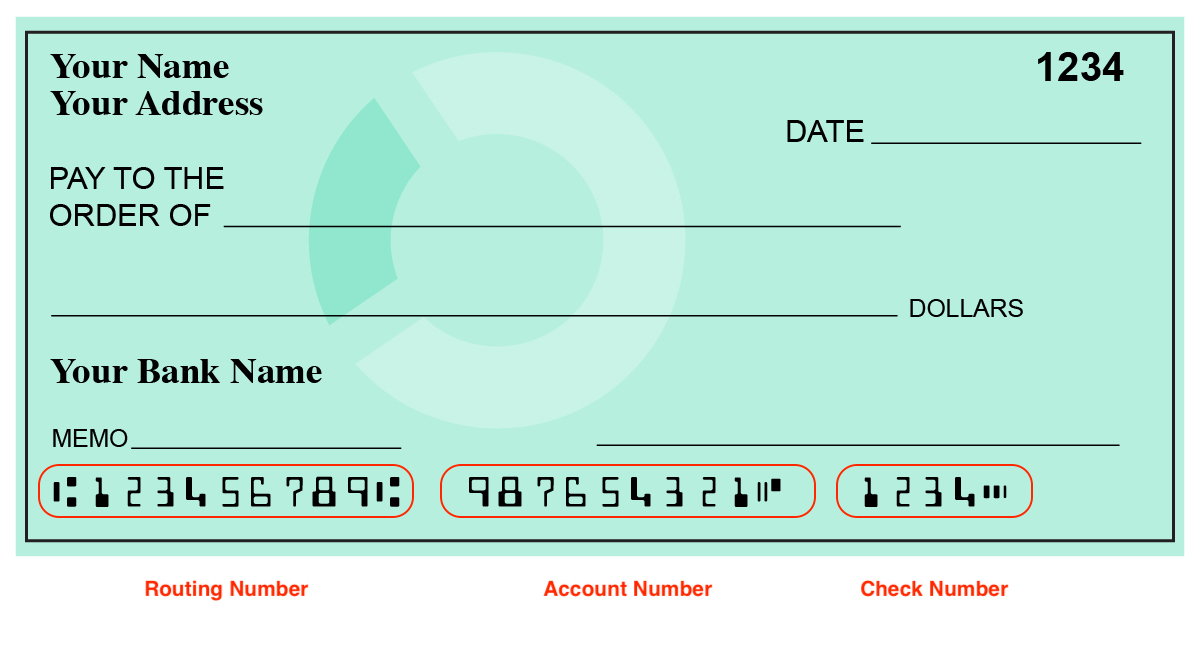
To the untrained eye, the numbers at the bottom of a check may look like a single, long serial code. In reality, this line is composed of three distinct pieces of information known as the MICR (Magnetic Ink Character Recognition) line. This technology allows bank sorting machines to read the information quickly and accurately, regardless of the handwriting on the rest of the document.
The Routing Transit Number (RTN)
The routing number is almost always the first set of numbers printed on the bottom-left corner of your check. It is a nine-digit code that serves as an “address” for your financial institution. Established by the American Bankers Association (ABA) in 1910, the routing transit number identifies the specific bank responsible for the account.
The nine-digit structure is not random. The first two digits indicate the Federal Reserve district where the bank is located. The third digit identifies the Federal Reserve check processing center assigned to the bank, and the fourth digit identifies the state where the bank is headquartered. Digits five through eight represent the specific financial institution, and the final ninth digit is a “check digit” used to verify the validity of the previous eight.
The Account Number
Immediately following the routing number (usually separated by a unique symbol) is your bank account number. Unlike the routing number, which is shared by every customer at your specific branch or region of a bank, your account number is unique to you. It typically ranges from eight to twelve digits, though this can vary depending on the institution’s internal systems. This is the specific destination where the funds will be withdrawn or deposited.
The Check Number
The shortest sequence of numbers, usually found to the right of the account number, is the check number. This matches the number found in the top-right corner of the check. It is used for your personal record-keeping and allows the bank to track which specific checks have been processed to prevent fraud or duplicate payments.
Why Your Routing Number Is Essential for Modern Personal Finance
Understanding your routing number is more than a technicality; it is a key that unlocks various financial services. In the context of personal finance and wealth management, the routing number is the primary bridge between your local bank account and the wider financial world.
Direct Deposits and Payroll
One of the most common uses for a routing number is setting up direct deposit. Whether it is your salary, a tax refund from the IRS, or Social Security benefits, the sender requires your routing number to know which bank to send the money to and your account number to know which pocket to put it in. Missing a single digit in the routing number can lead to significant delays, as the funds may be sent to the wrong Federal Reserve district or rejected entirely by the receiving system.
Automated Clearing House (ACH) Transfers
Most online bill payments—such as those for utilities, credit cards, or car loans—utilize the ACH network. When you provide your banking details to a service provider, they use the routing number to “pull” the authorized funds from your account. This system is the backbone of domestic electronic fund transfers in the United States, processing trillions of dollars annually. For those managing side hustles or online businesses, providing an accurate routing number to platforms like Stripe, PayPal, or Amazon is essential for receiving payouts.

Domestic Wire Transfers
While ACH transfers are common for everyday bills, wire transfers are the standard for high-value transactions that require immediate settlement, such as real estate closings or large brokerage deposits. It is important to note that some larger financial institutions use a specific routing number for wire transfers that differs from the one found on your paper checks. Always verify with your bank if a specialized wire routing number is required before initiating a large move of capital.
How to Find Your Routing Number Without a Physical Check
As we move toward a “checkless” society, many consumers no longer carry physical checkbooks. If you find yourself needing your routing number but do not have a check handy, there are several reliable ways to retrieve this information through digital channels.
Online Banking Portals and Mobile Apps
The most efficient way to find your routing number today is via your bank’s mobile app or website. After logging into your secure portal, navigate to the “Account Details” or “Account Summary” section. Most banks will display the routing number alongside your current balance. In some cases, you may need to click on “Paperless Statements” or “Direct Deposit Information” to view a digital image of a voided check, which will clearly label the routing and account numbers for you.
Monthly Bank Statements
If you have access to your monthly statements—either in digital PDF format or physical mail—the routing number is usually listed in the header or the footer of the document. This is an official record and is a highly reliable source for your banking coordinates.
The American Bankers Association (ABA) Lookup
If you know the official name of your bank but cannot find the number, the American Bankers Association provides an online lookup tool. By entering the bank’s name and the state where your account was opened, you can often find the routing number. However, use caution with this method: large national banks often have dozens of different routing numbers based on the state where the account was originally opened or the specific type of account (commercial vs. personal).
Common Pitfalls and Security Considerations
In the world of personal finance, accuracy is synonymous with security. Mismanaging your routing and account numbers can lead to financial headaches or, in worse scenarios, exposure to fraud.
Wire vs. ACH Routing Numbers
A frequent mistake made by consumers is using the routing number found on their check for an incoming international wire transfer. As mentioned earlier, the number on your check is primarily for ACH and domestic check clearing. Using the wrong number can result in the transfer being stuck in “financial limbo” for days or weeks while banks manually investigate the destination. If you are involved in international business or investing, always request the bank’s SWIFT/BIC code and their specific wire routing instructions.
Keeping Your Financial Data Secure
While a routing number itself is not “secret”—after all, it is the same for every customer at your branch—it becomes a security risk when paired with your account number. Together, these two pieces of information are all someone needs to initiate an unauthorized ACH withdrawal from your account.
To protect your finances:
-
Never share your check details over unencrypted email. If you must send a voided check to an employer, use a secure file-sharing portal.
-
Be wary of “Check Washing” scams. If you still mail physical checks, use a gel-based ink pen, which is much harder for fraudsters to chemically erase and rewrite.
-
Monitor your accounts regularly. Use banking alerts to notify you of any ACH transfers, ensuring that every “pull” from your account is one you authorized.

Conclusion: Mastering Your Financial Documentation
The routing number is a small but mighty component of the financial system. It serves as the fundamental link between your personal wealth and the massive network of global commerce. By understanding that the routing number is the nine-digit code located at the bottom-left of your check, you empower yourself to manage your money with greater precision and confidence.
Whether you are automating your investments, scaling a business, or simply ensuring your bills are paid on time, the ability to accurately identify and provide your banking credentials is a foundational skill in financial literacy. In a digital world, the data printed on a paper check remains the standard language of money movement, bridging the gap between traditional banking and the future of finance.
aViewFromTheCave is a participant in the Amazon Services LLC Associates Program, an affiliate advertising program designed to provide a means for sites to earn advertising fees by advertising and linking to Amazon.com. Amazon, the Amazon logo, AmazonSupply, and the AmazonSupply logo are trademarks of Amazon.com, Inc. or its affiliates. As an Amazon Associate we earn affiliate commissions from qualifying purchases.