
The quest for the “best” credit card is a central theme in modern personal finance. However, the answer is rarely a single product or a specific bank. Instead, the ideal credit card is a moving target, defined by an individual’s spending patterns, financial goals, and credit history. For some, the best card is one that facilitates a dream vacation through accumulated miles; for others, it is a pragmatic tool that offers a flat percentage of cash back on every grocery run. To determine which card deserves a spot in your wallet, one must look beyond the flashy sign-up bonuses and delve into the mechanics of interest rates, reward structures, and long-term financial health.
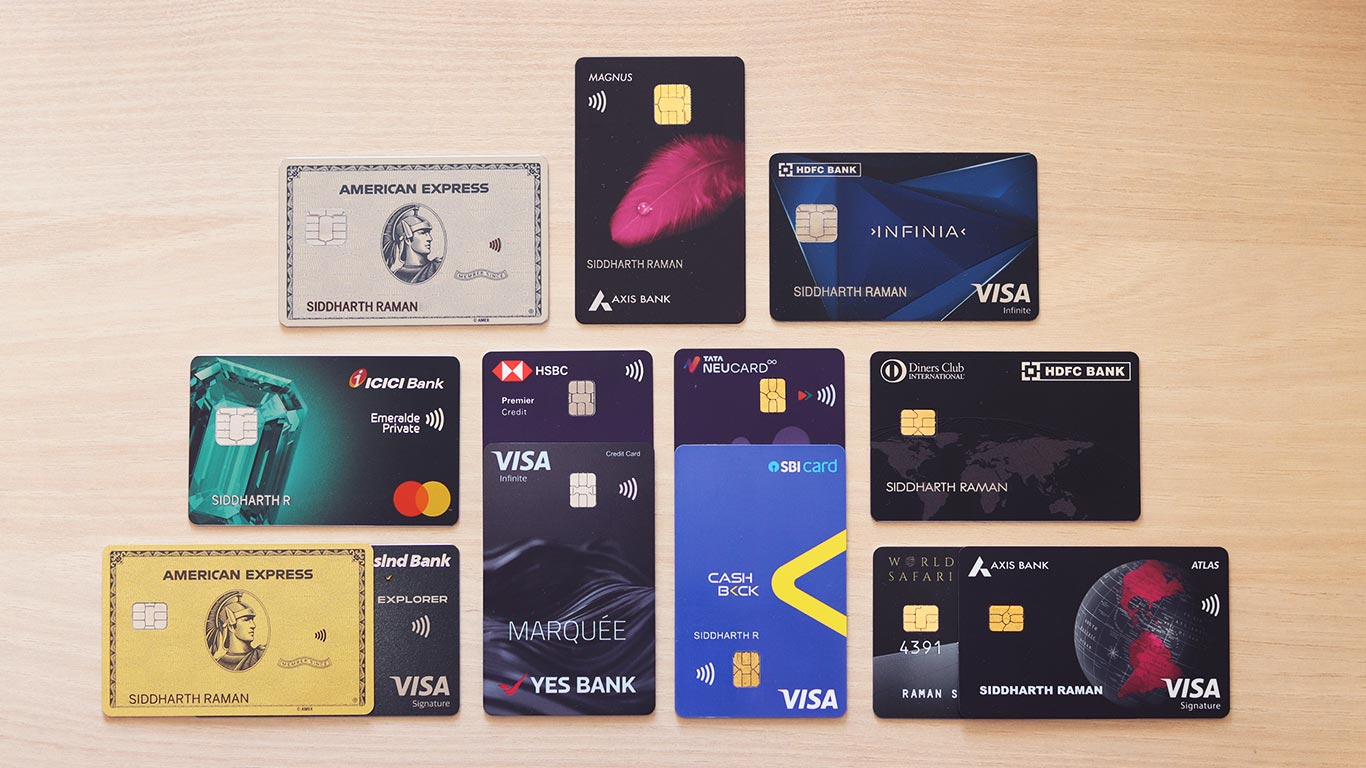
Understanding Your Spending Profile: The Foundation of Choice
Before looking at market offerings, a thorough self-audit of your financial habits is mandatory. A credit card is essentially a financial leverage tool, and like any tool, its effectiveness depends on how it is applied. If you spend $1,000 a month on dining and entertainment but hold a card that prioritizes gas station rewards, you are leaving significant capital on the table.
Analyzing Monthly Cash Flow
The first step in selecting a card is to categorize your expenses over the last six months. Most financial institutions now provide year-end summaries or monthly breakdowns that categorize spending into buckets such as groceries, travel, dining, utilities, and retail. If your spending is heavily weighted toward a specific category, a “tiered” rewards card—one that offers 3% to 5% back on specific sectors—will likely outperform a flat-rate card. Conversely, if your spending is fragmented across many small, non-specific categories, a flat 2% cash-back card on all purchases may provide a higher total yield.
The Generalist vs. The Specialist
Financial experts often distinguish between “generalist” cards and “specialist” cards. A generalist card is the “set it and forget it” option, offering a consistent reward rate regardless of where the card is swiped. This is ideal for those who value simplicity and do not want to manage multiple accounts. A specialist card, however, targets high-volume spenders in specific niches. For example, business owners who spend heavily on digital advertising or shipping may find that a specialized business credit card offers returns that far exceed any consumer-grade generalist card.
Navigating the Reward Ecosystems: Cash Back, Points, and Miles
The primary allure of premium credit cards is the rewards system. These systems are generally divided into three main categories: liquid cash back, flexible travel points, and co-branded loyalty miles.
Cash Back: The Pragmatic Choice
Cash back is the most transparent and arguably the most versatile reward. It functions as a direct discount on everything you buy. Whether it is applied as a statement credit or deposited into a high-yield savings account, cash back offers immediate liquidity. For those focused on “fire” (Financial Independence, Retire Early) principles, cash back can be viewed as an additional 2% margin on their savings rate. The lack of complexity is its greatest strength; there are no blackout dates, no devaluations of points, and no need to study complex transfer partner charts.
Travel Points and Miles: The High-Yield Strategy
For the frequent traveler or the “points enthusiast,” travel rewards can offer a significantly higher “cents per point” (CPP) value than cash back. While cash back is always worth exactly one cent per percent, travel points—when transferred to airline or hotel partners—can sometimes be redeemed for three, four, or even five cents per point, especially for business or first-class international travel.
However, this high yield comes with a “complexity tax.” To extract maximum value, the cardholder must understand the nuances of alliance partners, peak vs. off-peak pricing, and the strategic transfer of points from a central hub to a specific service provider. If you are not willing to spend time researching redemption options, the “best” travel card could quickly become a liability due to its typically high annual fees.
Co-Branded Cards: Loyalty and Perks
Co-branded cards are partnerships between banks and specific brands, such as airlines, hotel chains, or major retailers. These cards are rarely the best for everyday spending because their rewards are locked into a single ecosystem. However, they are often the best for the “perks” they provide. An airline card might offer free checked bags and priority boarding, which can save a frequent flyer hundreds of dollars a year—far outweighing the rewards earned from spending. In this context, the “best” card is the one that minimizes the friction and costs of your existing lifestyle.
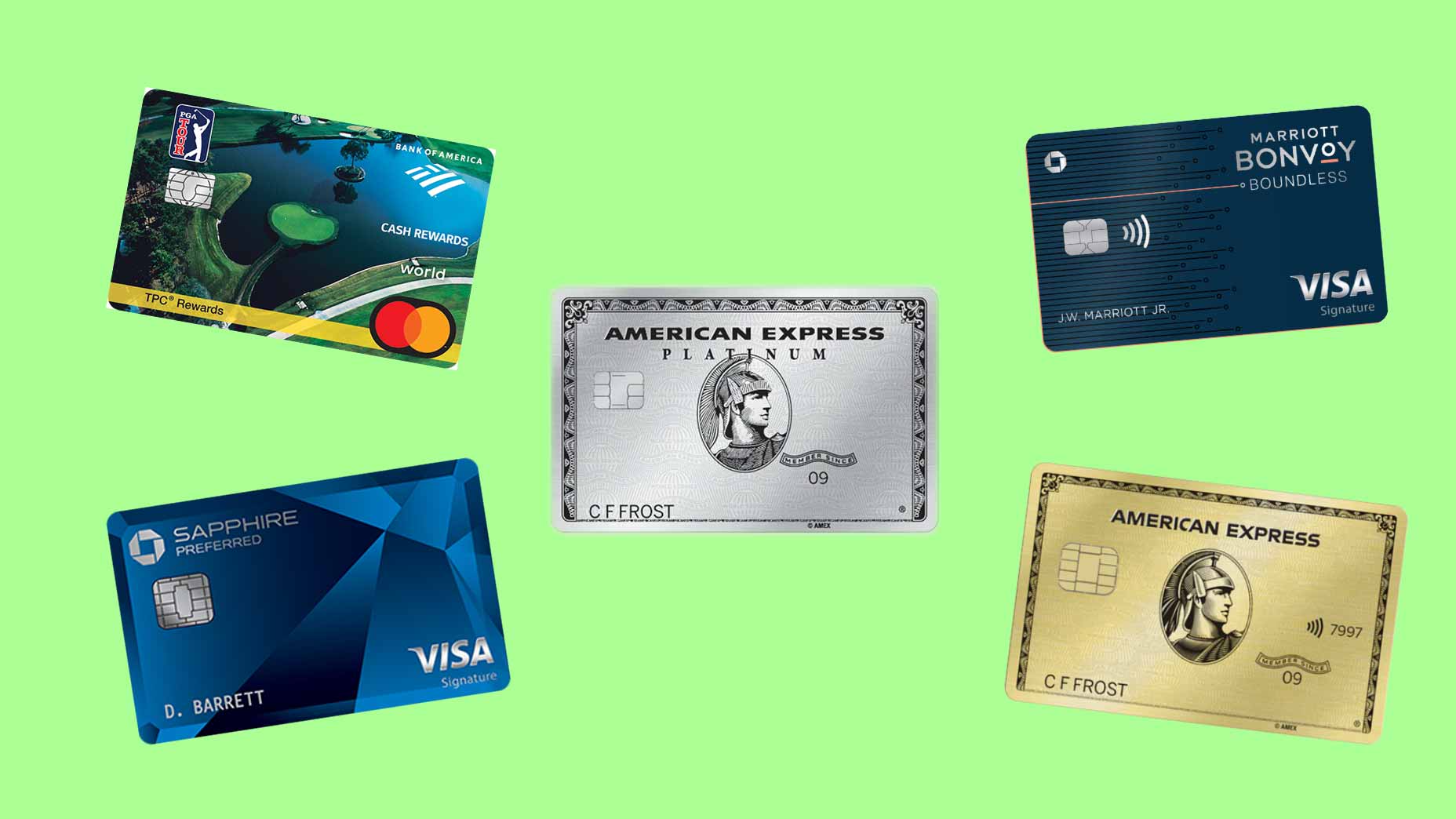
The Math Behind Fees, APR, and Net Value
A common mistake in the search for the best credit card is ignoring the “cost of ownership.” A card with a 5% reward rate might seem superior to one with 2%, but if the former carries a $550 annual fee and the latter is free, the math changes significantly.
Calculating the Break-Even Point
To determine if a premium card is worth it, you must calculate its net value. This is done by taking the total expected rewards and benefits and subtracting the annual fee. For example, if a card offers a $200 travel credit, a $100 dining credit, and you value those services at face value, a $450 annual fee is effectively reduced to $150. You then must determine if the remaining points earned will exceed that $150 threshold. If your annual spending doesn’t generate enough rewards to cover the “effective” fee, the “best” card for you is likely a no-fee alternative.
The Danger of APR and Interest
For anyone who carries a balance from month to month, the “best” credit card is unequivocally the one with the lowest Annual Percentage Rate (APR). In fact, if you are paying interest, the rewards are irrelevant. A 2% cash-back reward is inconsequential when compared to a 24% interest charge.
For individuals currently managing debt, the best card is a 0% APR balance transfer card. These tools allow you to move high-interest debt to a new account with a grace period—often 12 to 21 months—where no interest is charged. This is a strategic financial move that prioritizes debt elimination over reward accumulation, which is the cornerstone of long-term wealth building.
Impact on Credit Health and Financial Strategy
The credit card you choose—and how you use it—dictates your credit score, which in turn dictates your ability to secure low-interest mortgages and auto loans. The best card is one that helps you build a “thick” credit file and a high score.
Credit Utilization and Limits
A card with a high credit limit can be beneficial even if you don’t intend to spend much. Credit utilization—the ratio of your balance to your total limit—accounts for 30% of your FICO score. By securing a card with a high limit and keeping your spending low, you maintain a low utilization ratio, which signals financial stability to lenders. Therefore, the “best” card for someone looking to buy a home in two years might be a card from an issuer known for granting generous initial limits.
Longevity and Account Age
The “age of accounts” is another critical factor in credit scoring. This makes “no-fee” cards particularly valuable. Because they cost nothing to keep open, they can serve as the “anchor” of your credit history for decades. When considering the best card, it is wise to ensure you have at least one or two no-fee cards that you never intend to close, providing a permanent boost to the average age of your accounts.

Final Verdict: How to Choose Your Winning Card
There is no universal “best” credit card, but there is a systematic way to find the best one for your current financial season.
-
For the Debt-Conscious: If you currently have high-interest debt, the best card is a 0% APR balance transfer card with a long introductory period.
-
For the Minimalist: If you want simplicity and guaranteed returns, the best card is a no-annual-fee, 2% flat-rate cash-back card.
-
For the High-Spender/Traveler: If you spend significantly on travel and dining and enjoy the “game” of optimization, the best card is a premium travel rewards card with a high sign-up bonus and flexible transfer partners.
-
For the Budget-Focused Family: If the bulk of your budget goes to groceries and gas, the best card is a tiered rewards card that offers 3% to 6% back in those specific merchant categories.
Ultimately, the best credit card is a component of a larger financial strategy. It should act as a frictionless extension of your spending, providing a marginal gain on every dollar while reinforcing your credit profile. By aligning the card’s features with your documented spending habits and financial objectives, you transform a simple piece of plastic into a powerful engine for wealth optimization.
aViewFromTheCave is a participant in the Amazon Services LLC Associates Program, an affiliate advertising program designed to provide a means for sites to earn advertising fees by advertising and linking to Amazon.com. Amazon, the Amazon logo, AmazonSupply, and the AmazonSupply logo are trademarks of Amazon.com, Inc. or its affiliates. As an Amazon Associate we earn affiliate commissions from qualifying purchases.