
The names Nicola Sacco and Bartolomeo Vanzetti resonate through history, not for their technological innovations, business acumen, or personal financial triumphs, but for a tragic intersection of social injustice, political fervor, and the enduring power of narrative. Their story, far removed from the gleaming towers of tech or the calculated strategies of branding, offers profound lessons about how information, perception, and even the digital tools we wield today can influence the course of justice and shape public opinion. While the website’s core focus lies in technology, branding, and money, the Sacco and Vanzetti case provides a compelling lens through which to examine the underlying principles that connect these domains to the very fabric of our society – namely, the dissemination of information, the construction of narratives, and the very real-world consequences of both.
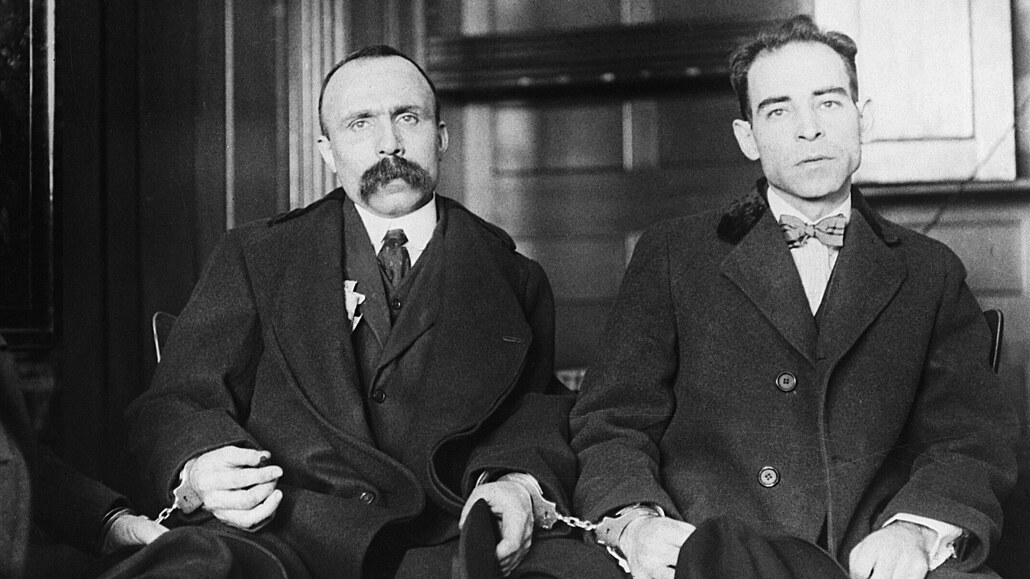
This article will delve into the events surrounding Sacco and Vanzetti, exploring the alleged crime, the controversial trial, and the enduring questions of their guilt or innocence. We will then examine how branding and the manipulation of public perception played a crucial role in their fate, and how, even in the pre-digital age, the battle for their story mirrored the battles for narrative control we see in today’s tech-driven world. Finally, we will consider the financial and social implications of their case, offering a stark reminder that the pursuit of justice is not merely a legal endeavor, but a deeply human one, often shaped by factors that transcend the purely rational.
The Crime and the Accusation: A Shadow of Doubt
In April 1920, a payroll robbery and the murder of the paymaster and a guard occurred at the Slater and Morrill Shoe Company in Braintree, Massachusetts. The timing and the violent nature of the crime immediately triggered a wave of fear and suspicion in a post-World War I America grappling with anxieties about radicalism and immigration. Within days, Nicola Sacco, a shoemaker, and Bartolomeo Vanzetti, a fish peddler, both Italian immigrants and known anarchists, were arrested.
Their arrests were not based on overwhelming evidence but on a confluence of circumstantial factors and, crucially, their ethnicity and political beliefs. Sacco was apprehended carrying a pistol, and Vanzetti was found with ammunition. Both men were known to associate with radical circles and had evaded military service during the war, behaviors that were viewed with extreme suspicion in the prevailing atmosphere of Red Scare hysteria. The prosecution’s case, built on eyewitness testimonies that were later questioned, ballistics evidence that remains a subject of intense debate, and the defendants’ own nervous demeanor, was presented to a jury in a climate already predisposed to viewing them as dangerous outsiders.
The narrative constructed by the prosecution was that Sacco and Vanzetti were not just common criminals, but agents of a radical agenda, using violence to advance their cause. This narrative resonated with a public already fearful of anarchism and the influx of foreign ideologies. The lack of definitive proof was often overlooked, overshadowed by the prevailing social and political biases. This early stage of the case highlights how initial impressions and the framing of information can powerfully influence subsequent events, a principle that remains acutely relevant in the age of viral news and social media.
The Trial and the Appeal: A Legal Battle Steeped in Bias
The Sacco and Vanzetti trial, which began in 1921, became a symbol of the perceived injustices faced by immigrants and political dissidents in America. Judge Webster Thayer, who presided over the case, was openly hostile towards the defendants and their defense attorneys, consistently ruling against motions that could have benefited Sacco and Vanzetti. His pronouncements, such as referring to the defendants as “those anarchist bastards,” painted a grim picture of the judicial process.
The defense team, while dedicated, faced immense challenges. They struggled with limited resources, language barriers with their clients, and the pervasive anti-immigrant sentiment of the time. The prosecution, on the other hand, skillfully utilized the available evidence, albeit questionable, to paint a picture of guilt. The ballistics evidence, for instance, was presented as conclusive, despite the limitations of the technology at the time and the fact that it was not definitively proven that Sacco’s gun fired the fatal bullet.
The appeals process became a protracted saga, extending for six years. During this time, a global outcry emerged, with many believing Sacco and Vanzetti were innocent victims of a flawed justice system. Prominent intellectuals, artists, and activists from around the world lent their voices to the cause, creating a powerful international narrative that challenged the American narrative. This era demonstrated the nascent power of global communication and the ability of a well-articulated message to transcend national borders. The “Save Sacco and Vanzetti” movement became a significant example of how public opinion, fueled by advocacy and accessible information (albeit through newspapers and pamphlets then), could put pressure on governmental institutions.
The Power of Perception: Branding the Accused
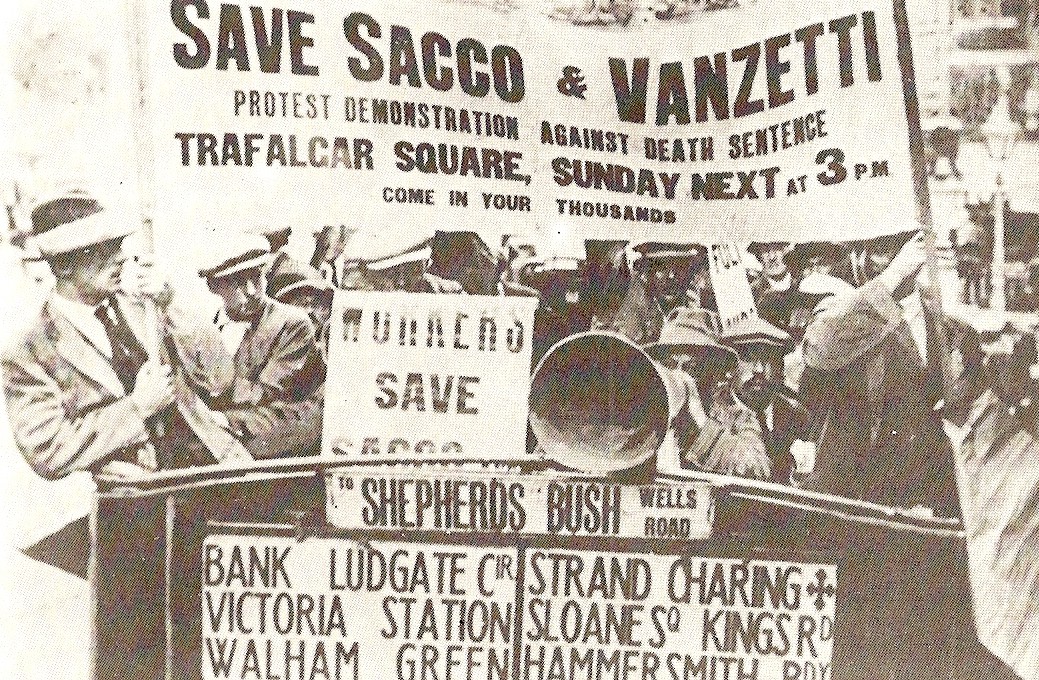
While Sacco and Vanzetti were not consciously engaging in personal branding in the modern sense, the prosecution and the media effectively “branded” them in the public consciousness. They were not simply accused of murder; they were branded as “anarchists,” “radicals,” and “foreigners” – labels designed to evoke fear and suspicion. This branding was far more potent than any factual evidence presented in court.
The prosecution’s strategy was to associate the men with the negative connotations of their political beliefs. By portraying them as dangerous ideologues, their alleged crime was framed not as a singular act of violence, but as an embodiment of a larger threat. This is a tactic still employed today in political discourse and even in marketing, where a brand’s association with certain values or archetypes can significantly influence consumer perception.
Conversely, the defense and their supporters attempted to rebrand Sacco and Vanzetti as innocent working men, victims of prejudice. They highlighted their contributions to their communities, their dedication to their families, and their commitment to peaceful protest. This struggle for narrative control, for the ability to define who Sacco and Vanzetti truly were in the eyes of the public, was as critical as the legal proceedings themselves.
In today’s digital landscape, where information travels at lightning speed, the art of branding and narrative control is amplified. Social media platforms can instantaneously create or dismantle reputations. The Sacco and Vanzetti case serves as an ancient precursor, demonstrating how effectively constructing and disseminating a compelling narrative, even one based on fear and prejudice, can have devastating real-world consequences. The principles of influence, audience targeting, and the strategic deployment of information, central to modern branding and marketing, were already at play, albeit through different mediums.
The Legacy: Echoes in Technology, Brand, and Finance
The story of Sacco and Vanzetti, though rooted in the early 20th century, continues to offer relevant insights into our modern preoccupations with technology, brand, and money.
Technological Echoes: Information, Disinformation, and the Quest for Truth
The Sacco and Vanzetti case was a stark illustration of how the dissemination of information, or lack thereof, can shape public opinion and influence judicial outcomes. In an era before the internet, newspapers, pamphlets, and public rallies were the primary channels for information. Misinformation, sensationalism, and biased reporting were rampant. Today, with the proliferation of digital platforms, the speed and reach of information – and disinformation – have escalated exponentially. The challenges of verifying sources, discerning truth from falsehood, and combating the spread of conspiracy theories, all evident in the Sacco and Vanzetti era, are amplified in our interconnected world. The quest for objective truth in the face of powerful, often emotionally charged narratives remains a critical challenge, whether it’s in understanding a complex technological development or evaluating the credibility of a news source.
Branding and Reputation: The Enduring Battle for Public Perception
The way Sacco and Vanzetti were “branded” by the prosecution – as dangerous anarchists – underscores the enduring power of reputation and how it can be strategically manipulated. In the business world, a strong brand identity is crucial for success. Similarly, personal branding is essential for individuals seeking to establish themselves in their careers. The Sacco and Vanzetti case demonstrates the darker side of this, where negative branding, fueled by prejudice and fear, can lead to ostracism and injustice. The subsequent efforts by their supporters to rebrand them as innocent victims also highlight the importance of proactive reputation management and the power of counter-narratives. In an age where online reviews, social media presence, and public statements can instantly shape perceptions, the lessons from Sacco and Vanzetti about the construction and defense of one’s reputation are more vital than ever.

Financial and Social Justice: The Cost of Injustice
The Sacco and Vanzetti case also has significant financial and social justice implications. The immense legal costs incurred by their defense, the loss of their earning potential, and the societal costs of a protracted and controversial trial all represent a substantial economic burden. More importantly, the case highlights the disproportionate impact of systemic biases on marginalized communities, particularly immigrants. The financial well-being of individuals is intrinsically linked to their freedom, their ability to work, and their access to justice. The economic consequences of wrongful conviction and prolonged incarceration can be devastating, perpetuating cycles of poverty and disenfranchisement. In today’s world, discussions about financial inclusion, equitable access to resources, and the economic impact of social justice issues are paramount. The Sacco and Vanzetti story serves as a somber reminder that economic opportunity and social justice are not mutually exclusive, but are deeply intertwined, and that a flawed system can impose significant financial and human costs on individuals and society as a whole.
In conclusion, while Nicola Sacco and Bartolomeo Vanzetti were not titans of technology, branding gurus, or financial moguls, their tragic story offers profound and enduring lessons that resonate across these domains. It is a testament to the power of information, the manipulation of perception, and the undeniable connection between justice, truth, and the narratives we choose to believe. The questions of “what happened to Sacco and Vanzetti” continue to echo, reminding us of the critical importance of critical thinking, the ethical responsibility in information dissemination, and the unwavering pursuit of a just society for all.
aViewFromTheCave is a participant in the Amazon Services LLC Associates Program, an affiliate advertising program designed to provide a means for sites to earn advertising fees by advertising and linking to Amazon.com. Amazon, the Amazon logo, AmazonSupply, and the AmazonSupply logo are trademarks of Amazon.com, Inc. or its affiliates. As an Amazon Associate we earn affiliate commissions from qualifying purchases.