
In the modern era of instantaneous digital transfers and mobile wallets, the humble paper check remains a foundational pillar of the global financial system. Whether you are setting up a direct deposit for a new job, authorizing an automated clearing house (ACH) payment for your mortgage, or simply transferring funds between different banking institutions, you will inevitably be asked for your routing number.
For many, the physical check is the most reliable source for this information. However, a check is crowded with various strings of numbers, symbols, and bank branding, which can lead to confusion. Understanding exactly where to look and what these numbers represent is more than just a matter of convenience; it is a critical skill in managing your personal finance and ensuring the security of your transactions.

Decoding the Bottom Line: Identifying the Routing Number
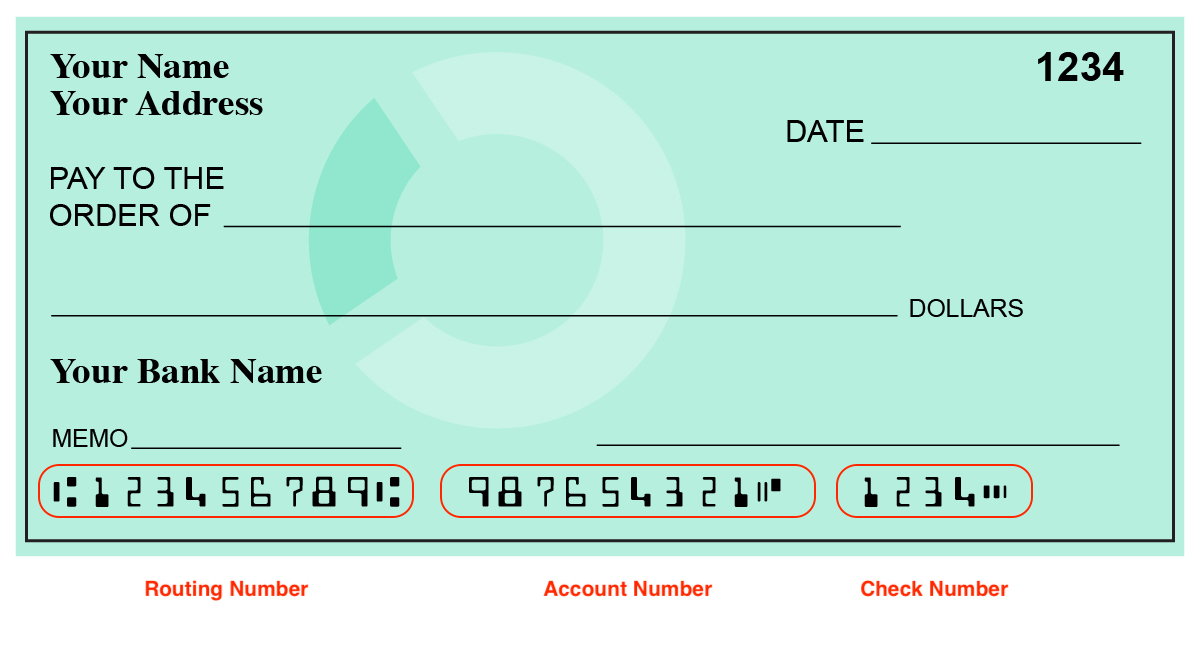
When you look at a standard personal or business check, your attention should immediately gravitate toward the bottom edge. This area contains a series of numbers printed in a specialized font known as Magnetic Ink Character Recognition (MICR). This ink allows high-speed processing machines at banks and clearinghouses to read the information electronically, even if the check is slightly crumpled or soiled.
The Nine-Digit Sequence
The routing number, also known as an American Bankers Association (ABA) routing transit number (RTN), is almost always the first set of numbers printed on the bottom-left corner of your check. In the United States, a routing number is strictly nine digits long. If the number you are looking at has more or fewer than nine digits, it is likely your account number or the specific check number.
The routing number is typically bracketed by a specific MICR symbol that looks like a vertical bar with two squares. This symbol acts as a delimiter, telling the electronic scanner where the routing information begins and ends.
Distinguishing the Routing Number from Other Data
To the right of the routing number, you will find a second string of digits, which is your unique account number. Depending on the bank, the account number may be followed by the check number, or the check number might appear between the routing and account numbers.
A foolproof way to identify the routing number is to count the digits. Since the ABA format is standardized at nine digits, identifying that specific block of numbers is the quickest way to ensure you have the correct data. Furthermore, on most modern checks, the routing number is the left-most sequence.
The Anatomy of the ABA Routing Number
The routing number is not a random sequence of integers. It is a highly structured code that provides specific information about the financial institution where your account is held. Understanding this anatomy can help you verify that the information you are providing is accurate.
The Federal Reserve District (Digits 1-4)
The first two digits of the routing number indicate the Federal Reserve district where the bank is located. There are 12 Federal Reserve districts in the United States (e.g., 01 for Boston, 02 for New York, 12 for San Francisco). The third digit signifies the specific Federal Reserve check processing center assigned to that bank, and the fourth digit identifies the state where the bank’s headquarters is located.
The Institution Identifier (Digits 5-8)
The next four digits (the fifth through the eighth) represent the specific ABA institution identifier. This is a unique code assigned to each individual bank or credit union. Even if two banks are in the same city, they will have different institution identifiers. This ensures that when money is sent via the ACH network, it reaches the exact bank intended.
The Check Digit (Digit 9)
The final digit is known as the “check digit.” This is a mathematical placeholder derived from a complex formula involving the first eight digits. When a computer scans the routing number, it applies this formula to the first eight numbers to see if the result matches the ninth digit. If the numbers do not correlate, the system immediately flags the routing number as invalid, preventing transaction errors caused by typos or scanning glitches.
Routing Numbers vs. Account Numbers: Knowing the Difference
In the context of personal finance management, it is vital to distinguish between your routing number and your account number. While they are often requested together, they serve very different purposes in the mechanical flow of money.
The Identity of the Institution
Think of the routing number as the “address” of your bank. It tells the financial system which building the money needs to go to. Because the routing number identifies the bank as a whole, every customer at that specific branch or region of a large national bank will likely have the exact same routing number. It is public information that is not unique to you.
The Identity of the Individual
Conversely, the account number is your “apartment number” within that building. It is unique to your specific checking or savings account. While sharing your routing number is relatively low-risk—often found on a bank’s public website—sharing your account number requires significantly more caution, as it is the key to your specific funds.
Usage in ACH and Wire Transfers
When setting up an ACH transfer, such as a utility bill payment, both numbers are required to create a “handshake” between the two institutions. However, users should be aware that some banks use different routing numbers for domestic wire transfers than they do for ACH transfers or paper checks. If you are receiving a large wire transfer, always verify with your bank whether you should use the routing number found on your check or a specialized wire routing number.
Why the Routing Number Matters in Modern Finance
While we are moving toward a “cashless” society, the routing number remains the invisible backbone of almost every digital transaction. Its importance extends far beyond the physical piece of paper.
Direct Deposits and Payroll
For most employees, the most frequent use of a routing number is for direct deposit. By providing your employer with the routing and account numbers from your check, you enable their payroll system to push funds directly into your account through the ACH network. This eliminates the “float” time of waiting for a check to clear and provides immediate access to earnings.
Tax Refunds and Government Payments
The Internal Revenue Service (IRS) and the Social Security Administration heavily favor electronic transfers over paper checks. When filing tax returns, providing an accurate routing number ensures that your refund is deposited securely and much faster than a mailed check. Errors in transcribing the routing number from your check to a tax form are a leading cause of delayed refunds.
Subscription Services and “Paperless” Billing
Many consumers choose to pay recurring bills—such as insurance premiums or gym memberships—directly from their checking accounts to avoid credit card convenience fees. These transactions rely exclusively on the MICR information found at the bottom of your check. Understanding how to find this number ensures you can navigate these setups without having to call your bank’s customer service line.
Security Protocols and Managing Your Banking Data
Because the routing and account numbers are printed clearly on every check you write, they are inherently “exposed” data. In the realm of financial security, protecting this information is paramount to preventing unauthorized withdrawals and identity theft.
The Risk of Check Washing and Forgery
“Check washing” is a technique where criminals use chemicals to erase the payee and amount on a physical check while leaving the MICR line (the routing and account numbers) intact. They then rewrite the check to themselves for a larger amount. Because the routing number is valid, the check may initially clear the system. This highlights why it is important to monitor your bank statements frequently and report any unfamiliar ACH transactions immediately.
Digital Alternatives: Using Your Banking App
If you do not have a physical checkbook handy, most modern banking apps provide a digital version of your routing number. This is often found under “Account Details” or “Direct Deposit Information.” Using the app is often more secure than carrying a physical check, as the app is protected by biometric data or multi-factor authentication.
What to Do If Your Information Is Compromised
If you believe someone has obtained the routing and account numbers from your checks and is using them for unauthorized ACH transfers, the first step is to contact your financial institution to “freeze” or close the account. Because the routing number is public, you cannot change it; however, the bank will issue you a new account number. This process can be cumbersome, as it requires updating all your direct deposits and automatic bill pays, which underscores the importance of keeping your physical checks in a secure, locked location.

Conclusion
The routing number is a small but mighty component of your financial life. Located at the bottom-left of your check, these nine digits connect your individual account to the vast, complex network of global finance. By understanding how to locate it, what the digits represent, and how it differs from your account number, you gain greater control over your personal cash flow and a deeper insight into the mechanics of the banking system. Whether you are a business owner managing B2B payments or an individual setting up a savings plan, the routing number is your essential guide to ensuring your money goes exactly where it belongs.
aViewFromTheCave is a participant in the Amazon Services LLC Associates Program, an affiliate advertising program designed to provide a means for sites to earn advertising fees by advertising and linking to Amazon.com. Amazon, the Amazon logo, AmazonSupply, and the AmazonSupply logo are trademarks of Amazon.com, Inc. or its affiliates. As an Amazon Associate we earn affiliate commissions from qualifying purchases.