
When Amazon was established on July 5, 1994, the landscape of global commerce was fundamentally different. Operating out of a garage in Bellevue, Washington, Jeff Bezos did not just launch an online bookstore; he initiated a masterclass in brand strategy that would eventually redefine the relationship between corporations and consumers. While the technical infrastructure and financial milestones of Amazon are significant, the brand’s enduring legacy lies in its identity—a relentless pursuit of customer obsession and a visionary approach to corporate storytelling.
Understanding the history of Amazon’s establishment requires a deep dive into how a singular brand identity was forged in the fires of the early internet era. This article explores the strategic decisions that transformed a niche digital bookseller into the “Everything Store,” focusing on the branding maneuvers, psychological positioning, and identity-building blocks that made Amazon a household name.
The Genesis of the Amazon Brand Identity
The establishment of Amazon was not a happy accident; it was a meticulously planned branding exercise. When Bezos first incorporated the company, the name he chose was not Amazon, but “Cadabra,” derived from the magic phrase “Abracadabra.” However, a brand is only as strong as its perception, and when a lawyer misheard the name as “Cadaver,” Bezos realized the importance of a name that resonated with vitality and scale rather than mystery or morbidity.
From Cadabra to the Amazon River: A Strategic Naming Pivot
In late 1994, Bezos began searching for a name that would reflect the scale of his ambition. He landed on “Amazon” for two primary reasons. First, the Amazon River is the largest in the world by volume, a fitting metaphor for a company that aimed to house the world’s largest selection of products. Second, in the early days of the internet, website listings were often alphabetized. Starting with the letter “A” ensured that the company would appear at the top of directory searches, an early example of strategic SEO-driven branding.
The Symbolism of the Logo: Connecting A to Z with a Smile
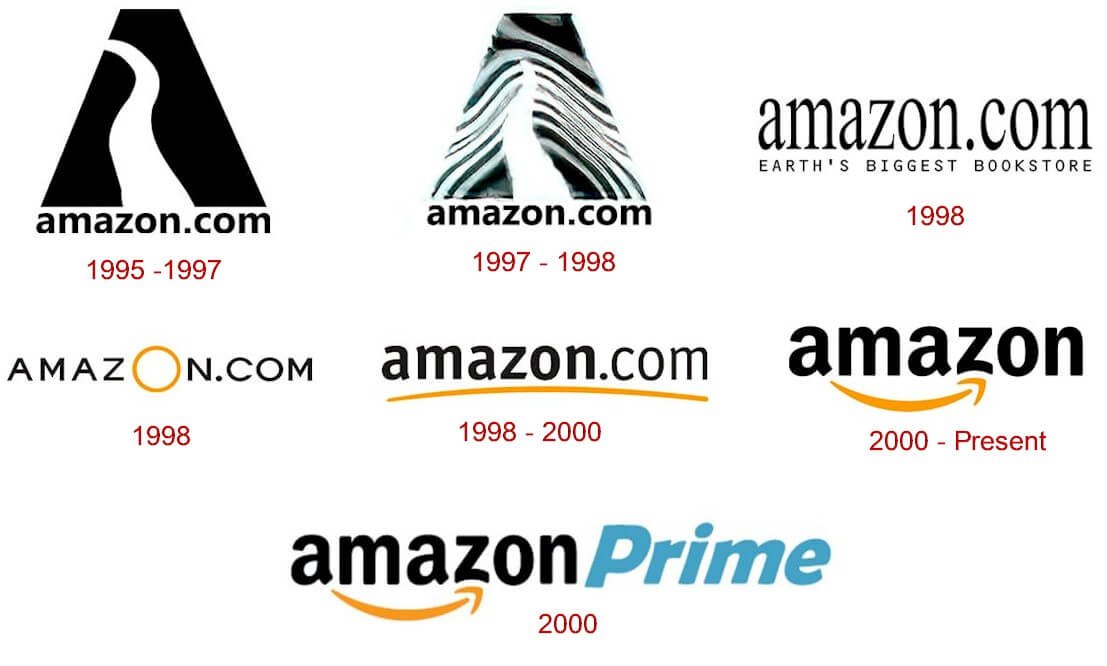
A brand’s visual identity is its most immediate point of contact with the public. Amazon’s current logo, introduced in 2000, is a triumph of brand design. The arrow that curves from the ‘A’ to the ‘Z’ serves a dual purpose: it signifies that the company carries every product imaginable (from A to Z) and it forms a smile, representing the satisfaction of the customer. This visual shorthand communicates the brand’s core values of variety and service without needing a single word of copy.
Defining the “Day One” Philosophy
Perhaps the most critical component of Amazon’s corporate identity established in its early years is the “Day One” philosophy. Bezos used this mantra to ensure that the brand never became stagnant. “Day One” is about maintaining a startup mentality—staying nimble, making decisions quickly, and remaining obsessively focused on the customer. This internal branding has become a legendary case study in corporate culture, signaling to employees and stakeholders that the company’s evolution is never complete.
Building Brand Trust through Customer Obsession
When Amazon was established, the primary barrier to e-commerce success was a lack of consumer trust. People were hesitant to enter credit card details into a browser. Amazon’s brand strategy addressed this by positioning the company not as a vendor, but as a customer advocate. This shift from “selling to customers” to “working for customers” became the cornerstone of their brand equity.
The Relentless Focus on User Experience (UX)
Amazon’s brand is synonymous with convenience. By pioneering features like “1-Click Ordering” and personalized recommendations, they built a brand identity centered on efficiency. Every friction point removed from the buying process served to reinforce the brand promise: that Amazon is the easiest place to shop on earth. In the world of branding, consistency creates trust, and Amazon’s consistent delivery of a seamless UX solidified its market position.
Personalization and the Brand-Consumer Relationship
Unlike traditional retailers who treated customers as demographic data points, Amazon used its establishment as a digital-first entity to create a personalized brand experience. The algorithm-driven “Customers who bought this also bought…” feature wasn’t just a sales tool; it was a branding tool. It made the consumer feel understood, fostering a sense of loyalty that traditional brick-and-mortar stores struggled to replicate.
Solving Pain Points: The Rise of Amazon Prime
In 2005, Amazon took its biggest branding risk by introducing Amazon Prime. By offering unlimited two-day shipping for a flat annual fee, they fundamentally changed consumer behavior. Prime wasn’t just a shipping service; it was a membership program that created an “in-group” brand identity. It turned occasional shoppers into “Amazonians,” making the brand an indispensable part of their daily lives and increasing the “switching costs” for consumers who might consider a competitor.
Strategic Brand Diversification: The Everything Store
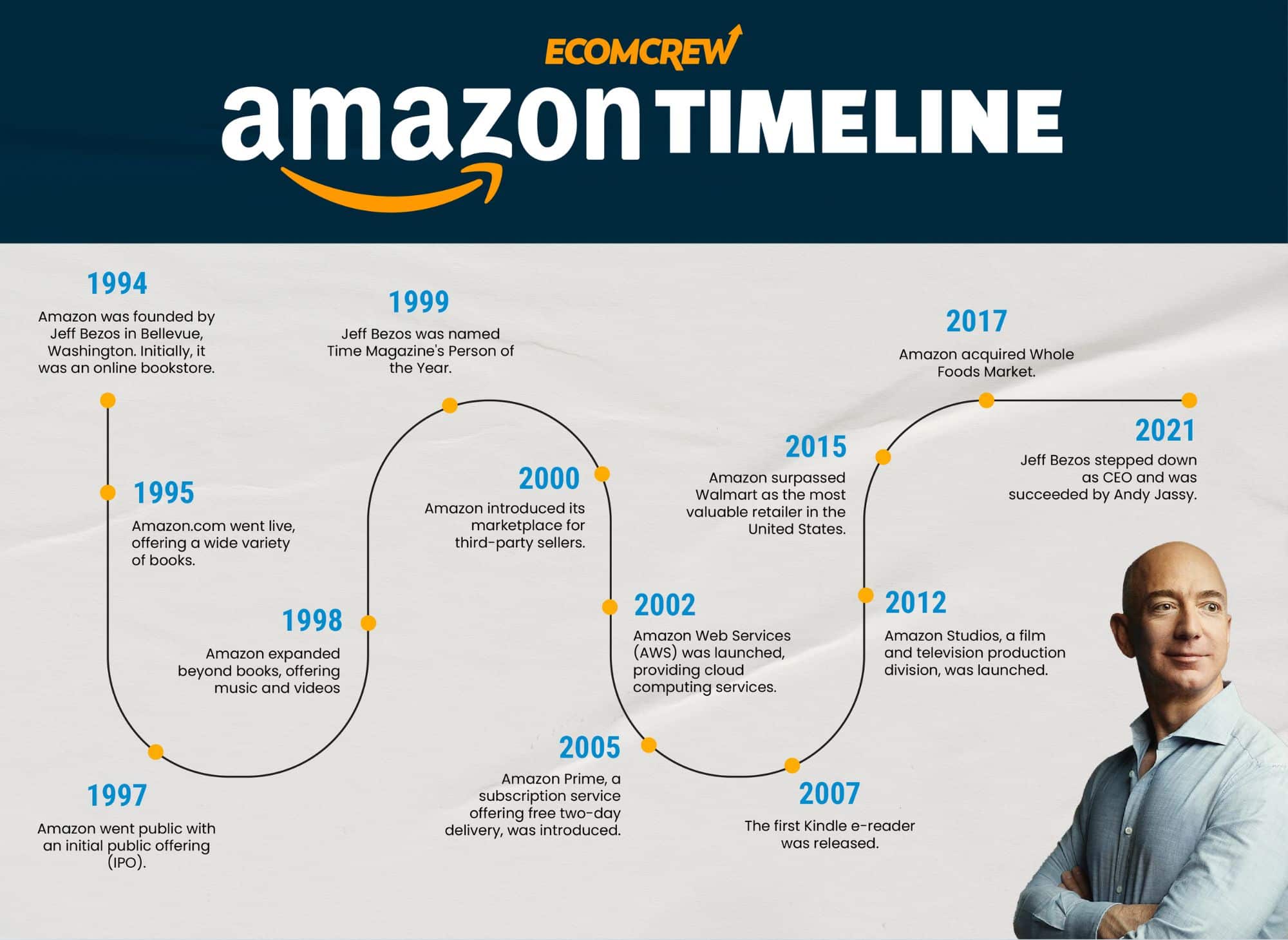
One of the most impressive feats in Amazon’s history is its ability to diversify without diluting its core brand identity. While many brands fail when they stray too far from their original niche, Amazon successfully transitioned from books to electronics, cloud computing, and original media content.
Vertical Integration and the Ecosystem Strategy
Amazon’s brand strategy shifted from being a storefront to being an ecosystem. By controlling the logistics, the marketplace, and the delivery, they ensured that every touchpoint reflected their brand standards. When a customer sees an Amazon-branded van or a “Prime” blue tape on a box, it triggers a specific set of brand expectations. This vertical integration has allowed Amazon to maintain a cohesive brand identity across disparate industries.
Managing Sub-Brands: Kindle, Alexa, and AWS
As Amazon grew, it introduced sub-brands that had their own distinct identities while remaining under the corporate umbrella.
- Kindle: Positioned as the brand for readers, it bridged the gap between Amazon’s roots and its future.
- Alexa/Echo: This established Amazon as a brand that lives inside the home, shifting the identity from “retailer” to “companion.”
- AWS (Amazon Web Services): While a B2B service, AWS reinforced the brand’s identity as a pioneer of the digital frontier, providing the “infrastructure of the internet.”
The Role of Corporate Culture in Brand Scalability
The internal branding of Amazon is as influential as its external marketing. The “14 Leadership Principles,” including “Ownership,” “Frugality,” and “Bias for Action,” are integrated into the hiring and evaluation processes. This ensures that as the company scales, the brand identity remains consistent across its hundreds of thousands of employees. A brand is only as strong as the people who represent it, and Amazon’s rigorous culture-building has been essential to its global expansion.
Amazon’s Brand Strategy in the Modern Era
As Amazon matured, its brand faced new challenges. Being a “disruptor” is a popular brand identity for a startup, but once you become the largest player in the market, the narrative must change. In recent years, Amazon has pivoted its brand strategy to address issues of sustainability, social responsibility, and market dominance.
Sustainability and Corporate Social Responsibility (CSR)
In 2019, Amazon co-founded “The Climate Pledge,” a commitment to be net-zero carbon by 2040. This was a strategic brand move to appeal to younger, more environmentally conscious consumers. By branding its sustainability efforts—such as electric delivery vans and “Frustration-Free Packaging”—Amazon is attempting to align its massive logistics machine with modern ethical standards.
The Influence of Private Labels on Brand Equity
Amazon has leveraged its brand trust to launch private labels like Amazon Basics. By putting the Amazon name on everyday items, they are capitalizing on the “halo effect” of their primary brand. Consumers buy these products because they trust the Amazon brand to provide a baseline level of quality and value, allowing the company to compete directly with established manufacturers.
Navigating Reputation Management in a Digital World
With great power comes great scrutiny. Amazon’s brand has faced criticism regarding labor practices and market competition. Their response has been to double down on “Small Business” branding—highlighting the millions of independent sellers who use their platform. This strategy aims to humanize the brand and position Amazon as a partner to the little guy, rather than just a corporate behemoth.
Lessons for Modern Marketers from Amazon’s Establishment
The journey from a 1994 startup to a 2024 titan offers several key lessons in brand strategy that are applicable to any business today.
The Importance of Longevity and Long-Term Thinking
Amazon is famous for its willingness to lose money in the short term to build long-term brand equity. This “long-term thinking” is a core brand pillar. While other companies focused on quarterly earnings, Amazon focused on building the most valuable brand in the world. This patience allowed them to experiment, fail, and eventually dominate.
Consistency Across Touchpoints
Whether you are using an Echo dot, receiving a package, or browsing the website, the Amazon experience is remarkably consistent. This consistency is the bedrock of a strong brand identity. It tells the customer exactly what to expect, every single time.
The Power of “Customer Obsession” as a Brand Differentiator
In an era where many brands focus on “competitive obsession” (watching what rivals do), Amazon’s “customer obsession” remains its greatest competitive advantage. By focusing on what the customer wants—lower prices, faster delivery, and more choice—Amazon created a brand that is functionally irreplaceable for many.
When Amazon was established, it was a bold bet on the future of the internet. Today, it is a testament to the power of a clear, evolving, and relentlessly executed brand strategy. From the name and the logo to the “Day One” philosophy, every aspect of Amazon’s identity was designed to scale. As the company continues to grow, its ability to maintain its brand core while adapting to a changing world will remain the ultimate case study in corporate identity.
aViewFromTheCave is a participant in the Amazon Services LLC Associates Program, an affiliate advertising program designed to provide a means for sites to earn advertising fees by advertising and linking to Amazon.com. Amazon, the Amazon logo, AmazonSupply, and the AmazonSupply logo are trademarks of Amazon.com, Inc. or its affiliates. As an Amazon Associate we earn affiliate commissions from qualifying purchases.