
The question “what is the best credit card from Chase?” is one that resonates with millions of consumers, from seasoned travelers and dedicated points enthusiasts to everyday spenders and burgeoning business owners. Chase, a behemoth in the financial industry, offers an expansive portfolio of credit cards, each meticulously designed to cater to distinct financial profiles and spending habits. However, labeling one card as “the best” is a misnomer, as the optimal choice is profoundly personal, dependent on an individual’s financial goals, spending patterns, credit score, and desired reward structure.
This comprehensive guide aims to demystify Chase’s offerings, breaking down their flagship products to help you identify the card that aligns perfectly with your financial aspirations. We’ll delve into the nuances of their reward programs, analyze key benefits, and provide a framework for making an informed decision within the lucrative Chase ecosystem.

Decoding “Best”: Understanding Your Financial Needs
Before diving into specific card recommendations, it’s crucial to first define what “best” means for you. A card that maximizes travel rewards for a frequent flyer will be vastly different from one that offers consistent cash back for a budget-conscious household. Self-assessment is the cornerstone of intelligent credit card selection.
Identifying Your Spending Habits
Start by meticulously reviewing your monthly and annual expenditures. Where do you spend the most? Are you frequently dining out, purchasing groceries, commuting, or booking travel? Do you have significant utility bills or subscription services? Some Chase cards offer elevated rewards in specific categories (e.g., dining, travel, gas), while others provide a flat rate on all purchases. Understanding your largest spending categories will guide you towards cards that offer bonus points or cash back where it matters most to you. For instance, if you spend heavily on groceries and online shopping, a card with bonus categories in these areas would be more beneficial than one focused solely on travel.
Prioritizing Rewards: Cash Back, Travel, or Points?
Chase offers three primary types of reward structures:
-
Cash Back: Simple, straightforward, and universally appealing. Cash back cards provide a percentage of your spending back as a statement credit, direct deposit, or gift card. This option offers maximum flexibility and requires no complex redemption strategies.
-
Travel Rewards (Points/Miles): Ideal for those who travel frequently or aspire to do so. Chase’s Ultimate Rewards® program is particularly lauded for its flexibility and value when redeemed for travel through their portal or transferred to airline and hotel partners. The value of points can often exceed 1 cent per point, especially when strategically transferred.
-
Business Rewards: Tailored for entrepreneurs, these cards offer rewards on business-related expenses, often with higher credit limits and specific business tools. The rewards can be cash back or Ultimate Rewards points, depending on the card.
Your preference here is critical. If simplicity and direct financial benefit are paramount, cash back is your lane. If you dream of discounted flights and luxury hotel stays, a travel rewards card is undoubtedly your best bet.
Considering Your Credit Score and Eligibility
Chase, like most major issuers, typically requires a good to excellent credit score (generally FICO 670+) for approval on their premium and most rewarding cards. If your credit score is still developing, you might need to start with a more accessible card or focus on improving your credit before applying for top-tier products like the Chase Sapphire Reserve. Additionally, Chase has an unwritten but widely known “5/24 rule,” which generally means they will deny your application if you’ve opened five or more personal credit cards from any issuer within the last 24 months. Understanding and planning around this rule is crucial for anyone looking to build a robust Chase card portfolio.
Top Chase Credit Cards for Diverse Lifestyles
Once you’ve assessed your financial profile, it’s time to explore Chase’s leading contenders. Each card below represents a strong choice for a specific type of user.
Chase Sapphire Preferred® Card: The Entryway to Premium Travel
Often hailed as one of the best starter travel credit cards, the Chase Sapphire Preferred® Card strikes an excellent balance between annual fee and travel benefits. It offers 2X points on travel and dining and 1X point on all other purchases. Its biggest draw, however, is the 25% bonus on points redeemed for travel through Chase Ultimate Rewards and the ability to transfer points 1:1 to a host of valuable airline and hotel partners (e.g., United, Southwest, Hyatt, Marriott). The sign-up bonus is often substantial, providing a significant boost to your travel fund. For a modest annual fee, this card provides robust travel protections, including primary car rental insurance, trip cancellation/interruption insurance, and lost luggage reimbursement, making it an indispensable tool for moderate to frequent travelers.
Chase Sapphire Reserve®: The Luxury Travel Powerhouse
For the serious traveler who values premium perks and elevated rewards, the Chase Sapphire Reserve® is unmatched. While it carries a higher annual fee, it more than justifies it with a generous $300 annual travel credit that effectively reduces the out-of-pocket cost. Cardholders earn 3X points on travel and dining, and points are worth 50% more when redeemed for travel through Chase Ultimate Rewards. This card unlocks a world of luxury, including airport lounge access (Priority Pass Select), Global Entry or TSA PreCheck fee credit, comprehensive travel insurance, and exclusive benefits through The Luxury Hotel & Resort Collection. The Reserve is for those who appreciate expedited security, comfortable airport waits, and unparalleled travel flexibility.
Chase Freedom Unlimited®: Simplicity and Everyday Rewards
The Chase Freedom Unlimited® is a cornerstone for everyday spending. With no annual fee, it offers a straightforward rewards structure: 1.5% cash back (or 1.5X Ultimate Rewards points) on all purchases. This makes it an ideal card for categories that don’t fall into bonus categories of other cards. While it’s marketed as a cash back card, its ability to earn Ultimate Rewards points makes it incredibly powerful when paired with a Sapphire card, effectively turning your 1.5% cash back into 1.5X transferrable points. It’s perfect for those who prefer simplicity and consistent rewards across all their spending.
Chase Freedom Flex℠: Maximizing Rotating Category Bonuses
The Chase Freedom Flex℠ is designed for the strategic spender who doesn’t mind a bit of planning. Also with no annual fee, it offers 5% cash back (or 5X Ultimate Rewards points) on up to $1,500 in combined purchases in rotating bonus categories each quarter (e.g., gas stations, groceries, PayPal, Amazon.com). Additionally, it offers 5% cash back on travel purchased through Chase Ultimate Rewards, 3% on dining and drugstores, and 1% on all other purchases. This card requires activation of the quarterly categories, but the potential for high-value rewards in common spending areas is significant. Like the Freedom Unlimited, its true power is unleashed when combined with a Sapphire card for point transfers.
Chase Ink Business Preferred® Credit Card: For the Savvy Entrepreneur
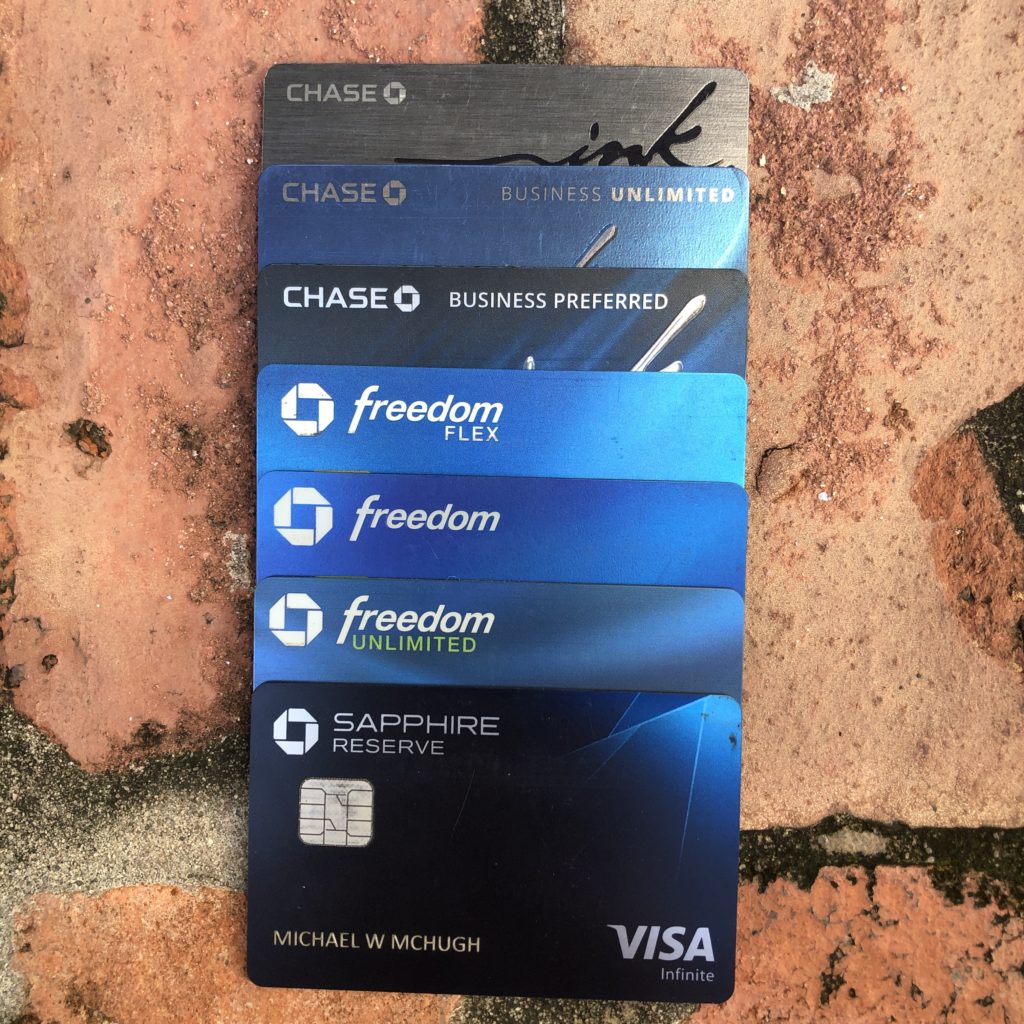
For small business owners, the Chase Ink Business Preferred® Credit Card stands out. It offers 3X points on the first $150,000 spent annually in select business categories (including travel, shipping, internet, cable, phone services, and advertising purchases with social media sites and search engines), and 1X point on all other purchases. Points are worth 25% more when redeemed for travel through Chase Ultimate Rewards, and can also be transferred 1:1 to travel partners. With a relatively modest annual fee and robust travel protections, this card is an excellent choice for entrepreneurs looking to maximize rewards on their operational expenses and integrate personal and business travel strategies.
Beyond Rewards: Key Features and Benefits Across Chase Cards
While rewards are a primary driver, Chase cards offer a suite of additional benefits that enhance their value proposition and provide peace of mind.
The Power of Chase Ultimate Rewards®
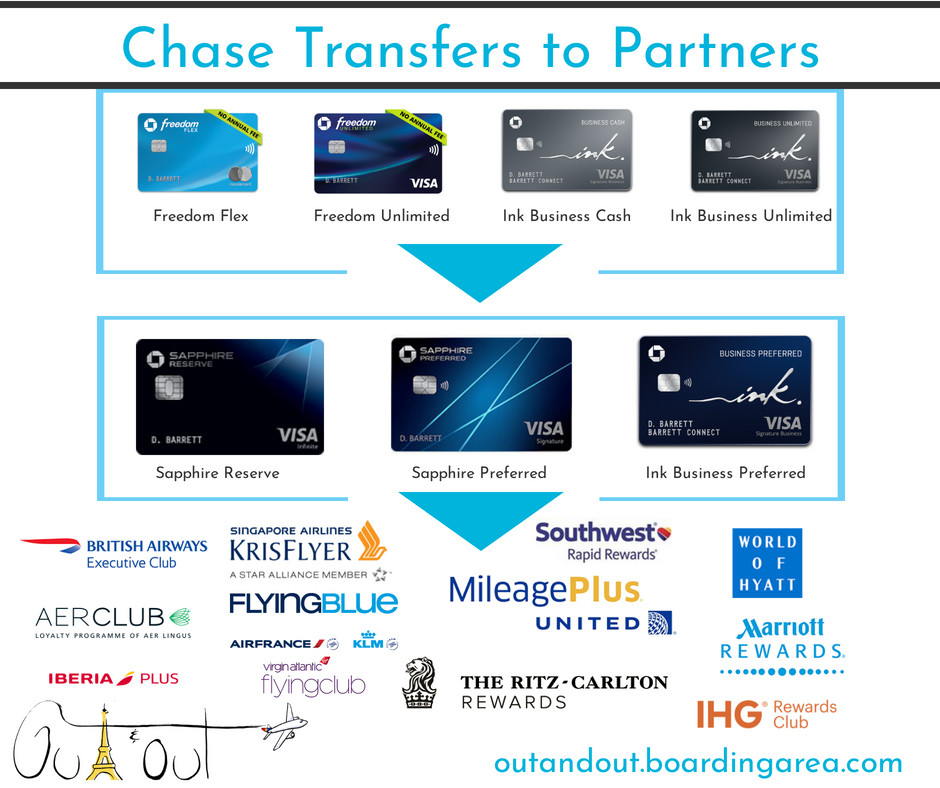
The Chase Ultimate Rewards® program is arguably the most valuable aspect of Chase’s premium cards. It’s a flexible points currency that can be redeemed for cash back, gift cards, experiences, and travel. The true magic, however, lies in its 1:1 point transfer option to leading airline and hotel loyalty programs. This allows cardholders to potentially unlock even greater value than the standard redemption rates, especially during promotional periods or for premium cabin travel. This flexibility empowers cardholders to choose how and when they want to use their rewards, adapting to their evolving travel and financial needs.
Purchase Protection and Extended Warranty
Many Chase cards offer robust consumer protections. Purchase Protection covers new purchases against damage or theft for a certain period (e.g., 120 days) up to a specified amount per claim and annually. Extended Warranty Protection can add an additional year to eligible U.S. manufacturer’s warranties of three years or less. These benefits can save cardholders hundreds, if not thousands, of dollars over the life of the card, providing an often-overlooked layer of financial security.
Travel Protections and Concierge Services (Premium Cards)
The Sapphire cards, in particular, excel in travel protections. From primary car rental collision damage waivers (meaning you don’t need to file with your personal insurance first) to trip cancellation/interruption insurance, lost luggage reimbursement, and trip delay insurance, these cards provide comprehensive coverage against common travel mishaps. Additionally, premium cards often offer access to a concierge service, providing personalized assistance with bookings, recommendations, and other travel-related needs, adding a touch of luxury and convenience.
Strategic Card Selection: Maximizing Your Chase Ecosystem
Choosing a single “best” card might be limiting. Many savvy consumers leverage multiple Chase cards to create a synergistic rewards strategy.
The Chase 5/24 Rule: Understanding Application Limitations
As mentioned, the “5/24 rule” is critical. If you’ve opened five or more personal credit cards (from any issuer) in the last 24 months, Chase will likely deny your application for most of their cards. This rule encourages strategic planning. Many experts recommend prioritizing valuable Chase cards early in your credit card journey, especially the Sapphire products and Ink business cards, to ensure eligibility.
Pairing Cards for Optimal Rewards (e.g., Freedom + Sapphire)
One of the most powerful strategies is to combine a no-annual-fee Freedom card with a Sapphire card. For instance, you could use the Chase Freedom Unlimited® for all non-bonus spending (earning 1.5X points), and the Chase Freedom Flex℠ for its quarterly 5X bonus categories. Then, because you hold a Chase Sapphire Preferred® or Reserve®, you can transfer all the points earned on your Freedom cards into your Sapphire account, elevating their value. Instead of receiving 1.5% cash back, your 1.5X points from the Freedom Unlimited, once moved to a Sapphire Reserve account, could be worth 2.25 cents per point towards travel (1.5 X 1.50). This “Chase Trifecta” strategy is a cornerstone of maximizing Ultimate Rewards.
Leveraging Business Cards for Personal Advantage
If you have a side hustle, freelance work, or a formal business, a Chase Ink Business card can be a game-changer. Business cards typically don’t count towards your 5/24 limit (though applications for them usually do), offering a path to more Chase cards and allowing you to separate business and personal expenses. The Ink Preferred, for example, earns valuable Ultimate Rewards points that can be pooled with your personal Sapphire points, further boosting your redemption power.
Applying for Your Ideal Chase Card: What You Need to Know
Once you’ve identified your best fit, the application process is straightforward, but a few considerations are key.
Application Requirements and Documentation
You’ll need to provide personal information such as your name, address, Social Security number, income, and employment details. For business cards, you’ll also provide business information, including your business name (if applicable), industry, and annual revenue. Be truthful and accurate with all information provided.
Understanding Credit Score Impact
Applying for a new credit card typically results in a “hard inquiry” on your credit report, which can temporarily ding your credit score by a few points. This is normal and minor for most, but it’s why you shouldn’t apply for multiple cards within a short period unless necessary. Focus on a single, well-researched application.
Responsible Credit Card Management
Regardless of which Chase card you choose, responsible credit card management is paramount. Pay your bills on time and in full every month to avoid interest charges and maintain a healthy credit score. Keep your credit utilization low, and only charge what you can comfortably afford to repay. Your credit card should be a tool for financial growth and reward accumulation, not a source of debt.
In conclusion, there isn’t a single “best” credit card from Chase in an absolute sense. The ideal choice is meticulously tailored to your unique financial landscape, spending habits, and long-term goals. By thoroughly assessing your needs and understanding the distinctive features of Chase’s powerful card lineup – from the accessible everyday rewards of the Freedom cards to the premium travel benefits of the Sapphire series and the business-focused Ink cards – you can confidently select the card, or combination of cards, that will unlock the most value for your financial journey. The key is thoughtful planning and a clear understanding of how these powerful financial tools can serve your individual aspirations.
aViewFromTheCave is a participant in the Amazon Services LLC Associates Program, an affiliate advertising program designed to provide a means for sites to earn advertising fees by advertising and linking to Amazon.com. Amazon, the Amazon logo, AmazonSupply, and the AmazonSupply logo are trademarks of Amazon.com, Inc. or its affiliates. As an Amazon Associate we earn affiliate commissions from qualifying purchases.