
Opening a new bank account is a foundational step in managing your personal finances, and for many, Chase Bank stands out as a prominent choice. With its extensive network, diverse product offerings, and robust digital platforms, Chase caters to a wide spectrum of financial needs, from everyday banking to long-term wealth management. However, before you can harness the benefits of a Chase account, understanding the precise requirements and the application process is crucial. This comprehensive guide will walk you through everything you need to know, ensuring a smooth and efficient account opening experience.

Why Choose Chase? Understanding the Benefits and Account Types
Before diving into the mechanics of opening an account, it’s insightful to consider why Chase might be the right financial partner for you. Their reputation, breadth of services, and commitment to customer experience often make them a top contender for individuals and families seeking a reliable banking solution.
A Legacy of Trust and Innovation
Chase, a subsidiary of JPMorgan Chase & Co., boasts a history spanning over 200 years, establishing itself as one of the oldest and most respected financial institutions in the United States. This long-standing presence translates into a deep understanding of financial markets and customer needs, fostering a sense of security and reliability. Beyond its legacy, Chase continually invests in technological innovation, offering cutting-edge digital banking tools, mobile apps, and online features that simplify financial management for its users. This blend of tradition and modernity ensures that customers benefit from both robust security and convenient access to their funds.
Diverse Account Offerings for Every Financial Need
One of Chase’s primary strengths is its extensive portfolio of account types, designed to meet varying financial objectives.
-
Checking Accounts: From basic checking like Chase Total Checking® to premium options like Chase SapphireSM Banking, these accounts provide essential services for daily transactions, bill payments, and direct deposits. Features often include online bill pay, debit cards, and access to a vast ATM network.
-
Savings Accounts: Chase SavingsSM and high-yield alternatives offer a secure place to store emergency funds, save for specific goals, or earn interest on your deposits. Many come with tools to help you track your progress and automate savings.
-
CDs (Certificates of Deposit): For those looking to lock in a higher interest rate for a fixed period, Chase offers a range of CD terms, providing a predictable return on your investment.
-
Credit Cards: Chase is a major player in the credit card market, offering a wide array of cards with different rewards structures, from cashback to travel points, catering to various spending habits and credit profiles.
-
Investment Accounts: Through Chase Private Client and J.P. Morgan Wealth Management, customers can access investment services, including brokerage accounts, retirement planning, and personalized financial advice.
This diverse selection allows individuals to consolidate their financial activities under one roof, simplifying management and potentially unlocking integrated benefits.
The Power of a Comprehensive Financial Ecosystem
Choosing Chase isn’t just about opening a single account; it’s about gaining access to a comprehensive financial ecosystem. This includes:
-
Extensive Branch and ATM Network: With thousands of branches and ATMs nationwide, physical access to your money and banking services is rarely an issue, offering convenience for deposits, withdrawals, and in-person assistance.
-
Award-Winning Digital Tools: The Chase Mobile® app and online banking portal provide 24/7 access to account balances, transaction history, mobile check deposit, funds transfers, and even budget management tools, all from the palm of your hand.
-
Customer Service: Chase offers various channels for customer support, including phone, secure message, and in-branch assistance, ensuring that help is available when you need it.
-
Integrated Services: The ability to link checking, savings, credit cards, and investment accounts within a single platform simplifies financial oversight and management, providing a holistic view of your financial health.
Essential Documents and Information Required
Once you’ve decided to proceed with opening a Chase account, gathering the necessary documentation is the next critical step. Financial institutions are legally obligated to verify the identity of their customers to prevent fraud, money laundering, and terrorist financing, a process known as “Know Your Customer” (KYC). Having these items ready will expedite your application significantly.
Verifying Your Identity: The Cornerstone of Account Opening
The primary requirement for opening any financial account is proof of identity. This typically involves presenting one or two forms of valid, unexpired government-issued identification.
-
Primary Photo ID: You will almost certainly need one of the following:
-
A U.S. Driver’s License or State-Issued ID Card
-
A U.S. Passport or Passport Card
-
A U.S. Military ID
-
-
Secondary ID (If Required): In some cases, especially if your primary ID is relatively new or if there are any discrepancies, Chase might request a second form of identification. This could include:
-
Social Security Card
-
Birth Certificate
-
Another valid government-issued ID (e.g., an alien registration card)
-
It’s important that the name on your identification matches your legal name exactly, as any discrepancies could delay the process.
Proof of Address: Ensuring Security and Compliance
In addition to identity verification, banks need to confirm your residential address. This helps in mailing important documents, preventing fraud, and complying with regulatory requirements.
-
Accepted Documents for Proof of Address:
-
Utility bill (electric, water, gas, internet) issued within the last 60 days
-
Lease agreement or mortgage statement
-
Credit card or bank statement (from another institution)
-
Insurance policy document (home, auto)
-
Government-issued mail (e.g., tax bill)
-
The document must clearly show your name and current residential address. P.O. boxes are typically not accepted as a primary residential address.
Funding Your New Account: Initial Deposit Requirements
To activate your new account, Chase will require an initial deposit. The minimum amount varies depending on the type of account you are opening.
-
Minimum Deposit Amounts:
-
Chase Total Checking®: Often requires $25.
-
Chase SavingsSM: Typically requires $25.
-
Other Accounts: Premium checking or specialized savings accounts might have higher minimum initial deposit requirements or monthly balance thresholds to waive fees.
-
You can fund your new account through various methods:
-
Cash: Deposited directly at a Chase branch.
-
Check: Personal check, cashier’s check, or money order.
-
Funds Transfer: From an existing account at another bank (ACH transfer).
-
Debit Card: You might be able to fund it via debit card for online applications.
Ensure you have the necessary funds readily available to meet the minimum deposit requirement to avoid any delays in activating your account.
Additional Information for Specific Account Types
While the above documents are universally required, certain account types or situations might necessitate additional information:
-
Social Security Number (SSN) or Individual Taxpayer Identification Number (ITIN): This is mandatory for all U.S. citizens and residents to open an account, as it’s required for tax reporting purposes (e.g., interest earned on savings).
-
Foreign Nationals: Non-U.S. citizens may need to provide additional documentation such as a visa, green card, or other immigration documents, along with their SSN or ITIN if they have one.
-
Business Accounts: Opening a business account has entirely different requirements, including business formation documents, Employer Identification Number (EIN), and proof of ownership. This guide focuses primarily on personal accounts.
Always be prepared to provide any extra information Chase requests, as it’s typically for regulatory compliance and your financial security.
The Account Opening Process: Step-by-Step Guidance
With your documents in hand, you’re ready to begin the application process. Chase offers multiple avenues for opening an account, providing flexibility to suit your preferences.

Online vs. In-Branch: Choosing Your Preferred Method
Chase facilitates account opening through two primary channels:
-
Online Application: This is often the quickest and most convenient method, allowing you to apply from the comfort of your home at any time. It’s ideal if you have all your documents digitally accessible and prefer a self-service approach.
-
In-Branch Visit: For those who prefer face-to-face interaction, have questions, or need assistance with the application, visiting a Chase branch is a viable option. A personal banker can guide you through the process, explain different account features, and help address any concerns. This is also often necessary if you have complex banking needs or are a foreign national with specific documentation requirements.
Navigating the Online Application Portal
If you choose the online route, the process is generally straightforward:
-
Visit the Chase Website: Go to chase.com and navigate to the “Open an Account” section.
-
Select Account Type: Choose the checking, savings, or other account type you wish to open.
-
Start Application: Click on the “Open an account” or “Apply now” button.
-
Provide Personal Information: You will be prompted to enter your full legal name, date of birth, Social Security Number, phone number, email address, and current residential address.
-
Upload Documents (If Requested): While many applications can be completed without immediate uploads, be prepared to upload photos or scans of your ID and proof of address if the system requests them.
-
Review and Consent: Carefully review all the information you’ve entered for accuracy. You will need to agree to Chase’s terms and conditions, privacy policy, and electronic disclosure agreements.
-
Fund Your Account: You’ll be prompted to make your initial deposit, typically using an electronic transfer from another bank account or a debit card.
-
Submit Application: Once all fields are completed and consents are given, submit your application.
You should receive an immediate confirmation, and in many cases, your account number will be provided shortly after approval. Your debit card and welcome kit will usually arrive by mail within 7-10 business days.
What to Expect During an In-Branch Visit
Applying in person offers a more personalized experience:
-
Schedule an Appointment (Optional but Recommended): While walk-ins are accepted, scheduling an appointment can minimize wait times and ensure a banker is available to assist you.
-
Bring All Documents: Have your primary ID, secondary ID (if applicable), proof of address, and your Social Security Card/ITIN readily available.
-
Consultation with a Banker: A Chase representative will sit down with you to discuss your financial needs, explain different account options, and help you choose the best fit.
-
Complete Application Form: The banker will guide you through filling out the application form, ensuring all details are correct.
-
Identity and Address Verification: The banker will verify your identity using the documents you provided.
-
Initial Deposit: You can make your initial deposit with cash, check, or by transferring funds from another account.
-
Account Activation: In most cases, your account will be opened immediately, and you might receive a temporary debit card on the spot. Your permanent card and welcome kit will be mailed to your address.
This method is particularly helpful if you have specific questions or prefer human interaction during the setup process.
Post-Application: Activation and Initial Setup
Once your application is approved, whether online or in-branch, there are a few steps to ensure your account is fully operational and secure:
-
Activate Your Debit Card: Follow the instructions provided with your card (usually a phone number or online portal) to activate it and set your PIN.
-
Enroll in Online Banking: If you haven’t already, sign up for Chase OnlineSM banking and download the Chase Mobile® app. This is crucial for managing your account, paying bills, and monitoring transactions.
-
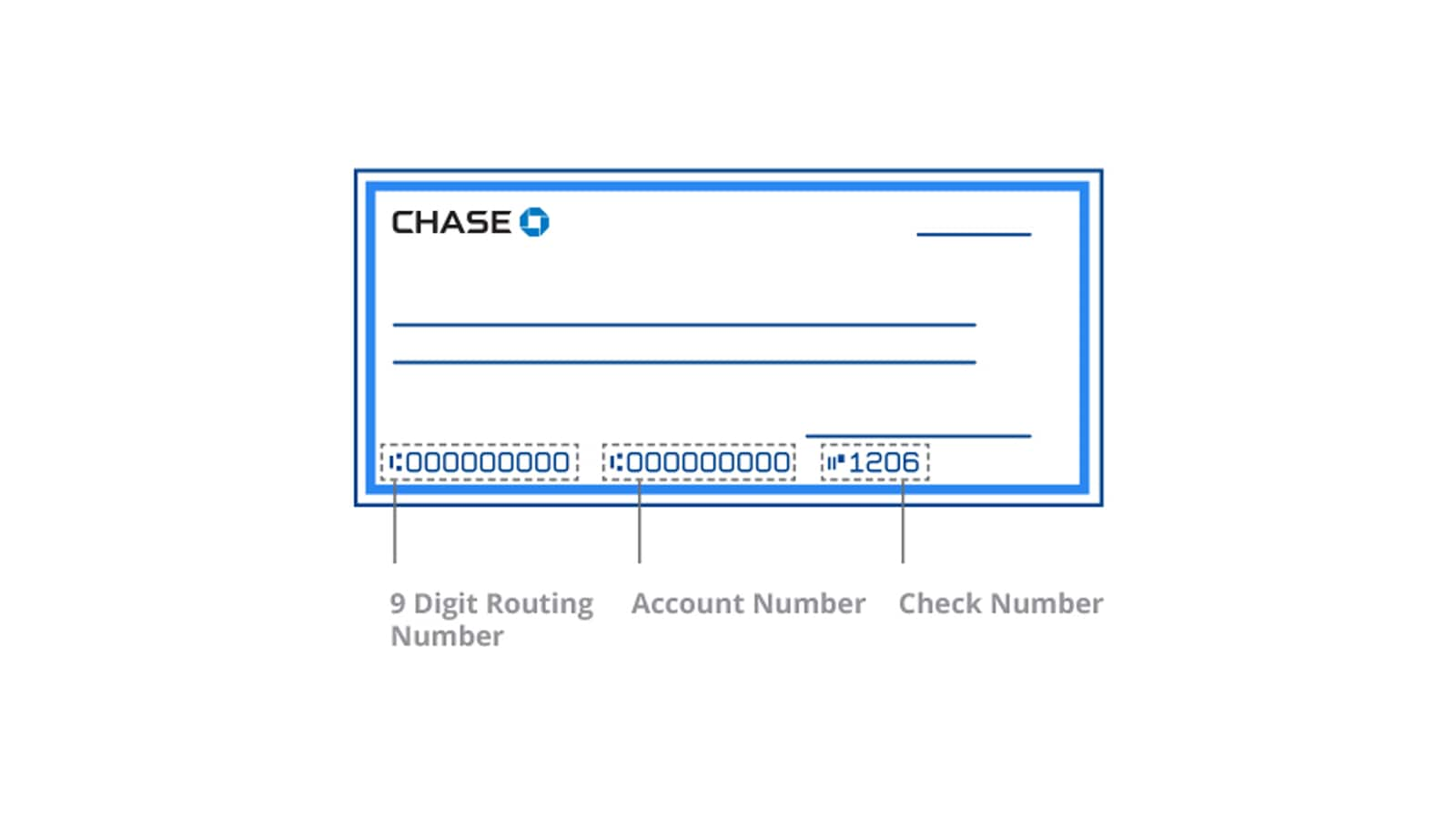
Set Up Direct Deposit: Provide your new Chase account and routing numbers to your employer or benefit provider to have funds automatically deposited.
-
Link External Accounts: If you use budgeting apps or need to transfer money regularly, link your new Chase account to other financial institutions.
-
Review Account Features: Familiarize yourself with all the benefits and features of your specific account, including any rewards programs or waivers for monthly service fees.
Beyond Account Opening: Maximizing Your Chase Experience
Opening a Chase account is just the beginning. To truly leverage your banking relationship, it’s essential to understand how to maximize the tools and services at your disposal.
Leveraging Digital Tools and Mobile Banking
Chase’s investment in technology provides powerful tools for financial management:
-
Chase Mobile® App: Use it for mobile check deposit, viewing account activity, transferring funds, paying bills, sending money with Zelle®, and finding ATMs/branches. It also offers security features like card lock/unlock.
-
Online Banking Portal: A more comprehensive platform for managing accounts, setting up alerts, accessing statements, and utilizing budgeting tools. You can also securely message customer support.
-
Alerts and Notifications: Set up custom alerts for low balances, large transactions, or specific payment reminders, helping you stay on top of your finances and detect potential fraud quickly.
Understanding Fees and Account Management
Being aware of potential fees and how to avoid them is vital for cost-effective banking:
-
Monthly Service Fees: Many checking accounts have a monthly fee, but Chase often provides ways to waive these, such as maintaining a minimum daily balance, having direct deposits totaling a certain amount, or being linked to other Chase accounts. Familiarize yourself with these waivers.
-
ATM Fees: While Chase ATMs are free, using out-of-network ATMs may incur fees from both Chase and the ATM owner.
-
Overdraft Fees: Understand Chase’s overdraft policy and consider options like overdraft protection, which links your checking account to a savings account or line of credit to cover transactions.
-
Account Statements: Opt for paperless statements to reduce clutter and potentially avoid a fee for mailed statements. Regularly review your statements for accuracy and to track spending.
Exploring Additional Chase Services (Credit Cards, Investing, Loans)
As your financial needs evolve, Chase offers a seamless transition to other services:
-
Credit Cards: If you’ve established a good banking relationship, you might pre-qualify for Chase credit cards known for competitive rewards (e.g., Chase Sapphire Preferred®, Chase Freedom FlexSM).
-
Investing Services: Explore J.P. Morgan Wealth Management for guidance on investments, retirement planning, or setting up a brokerage account directly through your Chase platform.
-
Home Loans and Auto Loans: Chase provides various lending solutions for major purchases, often offering competitive rates for existing customers.
-
Business Banking: If you own a small business, Chase offers dedicated business checking and savings accounts, credit cards, and merchant services.
Ensuring Security and Fraud Prevention
Protecting your financial information is paramount:
-
Strong Passwords: Always use unique, complex passwords for your online banking and mobile app, and enable multi-factor authentication whenever possible.
-
Monitor Transactions: Regularly check your account activity for any suspicious transactions.
-
Fraud Alerts: Chase employs sophisticated fraud detection systems, but you should still be vigilant. Report any unauthorized activity immediately.
-
Secure Browsing: Only access online banking from secure, trusted networks and devices. Be wary of phishing emails or suspicious links.
Important Considerations Before You Begin
While the process is designed to be user-friendly, a few final considerations can help prevent delays and ensure the account you open is the best fit for your financial journey.
Eligibility Criteria and Age Requirements
To open a personal checking or savings account with Chase:
-
You must be at least 18 years old.
-
You must be a U.S. citizen or a resident alien with a valid Social Security Number (SSN) or Individual Taxpayer Identification Number (ITIN).
-
You should have a valid U.S. residential address.
For minors, joint accounts with a parent or guardian are typically an option. Check Chase’s specific requirements for minor accounts.
Reviewing Terms and Conditions
It’s tempting to skim past the fine print, but the terms and conditions document contains crucial information about your account. Pay close attention to:
-
Fee schedules: Understand all potential fees (monthly, ATM, overdraft, foreign transaction, etc.)
-
Interest rates: For savings accounts and CDs.
-
Account features: Specific benefits, limitations, and requirements.
-
Dispute resolution: How to address errors or unauthorized transactions.
Taking the time to read this ensures there are no surprises down the line.
Customer Support and Assistance
Should you encounter any issues or have questions during or after the application process, Chase offers multiple support channels:
-
Phone Support: Customer service lines are available for various inquiries.
-
Secure Message: Through online banking, you can send secure messages to Chase support for non-urgent matters.
-
In-Branch Assistance: For complex issues or personal preferences, visiting a local branch provides direct assistance.
Don’t hesitate to reach out if you need clarification or help with any aspect of your banking.
In conclusion, opening a Chase account is a straightforward process once you understand the necessary documentation and the steps involved. By preparing adequately, choosing the right account for your needs, and leveraging Chase’s extensive resources, you can establish a robust foundation for managing your personal finances effectively and securely.
aViewFromTheCave is a participant in the Amazon Services LLC Associates Program, an affiliate advertising program designed to provide a means for sites to earn advertising fees by advertising and linking to Amazon.com. Amazon, the Amazon logo, AmazonSupply, and the AmazonSupply logo are trademarks of Amazon.com, Inc. or its affiliates. As an Amazon Associate we earn affiliate commissions from qualifying purchases.