
The internet is a vast and ever-shifting landscape, a place where trends rise and fall with astonishing speed. For a decade, one consistent fixture in this digital churn was “Ridiculousness,” the MTV show that turned everyday mishaps and amateur fails into a global phenomenon. Hosted by the charismatic Rob Dyrdek, the show became synonymous with a specific brand of internet humor, built on over-the-top reactions, witty commentary, and a seemingly endless supply of shockingly absurd clips. But as is often the case in the ever-evolving digital world, the question naturally arises: what happened to “Ridiculousness”?
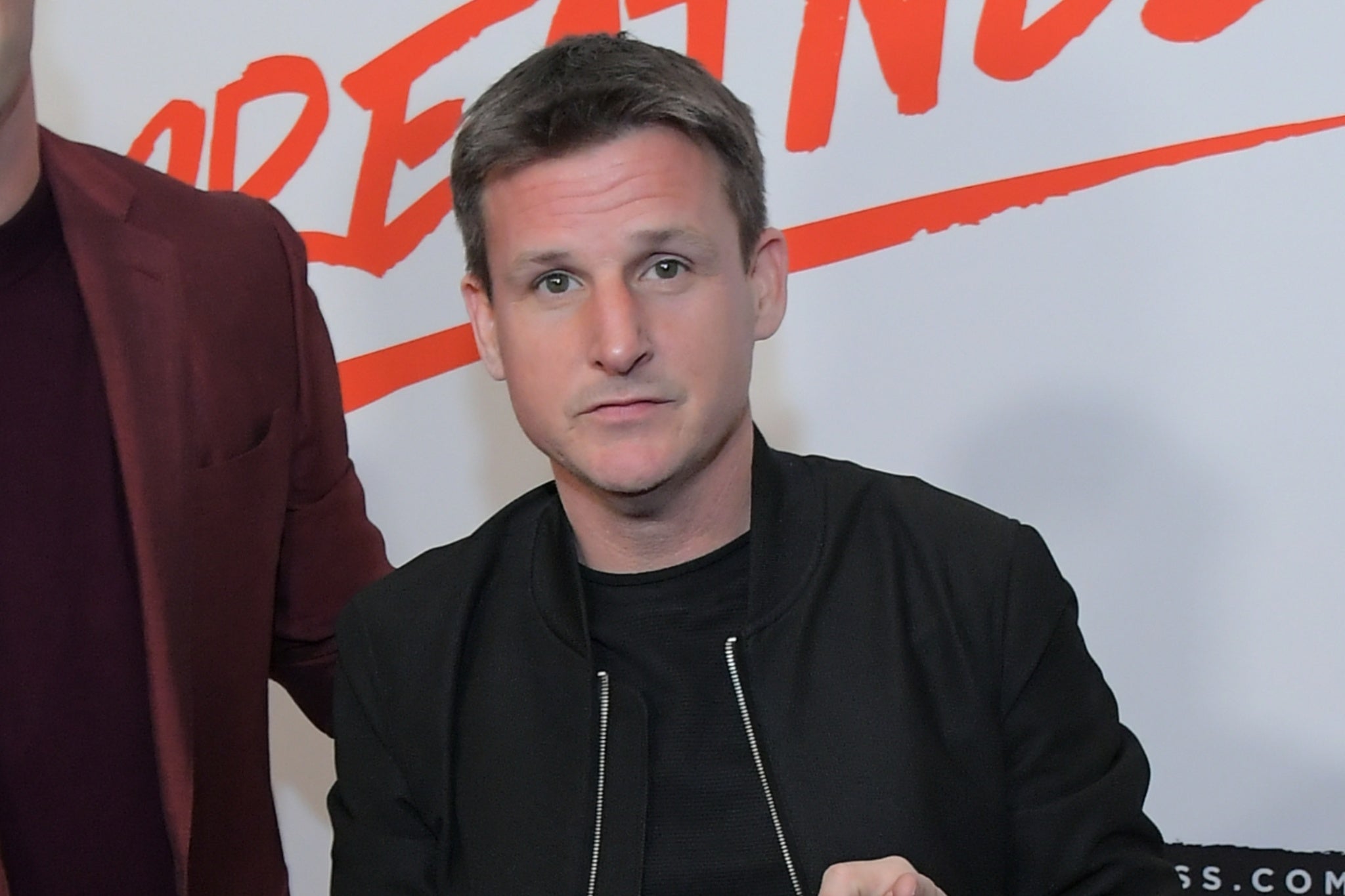
While the show itself might have concluded its run on MTV, its legacy and Rob Dyrdek’s broader impact on content creation and brand building are far from over. To understand its trajectory, we need to look beyond the immediate conclusion of the television series and examine the underlying forces at play, touching upon the evolution of digital media, the power of personal branding, and even the financial underpinnings of such a successful entertainment venture.
The Rise of “Ridiculousness”: Capitalizing on the Viral Wave
Before diving into what happened, it’s crucial to understand why “Ridiculousness” became such a cultural touchstone. The show’s inception coincided with the burgeoning era of user-generated content. Platforms like YouTube were just starting to show their potential, and the concept of “going viral” was becoming a tangible, aspirational goal. Rob Dyrdek, already a seasoned professional skateboarder and television personality known for his innovative and often outlandish stunts, was perfectly positioned to tap into this nascent energy.
“Ridiculousness” wasn’t just a compilation show; it was a masterclass in curation and commentary. Dyrdek, alongside his co-hosts, brought a unique personality to the proceedings. His genuine amusement, paired with a knack for delivering perfectly timed punchlines, transformed simple fail clips into engaging narratives. The show’s format was simple yet effective: a clip would play, followed by Dyrdek and his guests dissecting the absurdity, offering their unique takes, and often awarding a fictional “consequence” for the perpetrator’s folly.
The genius of “Ridiculousness” lay in its accessibility. It leveraged the organic internet culture that was already flourishing. People were already uploading their embarrassing moments, their failed attempts at daring feats, and their hilarious mishaps. “Ridiculousness” provided a centralized, professionally produced platform that amplified these moments to a mainstream audience. It tapped into a universal human experience: the schadenfreude derived from watching others stumble, coupled with the relatable thought of “I’ve almost done that myself.”
The Algorithm’s Embrace: How “Ridiculousness” Thrived in the Digital Ecosystem
The success of “Ridiculousness” can also be attributed to its inherent shareability and its ability to feed the insatiable appetite of online audiences. In the pre-TikTok, pre-Instagram Reels era, YouTube was the king of short-form, viral content. “Ridiculousness” clips, with their concise narratives and punchy humor, were perfectly suited for the platform. They were easily digestible, highly watchable, and ripe for sharing across social media.
The show’s segments often acted as mini-viral moments in themselves. A particularly egregious fail, or a brilliantly funny Dyrdek reaction, would inevitably be clipped, shared, and re-shared, extending the show’s reach far beyond its scheduled broadcast time. This created a powerful feedback loop: the more the clips were shared online, the more popular the show became, leading to more submissions and, consequently, more content for future episodes.
Furthermore, the show’s consistent production schedule ensured a steady stream of fresh, engaging content. While the internet was always producing new fails, “Ridiculousness” acted as a filter, identifying and presenting the cream of the crop. This consistency was key to building a loyal viewership who knew they could tune in for a guaranteed laugh. It also provided a predictable revenue stream for MTV and for Dyrdek himself, aligning with the principles of consistent content delivery that are now paramount in the digital age.
Beyond the Broadcast: Rob Dyrdek’s Evolving Brand and the Future of Content
So, if the show was so successful, what exactly “happened” to it? The answer lies in the dynamic nature of the media industry and Rob Dyrdek’s own strategic evolution.
The Business of Virality: Shifting Platforms and Monetization Strategies
While “Ridiculousness” enjoyed a long and successful run on MTV, its eventual conclusion can be viewed as a natural progression within the entertainment landscape. Television, as a primary broadcast medium, faces increasing competition from streaming services and direct-to-consumer digital platforms. The way audiences consume content has fundamentally changed, with a significant shift towards on-demand viewing and personalized content feeds.
For a show that thrives on viral clips, the move to a more fragmented and digital-centric consumption model was inevitable. While MTV still has a presence, its dominance has waned. The true power of viral content now lies in its ability to be disseminated across multiple digital platforms, reaching audiences wherever they are.
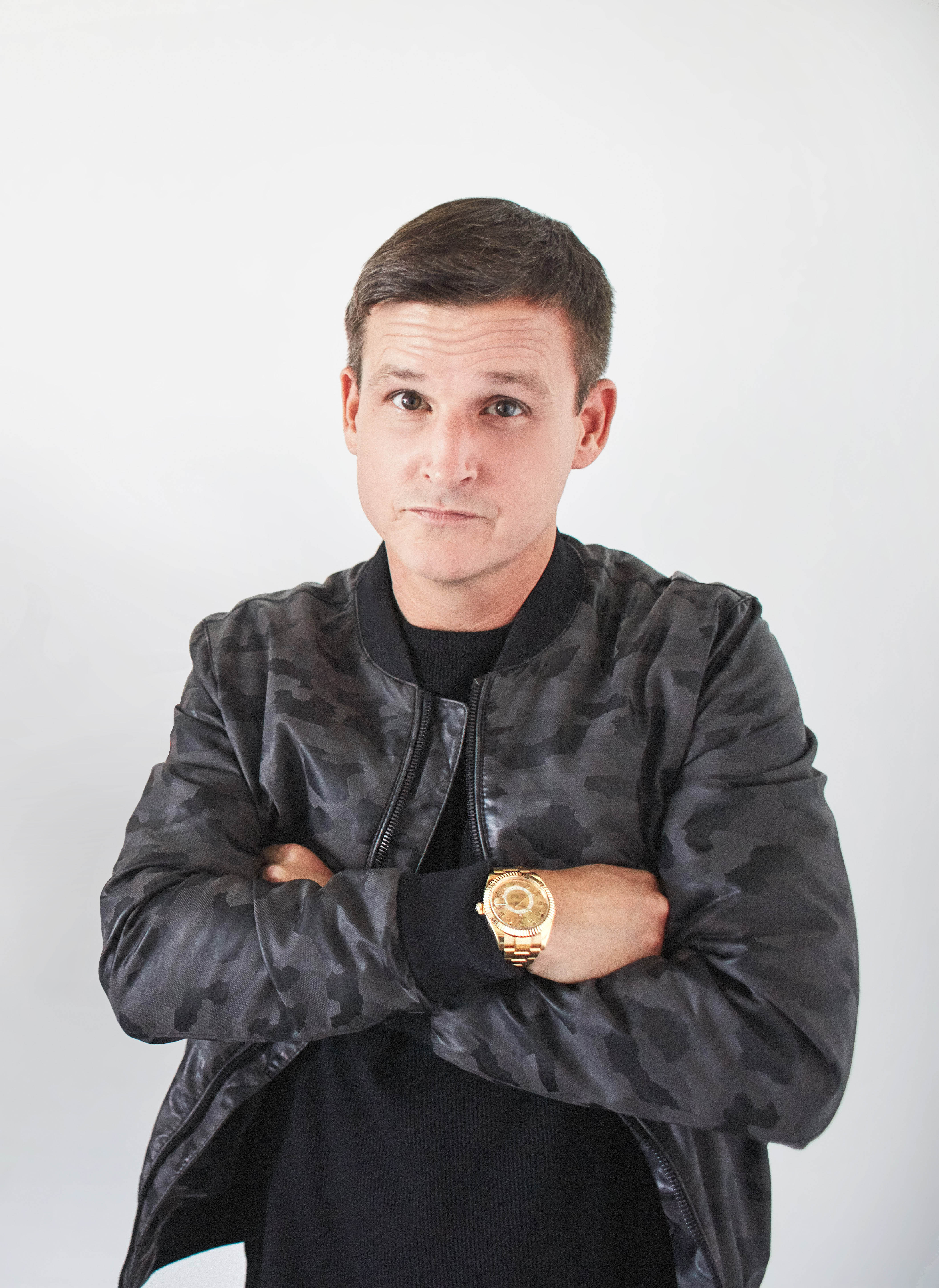
Rob Dyrdek, a keen observer of cultural trends and a shrewd businessman, undoubtedly recognized this shift. While “Ridiculousness” might have ended its televised run, the essence of what made it popular – the compilation of entertaining, often absurd, user-generated content – has only amplified. Platforms like TikTok, Instagram Reels, and YouTube Shorts are now the primary breeding grounds for viral moments.
The question then becomes, how can this content be monetized in the current landscape? “Ridiculousness” was a profitable venture for MTV. However, in the age of direct monetization through creator platforms, sponsorships, and brand deals, the traditional broadcast model might no longer be the most optimal for such content.
The Power of Personal Branding: Rob Dyrdek’s Multifaceted Ventures
Rob Dyrdek himself is a testament to the power of personal branding. He is not merely a host; he is a brand. His entrepreneurial spirit extends far beyond “Ridiculousness.” He has been involved in numerous businesses, from skateboarding companies and apparel lines to restaurants and even a fantasy sports platform.
This multifaceted approach allows Dyrdek to diversify his income streams and maintain relevance across various industries. The skills honed in creating and presenting “Ridiculousness” – understanding audience engagement, curating compelling content, and building a recognizable persona – are transferable to any venture.
His personal brand is built on a foundation of authenticity, humor, and a relentless pursuit of creativity. This is precisely what resonated with audiences on “Ridiculousness.” By continuing to build and leverage this strong personal brand, Dyrdek can explore new content formats and business opportunities that might not have been possible within the confines of a traditional television show.
Consider the possibilities: a dedicated “Ridiculousness” channel on YouTube, featuring exclusive compilations and behind-the-scenes content. Or perhaps a mobile app that allows users to submit their own fails for potential inclusion, with built-in monetization features for successful contributors. The potential for innovation is immense.
The Financial Engine Behind Viral Success: From Ad Revenue to Brand Partnerships
The financial model behind a show like “Ridiculousness” is a complex interplay of various revenue streams. In its heyday on MTV, the primary income would have been advertising revenue generated during commercial breaks. The show’s consistent viewership and broad appeal made it an attractive platform for advertisers looking to reach a young and engaged demographic.
However, the digital age has opened up a plethora of new monetization avenues. For content creators and brands, the focus has shifted from traditional advertising to more integrated and influencer-driven strategies. This includes:
- Brand Integrations and Sponsorships: Rather than just appearing in commercials, brands can now partner directly with content creators, integrating their products or services into the content itself. For “Ridiculousness,” this could have meant product placements, sponsored segments, or even branded challenges.
- Affiliate Marketing: Driving traffic to specific products or services and earning a commission on sales.
- Merchandise Sales: Leveraging the show’s popularity to sell branded merchandise, from t-shirts to action figures.
- Licensing and Syndication: Selling the rights to the show’s content to other platforms or international broadcasters, generating ongoing revenue even after the original run has ended.
- Direct-to-Consumer Platforms: Creating subscription-based content or premium offerings directly to fans, bypassing traditional media gatekeepers.
Rob Dyrdek’s entrepreneurial ventures likely employ a combination of these strategies. His ability to translate viral appeal into tangible business success is a testament to his understanding of the evolving financial landscape of content creation. The “what happened” to “Ridiculousness” isn’t necessarily a decline, but rather a strategic pivot in how its legacy and Dyrdek’s talent can be best utilized in the current media and economic environment.
The Enduring Impact: “Ridiculousness” as a Blueprint for Digital Content
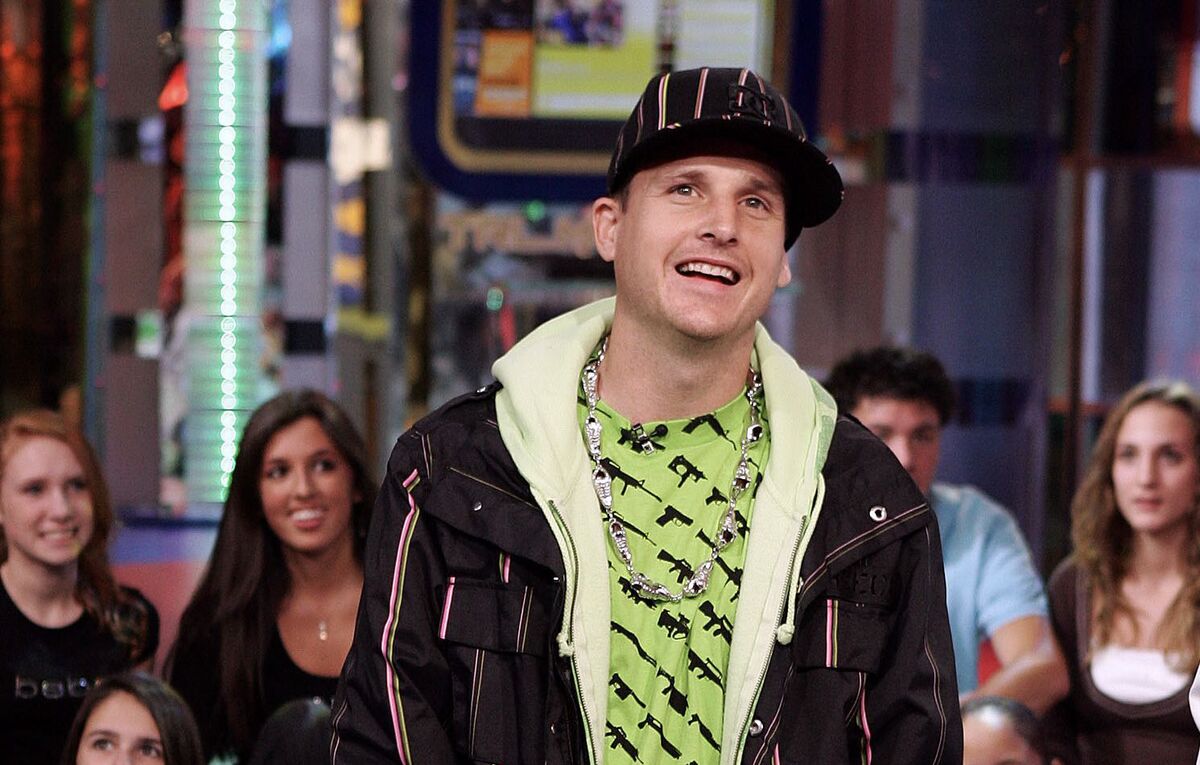
While the iconic red chairs and Dyrdek’s signature laugh might no longer be a weekly fixture on MTV, the spirit of “Ridiculousness” lives on, arguably in a more pervasive form than ever before. The show served as a powerful, albeit unintentional, blueprint for the kind of content that captivates modern audiences. It demonstrated that:
- Authenticity and Relatability are Key: The most engaging content often stems from genuine human experiences, even if those experiences involve spectacular failures.
- Curation and Commentary Elevate Content: Simply presenting raw footage isn’t enough. Adding personality, humor, and insightful commentary transforms ordinary moments into compelling entertainment.
- User-Generated Content is a Goldmine: The internet provides an endless supply of raw material. The ability to find, filter, and polish this material is a valuable skill.
- Consistency Builds Loyalty: Regular content delivery, regardless of the platform, fosters a dedicated audience.
The lessons learned from “Ridiculousness” are directly applicable to the current digital ecosystem. Tech startups developing new AI tools for content creation are essentially trying to automate aspects of curation and editing. Brand strategists are constantly seeking ways to replicate the viral reach and audience engagement that “Ridiculousness” achieved organically. And individuals looking to build online income are recognizing that creating shareable, entertaining content is a viable path to success.
In essence, “what happened to Rob Dyrdek’s ‘Ridiculousness'” is a story of evolution. The show itself may have reached its natural conclusion on traditional television, but its impact, and the principles it embodied, have been absorbed and amplified by the digital platforms that now dominate our media consumption. Rob Dyrdek, with his innate understanding of entertainment and his entrepreneurial drive, continues to navigate this evolving landscape, proving that the art of turning the ridiculous into revenue is a timeless pursuit. The clips may be older, but the laughter, and the business lessons, are as relevant as ever.
aViewFromTheCave is a participant in the Amazon Services LLC Associates Program, an affiliate advertising program designed to provide a means for sites to earn advertising fees by advertising and linking to Amazon.com. Amazon, the Amazon logo, AmazonSupply, and the AmazonSupply logo are trademarks of Amazon.com, Inc. or its affiliates. As an Amazon Associate we earn affiliate commissions from qualifying purchases.